Hong Kong Sevens Ignites Kai Tak Stadium Amidst Vibrant Fan Displays and Economic Stirrings
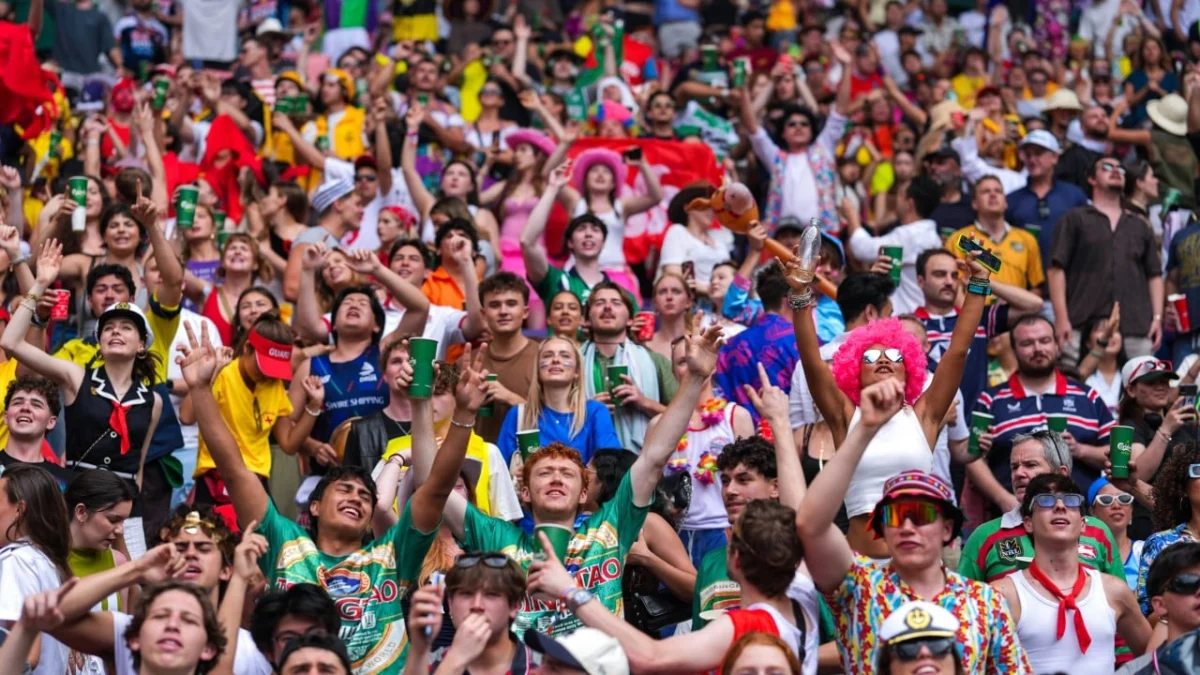
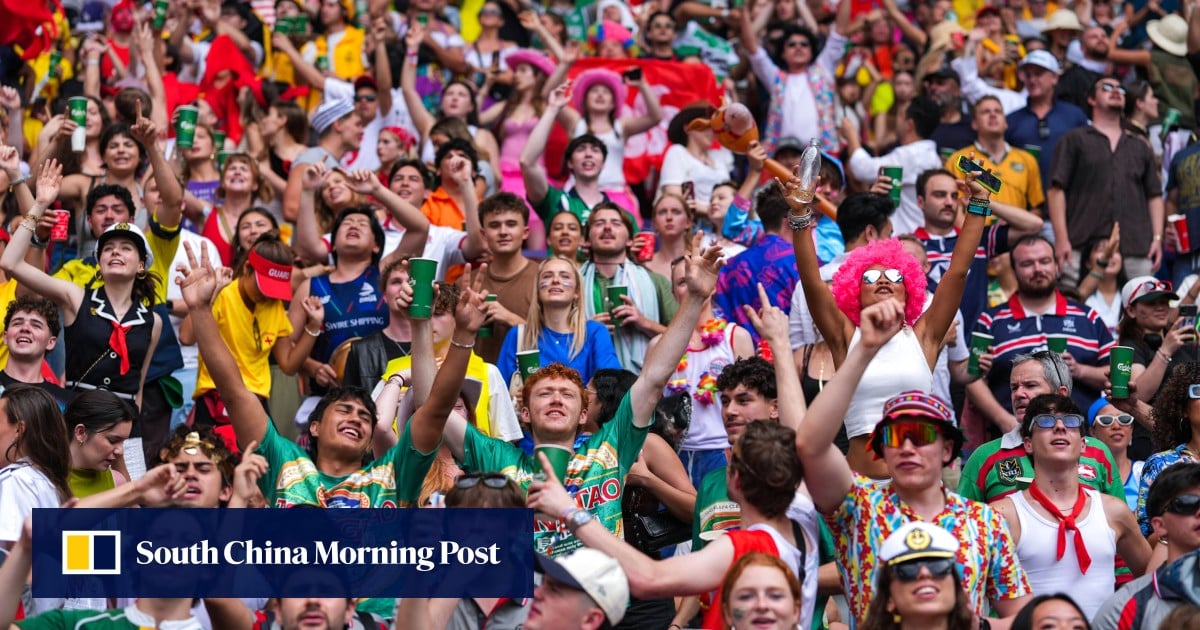
The Hong Kong Sevens reached a crescendo of excitement on Sunday, transforming Kai Tak Stadium into a kaleidoscope of colour and sound as costumed rugby enthusiasts packed the stands. While the electric atmosphere and the 50th-anniversary celebrations captivated attendees, some local restaurateurs voiced concerns over disappointing revenue, attributing the downturn to increased competition and a potential shift in consumer spending patterns.
The tournament, a highlight of Hong Kong’s sporting and social calendar, concluded its two-day run with a palpable buzz. Super Sunday saw a vibrant spectacle unfold, particularly in the iconic South Stand, where a sea of fans, many adorned in elaborate and imaginative costumes, created an unforgettable visual feast. For many, this edition marked their inaugural experience of the Sevens, adding a layer of fresh enthusiasm to the venerable event.
Among the enthusiastic newcomers was Denise Teo, a 29-year-old content creator from Singapore. Her meticulously crafted "dim sum table" costume, a whimsical homage to Hong Kong’s rich culinary heritage, drew considerable attention. Constructed from cardboard and styrofoam, the ensemble featured realistic miniature replicas of iconic dim sum dishes, designed to evoke the authentic charm of a traditional Hong Kong feast.
"All of these are very iconic dishes and food that we love in Hong Kong," Teo remarked, highlighting her deep admiration for the city’s distinctive dining establishments. Her wearable tribute was a testament to the cultural resonance of Hong Kong’s food scene. This marked Teo’s first encounter with the sport of rugby. "It’s very good, very exciting. It’s my first time watching rugby. I’ve never seen it before. It’s been very fun," she shared, a sentiment echoed by many first-time attendees. Teo was in Hong Kong for a four-day trip, combining her Sevens experience with general sightseeing.
Another first-timer, Sam Keenes, a 35-year-old banker who relocated to Hong Kong from the UK in February, embraced the spirit of the event with a costume inspired by the popular video game "Mario Kart," portraying Toad. His presence underscored the international appeal of the Hong Kong Sevens, drawing in new expatriate residents eager to immerse themselves in local cultural events.
A Legacy of Spectacle and Community
The Hong Kong Sevens boasts a storied history, dating back to 1976. It has evolved from a modest regional tournament into a globally recognized premier event on the HSBC World Rugby Sevens Series circuit. Over the decades, it has become synonymous with high-octane rugby, a carnival-like atmosphere, and a unique blend of sporting excellence and social revelry. The tournament’s ability to attract top international teams and a diverse global fanbase has cemented its status as a cornerstone of Hong Kong’s tourism and events landscape.
The 50th-anniversary edition was particularly significant, carrying the weight of half a century of tradition. The event has consistently drawn crowds exceeding 100,000 over its three days, showcasing a blend of elite athletic competition and a vibrant fan culture that is arguably unparalleled in the sport. This year’s attendance figures are expected to be released by organizers, providing a key metric for the event’s success in its golden jubilee.
Economic Undercurrents Amidst Festive Cheer
While the visual spectacle and sporting drama unfolded at Kai Tak Stadium, a different narrative emerged from some of the surrounding hospitality businesses. Several restaurants in the vicinity reported that their takings on Sunday did not reach the levels seen during the previous year’s tournament. This sentiment, though not universal, suggests a potential economic ripple effect within the local business community.
The primary reason cited for the perceived dip in revenue was the increased number of new eateries and bars that have opened in the areas surrounding the stadium. This influx of new establishments is believed to have fragmented the customer base, leading to a dilution of profits for established businesses. "We saw plenty of people, but it felt like the spending was spread thinner this year," commented one restaurant manager who preferred to remain anonymous. "It’s great for the city to have more options, but for us, it means we have to work harder to attract and retain customers, especially during peak events like the Sevens."
The Hong Kong government has consistently identified major sporting events like the Sevens as crucial drivers of tourism and economic activity. The event typically injects significant revenue into the local economy through accommodation, dining, transportation, and retail. However, the reported experiences of some businesses highlight the complexities of economic impact, where increased competition can offset the benefits of a larger overall influx of visitors.
Supporting Data and Industry Trends
While specific financial data from individual businesses is proprietary, broader economic indicators can offer context. Hong Kong’s tourism sector has been on a recovery trajectory following a prolonged period of disruption. In 2023, the city welcomed over 34 million visitors, a substantial increase from previous years, signaling a rebound in international travel. Major events are key to sustaining this momentum.
The food and beverage industry in Hong Kong is highly competitive, with a constant churn of new openings and closures. Data from industry associations often indicates growth in the number of licensed premises, suggesting that the restaurateurs’ observations about increased competition are likely grounded in observable market trends. Furthermore, consumer spending habits can shift, with visitors potentially prioritizing experiences or specific types of establishments, which can impact revenue streams for different types of businesses.
Official Perspectives and Future Outlook
Organizers of the Hong Kong Sevens and relevant tourism bodies typically highlight the overall economic benefits and the positive global exposure generated by the event. While acknowledging any localized challenges faced by businesses, the overarching narrative often focuses on the successful execution of a world-class event that attracts international attention and investment.
A spokesperson for the Hong Kong Rugby Union, the organizing body, might emphasize the record ticket sales, the quality of the sporting competition, and the overall positive experience for attendees. They might also point to the broader economic benefits, such as job creation and the boost to Hong Kong’s image as a vibrant global city.
The Hong Kong Tourism Board (HKTB) plays a pivotal role in promoting such events. Their focus would likely be on the international media coverage, the positive sentiment generated among visitors, and the contribution of the Sevens to Hong Kong’s appeal as a destination for major events and leisure. The HKTB may also be involved in initiatives to support local businesses in capitalizing on major events, though specific details of such programs are often internal.
Analysis of Implications
The reported disparity between the festive atmosphere and the reported revenue challenges for some restaurants presents a nuanced picture of the economic impact of large-scale events. While the Hong Kong Sevens undoubtedly brings a significant number of people to the city, and contributes to the overall economy, it is crucial to understand how these benefits are distributed.
The increased competition cited by restaurateurs suggests a need for businesses to adapt and innovate. This could involve developing specialized event-day promotions, enhancing customer service, or diversifying their offerings to appeal to a broader range of patrons. For the city, it highlights the importance of strategic urban planning that considers the impact of major events on local infrastructure and businesses, ensuring that the benefits are as widely shared as possible.
Furthermore, the insights from first-time attendees like Denise Teo and Sam Keenes underscore the ongoing appeal of the Sevens as a cultural and social experience, not just a sporting one. This diverse appeal is a significant asset for Hong Kong, attracting a wide array of visitors with different interests. As the city continues to rebuild its tourism and events sector, understanding these varied economic and social dynamics will be crucial for sustained success. The 50th anniversary of the Hong Kong Sevens serves as a valuable moment to reflect on its enduring legacy and to strategically plan for its future, ensuring it continues to be a celebrated event that benefits the city and its people.