Hong Kong is ageing, but the real question is where people age
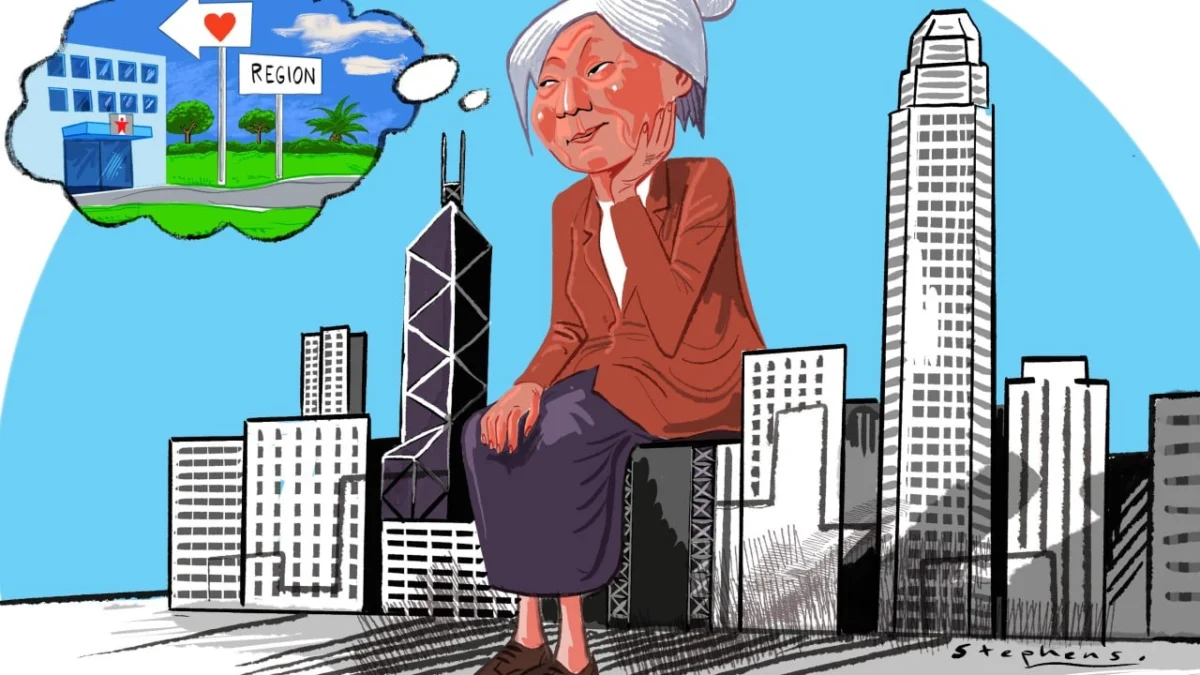
The city’s rapid ageing need not turn into a crisis as long as it can look beyond its borders and tap into regional healthcare systems. The growing concerns surrounding Hong Kong’s rapidly ageing population have become a persistent and increasingly urgent topic of discussion in recent years. This demographic shift, characterized by longer hospital waiting times, chronic shortages in long-term care facilities, and a shrinking working-age population, has led many policymakers, researchers, and public health officials to portray ageing as an impending demographic crisis that the city, with its limited land area and high population density, may struggle to absorb. These dire predictions often highlight the potential strain on the sustainability of Hong Kong’s healthcare and social care systems, painting a picture of a system on the brink of being overwhelmed. However, this perspective, while highlighting critical challenges, often reflects a narrow view of the problem, primarily focusing on internal solutions rather than considering broader regional strategies.
A Deeper Look at Hong Kong’s Demographic Shift
Hong Kong’s demographic trajectory is marked by a significant increase in its elderly population. According to the Census and Statistics Department, the proportion of residents aged 65 and over is projected to rise from approximately 17% in 2021 to over 30% by 2035. This rapid increase is a direct consequence of declining fertility rates and increasing life expectancy, a common trend in many developed economies. The sustained rise in life expectancy, a testament to improved healthcare and living standards, means that individuals are living longer, healthier lives. Concurrently, birth rates have fallen below replacement levels, leading to a smaller proportion of younger individuals entering the workforce and supporting the growing elderly cohort. This demographic imbalance creates a dual pressure: an escalating demand for healthcare and social support services for the elderly, and a diminishing workforce available to provide these services and contribute to the tax base.
The economic implications are substantial. A smaller working-age population implies a reduced tax revenue base, potentially impacting government funding for public services, including healthcare and elderly care. Furthermore, a greater proportion of the population reliant on pensions and social welfare could place a significant burden on public finances. The strain on the healthcare system is particularly pronounced. As individuals age, they are more prone to chronic diseases and require more frequent medical attention. This increases the demand for doctors, nurses, hospital beds, and long-term care facilities. The current infrastructure and staffing levels, already stretched, face the prospect of being outstripped by this rising demand. The potential for long waiting lists for specialist appointments, elective surgeries, and admission to residential care homes poses a significant challenge to the quality and accessibility of care.
Historical Context and Evolving Policies
The discourse around Hong Kong’s ageing population is not new. Over the past two decades, successive governments have acknowledged the demographic shift and introduced various policies to address it. Initial efforts focused on enhancing healthcare services for the elderly within the city, including the expansion of elderly health care vouchers and the development of community-based care services. These initiatives aimed to provide more accessible and affordable healthcare options, encouraging preventative care and supporting independent living for as long as possible.
The introduction of the Elderly Health Care Voucher Scheme in 2008 was a significant step, allowing eligible individuals aged 65 and above to receive subsidized services from private healthcare providers. This aimed to ease the burden on public hospitals and clinics while offering greater choice to seniors. However, the effectiveness and reach of these vouchers have been subjects of ongoing evaluation, with discussions around increasing the subsidy amount and expanding the network of participating service providers.
More recently, policy discussions have begun to extend beyond Hong Kong’s borders, recognizing the limitations of a purely insular approach. The development of the Greater Bay Area (GBA) has opened new avenues for collaboration and resource sharing. Initiatives such as extending the use of elderly healthcare vouchers to designated medical institutions in the GBA and promoting cross-boundary nursing home placements through schemes like the Residential Care Services Scheme in Guangdong represent a nascent shift towards a more regional perspective. These programs, while still in their early stages, signal a recognition that Hong Kong cannot solely rely on its internal capacity to manage the complexities of an ageing population.
Data Supporting the Trend:
- Population aged 65 and above as a percentage of the total population:
- 2021: Approximately 17%
- Projected 2035: Over 30%
- Projected annual growth rate of the elderly population: Expected to accelerate in the coming decade.
- Healthcare expenditure per capita: Rising steadily, driven by an increasing demand for medical services from an older demographic.
- Average length of stay in public hospitals: While efforts are made to reduce it, the demand for inpatient care from chronic conditions often extends these stays.
- Waiting times for specialist outpatient clinics: Can range from several weeks to months for non-urgent cases, a figure that is expected to increase if capacity does not expand commensurately with demand.
- Number of residential care home places: Demand consistently outstrips supply, leading to waiting lists that can extend for years.
The Limitations of a Hong Kong-Centric Approach
Much of the current debate and policy formulation concerning Hong Kong’s ageing population tends to operate under the assumption that solutions must be found exclusively within the city’s geographical and administrative boundaries. This perspective, often characterized as a "Hong Kong-centric" approach, leads to a perception that the city’s limited resources and space are inherently insufficient to cope with the escalating demands of a rapidly ageing populace. When viewed through this insular lens, the rising demand for healthcare and social support services appears destined to overwhelm local capacity, potentially leading to a full-blown crisis. This narrow focus can foster a sense of inevitability regarding the negative consequences of ageing, such as chronic understaffing, overburdened facilities, and a decline in the quality of care.
However, this self-contained view overlooks the potential benefits of embracing a more expansive, metropolitan perspective, particularly in light of Hong Kong’s unique position within the Greater Bay Area. The GBA, a dynamic economic and urban cluster encompassing Hong Kong, Macau, and nine major cities in Guangdong province, presents an unparalleled opportunity for regional integration and resource optimization. This region boasts a combined population of over 86 million people and a diverse range of healthcare and social service providers, offering a significant pool of expertise, infrastructure, and potential capacity that could be leveraged to address Hong Kong’s demographic challenges.
The conceptual leap required is to move beyond treating regional initiatives as mere supplementary measures to an otherwise self-contained system. Instead, these cross-boundary collaborations should be viewed as integral components of a fundamentally metropolitan approach to health and social care. This entails a strategic re-evaluation of how Hong Kong engages with its neighboring cities in the GBA, not just as destinations for its elderly residents, but as partners in a comprehensive, integrated healthcare ecosystem.
A Metropolitan Vision for Elderly Care
The argument for a metropolitan approach to ageing is compelling, especially when contrasted with policy frameworks in other domains. In areas such as innovation, finance, and talent acquisition, Hong Kong is increasingly understood and positioned as a pivotal city within the Greater Bay Area. Policymaking in these sectors actively embraces the concept of regional synergy, recognizing that Hong Kong’s strengths can be amplified and its challenges mitigated through deeper integration with its neighbors. This forward-thinking approach has facilitated the free flow of capital, talent, and ideas across the GBA, fostering a more dynamic and competitive regional economy.
This conceptual paradigm shift, however, has yet to be fully realized in the realm of health and social care. While the government has taken steps to facilitate cross-boundary services, these initiatives are often framed as extensions or supplements rather than foundational elements of a broader regional strategy. To truly address the complexities of an ageing population, Hong Kong needs to adopt a similar metropolitan mindset for its health and social care systems. This involves moving beyond a model where elderly residents primarily receive care within Hong Kong, and instead developing a framework where care can be accessed seamlessly across the GBA, drawing on the strengths and capacities of the entire region.

Such an approach would involve several key strategies:
- Harmonization of Standards and Regulations: To facilitate seamless cross-boundary care, there needs to be greater alignment of healthcare standards, licensing requirements, and regulatory frameworks across the GBA. This would ensure that medical facilities and care providers in Guangdong meet the quality expectations of Hong Kong residents, and vice versa.
- Enhanced Information Sharing and Digital Integration: A robust digital infrastructure is essential for sharing patient records, facilitating referrals, and coordinating care between Hong Kong and GBA medical institutions. This would require significant investment in interoperable health information systems and data privacy protocols.
- Development of Specialized Cross-Boundary Care Models: Beyond general healthcare, there is a need to develop specialized models for long-term care, palliative care, and rehabilitation services that can be provided across the GBA. This could include dedicated cross-border nursing homes, rehabilitation centers, and home-care networks.
- Financial and Insurance Integration: To make cross-boundary care financially viable for residents, Hong Kong’s healthcare funding mechanisms, including insurance policies and subsidy schemes, need to be adapted to cover services provided in the GBA. This could involve expanding the scope of existing healthcare vouchers or introducing new insurance products tailored for cross-border care.
- Talent Mobility and Training: Encouraging the mobility of healthcare professionals and developing joint training programs across the GBA can help address staffing shortages and ensure a consistent standard of care. This could involve recognizing qualifications and facilitating the exchange of medical personnel.
The Potential Benefits of a Regional Approach
Embracing a metropolitan approach to ageing offers several significant advantages for Hong Kong:
- Increased Capacity and Reduced Waiting Times: By tapping into the healthcare and social care infrastructure of the GBA, Hong Kong can significantly expand its capacity to care for its aging population. This can lead to reduced waiting times for medical appointments, hospital admissions, and long-term care placements, thereby improving the quality of life for seniors.
- Greater Choice and Affordability: Residents would have access to a wider range of care options, potentially at more affordable prices, than what is available within Hong Kong alone. This could include specialized medical treatments, comfortable residential care facilities, and diverse rehabilitation programs.
- Economic Opportunities: A more integrated regional healthcare system can create new economic opportunities for both Hong Kong and GBA service providers. This could foster innovation in healthcare delivery, the development of new technologies, and the growth of the elder care industry across the region.
- Enhanced Resilience: A diversified network of care providers across the GBA would make Hong Kong’s elderly care system more resilient to localized disruptions, such as public health emergencies or infrastructure challenges.
- Strategic Positioning: By leading the charge in developing a metropolitan approach to ageing, Hong Kong can further solidify its role as a regional hub and an innovator in addressing complex demographic challenges. This could attract investment and talent in the elder care sector, positioning the city as a leader in gerontology and aged care services.
Challenges and the Path Forward
The transition to a metropolitan approach is not without its challenges. Significant investment in infrastructure, technology, and regulatory harmonization will be required. Building trust between Hong Kong residents and GBA service providers, as well as ensuring consistent quality of care, will be paramount. Furthermore, public perception and acceptance of cross-boundary care will need to be actively cultivated.
The government’s existing initiatives, while valuable, represent only the initial steps. A more ambitious and strategic vision is needed, one that fully embraces the potential of the Greater Bay Area as an integrated healthcare ecosystem. This requires a sustained commitment to policy reform, inter-governmental cooperation, and public-private partnerships. By looking beyond its borders and strategically leveraging the resources and capabilities of the GBA, Hong Kong can transform the challenge of an ageing population from an impending crisis into an opportunity for regional collaboration and innovative solutions, ensuring that its elderly citizens can age with dignity, access to quality care, and a high standard of living. The future of Hong Kong’s elderly care lies not just within its own shores, but in the collaborative potential of its surrounding region.