Trump Administration Mandates Banks to Collect Citizenship and Immigration Status Data from Customers
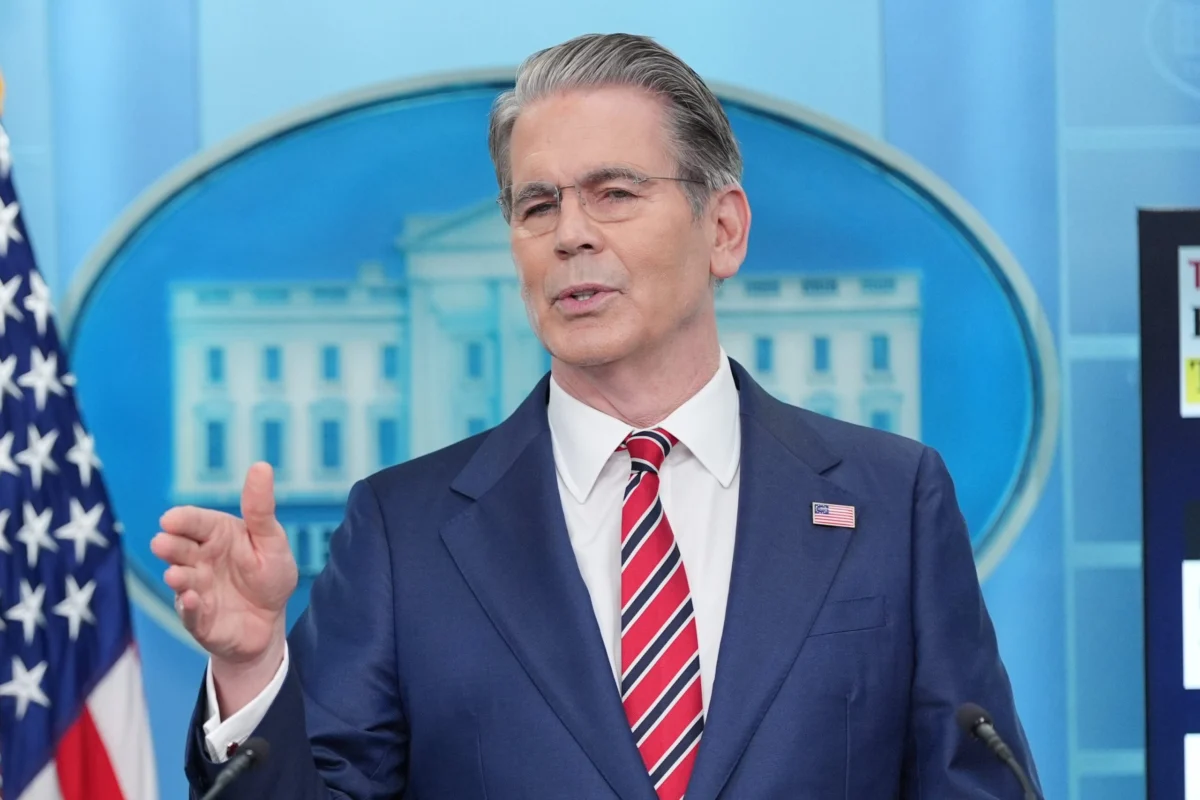
The Donald Trump administration has officially signaled its intent to implement a sweeping mandate requiring U.S. banks to collect citizenship or immigration status data from their customers. This initiative, aligned with a broader pattern of measures favoring increased information sharing with U.S. Immigration and Customs Enforcement (ICE), would compel financial institutions to verify the legal status of their clientele. Scott Bessent, Secretary of the Treasury under the Trump administration, recently disclosed this policy, as reported by CNBC. If enacted, this directive would expose the personal information of millions of migrants within the U.S. banking system.
Genesis of the Policy and Official Rationale
The proposed executive order, currently under development, aims to mandate that banks solicit additional documentation from their customers. Under this new procedure, financial entities would be obligated to verify whether a client is a U.S. citizen, a lawful permanent resident, or possesses any valid permit to reside in the United States. Secretary Bessent articulated the federal government’s justification for this measure, asserting that understanding the legal status of clients is paramount to adhering to Know Your Customer (KYC) regulations. These regulations, established to combat money laundering and other financial crimes, are a cornerstone of global financial security protocols. Bessent further contended that other nations have adopted comparable measures and implied that undocumented immigrants should not be integrated into the U.S. banking system.
The administration’s rationale is rooted in a dual objective: enhancing national security and bolstering the integrity of the financial system. By collecting this data, the government aims to create a more comprehensive picture of individuals operating within the U.S. economy, theoretically making it more difficult for those without legal status to engage in illicit financial activities or exploit the system. The emphasis on KYC compliance suggests a belief that a clearer understanding of customer demographics, including their legal standing, is essential for effective risk management and regulatory oversight.
Background and Precedents
This proposed mandate is not an isolated development but appears to be part of a larger strategic effort by the Trump administration to tighten immigration enforcement and control. Throughout its term, the administration pursued a series of policies aimed at restricting both legal and illegal immigration, including increased deportations, stricter asylum rules, and enhanced border security. The integration of financial institutions into this enforcement apparatus represents an escalation, leveraging the ubiquity of banking services to gather intelligence and potentially identify individuals for immigration enforcement actions.
Historically, U.S. banks have been subject to various reporting requirements, particularly concerning suspicious financial activities and anti-money laundering efforts. However, the explicit collection of citizenship and immigration status for all customers, with the stated intent of facilitating immigration enforcement, marks a significant departure from previous practices. While banks have long been required to collect identifying information, the scope and purpose of this proposed data collection are unprecedented. The administration’s argument that other countries have implemented similar measures, while potentially true in specific contexts, overlooks the unique complexities and societal implications within the United States’ diverse population and its established financial infrastructure.
Timeline and Development
The revelation of this policy by CNBC, citing Secretary Bessent, suggests that the executive order is in its advanced stages of formulation. The Wall Street Journal had previously reported on the administration’s contemplation of such a rule, indicating that the original proposal envisioned its application not only to new account openings but also to existing customers. This implies a potential need for banks to re-verify the status of their entire customer base, a logistical undertaking of considerable magnitude.
The process leading to this announcement likely involved inter-agency discussions, legal reviews, and consultations with financial industry stakeholders, albeit with varying degrees of success in achieving consensus. The timing of such a significant policy shift, especially if nearing formal issuance, often reflects strategic considerations by the administration.
Potential Impact and Concerns
The implications of this mandate are far-reaching and have ignited significant debate. Critics argue that the policy could lead to the exclusion of millions of immigrants without legal status from the formal financial system. This exclusion would necessitate reliance on cash transactions, thereby hindering their ability to pay taxes, build credit, and participate fully in the economy. Economists suggest that such a widespread shift to cash could have detrimental effects on economic growth, reduce tax revenues, and increase the prevalence of informal and potentially untaxed economic activities.
Furthermore, the logistical and financial burdens placed upon banks are substantial. According to reports, the implementation of this verification requirement could incur additional costs ranging from $2.6 billion to $5.6 billion for financial institutions. This estimate accounts for the personnel, technology, and administrative resources needed to process and verify the documentation of millions of customers. Beyond financial costs, the sheer volume of the task raises concerns about the time and effort required, potentially diverting resources from other critical banking operations and customer service functions.
Opposition and Criticisms
The proposed policy has encountered robust opposition from various quarters. Civil liberties advocates and immigrant rights organizations have decried the measure as discriminatory and a violation of privacy. They express concerns that the collection of such sensitive data could lead to its misuse, potentially fueling profiling and harassment of immigrant communities. The potential for data breaches or unauthorized access further exacerbates these anxieties.
From a practical standpoint, many in the banking industry have voiced concerns about the feasibility and effectiveness of such a mandate. Questions have been raised about the reliability of certain forms of documentation and the potential for fraud. The sheer scale of verifying the status of millions of individuals, many of whom may possess a complex array of immigration documents or have recently arrived, presents a significant operational challenge. Some analysts suggest that the administrative complexity could outweigh the intended benefits, creating more problems than it solves.
Economists have also weighed in, highlighting the potential for economic disruption. By pushing individuals out of the formal banking system, the policy could inadvertently foster a larger shadow economy, making it harder to track financial flows and potentially increasing the risk of underground financial activities. The argument that immigrants without legal status should not be in the banking system is countered by the reality that many rely on bank accounts for essential services, including receiving wages and managing remittances, and that their participation contributes to economic stability.
Broader Implications and Analysis
The Trump administration’s push to leverage banks for immigration enforcement reflects a broader trend of securitizing various aspects of daily life. By integrating financial institutions into the immigration apparatus, the government seeks to expand its surveillance capabilities and create additional deterrents to undocumented immigration. This approach raises fundamental questions about the role of private entities in government enforcement activities and the potential for unintended consequences on civil liberties and economic stability.
The administration’s assertion that this aligns with international practices needs careful scrutiny. While many countries have robust anti-money laundering and customer identification protocols, the specific mandate to collect citizenship and immigration status for enforcement purposes may not have direct parallels in terms of scope and intent. The U.S. banking system, with its vast reach and the diverse population it serves, presents unique challenges.
The debate also touches upon the very definition of who is a full participant in the American economy. While legal status is a critical factor, excluding a significant segment of the population from basic financial services can have cascading negative effects. It can create barriers to employment, housing, and education, further marginalizing vulnerable communities and potentially leading to increased social costs in the long run.
Regulatory Enforcement and Future Outlook
Despite the significant concerns raised, Secretary Bessent’s statement that banks are obligated to comply if the Treasury Department issues such an order underscores the administration’s determination. The power of the Treasury Department to issue such regulations, particularly through executive orders, is substantial. However, the path forward is likely to involve continued debate, potential legal challenges, and ongoing negotiations with the financial industry.
The ultimate implementation of this mandate will depend on a complex interplay of political will, legal challenges, and the capacity of the banking sector to adapt. The administration’s stated goal of combating illicit financial activities through enhanced customer data collection is a legitimate concern, but the proposed method of achieving this goal raises profound questions about privacy, inclusion, and the economic implications for millions of individuals and the nation as a whole. The coming months will likely reveal more about the administration’s resolve and the banking industry’s response to this potentially transformative policy.

Related Posts

The Electric Vehicle Battery Health Debate Emerges as Argentina’s EV Market Accelerates

President Donald Trump Confirms Secret Departure from Turkey Amidst Assassination Threat