France and UK to co-host talks on securing Strait of Hormuz
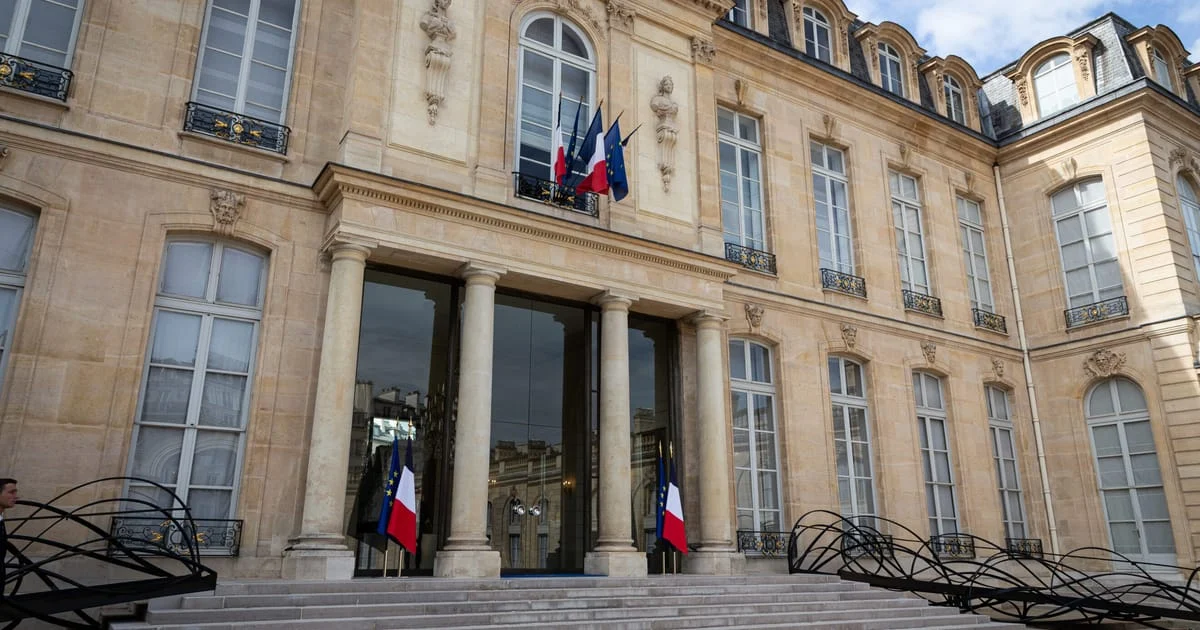
The strategic waters of the Strait of Hormuz, a narrow maritime chokepoint through which approximately 20 to 30 percent of the world’s total oil consumption flows, have once again become the focal point of international security concerns. In a significant diplomatic maneuver, France and the United Kingdom have announced their intention to co-host a high-level summit dedicated to establishing a maritime security framework for the region. This initiative seeks to ensure the free flow of energy supplies and prevent the escalation of hostilities in the event of a regional conflict, a move that underscores the growing anxiety among Western powers regarding the volatility of Middle Eastern transit corridors.
The upcoming talks are designed to assemble a coalition of stakeholders, including regional partners and international naval powers, to coordinate responses to potential maritime threats. These threats range from state-sponsored ship seizures to the potential use of naval mines and drone swarms in the vital waterway that connects the Persian Gulf to the Gulf of Oman.
The Strategic Importance of the Strait
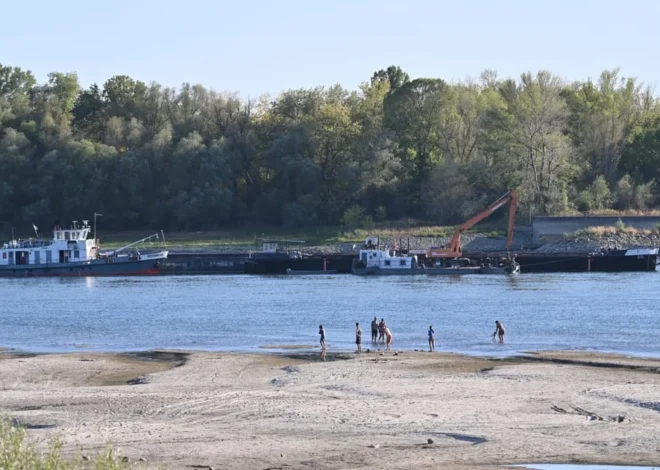
The Strait of Hormuz is arguably the world’s most important "oil choke point." According to data from the U.S. Energy Information Administration (EIA), the daily transit of crude oil and petroleum liquids through the strait averaged roughly 21 million barrels per day in recent years. Any disruption to this flow—whether by military blockade, cyber-attack on navigational infrastructure, or geopolitical posturing—carries the risk of an immediate and drastic spike in global energy prices, threatening economic stability in Europe and Asia.

For France and the UK, the motivation behind this summit is rooted in a proactive desire to mitigate the fallout of a potential conflict. By establishing a formalized dialogue now, the two nations hope to create a "security architecture" that can be rapidly activated. This would involve real-time intelligence sharing, the coordination of naval escorts for merchant vessels, and a unified diplomatic channel to engage with regional actors, particularly Iran, whose influence over the strait is absolute.
A Chronology of Escalation
The impetus for this co-hosted summit did not emerge in a vacuum. The security environment in the Persian Gulf has been characterized by a cycle of friction for decades.
In 2019, the region experienced a series of tanker attacks and the seizure of the British-flagged Stena Impero by Iranian forces, which led to the formation of the International Maritime Security Construct (IMSC), a US-led coalition. However, as the geopolitical landscape shifted—marked by the cooling of regional tensions in some sectors and the deepening of others—the need for a renewed, European-led diplomatic effort became apparent.
Throughout early 2026, analysts noted a hardening of positions regarding transit rights. The current initiative follows months of behind-the-scenes diplomatic efforts by Paris and London to ensure that the security of international waters remains a priority regardless of the broader regional security situation. The decision to formalize these talks suggests that the UK and France are moving away from purely reactive measures toward a more permanent, proactive presence in the maritime domain.

Implications for European Foreign Policy
The decision by France and the UK to lead this initiative signals a shift in the distribution of security responsibilities. With the United States increasingly pivoting its focus toward the Indo-Pacific, European powers are finding it necessary to take a more muscular role in safeguarding their own energy lifelines.
"The security of the Strait of Hormuz is not merely a regional issue; it is a fundamental pillar of global economic security," stated a diplomatic source familiar with the planning of the summit. "France and the UK, as long-standing maritime powers with deep historical and strategic interests in the region, are uniquely positioned to act as honest brokers."
The implications are twofold. First, the move demonstrates the endurance of the UK-France defense relationship, which remains robust despite the complexities of the post-Brexit era. Second, it serves as a signal to other European Union members that they must be prepared to contribute more significantly to maritime security operations, potentially through the European Maritime Awareness in the Strait of Hormuz (EMASOH) mission, which is based in the UAE.
Economic and Security Analysis
Economic experts warn that the global economy is ill-equipped to handle a sustained closure of the strait. A total shutdown would force a significant reliance on the limited number of alternative pipelines, such as the East-West Pipeline in Saudi Arabia or the Habshan-Fujairah pipeline in the UAE, neither of which has the capacity to replace the volume currently moving through the strait.

From a military perspective, the challenge is asymmetric. The threat posed by fast-attack craft and anti-ship cruise missiles requires a high-density, multi-layered air and sea defense. The talks will likely focus on:
- Integrated Maritime Domain Awareness: Improving the ability to detect and track small, high-speed threats.
- Standardized Rules of Engagement: Ensuring that naval assets from different nations can operate cohesively under a unified command structure during an incident.
- Communication Protocols: Establishing "red lines" and open channels with regional navies to prevent accidental escalation due to miscalculation.
The Broader Context of Middle East Instability
The push for security in the Strait of Hormuz is occurring against a backdrop of wider regional tension. The French and British initiative is part of a larger diplomatic tapestry that includes the management of hostages, the normalization of relations with regional powers, and the delicate navigation of shifting political tides within France itself.
For instance, recent developments in French domestic politics, such as the efforts of leaders like Marine Le Pen to build bridges with the business community, reflect a broader trend of "mainstreaming" in French politics. While these developments appear disconnected from maritime security, they influence the stability and focus of the French government’s foreign policy agenda. A government that is internally unified is better positioned to project power abroad.
Furthermore, the recent release of French hostages in Iran, such as Cécile Kohler and Jacques Paris, provides a rare window of opportunity for diplomatic engagement. By leveraging these humanitarian successes, Paris and London are attempting to create a space where security dialogues can take place without being immediately derailed by the latest cycle of sanctions or political rhetoric.

Official Responses and Next Steps
While specific details regarding the venue and the invitee list remain confidential, officials in both Whitehall and the Quai d’Orsay have indicated that the summit will focus on inclusivity. The goal is to avoid the perception of a "Western bloc" against the region, instead framing the talks as a "cooperative effort for global commerce."
"We are inviting all stakeholders who have a vested interest in the stability of these waters," an official noted. This suggests that the organizers are hoping to include not just Western allies, but also regional states that rely on the strait for their own economic survival.
The success of the initiative will ultimately be measured by the willingness of participating nations to commit concrete naval assets and to adhere to a shared set of maritime protocols. As the global energy transition continues, the reliance on oil and gas from the Persian Gulf may eventually decline, but for the next decade at least, the Strait of Hormuz will remain the most critical artery of the global economy.
As the summit date approaches, the international community will be watching closely to see if this Anglo-French partnership can transform into a broader, more durable security mechanism. The challenge is immense, but the cost of inaction—a potential collapse in energy logistics—is a scenario that neither London nor Paris can afford to entertain. The coming months will likely see an intensification of naval exercises and diplomatic shuttle diplomacy as the two nations lay the groundwork for what they hope will be a new era of maritime stability in the Middle East.