Hong Kong Taxpayers Face Potential HK$28 Billion Bill from Defunct COVID-19 Loan Scheme Defaults
Hong Kong taxpayers are facing a potential financial burden of nearly HK$28 billion (US$3.57 billion) due to defaults on loans issued under a now-discontinued government-backed scheme, initially designed to provide a crucial lifeline to small and medium-sized enterprises (SMEs) during the COVID-19 pandemic. The Special 100% Loan Guarantee, a prominent component of the SME Financing Guarantee Scheme, has seen a significant number of its approved loans turn sour, raising concerns about the efficacy and long-term fiscal implications of such extensive government support.
Soaring Defaults Emerge from Pandemic Support Program
Official data, recently presented to legislators, reveals a stark reality for the Special 100% Loan Guarantee. Out of a total of 67,189 loan applications that were approved under this fully government-backed initiative, a substantial 13,231 had defaulted by the close of February. The cumulative value of these defaulted loans amounts to an eye-watering HK$27.8 billion. This translates to a default rate of approximately 19.3 per cent of the total value of loans disbursed through this specific guarantee.
Under the terms of the guarantee, the Hong Kong government acted as the ultimate guarantor, pledging to repay the full principal and interest amounts to the financial institutions that provided the loans. This arrangement was intended to encourage banks and other lenders to extend credit to businesses that might otherwise have been considered too risky, especially during the unprecedented economic disruption caused by the pandemic. However, the high default rate now means that the government, and by extension, Hong Kong taxpayers, are on the hook for a significant portion of these unrecovered debts.
A Government Response and Original Projections
Despite the concerning figures, the Commerce and Economic Development Bureau, which prepared the relevant documents for legislative review, has indicated that the current default rate is, in fact, lower than initially anticipated. The bureau noted that projections had originally placed the expected default rate at a higher figure of 25 per cent. This suggests that while the current situation is serious, it has not reached the worst-case scenario envisioned by policymakers at the scheme’s inception.
The Special 100% Loan Guarantee was a key feature of the broader SME Financing Guarantee Scheme, which was first introduced by the government in 2011. The overarching aim of this established scheme has been to facilitate access to financing for local small and medium-sized enterprises and other non-listed businesses, thereby fostering economic stability and growth. The 100% guarantee, however, represented a significant escalation in government risk, implemented as an emergency measure to combat the severe economic fallout from the COVID-19 pandemic.
The Genesis of the Special 100% Loan Guarantee
The COVID-19 pandemic unleashed a wave of economic uncertainty and hardship across Hong Kong, disproportionately affecting SMEs. Many businesses, particularly those in sectors like retail, hospitality, and tourism, faced severe liquidity crunches due to lockdowns, travel restrictions, and a sharp decline in consumer spending. To prevent widespread business failures and mass unemployment, the Hong Kong government launched a series of relief measures, with the Special 100% Loan Guarantee emerging as a critical component of its financial support strategy.
Launched with the intention of providing immediate and substantial financial relief, the scheme allowed eligible businesses to apply for loans with the full principal amount guaranteed by the government. This effectively removed a significant portion of the lending risk for financial institutions, making them more willing to lend to businesses facing immediate cash flow challenges. The scheme was designed to cover operating expenses, such as salaries, rent, and other essential costs, thereby helping businesses stay afloat during the turbulent period.
A Detailed Look at the Default Data
The HK$27.8 billion in defaulted loans represents a substantial sum that will likely need to be absorbed by public funds. To contextualize the scale of the problem, it is useful to examine the progression of loan approvals and defaults. The scheme, while a response to the pandemic, operated over a period where economic conditions fluctuated.
| Metric | Value |
|---|---|
| Total Loans Approved | 67,189 |
| Total Loan Value Approved | (Estimated) |
| Number of Defaults | 13,231 |
| Total Value of Defaults | HK$27.8 billion |
| Default Rate (by value) | ~19.3% |
Note: The total loan value approved is not explicitly stated in the provided text, but the value of defaults represents a significant portion of the total disbursed amounts.
The default rate of 19.3 per cent is a critical figure. While lower than the 25 per cent initially feared, it still represents a substantial loss. This rate is considerably higher than typical default rates for standard business loans, underscoring the extreme economic pressures faced by businesses during the pandemic and the inherent risks associated with a 100% government guarantee.
Broader Implications for Hong Kong’s Fiscal Health
The potential HK$28 billion liability has significant implications for Hong Kong’s public finances. While the government has substantial reserves, a payout of this magnitude could strain its resources and necessitate adjustments in future spending or revenue generation. It also raises questions about the long-term sustainability of such large-scale, high-risk guarantee schemes.
Analysis of the Default Rate
The 19.3 per cent default rate can be attributed to several factors:
- Severity of Economic Shock: The pandemic’s impact on certain sectors was profound and prolonged, leading to bankruptcies and business closures that were beyond the scope of loan assistance.
- Moral Hazard: The existence of a 100% guarantee might have inadvertently encouraged some businesses to take on loans they would not have otherwise, potentially with less stringent repayment planning. Similarly, lenders might have exercised less due diligence than they would have in a non-guaranteed lending scenario.
- Loan Purpose and Repayment Capacity: While the loans were intended to cover operating expenses, the prolonged economic downturn meant that many businesses struggled to generate sufficient revenue to repay these new debts, even after receiving the initial support.
- Effectiveness of Government Oversight: Post-loan monitoring and intervention strategies play a crucial role in mitigating defaults. The effectiveness of these measures in the context of such a large and rapidly deployed scheme would be a key area of scrutiny.
The Role of HKMC Insurance
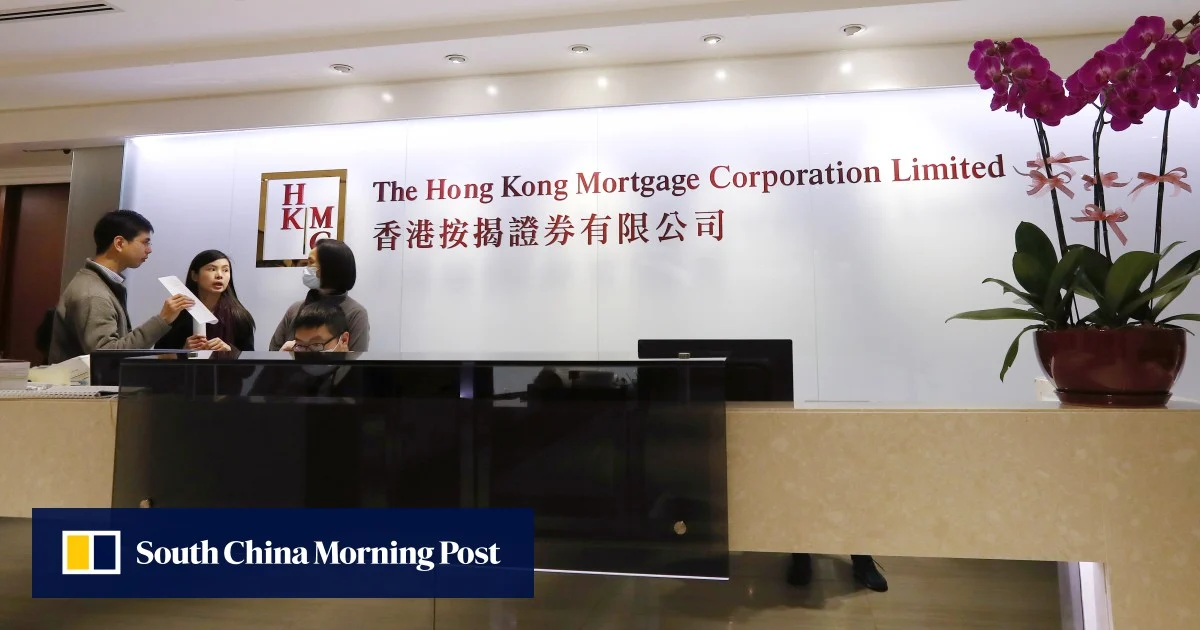
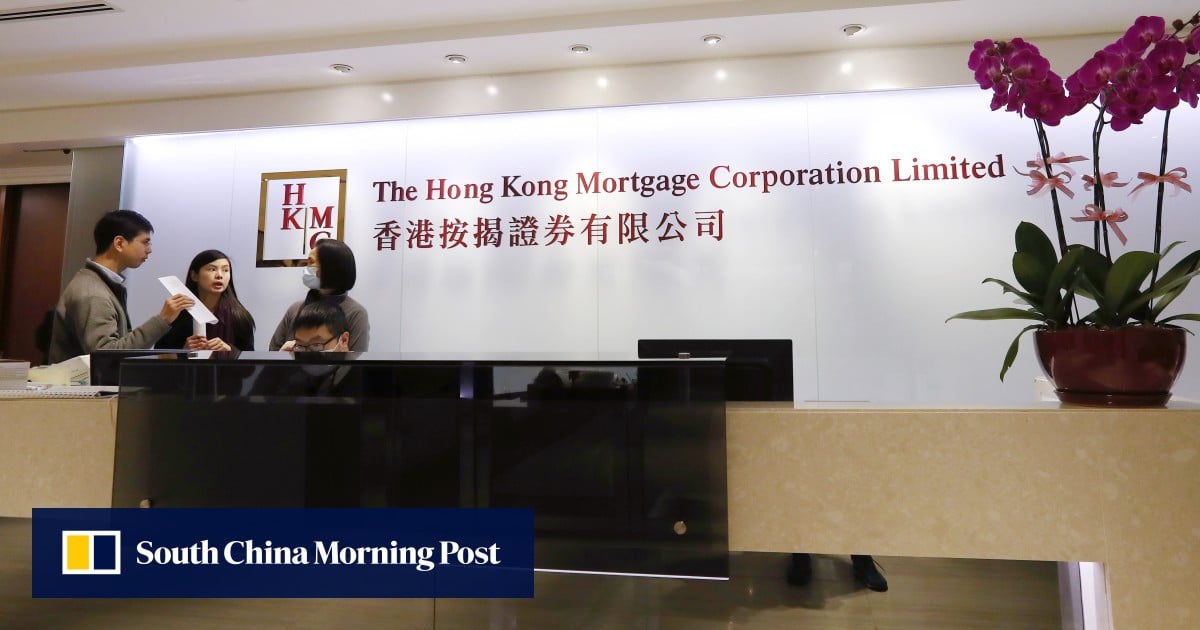
The SME Financing Guarantee Scheme, including its Special 100% Loan Guarantee component, is managed by HKMC Insurance Limited, a wholly-owned subsidiary of the government-owned Hong Kong Mortgage Corporation. This organizational structure ensures direct government oversight and accountability for the scheme’s operations and financial outcomes. The performance of HKMC Insurance in administering these guarantees and managing the recovery of defaulted loans will be crucial in determining the ultimate cost to taxpayers.
Potential Scenarios and Future Considerations
The HK$27.8 billion represents the current outstanding debt on defaulted loans. The actual cost to taxpayers will depend on the government’s ability to recover any assets from the defaulting businesses or to pursue legal avenues for debt recovery. This process can be lengthy and may not always yield full recovery.
Government’s Perspective and Risk Management
The government’s acknowledgement that the default rate is below the 25 per cent forecast suggests a degree of strategic foresight in their initial risk assessment. However, the substantial sum still at risk necessitates robust strategies for managing the fallout. This includes:
- Enhanced Recovery Efforts: Intensifying efforts to recover outstanding debts from defaulting companies through legal means and asset liquidation.
- Review of Guarantee Schemes: Conducting a thorough post-mortem analysis of the Special 100% Loan Guarantee to identify lessons learned regarding risk assessment, eligibility criteria, loan terms, and oversight mechanisms for future government support programs.
- Fiscal Planning: Integrating the potential liability into medium- to long-term fiscal planning to ensure adequate provision for debt repayment.
Impact on SMEs and the Business Environment
While the scheme aimed to support SMEs, the eventual cost to taxpayers could indirectly affect the business environment. If significant public funds are diverted to cover loan defaults, it could potentially lead to reduced government spending in other areas that support business development, such as innovation grants, infrastructure projects, or tax incentives.
The experience with the Special 100% Loan Guarantee highlights the delicate balance governments must strike between providing essential support during crises and managing the associated financial risks. The ongoing monitoring of this situation and the government’s strategies for mitigating the financial impact will be closely watched by businesses, financial institutions, and the public alike. The ultimate cost of this pandemic support measure will become clearer as recovery efforts progress and the fiscal accounts reflect the final liabilities.