WHO Reports Nine Paramedics Killed, Seven Wounded in Israeli Strikes on Southern Lebanon Healthcare Infrastructure Amidst Broader Regional Conflict
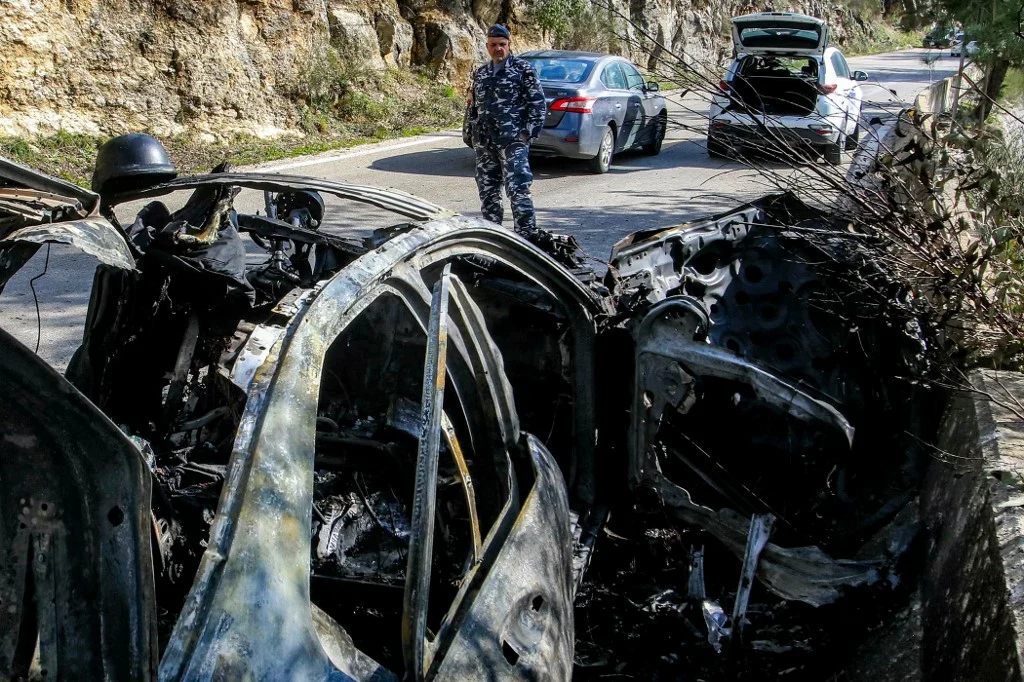
The World Health Organization (WHO) has issued an urgent report detailing a severe escalation of attacks on healthcare facilities and personnel in southern Lebanon, attributing these strikes to Israeli forces. According to Director-General Tedros Adhanom Ghebreyesus, nine paramedics have been killed and seven others wounded in five separate incidents targeting medical teams across multiple villages. This latest development, occurring on March 28, 2026, comes amidst a declared "War on Iran" which has significantly expanded regional hostilities, placing immense strain on already fragile services in Lebanon and threatening to further destabilize the wider Middle East.
The WHO’s findings paint a grim picture of a healthcare system under direct assault. The five distinct strikes not only resulted in direct casualties among frontline medical workers but have also severely crippled essential health infrastructure. Four hospitals and 51 primary healthcare centers in southern Lebanon have been forced to cease operations entirely, while numerous others are struggling to provide care at drastically reduced capacities. This systemic disruption affects hundreds of thousands of civilians, many of whom are already displaced or living in conflict-affected zones with limited access to basic necessities. Dr. Ghebreyesus underscored the critical importance of protecting healthcare in all circumstances, reiterating that such attacks are a grave violation of international humanitarian law and must cease immediately.
Escalating Regional Conflict and Lebanon’s Vulnerability
The current wave of attacks on Lebanese healthcare infrastructure cannot be understood in isolation. They are a direct consequence of the broader regional conflict, designated here as the "War on Iran," which has seen hostilities expand across multiple fronts. While specific details of the "War on Iran" are subject to ongoing reporting, its declared existence implies a significant intensification of long-standing geopolitical tensions, likely involving direct military engagements or intensified proxy conflicts. In this context, southern Lebanon has become a critical flashpoint, historically serving as a battleground for proxy forces, most notably Hezbollah, and a border region frequently subject to cross-border exchanges with Israel.
Lebanon’s healthcare system was already teetering on the brink of collapse long before the current regional conflagration. Decades of political instability, compounded by a severe economic crisis since 2019, had left hospitals underfunded, understaffed, and critically short of essential medicines and equipment. The devastating Beirut port explosion in August 2020 further crippled the nation’s medical capacity, destroying several key hospitals and medical supply warehouses. The emigration of skilled medical professionals in search of better opportunities abroad had also created significant staffing gaps. Against this backdrop, the current Israeli strikes represent not just an assault on infrastructure, but a profound exacerbation of a pre-existing humanitarian crisis, pushing the system past its breaking point. For many Lebanese, access to even basic medical care, once a challenge, is now an impossible luxury.
Timeline of Recent Aggression and Humanitarian Warnings
The March 28, 2026, WHO report follows a discernible pattern of escalating cross-border violence that has plagued southern Lebanon for months, intensifying significantly since the onset of the "War on Iran." While precise dates for the five specific strikes on paramedics are not detailed in the WHO statement, they are indicative of a sustained campaign targeting areas with high civilian presence and critical services.
- Early 2026: Reports from local Lebanese media and humanitarian organizations began to highlight an increase in drone strikes and artillery shelling across the Israel-Lebanon border, primarily in response to rocket fire from Lebanese territory, often attributed to Hezbollah. These initial exchanges largely focused on military targets but frequently resulted in collateral damage to civilian areas.
- February 2026: As the "War on Iran" escalated, the intensity and reach of Israeli operations into southern Lebanon reportedly expanded. Infrastructure, including roads, bridges, and communication networks, became more frequent targets, severely impeding humanitarian access and the movement of medical teams.
- Mid-March 2026: Eyewitness accounts and preliminary reports from NGOs indicated a troubling shift, with direct hits on or near medical facilities and ambulances becoming more common. These incidents often involved precision strikes, raising questions about targeting protocols and adherence to the principles of distinction and proportionality under international humanitarian law.
- March 28, 2026: The WHO formally announces its findings, consolidating data on the nine paramedic fatalities and seven injuries from five distinct attacks, highlighting the systematic nature of the targeting of healthcare workers and facilities. This comprehensive report serves as a stark warning about the rapidly deteriorating humanitarian situation.
Prior to this formal report, numerous humanitarian agencies, including Doctors Without Borders (MSF) and the International Committee of the Red Cross (ICRC), had issued intermittent warnings about the dire situation, documenting challenges in delivering aid and expressing grave concerns over the safety of their personnel. These organizations had repeatedly called for unimpeded access and the protection of medical infrastructure, emphasizing that healthcare facilities are sanctuaries that must be respected by all parties to a conflict.

International Law and the Protection of Healthcare
The targeting of healthcare workers and facilities is unequivocally prohibited under international humanitarian law (IHL), specifically the Geneva Conventions and their Additional Protocols. These foundational treaties stipulate that medical personnel, units, and transports must be respected and protected in all circumstances. They lose their protection only if they are used to commit "acts harmful to the enemy," and even then, a warning must be given and disregarded before any attack. The WHO Director-General’s statement directly invokes this principle, underscoring the severe legal implications of the reported incidents.
Attacks like those reported in southern Lebanon not only cause immediate casualties and destruction but also have a chilling effect on medical response efforts. Fear of being targeted prevents healthcare workers from performing their duties, deters civilians from seeking necessary medical attention, and ultimately undermines the entire fabric of public health in conflict zones. The repeated nature of these strikes, as highlighted by the WHO, suggests a potential pattern that warrants immediate and thorough investigation by independent international bodies to ascertain accountability. The international community’s failure to consistently uphold these protections risks eroding the very principles designed to mitigate suffering in warfare.
Reactions and Calls for Accountability
The WHO’s report has predictably elicited strong reactions from various international bodies and governments, though official responses from the implicated parties are yet to fully emerge.
- WHO and United Nations: Beyond Dr. Ghebreyesus’s initial statement, the WHO has reiterated its call for an immediate cessation of all attacks on healthcare. UN agencies, including OCHA and UNICEF, are expected to echo these condemnations, demanding unfettered humanitarian access to southern Lebanon and pushing for independent investigations into the reported violations. The UN Secretary-General’s Special Representative for Children and Armed Conflict will likely issue a statement on the broader impact on children and families.
- Lebanese Government: The Lebanese Ministry of Public Health is anticipated to release an official statement condemning the attacks as acts of aggression and violations of national sovereignty and international law. The Lebanese government, already struggling with internal crises, will likely appeal to the international community for urgent humanitarian aid, medical supplies, and political intervention to de-escalate the conflict and protect its citizens. They may also call for the UN Security Council to take decisive action.
- Israeli Government/Military: While official responses are pending, Israel’s military typically maintains that its operations are conducted in self-defense, targeting what it identifies as terrorist infrastructure and operatives. It often asserts that it takes precautions to avoid civilian casualties and adhere to international law, while accusing groups like Hezbollah of operating within civilian areas, thereby endangering them. Any Israeli statement on these specific incidents would likely emphasize that any civilian or healthcare-related casualties are unintended consequences of targeting legitimate military objectives or a result of militant groups using civilian shields.
- Humanitarian Organizations: Groups such as MSF, the ICRC, and Human Rights Watch are expected to amplify the WHO’s concerns, sharing their own field observations and reiterating calls for adherence to IHL. They will likely highlight the operational difficulties and the moral dilemma faced by aid workers in such dangerous environments.
- International Community: Key international actors, including the European Union and the United States, are expected to issue statements expressing concern over the escalation of hostilities and the humanitarian impact. While condemning attacks on civilians and healthcare, their responses may also be shaped by their broader geopolitical stances regarding the "War on Iran" and the complex dynamics of the region.
Broader Humanitarian and Geopolitical Implications
The reported attacks on southern Lebanon’s healthcare system carry profound humanitarian and geopolitical implications. On the humanitarian front, the destruction and closure of medical facilities mean that critical services, from emergency care for conflict-related injuries to routine vaccinations and chronic disease management, become largely unavailable. This will inevitably lead to increased morbidity and mortality rates among the civilian population, particularly for vulnerable groups such as children, the elderly, and those with pre-existing conditions. The breakdown of public health infrastructure also heightens the risk of infectious disease outbreaks, further compounding the crisis. Moreover, the psychological trauma inflicted on communities living under constant threat, coupled with the loss of essential services, will have lasting societal consequences.
Geopolitically, the escalation of conflict in southern Lebanon, driven by the broader "War on Iran," signals a dangerous widening of regional instability. It demonstrates how localized conflicts can quickly spiral when major powers or regional hegemons are involved. The targeting of healthcare could be interpreted by some as a tactic to exert maximum pressure on civilian populations, a strategy that risks further entrenching animosity and making future peace efforts even more challenging. The continued erosion of international humanitarian law through such actions sends a troubling message globally, potentially emboldening other actors to disregard protections for civilians and humanitarian workers in conflict zones.
The international community faces a critical challenge: to not only condemn these actions but to actively work towards de-escalation, ensure humanitarian access, and hold perpetrators accountable. The long-term recovery of southern Lebanon, already reeling from multiple crises, will require massive international investment and sustained peace efforts. The immediate priority, however, remains the protection of human lives and the preservation of the fundamental right to healthcare, even amidst the chaos of war. Without a concerted and effective response, the humanitarian catastrophe in southern Lebanon will only deepen, serving as a stark reminder of the devastating human cost of regional conflict.

Related Posts
Over 150 Israeli Settlers Storm Al-Aqsa Compound and Perform Prayers, Violating Status Quo Under Police Protection.
UN Report Highlights Over 900 Obstacles Hampering West Bank Aid Amid Escalating Humanitarian Crisis