Hezbollah Strikes Israeli Defense Headquarters in Tel Aviv Amidst Escalating "War on Iran"
Lebanon’s Hezbollah announced early on March 26, 2026, that it had launched a major missile attack targeting the Israeli Ministry of Defense headquarters in central Tel Aviv, alongside barracks belonging to the Military Intelligence Directorate located north of the city. This audacious strike, utilizing what Hezbollah described as "advanced missiles," marks a significant escalation in the ongoing regional conflict, often referred to as the "War on Iran," and comes just hours after intense clashes along the Israel-Lebanon border where Hezbollah claimed to have thwarted an Israeli ground incursion. The precision and depth of this latest attack underscore a dangerous new phase in the protracted confrontation, signaling a readiness by Hezbollah to challenge Israel’s strategic depth and urban security.
Escalation in Tel Aviv: A Strategic Shift
The targeting of the Israeli Ministry of Defense headquarters, a highly sensitive and strategically vital installation situated in the heart of Tel Aviv, represents a profound shift in the tactics and reach of Hezbollah’s operations. While missile attacks from Lebanon into northern Israel have been a grim reality of the current conflict, strikes deep into Israel’s commercial and political capital are far less common and carry immense symbolic and practical weight. Analysts suggest the use of "advanced missiles" indicates a deployment of precision-guided munitions (PGMs), potentially long-range ballistic missiles or sophisticated cruise missiles, capable of evading or saturating Israel’s multi-layered air defense systems, including the Iron Dome and David’s Sling. The specific mention of the Military Intelligence Directorate barracks further underscores the precision and strategic intent behind the attack, aiming to cripple key decision-making and intelligence-gathering capabilities within the Israeli military establishment.
The immediate aftermath of such a strike in a densely populated urban center like Tel Aviv would undoubtedly trigger widespread alarm and potentially civilian casualties, though initial reports from Hezbollah did not specify the extent of damage or human cost. The psychological impact on the Israeli populace, accustomed to the perceived impenetrability of its heartland, would be considerable, demanding an immediate and robust response from the Israeli government. Security protocols across the country would likely be heightened, with emergency services on high alert and the population advised to seek shelter. This development signifies a dangerous new phase, pushing the conflict into areas previously considered relatively safe, and dramatically increasing the stakes for all parties involved. It tests Israel’s deterrence capabilities and raises critical questions about the effectiveness of its homeland security architecture against evolving threats.
The Battle for Southern Lebanon: A Precursor
The Tel Aviv strike did not occur in isolation but followed a day of intense fighting along the Israel-Lebanon border on March 25, 2026. Hezbollah reported successfully destroying ten Israeli tanks and two D9 armored bulldozers during an attempted Israeli ground advance into southern Lebanon. This engagement highlights the persistent and brutal nature of the border conflict, which has been a secondary, yet critical, front in the wider "War on Iran." Israeli D9 bulldozers, heavily armored and often used for clearing obstacles, creating defensive berms, and destroying infrastructure, are typically deployed in ground incursions to pave the way for infantry and armored columns. Their presence, alongside a significant number of tanks – likely Merkava main battle tanks, the backbone of Israel’s armored corps – suggests a substantial and deliberate ground operation by the Israeli army, possibly aimed at dismantling Hezbollah infrastructure or establishing new defensive positions.
Hezbollah’s claim of destroying such a significant amount of armored hardware points to effective anti-tank operations, likely employing advanced anti-tank guided missiles (ATGMs) such as the Russian-made Kornet or Iranian-supplied equivalents, which have proven highly effective against Israeli armor in past conflicts. These weapons systems, often deployed from concealed positions, allow Hezbollah fighters to engage armored vehicles with high precision, even in challenging terrain. The specific area of the attempted advance was not detailed by Hezbollah, but such operations typically occur in contested border villages or strategic topographical points within southern Lebanon, regions that have historically been flashpoints for conflict between the two entities. The failure of this Israeli advance, as claimed by Hezbollah, would represent a tactical victory for the Lebanese group, bolstering its narrative of resistance and demonstrating its continued operational effectiveness despite sustained Israeli pressure. It also sets a clear precedent for potential future ground engagements, indicating that any Israeli push into Lebanese territory would meet fierce and well-equipped resistance.
Hezbollah’s Arsenal and Tactics
Hezbollah, a formidable non-state actor with significant military capabilities, has long been a critical component of Iran’s regional "Axis of Resistance." Its arsenal is believed to include tens of thousands of rockets and missiles of varying ranges and capabilities, from short-range Katyushas to more sophisticated precision-guided munitions like the Fateh-110, M-600, and potentially even more advanced systems with enhanced guidance and maneuverability. The group has historically demonstrated its capacity to adapt and innovate its tactics, leveraging asymmetrical warfare to challenge a technologically superior adversary. This includes sophisticated use of tunnel networks, anti-tank ambushes, and drone operations.
The deployment of "advanced missiles" against Tel Aviv signifies a qualitative leap in Hezbollah’s capabilities and its willingness to use them. These systems, often supplied or developed with extensive Iranian assistance and expertise, are designed to penetrate sophisticated air defenses and strike specific targets with accuracy, minimizing collateral damage if precision is prioritized. Furthermore, Hezbollah’s anti-tank capabilities have been honed over decades of conflict, making it a significant threat to Israeli ground forces. The destruction of ten tanks and two bulldozers in a single engagement underscores the effectiveness of its anti-armor units and the strategic importance it places on countering Israeli ground incursions. This blend of long-range precision strike capability and robust anti-armor defenses makes Hezbollah a complex and dangerous adversary, capable of inflicting considerable damage and complicating Israeli military strategy.
The Broader Conflict: "War on Iran" Context
The current hostilities between Israel and Hezbollah are inextricably linked to the broader regional conflagration known as the "War on Iran." This overarching conflict, which has simmered for years and erupted into more overt confrontations in the mid-2020s, involves a complex web of state and non-state actors. It primarily pits Israel and its allies (implicitly the United States) against Iran and its network of proxy forces across the Middle East, including Hezbollah in Lebanon, various militias in Iraq and Syria, and the Houthi movement in Yemen. The conflict is driven by a confluence of factors: Iran’s nuclear program and its pursuit of regional hegemony, Israel’s determination to counter what it perceives as an existential threat from Iran and its proxies, and the geopolitical competition for influence in a volatile Middle East.

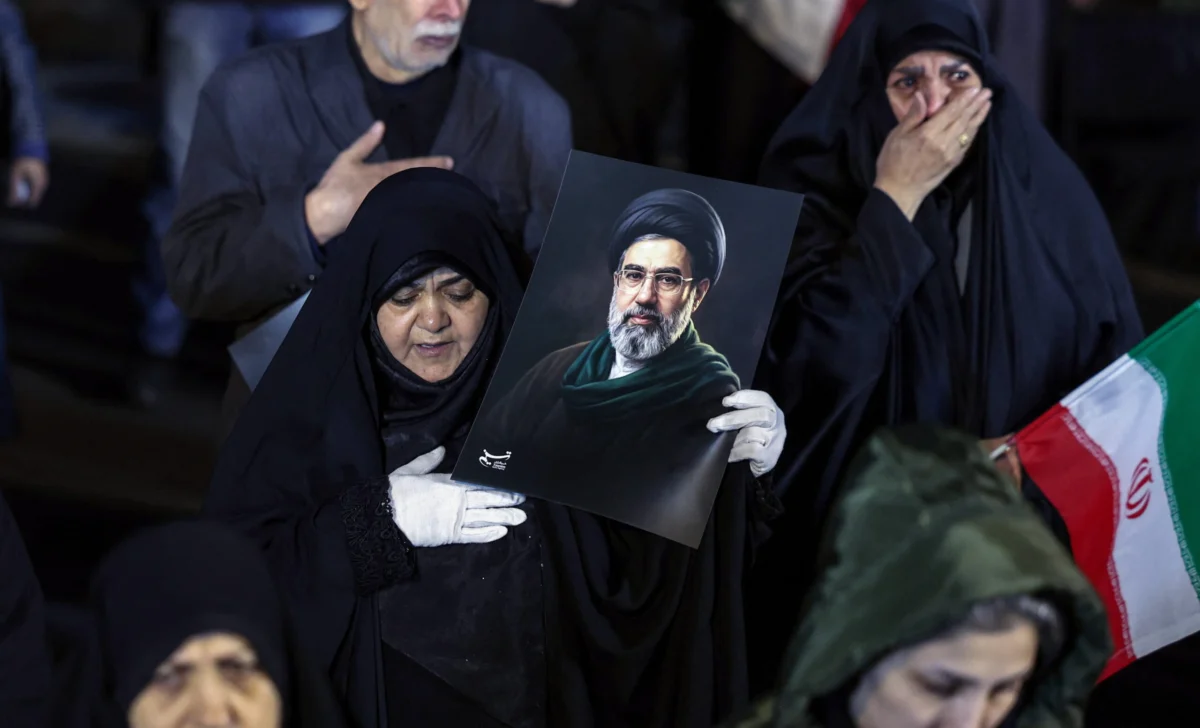
In this context, Hezbollah acts as Iran’s most potent and strategically vital proxy, effectively opening a northern front against Israel. Actions by Hezbollah are often seen as directly influenced by or coordinated with Tehran, serving Iran’s broader strategic objectives in the region, which include deterring Israeli strikes against Iranian nuclear facilities and projecting power. The image associated with the initial report, depicting "Iran support supreme leader," implicitly reinforces this connection, highlighting the ideological and operational alignment between Hezbollah and the Iranian leadership. An attack on Tel Aviv, therefore, is not merely a localized clash but a significant move within the larger regional chessboard, intended to pressure Israel, demonstrate the reach of the "Axis of Resistance," and potentially deter further Israeli or allied actions against Iran itself. The "War on Iran" has led to unprecedented levels of regional instability, economic disruption, and humanitarian crises, with the potential for wider global implications if major powers are drawn further into the conflict.
Israeli Response and Defensive Posture
The Israeli government and military are now faced with a severe challenge following the Tel Aviv attack. Historically, Israel has maintained a doctrine of overwhelming retaliation against attacks from its borders, particularly those targeting its civilian centers and strategic assets. An attack on the Ministry of Defense headquarters demands an immediate and robust response, not only to deter future attacks but also to reassure its populace and maintain its strategic credibility. Potential Israeli responses could range from intensified airstrikes against Hezbollah infrastructure, command centers, and missile launch sites deep within Lebanon, to targeted assassinations of key Hezbollah figures, or even a wider ground offensive into southern Lebanon aimed at pushing Hezbollah away from the border and establishing a buffer zone.
Israel’s sophisticated air defense systems, including the Iron Dome and David’s Sling, are designed to intercept rockets and missiles. The fact that Hezbollah’s "advanced missiles" reportedly struck their targets suggests either a saturation of these defenses, a breach due to sophisticated evasion techniques, or the deployment of missile types that Israel’s systems struggle to counter effectively. This would prompt an immediate review of Israel’s defensive posture, intelligence capabilities, and early warning systems. Domestically, the government would likely face immense pressure to demonstrate control and security, potentially leading to emergency cabinet meetings, increased military deployments, and public appeals for calm amidst calls for decisive action against Hezbollah and its Iranian patrons. The challenge for Israel lies in responding forcefully without triggering an even broader and more devastating regional war that could involve multiple fronts.
International Reactions and Calls for De-escalation
The international community is likely to react with grave concern to these latest escalations. The United Nations Security Council would almost certainly convene an emergency session, with calls for an immediate cessation of hostilities, respect for UN Resolution 1701 which governs the cessation of hostilities in southern Lebanon, and adherence to international humanitarian law. Major powers such as the United States, the European Union, and Russia would issue statements urging de-escalation, though their effectiveness might be limited given their own vested interests and alliances in the region.
The United States, a key ally of Israel, would likely reiterate its unwavering support for Israel’s right to self-defense while simultaneously working through diplomatic channels to prevent a full-scale regional conflagration. European nations, already grappling with the wider implications of the "War on Iran" on global energy markets, trade routes, and migration, would express alarm at the prospect of further instability. Humanitarian organizations would raise concerns about the welfare of civilians in both Israel and Lebanon, anticipating increased displacement, casualties, and a worsening of living conditions, urging safe corridors and access for aid. The prospect of a regional war drawing in more international actors would be a major concern, potentially leading to intensified diplomatic efforts, sanctions, and attempts at mediation, though the entrenched positions of the belligerents often make such efforts challenging. Regional actors, particularly Saudi Arabia and the UAE, would also be closely monitoring the situation, fearful of spillover effects.
Implications for Regional Stability
The latest actions by Hezbollah and the anticipated Israeli response carry profound implications for regional stability. The direct targeting of Tel Aviv’s military heartland signifies a dangerous precedent, indicating a willingness by Hezbollah to escalate beyond previous thresholds and challenging the conventional rules of engagement. This could transform the ongoing "War on Iran" from a series of proxy skirmishes and targeted strikes into a more direct and devastating conflict involving major urban centers and critical national infrastructure. Such an escalation risks drawing in other regional actors, potentially destabilizing fragile alliances and security arrangements across the Middle East, and leading to an uncontrolled chain reaction.
The economic consequences of a full-blown regional war would be catastrophic, particularly for global energy supplies and trade routes through critical chokepoints like the Strait of Hormuz. The humanitarian toll would be immense, leading to mass displacement, a deepening refugee crisis, and severe strain on aid organizations in an already volatile region. For Iran, the continued effectiveness and strategic reach of its proxy network, demonstrated by Hezbollah’s latest strikes, validates its strategic approach but also risks drawing more direct and severe retaliation from Israel and its allies. For Israel, maintaining its security and deterrence capabilities while avoiding an all-out war presents a delicate balancing act, as any miscalculation could have devastating consequences. The events of March 25th and 26th, 2026, underscore the precarious nature of peace in the Middle East and the constant threat of a wider conflict engulfing the region. The world watches with bated breath as the "War on Iran" enters a new and potentially more destructive chapter.
Timeline of Recent Events (March 25-26, 2026)
March 25, 2026:
- Daytime: Israeli ground forces, including tanks and D9 armored bulldozers, attempt an advance into southern Lebanon, signaling a potential expansion of ground operations.
- Late Day/Evening: Lebanon’s Hezbollah engages Israeli forces along the border, claiming to destroy ten tanks and two D9 bulldozers, successfully repelling the incursion. Intense clashes and exchanges of fire are reported in the border region.
March 26, 2026:
- Early Hours (00:18 GMT reported): Hezbollah announces a major missile attack targeting the Israeli Ministry of Defense headquarters in central Tel Aviv and barracks belonging to the Military Intelligence Directorate north of the city, utilizing "advanced missiles."
- Ongoing: Anticipation of official Israeli confirmation or denial of the strikes, assessment of damage and casualties, and a likely robust military response, as the regional conflict enters a heightened state of alert.

Related Posts
Over 150 Israeli Settlers Storm Al-Aqsa Compound and Perform Prayers, Violating Status Quo Under Police Protection.
UN Report Highlights Over 900 Obstacles Hampering West Bank Aid Amid Escalating Humanitarian Crisis