Hong Kong Braces for Health Risks as Unrelenting Humidity Grips the City
Elderly and residents with chronic illness especially at risk, doctor and community activist say, after relative humidity hits 100 per cent in parts of city
Hong Kong is currently experiencing a significant surge in humidity, with some areas recording a near-perfect 100 per cent relative humidity in the early hours of Wednesday. This persistent dampness, expected to continue through the week, has prompted health professionals and community leaders to issue urgent warnings, particularly for vulnerable populations such as the elderly and individuals with chronic health conditions. The Meteorological Observatory forecasts that relative humidity will remain elevated, fluctuating between 65 per cent and 95 per cent from Thursday onwards, creating an environment conducive to a range of health issues.
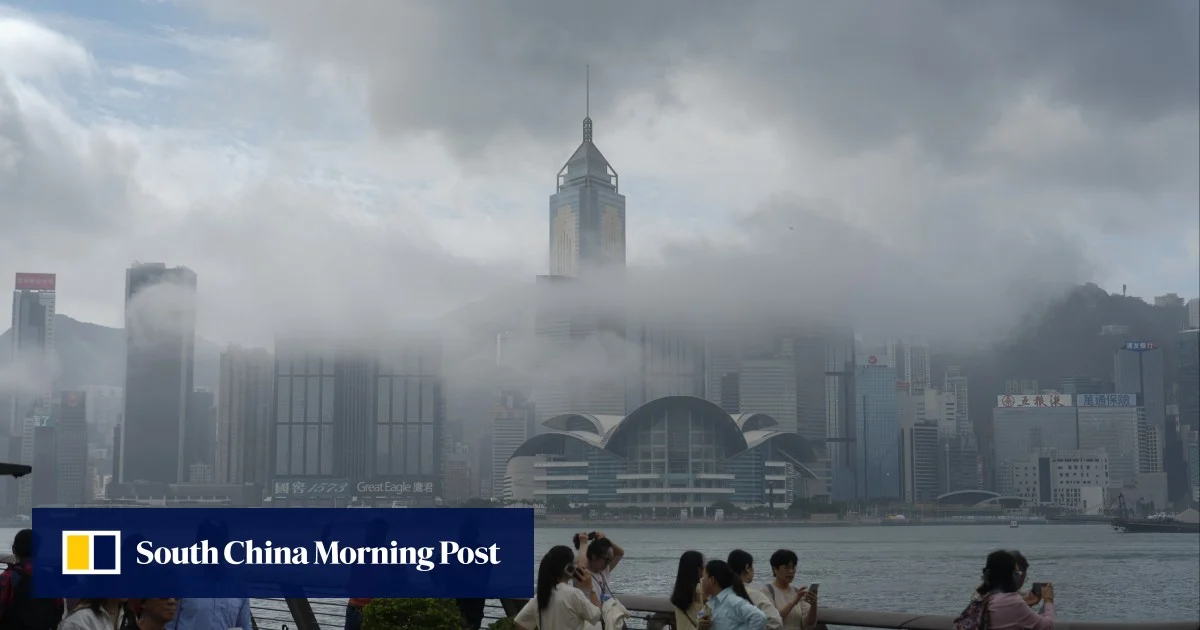
The prevailing weather pattern is attributed to a humid airstream affecting the eastern coast of mainland China’s Guangdong province as winter transitions into spring. This phenomenon is leading to increased moisture in the air, especially noticeable during the morning and late evening hours across Hong Kong. While the visual impact might be a familiar fog or mist, the unseen consequences for public health are a growing concern.
Health Implications of Persistent Dampness
The elevated humidity levels create a breeding ground for mould and mildew, which can have severe repercussions on respiratory health. Dr. Eleanor Cheung, a general practitioner, highlighted the particular vulnerability of asthmatic individuals. "Mould spores are common allergens and irritants," Dr. Cheung explained. "When inhaled in high concentrations, they can trigger severe asthma attacks, leading to wheezing, shortness of breath, and in critical cases, respiratory failure. For those with pre-existing lung conditions like COPD or bronchitis, the damp air can exacerbate their symptoms, making breathing even more challenging."
Beyond respiratory ailments, the consistently moist conditions can also contribute to skin problems and fungal infections. Dermatologists have noted an uptick in cases of eczema flare-ups and fungal infections, such as athlete’s foot and ringworm, which thrive in warm, humid environments. These conditions, while often not life-threatening, can cause significant discomfort, itching, and secondary infections if left untreated.
"The elderly are particularly susceptible due to a natural decline in their immune systems and often have underlying health issues that are aggravated by such weather," commented Mr. David Lee, a community activist and head of a local elderly care organisation. "Their bodies may struggle to regulate temperature and moisture, leading to dehydration or heat stress even in moderate temperatures. Furthermore, the constant dampness can lead to joint pain and discomfort, impacting their mobility and overall quality of life."
Timeline of Events and Meteorological Context
The current humid spell began to intensify in the latter half of the week, with meteorological data indicating a marked increase in moisture content. By Wednesday morning, specific locations had already reached saturation point. Kau Sai Chau, an island off the coast of Sai Kung, recorded a relative humidity of 100 per cent in the early hours. This means that the air in this area was holding the maximum amount of water vapour possible at that specific temperature.
More populated urban centres were not far behind. Kowloon City and Wong Chuk Hang, both in densely populated areas, experienced relative humidity levels as high as 98 per cent during the same period. These figures represent a significant departure from typical late-winter conditions and are indicative of the atmospheric changes occurring.
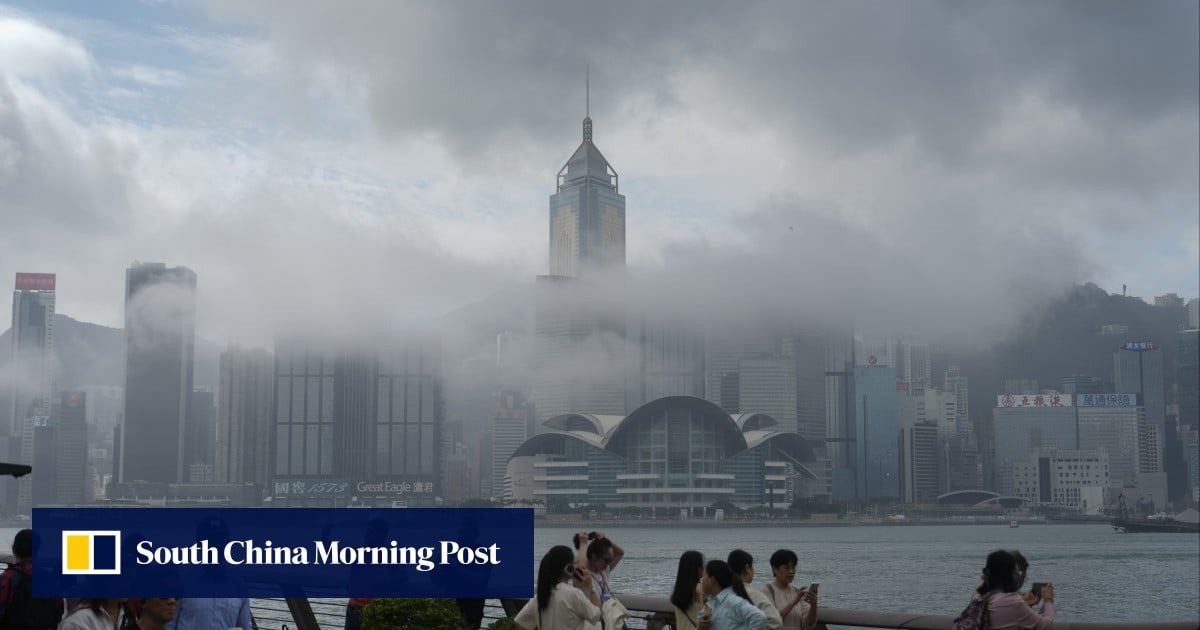
The Hong Kong Observatory has been closely monitoring the situation, issuing regular updates and advisories. Their forecast suggests that this humid pattern is not a fleeting event but is likely to persist. The influx of moist air from the mainland is a common occurrence during the transition from winter to spring, a period often characterised by increased rainfall and fog. However, the intensity and duration of the current humidity surge appear to be noteworthy.
Chronology of Humidity Surge (Indicative):
- Early March: Transition from cooler, drier winter air to increasingly humid conditions.
- Mid-March (approx.): Gradual increase in daily relative humidity readings across the territory.
- Tuesday, March 25th: Noticeable rise in ambient moisture, with fog and mist becoming more prevalent.
- Wednesday, March 26th (early hours): Peak humidity recorded, with some areas reaching 100% and others nearing 98%.
- Thursday, March 27th onwards: Relative humidity expected to remain high, between 65% and 95%, for the remainder of the week.
Supporting Data and Broader Implications
The impact of high humidity extends beyond immediate health concerns. For Hong Kong, a densely populated global financial hub, the implications are multifaceted:
- Infrastructure Strain: Prolonged high humidity can lead to increased condensation on buildings, electronics, and transportation infrastructure. This can accelerate wear and tear, requiring more frequent maintenance and potentially leading to disruptions. For example, condensation on airport runways can affect flight operations, and moisture ingress into electronic systems can cause malfunctions.
- Economic Impact: Businesses that rely on stable environmental conditions, such as data centres or certain manufacturing facilities, may face increased operational costs due to the need for enhanced climate control. Furthermore, the discomfort caused by damp conditions can affect productivity in offices and public spaces.
- Public Health Preparedness: The current situation serves as a reminder of the importance of public health campaigns focused on environmental health risks. Educating the public about preventative measures, such as proper ventilation, the use of dehumidifiers, and regular cleaning to prevent mould growth, is crucial.
The Observatory’s data on relative humidity is crucial for understanding these risks. Relative humidity is the ratio of the current amount of water vapour in the air to the maximum amount the air could hold at that temperature. A reading of 100 per cent signifies that the air is fully saturated. Prolonged exposure to high humidity, even at slightly lower percentages, can lead to a feeling of oppressive heat, as the body’s ability to cool itself through perspiration is reduced.
Official Responses and Community Calls for Action
In response to the rising health concerns, medical professionals are urging the public to take proactive steps. Dr. Cheung advised, "Individuals, especially those in the at-risk groups, should invest in dehumidifiers for their homes. Keeping indoor humidity levels between 40-60 per cent is ideal. Regular cleaning of bathrooms, kitchens, and any areas prone to dampness is also essential to prevent mould growth. Using exhaust fans when cooking or showering can significantly reduce moisture build-up."
Mr. Lee echoed these sentiments, calling for greater community awareness and support. "We are advocating for more accessible information campaigns to reach all segments of the population, especially those who may not have access to reliable news sources or the financial means to purchase dehumidifiers. Local district councils and community centres can play a vital role in disseminating this information and perhaps even offering temporary access to dehumidifying equipment."
The government, through its relevant departments, is expected to monitor the situation closely and provide guidance. Public health advisories are likely to be issued through various channels, including official websites, social media, and public broadcasting. The focus will undoubtedly be on empowering citizens to protect themselves and their families from the health hazards associated with the persistent damp weather.
The current spell of high humidity serves as a stark reminder of how environmental conditions can directly impact public well-being. As Hong Kong navigates the transition into spring, vigilance and preparedness will be key to mitigating the health risks posed by this pervasive atmospheric challenge. The advice from medical and community leaders underscores a collective responsibility to ensure that the most vulnerable members of society are protected during these damp and potentially unhealthy conditions.

Related Posts

Hong Kong Enforces Strict Smoking Ban on Construction Sites, Inspects Over 200 Locations in First Week

Hong Kong Poised for Sweeping Reforms and Accountability After Deadliest Fire in Decades