Indra and Hanwha Aerospace Forge Strategic Alliance for Spains Five Billion Euro Self-Propelled Artillery Program
The Spanish defense technology conglomerate Indra has entered into a definitive binding agreement with South Korea’s Hanwha Aerospace to spearhead a massive modernization of the Spanish Armed Forces’ land-based firepower. The partnership, valued at approximately €4.55 billion ($5.3 billion), centers on the procurement and localized production of 280 tracked vehicles, anchored by the globally successful K9 Thunder 155mm self-propelled howitzer. This deal represents one of the most significant investments in Spanish land systems in decades, signaling a major shift toward industrial sovereignty and the adoption of battle-proven South Korean technology within the NATO framework.
Under the terms of the agreement, the program will deliver a comprehensive ecosystem of tracked platforms. The fleet is set to include 128 self-propelled artillery vehicles, 120 automated ammunition resupply vehicles, and a specialized contingent of recovery and command-and-control units. By integrating Hanwha’s hardware with Indra’s mission systems and digital infrastructure, Spain aims to replace its aging inventory of M109 howitzers with a platform capable of meeting the demands of high-intensity modern warfare.
A Comprehensive Fleet for Modern Warfare
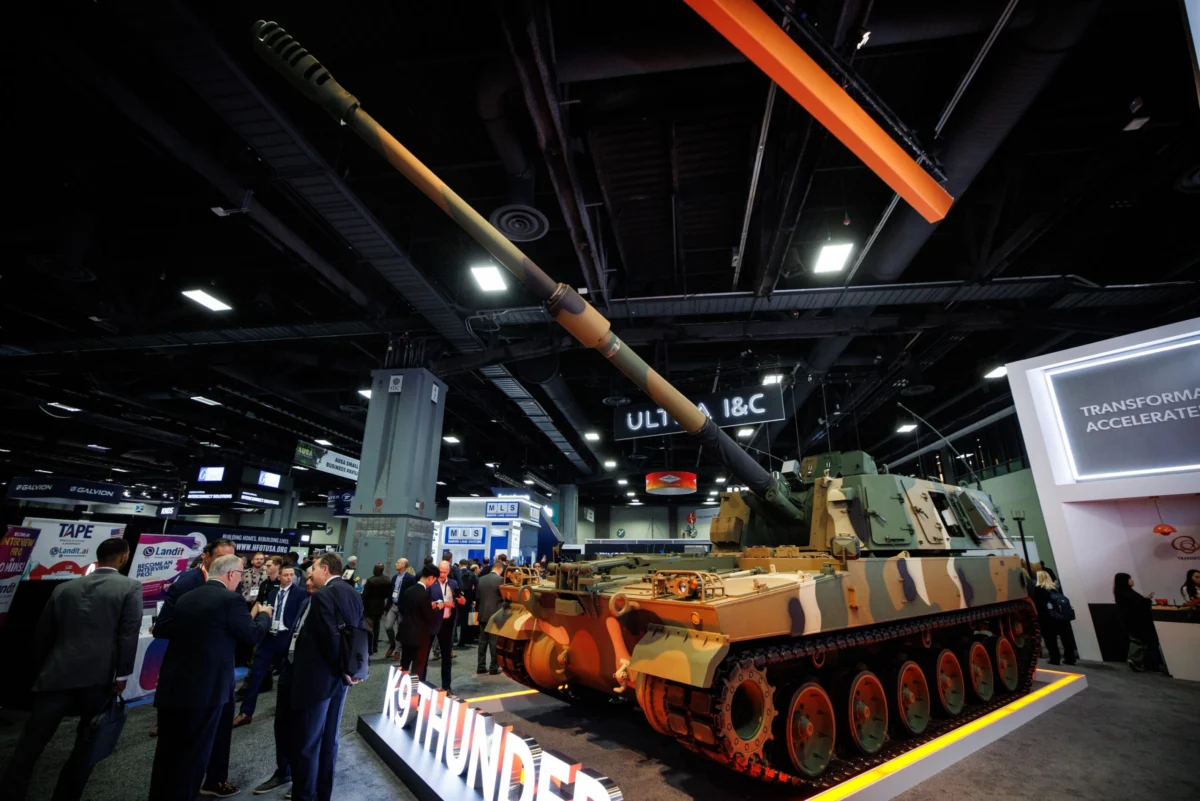
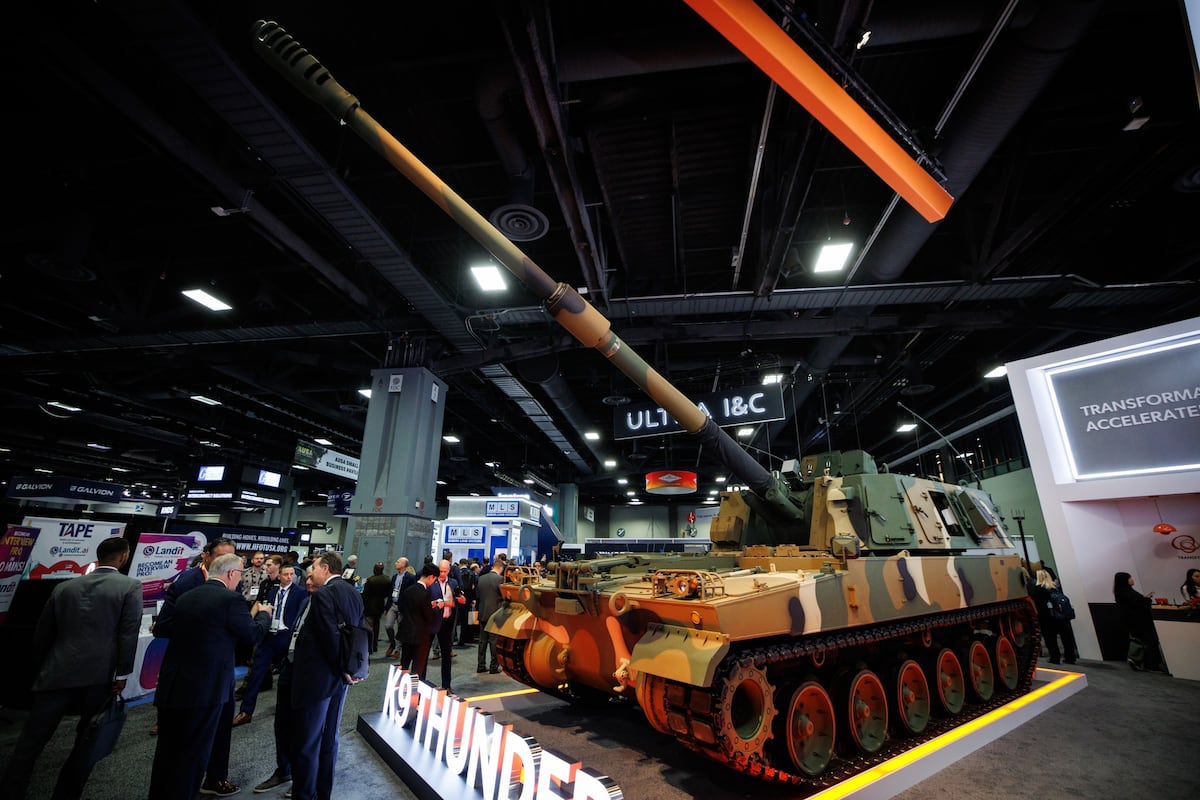
The cornerstone of the agreement is the K9 Thunder, a 155mm/52-caliber self-propelled howitzer that has become the de facto standard for many NATO and allied nations. The K9 is renowned for its "shoot-and-scoot" capabilities, allowing it to fire a burst of shells and relocate before enemy counter-battery fire can zero in on its position. Its 52-caliber barrel allows for a firing range of over 40 kilometers using standard ammunition, extending significantly with rocket-assisted projectiles.
The 280-vehicle order is not limited to the howitzer alone but encompasses a holistic "artillery system of systems." This includes:
- K9 Self-Propelled Howitzers (128 units): The primary fire units equipped with advanced automated loading systems and high-mobility tracked chassis.
- K10 Ammunition Resupply Vehicles (120 units): These vehicles are designed to operate alongside the K9, using a fully automated bridge to transfer shells and charges under armor, significantly reducing the crew’s exposure and increasing the sustained rate of fire.
- Command, Control, and Recovery Vehicles: These units will provide the battlefield management and maintenance support necessary to keep the heavy brigades operational in contested environments.
Indra Chairman Ángel Escribano emphasized that the alliance is designed to offer the Spanish Armed Forces "real sovereignty and autonomy" throughout the life cycle of these platforms. This autonomy is achieved through a deep level of technology transfer that will see Indra assume "design authority" over the hulls and mission systems, ensuring that Spain is not merely a customer but a co-producer and maintainer of the technology.
Industrial Impact and Technological Localization in Gijón
A pivotal element of the deal is the massive investment in Spain’s domestic industrial base. Indra has committed to a €130 million ($142 million) investment to upgrade its facilities in Gijón. This funding will be used to equip existing plants with advanced machinery and establish a new integration center dedicated to the tracked vehicle program.
Beyond the physical infrastructure, the partnership focuses on high-level technology transfer. Indra will design and manufacture the hulls for the vehicles within Spain, integrating its proprietary mission systems, battlefield management systems (BMS), and advanced communication suites. This level of local involvement ensures that the Spanish military can customize the software and hardware to meet specific national requirements while maintaining interoperability with NATO standards.
The project is expected to create hundreds of high-skilled jobs in the Asturias region, reinforcing Gijón’s status as a hub for military engineering. By securing design authority over the hull, Indra positions itself to support the platforms for the next 30 to 40 years, covering everything from routine maintenance to mid-life upgrades.
Chronology of the Modernization Effort
The path to this agreement reflects a multi-year effort by the Spanish Ministry of Defense to address gaps in its heavy artillery capabilities.
- Pre-2022: The Spanish Army relied heavily on the M109A5E, a platform that, while reliable, lacked the range, automation, and digital integration required for the modern battlefield.
- February 2022: Russia’s full-scale invasion of Ukraine fundamentally altered European defense priorities. The conflict underscored the critical importance of massed artillery and the need for high-mobility tracked systems capable of surviving in environments saturated with drones and electronic warfare.
- 2023-2024: Spain accelerated its defense modernization and capacity plan, budgeting billions for both wheeled and tracked artillery systems. Hanwha Aerospace and Indra began negotiations to align South Korean manufacturing speed with Spanish industrial requirements.
- October 2025: The K9 Thunder was prominently displayed at the Association of the U.S. Army (AUSA) exposition, highlighting its global market dominance.
- Late 2025: The binding agreement between Indra and Hanwha is signed, formalizing the €4.55 billion program.
South Korea’s Expanding Footprint in the European Defense Market
The Indra-Hanwha deal is the latest chapter in South Korea’s meteoric rise as a global arms exporter. According to data from the Stockholm International Peace Research Institute (SIPRI), South Korea has become the second-largest arms supplier to European NATO members, trailing only the United States.
Hanwha’s success in Europe is built on a strategy of "localization and speed." Unlike many Western defense contractors that face long production backlogs, Hanwha has demonstrated an ability to deliver high volumes of equipment on tight schedules. Furthermore, their willingness to share intellectual property and establish local production lines has made them a preferred partner for nations seeking to bolster their own defense industries.
Prior to the Spanish deal, Hanwha secured massive contracts with:
- Poland: A multi-billion dollar deal for hundreds of K9 howitzers and K2 Black Panther tanks, with significant portions to be manufactured in Poland.
- Norway and Estonia: Procurement of K9 units to replace aging Cold War-era systems.
- Romania: A recent agreement to modernize their artillery corps with the K9 platform.
By partnering with Indra, Hanwha gains a powerful foothold in the Mediterranean and a partner capable of navigating the complex regulatory and political landscape of the European Union’s defense initiatives.
The Strategic Necessity of Mass and Firepower
The war in Ukraine has served as a grim laboratory for 21st-century conflict, proving that despite the rise of cyber warfare and precision-guided munitions, "the King of Battle"—artillery—remains decisive. European nations spent more than $15 billion on rocket and tube artillery between May 2022 and July 2024 alone.
The Spanish acquisition addresses several tactical lessons learned from the Ukrainian front:
- The Need for Mass: Small numbers of high-tech assets are insufficient in a war of attrition. The order for 280 vehicles ensures Spain can field a credible, sustained force.
- Integration with Unmanned Systems: Indra’s mission systems are expected to integrate drone-based targeting data directly into the howitzer’s firing computer, reducing the "sensor-to-shooter" cycle to seconds.
- Survivability: Tracked vehicles offer superior off-road mobility compared to wheeled systems, which is essential for maneuvering in the mud and varied terrain of the European theater.
In addition to this tracked program, Spain has allocated a separate €2.9 billion for wheeled self-propelled artillery. This "high-low" mix of tracked and wheeled systems will provide the Spanish Army with the flexibility to deploy rapidly for international missions while maintaining heavy-duty defense capabilities at home.
Economic and Strategic Implications for Spain
The €4.55 billion investment is a statement of intent regarding Spain’s role in European security. By developing the capacity to design and manufacture tracked land platforms, Spain joins an elite group of European nations—including Germany, France, and Sweden—with the industrial capability to produce heavy armor.
Analysts suggest that this deal will have a "multiplier effect" on the Spanish economy. The €130 million investment in Gijón is just the beginning; the long-term maintenance, repair, and overhaul (MRO) contracts associated with a 280-vehicle fleet will provide steady revenue for Indra and its subcontractors for decades.
Furthermore, the "Spanish-made" K9 variant could potentially be marketed to other Spanish-speaking nations or regional allies, leveraging Indra’s existing export networks. This transforms Spain from a consumer of foreign technology into a regional hub for South Korean-origin defense systems.
As Europe continues to reassess its security architecture, the Indra-Hanwha alliance serves as a blueprint for future defense cooperation: a blend of proven Asian hardware and sophisticated European software, grounded in a commitment to local industrial growth and strategic autonomy. For the Spanish Armed Forces, the arrival of the K9 family marks the end of the M109 era and the beginning of a new chapter in digitized, heavy-hitting land power.

Related Posts
Pentagon Forges Landmark Seven-Year Agreements with Boeing and RTX to Accelerate Standard Missile-3 Production and Stabilize Defense Supply Chains
Boeing Unveils Ultra Low-Cost Seeker to Enhance Missile Inventory and Combat Cost Challenges in Modern Warfare