FCC Scrutiny Prompts Shift in Political Guest Bookings on ABC’s ‘The View,’ Igniting Debate Over Equal Time Rule Enforcement
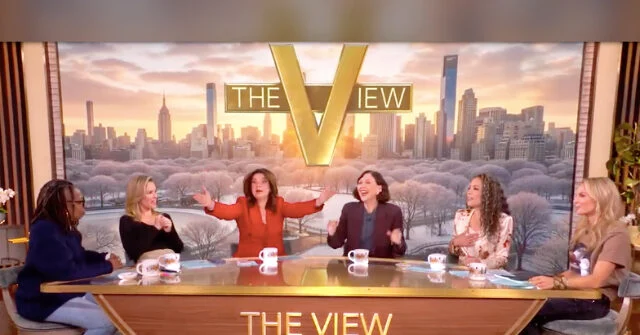
The Federal Communications Commission (FCC) has initiated an investigation into whether ABC’s daytime talk show, The View, has violated the agency’s "equal time" regulations, a move that appears to have prompted a significant shift in the program’s guest booking strategy. Following FCC Chairman Brendan Carr’s announcement in February regarding the inquiry, The View has conspicuously reduced its invitations to political figures, raising questions about the implications for broadcast media and political discourse. This development underscores a renewed focus on Section 315 of the Communications Act of 1934, a long-standing but often unenforced regulation designed to ensure fairness in political coverage on publicly owned airwaves.
The Equal Time Rule, codified as Section 315, mandates that if a broadcast station permits a legally qualified candidate for public office to "use" its facilities, it must afford equal opportunities to all other legally qualified candidates for the same office. This includes airtime, access, and charges. The rule applies to broadcast television and radio stations, which operate using public airwaves, distinguishing them from cable channels that do not fall under the same regulatory purview. The core intent is to prevent broadcasters from using their licensed access to public resources to unduly influence elections by favoring one candidate over another.
Historical Context and Legal Framework of the Equal Time Rule
The Equal Time Rule traces its origins to the Radio Act of 1927 and was later incorporated into the Communications Act of 1934. Its creation stemmed from concerns about the potential for broadcasters, holding valuable public licenses, to act as gatekeepers or partisan platforms in political campaigns. The FCC, as the primary regulatory body for interstate and international communications by radio, television, wire, satellite, and cable, is tasked with enforcing this and other provisions of the Communications Act.
Crucially, Section 315 does not apply to bona fide news events, news interviews, news documentaries, or on-the-spot coverage of news events. These exemptions were added in 1959 to ensure that legitimate news programming could continue without triggering the onerous equal time requirements for every candidate mentioned or interviewed. However, talk shows and late-night programs, like The View or late-night comedy shows, are generally not considered "bona fide news interviews" in the traditional sense, especially when they feature extended, non-journalistic appearances by candidates. This distinction is central to the current controversy. For decades, the FCC has largely exercised restraint in enforcing this rule against entertainment-oriented programs, leading to an environment where such shows frequently hosted politicians without significant regulatory blowback.
A Chronology of Renewed Scrutiny
The recent focus on The View began with FCC Chairman Brendan Carr’s public statements in February. Carr indicated that the FCC was actively investigating whether the program’s past booking practices, particularly its frequent hosting of Democratic politicians without corresponding invitations to Republican challengers, constituted a violation of Section 315. This announcement signaled a departure from the FCC’s recent hands-off approach to such matters concerning entertainment programming.
Prior to Carr’s announcement, The View regularly featured prominent political figures across the spectrum. A review of its guest lists from the preceding six months, as reported by The Hollywood Reporter, revealed appearances by a diverse range of politicians, including Rep. Marjorie Taylor Greene (R-GA), New York City Council Member Zohran Mamdani (D-NY), Senator Bernie Sanders (I-VT), Supreme Court Justice Ketanji Brown Jackson (then a nominee), and Senator John Fetterman (D-PA). These bookings demonstrated a willingness by the show to engage with political personalities, often in in-depth discussions.
However, subsequent to the FCC’s expressed interest, a marked change in guest selection became apparent. While political topics remained a central part of the show’s daily discussions, the roster of invited guests shifted noticeably. Actors, authors, filmmakers, and other cultural figures began to dominate the guest slots, with political figures becoming conspicuously absent. This observed change suggests a strategic decision by ABC and The View‘s producers to mitigate the risk of further FCC enforcement actions.
The Case of Senator Cory Booker and the Filing Deadline
The intricacies of the Equal Time Rule were further highlighted by the planned appearance of Senator Cory Booker (D-NJ) on The View. According to reports, Senator Booker was slated to appear on the program just one day before the official filing deadline for the June primary election in New Jersey. This timing is critical because the Equal Time Rule typically applies to "legally qualified candidates" within a certain period around an election. A candidate becomes "legally qualified" once they have met the requirements to be on the ballot, which is usually solidified by the filing deadline.
The timing of Booker’s appearance could be interpreted as an attempt to allow him airtime before the official pool of "legally qualified primary opponents" is fully established, thereby potentially circumventing the need to provide equal time to challengers who have not yet officially filed. However, the FCC’s regulations are nuanced, and the agency may still consider such an appearance to trigger equal time obligations if it determines that the timing was a deliberate tactic to avoid the rule’s spirit. The FCC could argue that if the intent was to give a candidate an advantage, even a pre-filing appearance could be problematic, especially if the candidate is already widely recognized as a primary contender. Observers suggest that the FCC will likely scrutinize this specific booking to determine if it complies with the letter and intent of Section 315.
The Broader Implications for Broadcast Media and Political Discourse
The renewed enforcement of the Equal Time Rule carries several significant implications for broadcast television, political campaigns, and the public’s access to diverse viewpoints.
1. "Chilling Effect" on Political Programming:
Broadcasters, wary of the administrative burden and potential penalties associated with equal time obligations, may choose to simply avoid booking political candidates altogether on entertainment-oriented shows. This "chilling effect" could reduce the platforms available for candidates, particularly those outside the mainstream, to reach a broad audience. While cable news channels and digital platforms offer alternative avenues, broadcast television still commands a massive audience, especially among demographics less likely to seek out niche political programming.
2. Impact on Candidate Visibility:
For incumbent politicians or well-funded campaigns, the loss of a platform like The View might be less impactful, as they often have other means of media access. However, for lesser-known challengers or grassroots campaigns, appearances on popular broadcast shows can be invaluable for gaining name recognition and conveying their message to a national audience. If shows like The View cease to host politicians, it could further entrench the advantages of established figures in political races.
3. Operational Challenges for Broadcasters:
Complying with the Equal Time Rule is not a simple task. Broadcasters must meticulously track all candidate appearances, ensure "equal opportunities" in terms of airtime and audience demographics, and manage requests from numerous primary and general election candidates. This requires significant legal and administrative resources, which can be costly and burdensome for networks and local stations alike. The complexity often serves as a disincentive for broadcasters to engage with political candidates outside of traditional news programming.
4. The Evolving Definition of "News" and "Entertainment":
The debate surrounding The View highlights the blurring lines between news and entertainment in modern media. Many talk shows, while not strictly "hard news," frequently engage in political commentary and host political figures, shaping public opinion. The FCC’s current stance suggests a re-evaluation of whether such programs, even if primarily entertainment-focused, should be subject to the same strict impartiality standards as traditional news outlets when it comes to candidate appearances. This could lead to a broader reinterpretation of the 1959 exemptions.
5. FCC’s Role in a Fragmented Media Landscape:
The FCC’s decision to investigate The View also prompts a discussion about the relevance and efficacy of a nearly 90-year-old regulation in the digital age. With the proliferation of cable news, streaming services, podcasts, and social media, political discourse is more fragmented and accessible than ever before. Critics of strict Section 315 enforcement argue that it is an outdated rule that stifles free expression on traditional broadcast platforms while having no bearing on the vast majority of political content consumed today. Proponents, however, contend that broadcast television still holds unique power and influence, justifying the need for regulations that promote fairness and prevent undue partisan advantage on public airwaves.
Official Responses and Industry Reactions
While ABC and Disney have not issued a direct public statement specifically addressing the FCC investigation into The View or explicitly confirming a policy shift in guest bookings, their actions speak volumes. The observed change in guest lists is widely interpreted by media analysts as a proactive measure to ensure compliance and avoid potential penalties. A spokesperson for a major network, speaking anonymously, might suggest that "broadcasters are always reviewing their programming to ensure adherence to all FCC regulations, especially concerning political content during election cycles."
FCC Chairman Brendan Carr has consistently articulated his view that broadcasters, by utilizing public airwaves, incur a public interest obligation, including adherence to Section 315. His office would likely reiterate that the FCC’s role is to ensure fair access and prevent broadcasters from using their licenses to act as partisan political entities. "The public owns the airwaves, and broadcasters are stewards of that trust," a representative from the FCC might state. "Our duty is to ensure that all legally qualified candidates have an equal opportunity to present their case, consistent with the Communications Act."
Media ethicists and legal scholars are divided on the issue. Some argue that the FCC’s renewed enforcement is a necessary step to restore balance and prevent the weaponization of broadcast platforms for political ends. Others express concern that it could lead to less political engagement on popular shows, ultimately diminishing public awareness and discourse. "While the intent of the Equal Time Rule is noble, its practical application in today’s media environment can be counterproductive," noted one prominent media law professor. "It risks pushing political discussion off mainstream platforms, making it harder for the average viewer to encounter diverse perspectives."
Conclusion: A Balancing Act Between Regulation and Discourse
The FCC’s investigation into The View and the subsequent adjustments in its booking strategy represent a significant moment in the ongoing debate over media regulation, political fairness, and the role of broadcast television in American democracy. It highlights the inherent tension between regulatory mandates designed to ensure public interest and the desire of broadcasters for programming autonomy and freedom of expression.
As election cycles intensify and the media landscape continues to evolve, the enforcement of regulations like Section 315 will likely remain a contentious issue. The outcome of the FCC’s inquiry and the long-term impact on shows like The View could set new precedents for how political content is handled on broadcast television, ultimately shaping the accessibility of candidates and the nature of political discourse for millions of viewers. The central challenge remains balancing the need for fair access to public airwaves with the complexities of modern political communication and the diverse array of programming formats.

Related Posts
Democratic Candidates Must Moderate to Win General Elections, Says Rep. Greg Stanton
Lisa Demuth Secures Republican Gubernatorial Nomination in Minnesota, Defeating Trump-Endorsed Mike Lindell