A Web of Sensors and the Vulnerability of American Missile Defense Systems Amid Escalating Regional Tensions in the Middle East
The landscape of Middle Eastern security has undergone a fundamental shift as sophisticated Iranian missile and drone capabilities increasingly challenge the United States’ long-standing aerial dominance. As global oil prices surge in response to successful strikes against energy infrastructure in Arab Gulf states, the resilience of the American "web of sensors"—a multi-layered detection network designed to safeguard thousands of U.S. troops and billions of dollars in assets—is being put to its most rigorous test since the Cold War. Recent kinetic actions have transitioned from targeting personnel and logistics to the precision destruction of high-value surveillance assets, specifically billion-dollar radar installations in Jordan and Qatar. This tactical shift suggests a deliberate effort to "blind" U.S. and allied forces, degrading the early warning window that is critical for the successful interception of incoming threats.
The Architecture of Early Warning: From Space to the Surface
The United States military maintains a sophisticated, interconnected network of sensors that monitors the Middle East 24 hours a day. This system is designed to provide "launch-to-impact" tracking, a capability that relies on the seamless integration of space-based assets, ground-based radars, maritime platforms, and airborne surveillance. At the vanguard of this network is the U.S. Space Force’s Space-Based Infrared System (SBIRS). Consisting of a constellation of satellites in both Geosynchronous Earth Orbit (GEO) and Highly Elliptical Orbit (HEO), SBIRS utilizes powerful infrared sensors to detect the intense heat signatures produced by the booster stages of ballistic missiles.
When a missile is launched from Iranian territory, the SBIRS satellites detect the thermal plume almost instantaneously. This data is transmitted via secure satellite communications to Joint Tactical Ground Stations (JTAGS). These mobile, palletized systems are the primary processing nodes for space-based infrared data, providing theater-level commanders with immediate alerts. The speed of this initial detection is measured in seconds, providing the critical "cueing" information necessary for ground-based radars to orient themselves toward the incoming threat. Without this initial space-based "tip-off," ground radars would be forced to scan the entire horizon, significantly reducing their efficiency and the likelihood of a successful intercept.

Strategic Attrition: The Targeting of Radar Infrastructure
While space-based sensors provide the initial alert, ground-based radars are essential for the "fire control" phase—tracking a missile’s trajectory with enough precision to guide an interceptor to its target. The U.S. employs a tiered radar strategy, utilizing the AN/FPS-132 Upgraded Early Warning Radar (UEWR) for long-range detection and the AN/TPY-2 for high-resolution tracking. The UEWR is a massive, fixed-site phased-array radar capable of detecting objects at ranges exceeding 3,000 miles, providing a strategic view of the entire region. In contrast, the AN/TPY-2 is a transportable X-band radar that serves as the "eyes" of the Terminal High Altitude Area Defense (THAAD) system, offering the granular data required to distinguish a warhead from debris or decoys.
The recent destruction of a TPY-2 system in Jordan and an FPS-132 facility in Qatar represents a significant blow to the U.S. regional defense posture. These systems are not easily replaced; they are high-cost, low-density assets with long manufacturing lead times. The loss of the Qatar-based FPS-132, in particular, creates a significant surveillance gap in the heart of the Gulf, forcing the U.S. military to rely on more distant assets, such as the UEWR facility in the United Kingdom or maritime-based Aegis systems. To mitigate these losses, the Pentagon recently authorized the relocation of a THAAD battery and its accompanying TPY-2 radar from the Korean Peninsula to the Middle East, a move that highlights the strain on global U.S. military resources and the prioritization of the Iranian threat over Pacific contingencies.
Chronology of Escalation and System Degradation
The current crisis follows a clear timeline of escalating technological and kinetic engagement:
- Initial Phase (Late 2025): Increased frequency of "nuisance" drone attacks by Iranian-aligned groups against U.S. outposts in Iraq and Syria, testing radar response times and electronic warfare capabilities.
- January 2026: Precision strikes against energy processing facilities in the Arab Gulf, utilizing a combination of cruise missiles and loitering munitions, causing a 15% spike in global crude oil prices.
- February 2026: The first confirmed use of "swarming" tactics, where dozens of low-cost drones were used to saturate U.S. radar systems, momentarily overwhelming data processing capabilities.
- March 5, 2026: Coordinated strikes utilizing high-speed ballistic missiles successfully target and destroy the AN/TPY-2 radar site in Jordan and the FPS-132 installation in Qatar.
- March 11, 2026: The U.S. Department of Defense announces the emergency redeployment of missile defense assets from South Korea to the Middle East to fill "critical surveillance gaps."
The Drone Dilemma: Why Legacy Systems Struggle
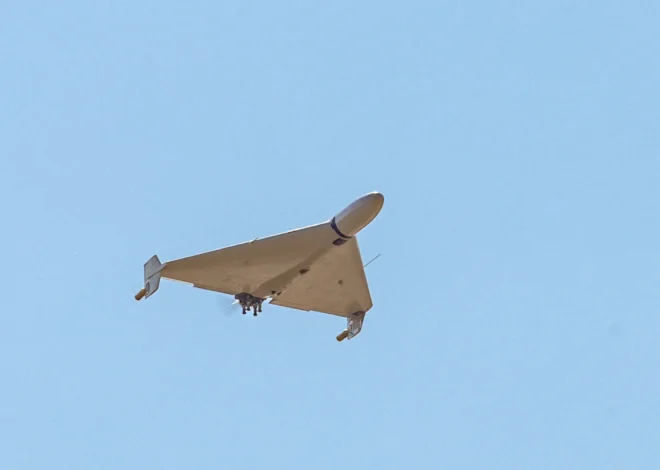
While the U.S. sensor web is highly effective against ballistic missiles, it faces significant challenges from Iran’s burgeoning drone program. Ballistic missiles follow a predictable, high-altitude trajectory and generate massive heat signatures, making them ideal targets for SBIRS and long-range radar. Conversely, Iranian drones, such as the Shahed-136, are designed to exploit the "seams" of traditional air defense.

Several factors contribute to the difficulty of detecting these "kamikaze" drones:
- Thermal Signatures: Many Iranian drones utilize small, internal combustion engines—often compared to lawnmower engines—which produce very little heat. This makes them nearly invisible to the infrared sensors on SBIRS satellites that provide the initial warning for missile launches.
- Radar Cross-Section (RCS): Constructed largely from fiberglass, carbon fiber, and plastics, these drones have a very low radar cross-section. They are often indistinguishable from birds or ground "clutter" when flying at low altitudes.
- Flight Profile: By flying "under the radar"—utilizing terrain masking and low altitudes—drones can avoid detection by ground-based sensors until they are within a few miles of their target, leaving defense systems with only seconds to react.
- Navigation: Unlike earlier remotely piloted vehicles, many modern Iranian drones are programmed with GPS coordinates and autonomous flight paths. Because they do not require a constant radio link to an operator, they do not emit the radio frequency (RF) signals that U.S. electronic warfare systems typically use to "find and fix" airborne threats.
Supporting Data: The Cost and Capability Gap
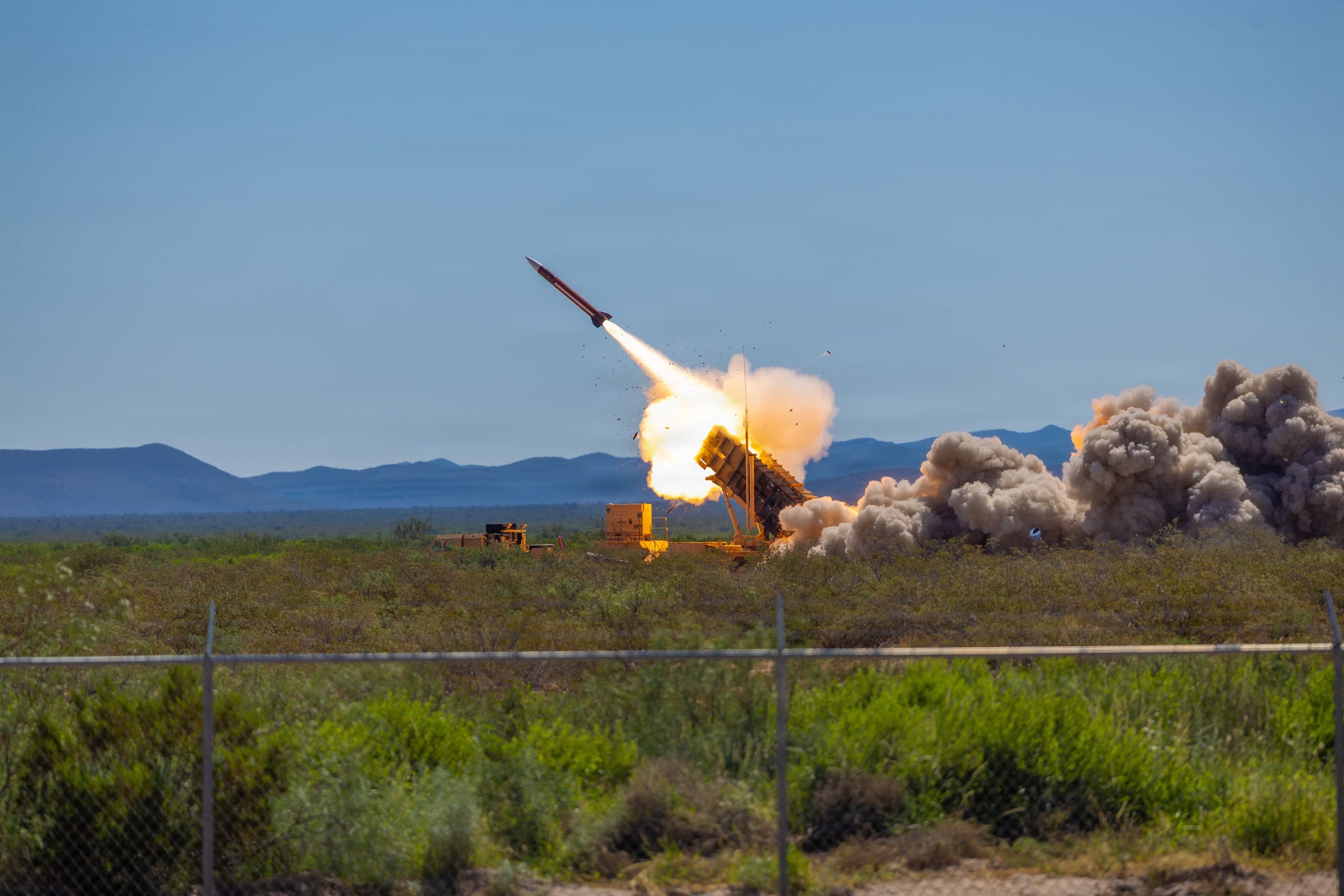
The disparity between the cost of the offensive threat and the defensive response is a primary concern for U.S. strategic planners. An Iranian Shahed-136 drone is estimated to cost between $20,000 and $50,000 to produce. In contrast, the interceptors used to destroy them, such as the MIM-104 Patriot (PAC-3), cost approximately $4 million per missile.
Technical specifications further illustrate the challenge:
- AN/FPS-132 (UEWR): Range: 3,000+ miles. Cost: Approx. $1 billion per site. Primary mission: Ballistic missile early warning.
- AN/TPY-2: Range: 1,800–2,000 miles. Cost: Approx. $500 million per unit. Primary mission: High-resolution tracking and fire control for THAAD.
- Shahed-136 Drone: Range: 1,500 miles. Speed: 115 mph. Primary mission: Loitering munition/kamikaze strike.
- Detection Window: For a ballistic missile, the warning window is typically 10–20 minutes. For a low-flying drone, that window can shrink to less than 60 seconds.
Official Responses and Tactical Shifts
The Pentagon and U.S. Central Command (CENTCOM) have remained tight-lipped regarding the specific extent of the radar degradation, but official statements emphasize a "multi-domain" approach to the evolving threat. Secretary of Defense officials have noted that the U.S. is "intensifying cooperation with regional partners" to integrate disparate radar systems into a more cohesive "Common Operational Picture" (COP). This includes sharing data from the Aegis Combat Systems on U.S. Navy destroyers, which carry the AN/SPY-1 radar capable of tracking over 100 targets simultaneously within a 200-mile radius.
Furthermore, the U.S. Air Force has increased the sortie rate for E-3 Sentry (AWACS) aircraft in the region. These airborne platforms provide a "look-down" capability that is less susceptible to terrain masking than ground-based radar. Additionally, MQ-9 Reaper drones are being repurposed from strike missions to persistent surveillance, using their onboard sensors to monitor known drone launch sites within Iran and its proxy territories.
Broader Impact and Future Implications
The targeting of U.S. radar infrastructure signals a new era of regional conflict where "blinding" the enemy is as important as the strike itself. If the U.S. cannot maintain its sensor web, the deterrent value of its missile defense systems evaporates. This has profound implications for regional stability; if Arab Gulf states perceive that the U.S. "umbrella" is failing, they may be forced into diplomatic concessions with Tehran or seek alternative security arrangements with powers like China or Russia.
In the immediate future, the U.S. is looking toward unconventional solutions to bridge the detection gap. This includes the potential acquisition of acoustic sensor technology from Ukraine. Having faced thousands of Iranian-designed drones in the ongoing conflict with Russia, Ukraine has developed a mesh network of thousands of microphones and specialized software that can "hear" the distinct engine drone of a Shahed-136 from miles away. Integrating such "low-tech" acoustic data with "high-tech" satellite and radar systems may be the only way to create a truly resilient defense.
The degradation of the U.S. sensor web in the Middle East is not merely a technical failure but a strategic challenge that requires a fundamental reassessment of how modern militaries protect their forces. As Iran continues to refine its "asymmetric" approach—using low-cost drones to take out billion-dollar radars—the U.S. must innovate at the speed of the threat or risk losing the early warning advantage that has defined its military supremacy for decades. The outcome of this "battle of the sensors" will ultimately determine the safety of U.S. personnel and the stability of the global energy market in the years to come.

Related Posts
Pentagon Forges Landmark Seven-Year Agreements with Boeing and RTX to Accelerate Standard Missile-3 Production and Stabilize Defense Supply Chains
Boeing Unveils Ultra Low-Cost Seeker to Enhance Missile Inventory and Combat Cost Challenges in Modern Warfare