
National Blackout Hits Cuba for Second Time in a Week Amid Deepening Energy Crisis and Heightened Political Tensions
Cuba was plunged into widespread darkness for the second time in a week on Monday, March 16, 2026, as its national electrical grid suffered a complete collapse, impacting more than 10 million people across the island. The sudden and comprehensive power outage, which left homes and businesses without electricity from Havana to Santiago, underscores the severe and escalating energy crisis gripping the Caribbean nation. This latest disruption amplifies an already precarious situation marked by an aging infrastructure, chronic fuel shortages exacerbated by a stringent U.S. fuel blockade, and a deepening humanitarian challenge.
The Immediate Crisis: A Nation Plunged into Darkness
The catastrophic grid failure occurred on Monday, rendering essential services and daily life impossible for the vast majority of Cuba’s approximately 11.2 million citizens. The country’s energy ministry confirmed the incident, stating via social media that "a total disconnection of the National Electrical System has occurred," and immediately assured the public that "Protocols for restoration are already beginning to be implemented." The Unión Eléctrica (UNE), Cuba’s state-owned grid operator, echoed these sentiments, indicating a gradual recovery process was underway, with an urgent priority placed on restoring power to critical "vital" centers such as hospitals, water treatment plants, and other essential public services.
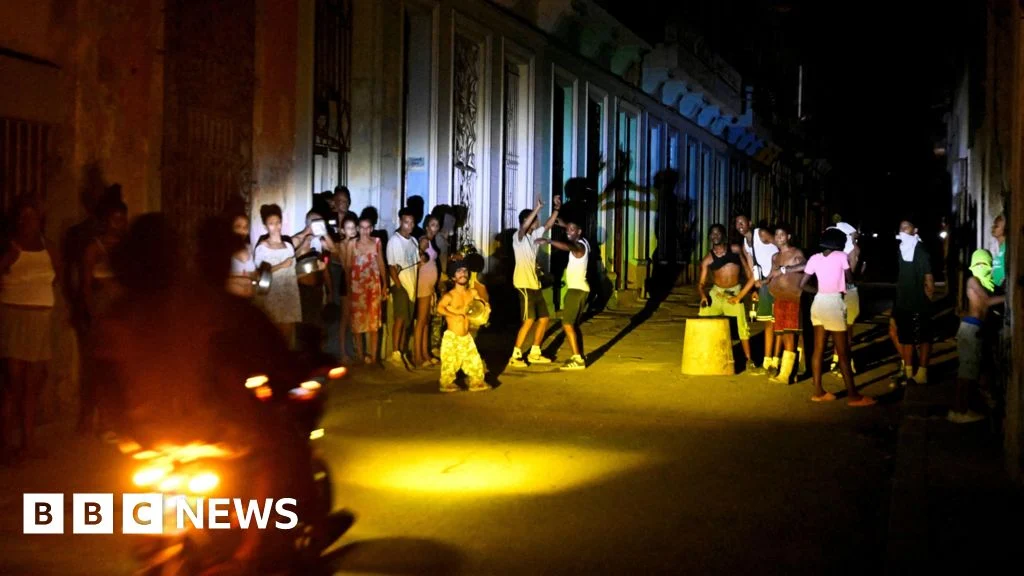
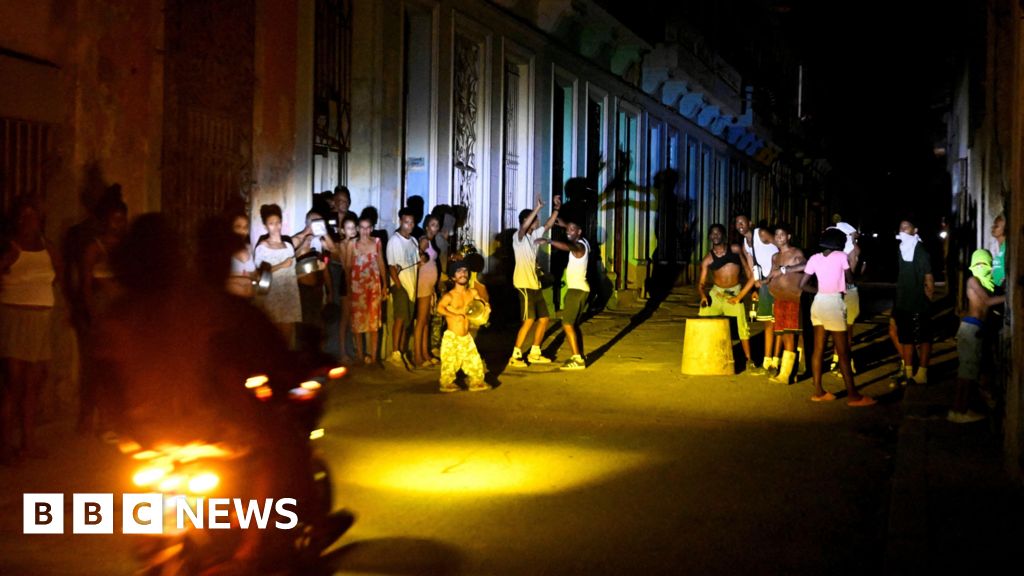
Eyewitness accounts from Havana and other major cities painted a picture of a nation struggling to cope with the sudden loss of power. Streets, typically bustling, were cast into an eerie silence, save for the murmurs of concerned citizens and the occasional clang of pots and pans as frustrations began to boil over. The absence of electricity meant disruptions to telecommunications, refrigeration, and transportation, further compounding the daily struggles of a population already accustomed to austerity. Businesses, already operating on thin margins, faced significant losses due to spoiled goods and lost operating hours, adding another layer of economic hardship.
A Week of Instability: Recurring Grid Failures
This national blackout is not an isolated incident but rather the most recent and severe symptom of a deteriorating energy landscape. It marks the second nationwide collapse within a mere seven days and the third major blackout to afflict the island nation this month alone. Such frequent and widespread outages point to a system under immense strain, teetering on the brink of continuous failure. The previous week’s blackout had also left millions without power, prompting similar, albeit less widespread, public outcry. The increasing frequency of these systemic failures suggests that stopgap measures are no longer sufficient to maintain the stability of the national grid, raising alarm bells about the long-term reliability of Cuba’s energy supply.
For ordinary Cubans, these recurring blackouts are not just an inconvenience but a profound disruption to every aspect of life. Access to clean water, which often relies on electrically powered pumps, becomes compromised. Food preservation, especially in a tropical climate, is a constant battle without refrigeration. Communication with family members, both on the island and abroad, is hampered, leading to increased anxiety and isolation. The psychological toll of living with such unpredictability adds another layer of stress to an already challenging existence.
Roots of the Energy Crisis: Sanctions, Infrastructure, and Fuel Scarcity
The profound energy crisis plaguing Cuba is a complex tapestry woven from decades of economic challenges, an aging infrastructure, and, most critically, the severe impact of intensified U.S. sanctions and a stringent fuel blockade.
The US Embargo and Fuel Blockade
At the heart of Cuba’s current fuel scarcity lies the long-standing U.S. economic embargo, which has been significantly tightened by the Trump administration since 2017. While the embargo itself dates back to the 1960s, recent measures have specifically targeted Cuba’s ability to acquire foreign oil. These measures include sanctions against shipping companies and vessels involved in transporting oil to the island, as well as foreign financial institutions facilitating such transactions. This "maximum pressure" campaign aims to choke off Cuba’s access to international markets and revenue, with the explicit goal of pressuring the Communist government to enact political reforms.
Historically, Cuba has relied heavily on oil imports, primarily from Venezuela, a key political and economic ally. However, Venezuela’s own internal crises and U.S. sanctions against its oil industry have drastically reduced its capacity to supply Cuba. The U.S. blockade makes it exceedingly difficult for Cuba to find alternative suppliers willing to risk secondary sanctions from Washington, leading to a critical deficit in the fuel necessary to operate its thermal power plants. These plants, which generate the vast majority of Cuba’s electricity, require a constant and reliable supply of crude oil and refined fuels to function. The lack of fuel not only curtails power generation but also prevents the optimal maintenance and repair of existing infrastructure, creating a vicious cycle of decay.
Aging Infrastructure
Beyond the immediate challenge of fuel scarcity, Cuba’s electricity infrastructure is characterized by its advanced age and chronic underinvestment. Many of the island’s power plants date back to the Soviet era, utilizing outdated technology that is inefficient, prone to breakdowns, and expensive to maintain. Decades of economic hardship, exacerbated by the U.S. embargo, have meant that funds for modernization, spare parts, and routine maintenance have been severely limited. This has led to a gradual deterioration of the entire electrical grid, from generation facilities to transmission lines and distribution networks.
The existing thermal power plants, such as the Antonio Guiteras in Matanzas or the Felton plant in Holguín, are frequently operating below capacity or undergoing emergency repairs, contributing significantly to the grid’s instability. The lack of redundancy in the system means that the failure of even a single major plant can have cascading effects, potentially leading to a nationwide blackout, as witnessed this week. While there have been efforts to diversify the energy mix with renewable sources like solar, their contribution remains marginal compared to the island’s overall energy demands.
Economic Strain
The broader economic strain on Cuba acts as a multiplier to the energy crisis. With a GDP per capita significantly lower than many of its Caribbean neighbors, the Cuban government faces immense challenges in funding essential services, let alone large-scale infrastructure projects. The tourism sector, a crucial source of foreign currency, has also been impacted by global events and U.S. travel restrictions, further limiting the government’s ability to invest in energy solutions. This economic vulnerability means that even if fuel were available, the financial resources required to purchase it, transport it, and maintain the infrastructure are often scarce, trapping the nation in a cycle of energy insecurity.
Rising Public Dissent and Government Response
The escalating energy crisis and its profound impact on daily life have ignited rare but significant instances of public dissent across the island, challenging the tightly controlled political environment in Cuba.
Unrest on the Streets
On Monday, as the nation grappled with the latest blackout, signs of growing public frustration manifested in protests. In central Havana, residents took to banging pots and pans – a traditional form of protest known as "cacerolazo" – to express their anger and despair over the lack of electricity and the broader economic hardships. Such spontaneous demonstrations are uncommon in Cuba, where public gatherings without official authorization are strictly prohibited.
More alarmingly, in the central Cuban town of Morón, protesters reportedly attacked and set fire to the local Communist Party headquarters on the same day. This act of direct defiance against a symbol of state authority represents a significant escalation of unrest and indicates a deeper level of popular discontent. The implications of such an act in a country where political dissent is met with severe repercussions are profound, underscoring the gravity of the current situation.
The Cuban government maintains a firm stance against unauthorized demonstrations, often viewing them as attempts to destabilize the state. Those who defy the ban risk arrest and lengthy jail sentences, a reality that typically keeps public protests to a minimum. The fact that these demonstrations occurred despite such risks highlights the depth of the frustration felt by many Cubans.
Official Statements on Stability
In response to both the blackouts and the nascent protests, the Cuban government has consistently emphasized its commitment to maintaining order and restoring essential services. While acknowledging the difficulties, official rhetoric often frames the challenges as a result of external pressures, primarily the U.S. embargo, rather than internal governance issues. President Miguel Díaz-Canel, in various public appearances, has urged national unity and resilience, reiterating the government’s resolve to overcome adversity.
The state-controlled media typically downplays or omits reports of public dissent, focusing instead on restoration efforts and the narrative of national resistance against external aggression. However, the visible nature of the current crisis, with millions directly affected, makes it increasingly difficult to entirely control the narrative, forcing the government to navigate a delicate balance between acknowledging the problem and maintaining political stability.
Geopolitical Chessboard: US-Cuba Relations at a Critical Juncture
The current crisis in Cuba is inextricably linked to the volatile dynamics of U.S.-Cuba relations, which have intensified dramatically under the Trump administration, reaching a level of animosity not seen in decades.
Trump Administration’s Stance
Since the seizure of former Venezuelan President Nicolás Maduro on January 3, President Donald Trump has been vocal about his administration’s "maximum pressure" campaign against socialist governments in the Western Hemisphere. Speculation has mounted regarding similar potential actions or pressures against Cuba. Trump has openly suggested a "friendly takeover" of Cuba, later remarking that it would be an "honour." These statements have been interpreted by Havana as thinly veiled threats of military intervention or regime change.
Crucially, President Trump has explicitly linked the lifting of the debilitating fuel embargo to the removal of Cuba’s President Miguel Díaz-Canel, a staunch regional ally of Venezuela. This demand represents a significant escalation, making the lifting of sanctions contingent on internal political changes within Cuba, a condition that Havana vehemently rejects as an infringement on its sovereignty.
The Venezuelan Connection
The strategic link between Cuba and Venezuela is a cornerstone of the geopolitical tensions. For years, Venezuela provided Cuba with subsidized oil in exchange for medical personnel and other services, forming a critical economic lifeline for the island. The U.S. administration views this alliance as a threat to regional stability and has targeted both nations with sanctions, aiming to sever their ties and weaken their respective governments. The seizure of Maduro, whether by U.S. forces or allied regional actors, would send a clear message to Cuba about the potential consequences of defying U.S. policy.
Cuban Defiance and Defense
In the face of what it perceives as growing U.S. aggression, the Cuban government has reaffirmed its commitment to national defense. Speaking to campaigners delivering humanitarian supplies this weekend, President Díaz-Canel stated that the island has a "preparation plan to raise our people’s readiness for defence" against any potential U.S. military aggression. This rhetoric is designed to rally the population and send a clear message to Washington that Cuba will not yield to external pressure or threats to its sovereignty. The Cuban armed forces regularly conduct military exercises to demonstrate their preparedness for such scenarios, drawing on decades of experience with potential U.S. confrontations.
Stalled Diplomatic Efforts
Despite the escalating rhetoric and tensions, there have been confirmed initial phases of bilateral talks between the American and Cuban governments aimed at ending the crisis. However, the progress and substance of these discussions remain unclear, and the public statements from both sides suggest a wide chasm in their positions.
On Friday, Cuban Deputy Foreign Minister Carlos Fernandez de Cossio unequivocally insisted that "the political system of Cuba is not up for negotiation, and of course neither the president nor the position of any official in Cuba is subject to negotiation with the United States," as reported by Reuters. This statement firmly rejects the core condition set by President Trump for lifting the embargo, indicating that any diplomatic resolution would require a significant shift in stance from either or both parties, a prospect that currently appears distant.
International Solidarity and Humanitarian Aid
Amidst the deepening crisis and geopolitical maneuvering, Cuba has also received an outpouring of international solidarity, particularly from socialist groups and allies.
The "Nuestra America" Convoy
Over the weekend, a coalition of international socialist groups arrived in Havana, bringing with them a flotilla of aid known as the "Nuestra America" convoy. This humanitarian mission, originating from Mexico, was designed to show support for the Cuban government and its people. The convoy, despite being delayed by rough sea conditions, was expected to arrive in Havana’s port on Monday, laden with crucial aid donations including solar panels, basic food kits, and medicines. The arrival of such aid is not merely a material contribution but also a powerful symbolic gesture, demonstrating international support for Cuba’s sovereignty and resistance against the U.S. embargo. The solar panels, in particular, represent a tangible effort to help Cuba diversify its energy sources and reduce its reliance on fossil fuels, which are increasingly difficult to acquire.
Broader Global Reactions
Beyond this specific convoy, various international bodies and countries have expressed concern over the humanitarian implications of the U.S. sanctions and the resulting energy crisis in Cuba. Organizations like the United Nations have repeatedly called for an end to the U.S. embargo, citing its detrimental impact on the Cuban population. Allies such as Russia and China have also offered diplomatic support and, in some cases, economic assistance, further complicating the geopolitical landscape and underscoring the international dimension of the Cuban crisis.
Implications and Outlook
The current confluence of energy crisis, public dissent, and heightened U.S.-Cuba tensions casts a long shadow over the island’s future, presenting profound implications across humanitarian, economic, and political spheres.
Humanitarian Impact
The immediate humanitarian impact of the recurring blackouts is severe. Beyond the lack of lighting and refrigeration, the disruption to water supply, healthcare services (especially for those requiring electrically powered medical equipment), and communication networks poses significant risks to public health and well-being. The long-term effects could include increased food insecurity, a decline in public health standards, and a rise in social instability if basic needs continue to go unmet. The arrival of aid, while crucial, can only offer temporary relief against systemic challenges.
Economic Resilience
Cuba’s already fragile economy faces an existential threat from the prolonged energy crisis. Blackouts cripple productivity across all sectors, from agriculture to manufacturing and the vital tourism industry. Foreign investment, already deterred by U.S. sanctions and bureaucratic hurdles, will likely shrink further in an environment of extreme energy unreliability. The government’s ability to generate revenue and provide essential services will be severely constrained, potentially leading to further economic contraction and hardship for its citizens. The informal economy, often a survival mechanism for many Cubans, also suffers significantly from the lack of power.
Political Stability
The rare public protests witnessed this week signal a growing erosion of public patience and trust in the government’s ability to manage the crisis. While the Cuban government has historically maintained tight control over public discourse and dissent, widespread and recurring hardships could strain its capacity to maintain political stability. The government’s response to these protests, balancing repression with attempts to address public grievances, will be critical in determining the future trajectory of internal political dynamics. An increase in discontent could lead to further crackdowns, exacerbating human rights concerns.
Future of US-Cuba Relations
The current standoff between Washington and Havana appears to be at a critical impasse. President Trump’s explicit demand for regime change as a condition for lifting the embargo is a non-starter for the Cuban government, effectively freezing any meaningful diplomatic progress. The risk of escalation, whether through further sanctions, covert actions, or even direct confrontation, remains a palpable concern. The future of bilateral talks hinges on a fundamental shift in approach from either side, or potentially a change in administration in the United States. Without a diplomatic breakthrough, Cuba is likely to remain locked in a cycle of economic hardship and political tension, with its people bearing the brunt of the ongoing crisis. The international community watches closely, aware that the situation in Cuba holds broader implications for regional stability and the principles of national sovereignty.

Related Posts
Zambia on Edge: Opposition Leader Arrested Amid Allegations of Insurrection Plot and Election Tensions
Rescuers search for survivors of powerful Indonesia earthquake

