Terror groups under increased scrutiny in DNI’s annual threat report
The Office of the Director of National Intelligence (ODNI) released its comprehensive 2026 Annual Threat Assessment on Wednesday, providing a stark evaluation of the evolving security landscape facing the United States, its overseas military installations, and its strategic partners. In a significant departure from the rhetorical norms of previous administrations, Director of National Intelligence Tulsi Gabbard, testifying before the Senate Select Committee on Intelligence, characterized the current global landscape as a civilizational struggle. The report emphasizes the resurgence of ideological extremism, the persistence of Iranian-backed proxy networks, and the shifting dynamics of insurgent groups across the Middle East and Africa.
A Fundamental Shift in Intelligence Rhetoric
In her remarks to the Senate, Director Gabbard focused heavily on the ideological underpinnings of global instability, specifically targeting what she described as "Islamist ideology" and its threat to "Western civilization." This terminology marks a notable shift in the American intelligence community’s public-facing communications. While prior reports often focused on specific kinetic threats or state-sponsored cyber activities, the 2026 assessment elevates ideological warfare to a primary concern.
"The spread of Islamist ideology, in some cases led by individuals and organizations associated with the Muslim Brotherhood, poses a fundamental threat to freedom and foundational principles that underpin Western civilization," Gabbard stated during her testimony. She further argued that these groups leverage religious and political frameworks to recruit, secure financial backing, and pursue the establishment of a caliphate governed by Sharia law.
Analysts have noted that this language aligns with a broader administrative shift toward a more nationalist and ideologically defined foreign policy. Daniel Byman, director of the Warfare, Irregular Threats and Terrorism Program at the Center for Strategic and International Studies (CSIS), observed that the focus on "Western civilization" reflects a coordinated approach with certain European allies who view migration and ideological shifts as existential threats. The inclusion of the Muslim Brotherhood in this context suggests an expansion of the U.S. "watch list" of organizations deemed to be at the root of regional instability.
The State of Hezbollah and the Iranian Proxy Network
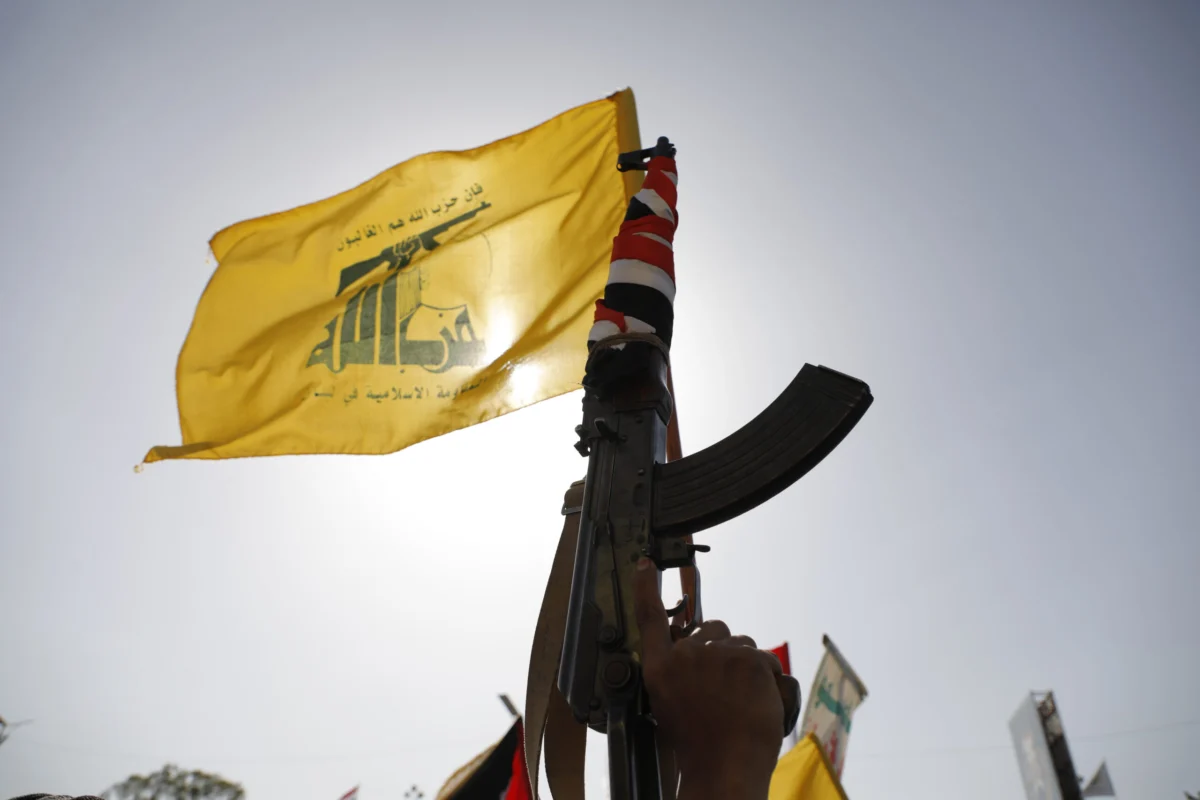
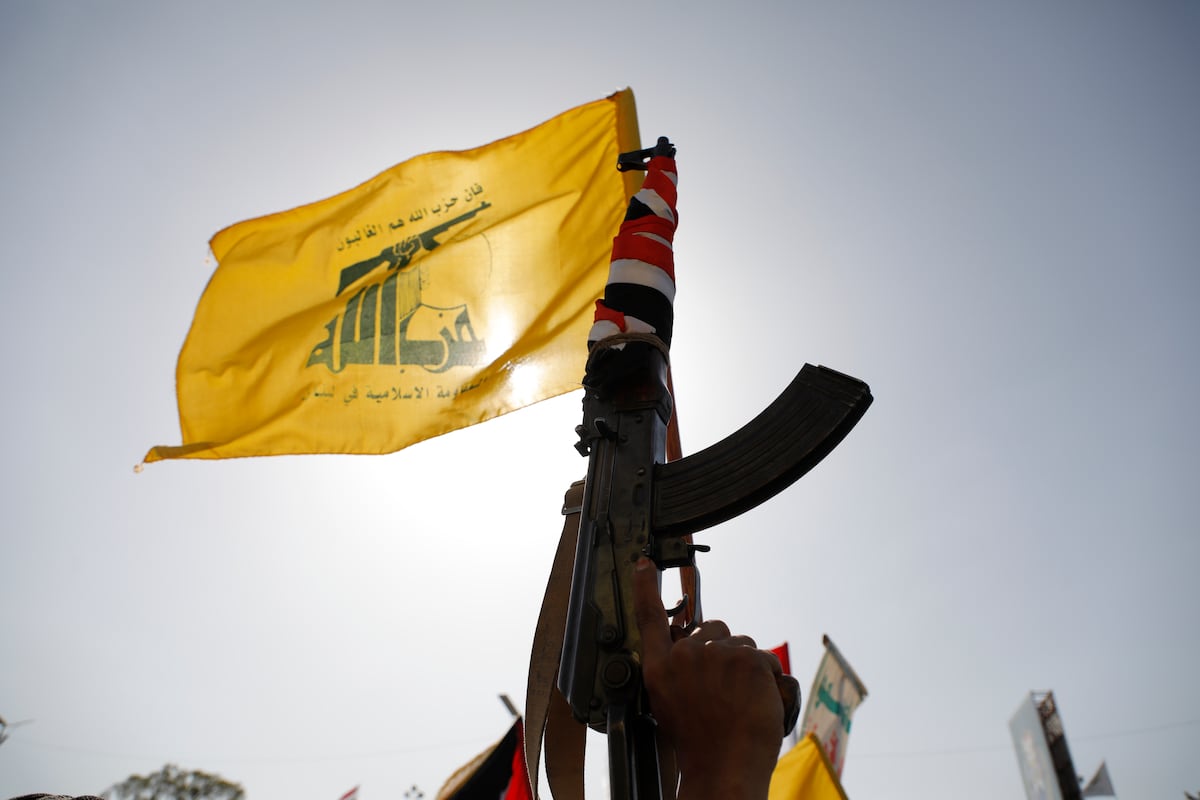
A central pillar of the 2026 report is the continued threat posed by Hezbollah, the Lebanese Shia organization. Despite suffering significant losses over the last two years, Hezbollah remains a formidable regional actor. The report details how the group has been "severely degraded" following intensive Israeli military operations in southern Lebanon, which successfully eliminated a large portion of its senior political and military command structure.
However, the ODNI warns that degradation is not synonymous with defeat. The Lebanese government has struggled to implement any meaningful disarmament of the group, leaving a vacuum where Hezbollah’s remaining cells can operate. Furthermore, the geopolitical landscape has shifted significantly following the collapse of the Assad regime in Syria. Historically, Syria served as the primary conduit for Iranian weapons and financial support to Hezbollah. While the "land bridge" has been largely severed, the report indicates that sophisticated smuggling operations persist, utilizing covert routes to bypass new border controls.
The threat posed by Hezbollah extends beyond the Levant. The report highlights a suspected drone strike on a British air base in Akrotiri, Cyprus, earlier this month. Intelligence officials believe this attack was a demonstration of Hezbollah’s remaining long-range capabilities and a signal to Western powers regarding their support for Israeli operations.
Escalation in Iraq and the Impact of Joint U.S.-Israeli Operations
The 2026 assessment also draws attention to the deteriorating security situation in Iraq, where Iranian-backed militias such as Kataib Hezbollah continue to target U.S. assets. While Kataib Hezbollah recently announced a "temporary suspension" of attacks on the U.S. Embassy on March 18, 2026, the ODNI views this as a tactical pause rather than a strategic shift.
The report links the increased volatility in Iraq directly to the ongoing joint U.S.-Israeli operations against Iranian military infrastructure. As the "shadow war" between Jerusalem and Tehran becomes more overt, Iraq has become a primary theater for retaliatory strikes. The intelligence community notes that these militias have upgraded their arsenal with more precise loitering munitions and short-range ballistic missiles, posing an increased risk to the approximately 2,500 U.S. service members currently stationed in the country.
Chronology of Key Events Leading to the 2026 Assessment
To understand the urgency of the 2026 report, it is necessary to examine the sequence of events that have reshaped global security over the past quarter:
- January 10, 2026: U.S. and allied forces launch a series of preemptive strikes against ISIS cells in eastern Syria following a coordinated attack that resulted in the deaths of three American service members.
- February 6, 2026: A high-profile attack at Bondi Beach, Australia, is linked to ISIS-Khorasan (ISIS-K), signaling the group’s continued interest in "soft targets" within Western nations.
- March 2, 2026: A drone strike targets the RAF Akrotiri base in Cyprus. Intelligence suggests the involvement of Hezbollah-affiliated actors operating from maritime launch points.
- March 18, 2026: Kataib Hezbollah in Iraq announces a temporary cessation of hostilities against the U.S. Embassy, citing a desire to avoid further "regional escalation" while maintaining their right to respond to "Zionist aggression."
- March 20, 2026: The ODNI officially releases the Annual Threat Assessment, with DNI Gabbard testifying before the Senate.
The Resurgence of ISIS and the Vacuum in Syria
The fall of the Assad dictatorship has created a complex security vacuum in Syria, which the 2026 report identifies as a major breeding ground for a potential ISIS resurgence. While the group no longer controls vast swaths of territory as it did in 2014, it has successfully transitioned into a resilient insurgency.
In Syria, ISIS is capitalizing on the lack of a centralized authority and the presence of numerous competing rebel factions to regroup. The report warns that without a stable governing body in Damascus, ISIS could regain the capacity to launch large-scale operations within the region.
Simultaneously, the threat from ISIS-Khorasan (ISIS-K) remains a top priority. While the group has recently focused on regional targets—particularly in Southwest Asia and against the Taliban in Afghanistan—the Bondi Beach attack in February serves as a reminder of their global ambitions. The 2026 assessment notes that ISIS-K remains the most likely affiliate to attempt a "spectacular" attack on Western soil, utilizing a decentralized network of radicalized individuals.
Territorial Gains and Local Governance by African Militants
The report provides a sobering look at the expansion of Islamist groups across the African continent. Organizations such as Al-Shabaab in the Horn of Africa and Boko Haram in Nigeria have moved beyond mere hit-and-run tactics to establishing forms of local governance.
Daniel Byman’s analysis supports the report’s findings, noting that while these groups may lack a robust international strike capability, they are "doing very well" locally. In Somalia, Al-Shabaab continues to control significant rural areas and has successfully infiltrated government institutions in Mogadishu through a sophisticated intelligence and extortion network. In Nigeria and the Sahel, Boko Haram and its offshoots have exploited the withdrawal of European counter-terrorism forces to seize territory and resources.
The 2026 report suggests that the danger of these groups lies in their ability to create "black holes" of governance where they can train fighters and generate revenue through illicit trade, including kidnapping, mining, and human trafficking.
Implications for U.S. Foreign Policy and National Security
The 2026 Annual Threat Assessment carries significant implications for the future of U.S. military and diplomatic engagement. The explicit focus on "Western civilization" and "Islamist ideology" suggests that the administration may move toward a more ideological vetting process for foreign aid and security partnerships.
- Reevaluation of Alliances: The U.S. may prioritize ties with nations that share this civilizational framework, potentially straining relations with more secular or multi-confessional partners in the Middle East.
- Increased Focus on Counter-Ideology: The intelligence community is likely to seek increased funding for programs aimed at countering the "Muslim Brotherhood" influence, both domestically and abroad.
- Shift in Middle East Posture: With the Syrian "land bridge" disrupted, the U.S. may pivot its regional strategy toward maritime security and the protection of Mediterranean assets, as evidenced by the concern over the Cyprus drone strike.
- Heightened Domestic Vigilance: The mention of "immigrants" in the context of civilizational threats, as noted by Byman, suggests that domestic intelligence and border security will be increasingly viewed through the lens of the Annual Threat Assessment.
Conclusion: A More Complex and Ideological World
The 2026 Annual Threat Assessment paints a picture of a world that is no longer defined solely by state-on-state competition, but by a fragmented landscape of ideological actors and resilient proxies. The report’s emphasis on the survival of Western principles reflects a hardening of the American intelligence posture. As Hezbollah adapts to its degraded state, as ISIS-K looks for international vulnerabilities, and as African insurgencies consolidate power, the U.S. intelligence community is signaling that the coming years will be defined by a persistent, multi-faceted, and deeply ideological struggle.
While the report acknowledges the successes in degrading top-tier leadership in groups like Hezbollah, the overarching message is one of caution. The persistence of the "Islamist caliphate" ideal and the continued support from Tehran for its proxy networks ensure that the U.S. military and intelligence apparatus will remain on a high-alert footing for the foreseeable future. The 2026 assessment serves as a foundational document for an administration that views the defense of the West not just as a matter of border security, but as an ideological imperative.

Related Posts
Trump Signs Executive Order Restricting Defense Contractor Reliance on Chinese Critical Minerals and Supply Chains

Doodle Labs Scales Global Manufacturing Footprint Amid Surging Demand for Resilient Drone Communication Systems in Ukraine