Escalating Cross-Border Conflict Claims Over 1,000 Lives in Lebanon as Israeli Attacks Intensify Amidst Broader Regional Tensions
Twenty people were killed and 57 wounded in a series of Israeli attacks on Lebanon on Friday, March 20, 2026, according to figures released by the Lebanese Disaster Risk Management Unit. These latest casualties bring the total death toll from Israeli strikes since March 2, 2026, to a staggering 1,021, marking a significant escalation in the ongoing conflict. The official National News Agency further reported that the number of wounded has risen to 2,641, with 134,616 individuals registered as displaced and seeking refuge in shelters across the country. The grim statistics underscore the severe humanitarian crisis unfolding in Lebanon, as the region grapples with the fallout from what has been termed a "War on Iran," an overarching conflict that appears to be manifesting on multiple fronts, including the volatile Israel-Lebanon border.
Deepening the Immediate Impact: March 20th Strikes
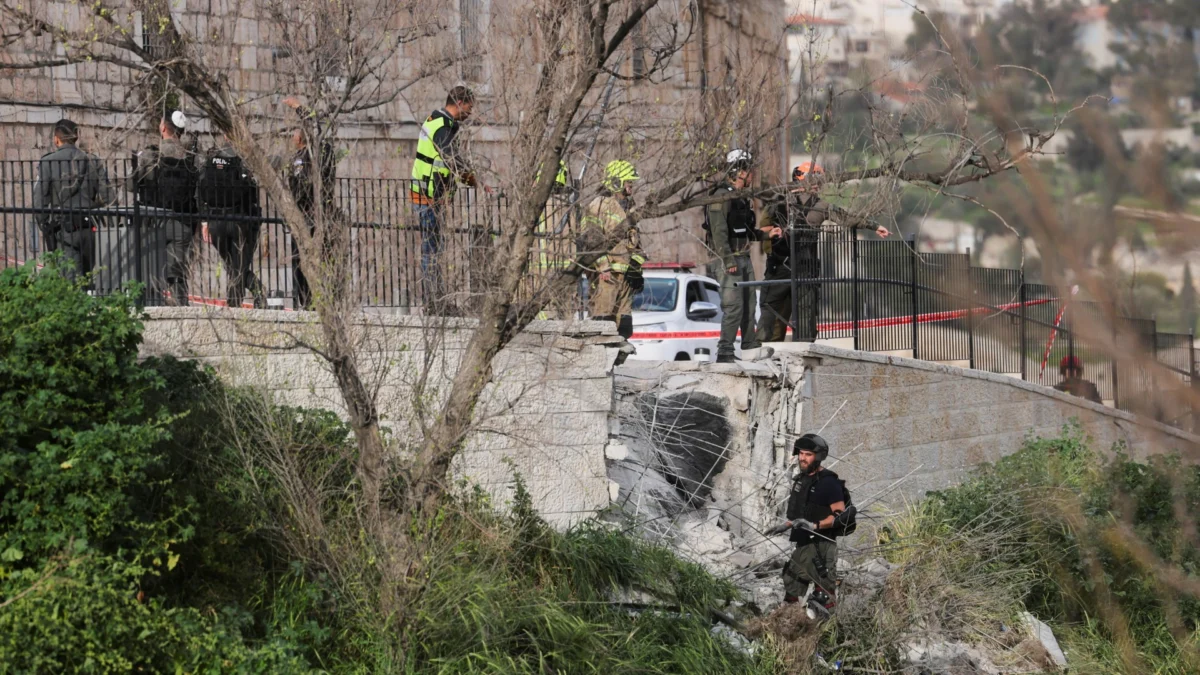
The attacks on March 20th, which targeted various locations predominantly in southern Lebanon but also reportedly extending to areas further north, utilized a combination of aerial bombardments and precision missile strikes. While specific targets were not immediately detailed by official Lebanese sources, local reports indicated hits on residential areas, agricultural lands, and critical infrastructure. Eyewitness accounts from towns near the border spoke of intense explosions and widespread panic, with rescue teams struggling to reach affected zones amidst ongoing threats. The Lebanese Civil Defense was actively involved in extracting casualties from collapsed structures and providing immediate medical attention to the wounded, many of whom sustained severe injuries requiring extensive hospitalization. Hospitals in Tyre, Sidon, and Beirut were reportedly overwhelmed, activating emergency protocols to cope with the influx of victims. The nature of the weaponry used suggested advanced precision-guided munitions, consistent with previous Israeli military operations in the region.
Escalation and Context of the Conflict
The current surge in hostilities between Israel and Lebanon, culminating in the tragic figures reported on March 20th, is deeply rooted in a complex historical antagonism, now exacerbated by the broader regional context of a "War on Iran." While the specific triggers for the onset of this particular phase of intense cross-border conflict on March 2nd, 2026, remain subject to varying interpretations by the belligerents, it is widely understood as a spillover or direct consequence of a wider geopolitical confrontation.
Historically, Israel and Lebanon have been locked in cycles of conflict, largely driven by the presence and activities of Hezbollah, a powerful Shiite political party and militant group in Lebanon, which Israel views as a direct proxy for Iran. Past wars, notably in 1982 and 2006, have demonstrated the devastating potential of full-scale conflict between the two nations. The current hostilities, however, appear to be unfolding within a new and more dangerous regional paradigm, where the "War on Iran" implies a direct or indirect confrontation with Tehran and its network of allies and proxies across the Middle East. This framework suggests that the Israel-Lebanon front is not an isolated conflict but rather a critical theatre in a much larger strategic struggle for regional dominance and security.
From Israel’s perspective, its operations are likely framed as pre-emptive or retaliatory strikes aimed at degrading Hezbollah’s military capabilities, preventing the transfer of advanced weaponry from Iran, and neutralizing perceived threats emanating from Lebanese territory. Israeli defense officials, while not directly commenting on specific Lebanese casualty figures, have consistently stated their commitment to protecting Israeli citizens from hostile actions, often accusing Hezbollah of embedding military assets within civilian populations, thereby implicating civilians in the conflict.
For Lebanon, the attacks represent a severe violation of its sovereignty and a direct threat to its civilian population. The Lebanese government, already grappling with profound economic and political crises, finds itself caught between a powerful non-state actor (Hezbollah) and a technologically superior adversary (Israel), with its national infrastructure and civilian lives bearing the brunt of the violence.
A Month of Devastation: A Chronology Since March 2nd
The period commencing March 2nd, 2026, has been characterized by an alarming intensification of cross-border exchanges, marking a sharp departure from earlier, more contained skirmishes.
- Early March (March 2-7): The initial days saw an immediate surge in Israeli airstrikes, primarily targeting suspected Hezbollah positions and infrastructure in southern Lebanon. Lebanese reports indicated significant damage to towns like Bint Jbeil, Aita al-Shaab, and Maroun al-Ras. Retaliatory rocket fire from Lebanon, attributed to Hezbollah, targeted northern Israeli communities, prompting further Israeli responses. The cumulative death toll quickly surpassed 100 within the first week, with hundreds more injured and tens of thousands displaced from border villages.
- Mid-March (March 8-14): The conflict escalated geographically, with Israeli strikes reported deeper into Lebanese territory, including parts of the Bekaa Valley, a known stronghold for Hezbollah. These operations were justified by Israel as targeting supply lines and storage facilities for Iranian-backed groups. Simultaneously, the frequency and intensity of Lebanese rocket attacks on northern Israel also increased, forcing widespread evacuations and disrupting daily life for Israeli citizens near the border. Humanitarian organizations began reporting severe shortages of medical supplies and difficulties accessing affected areas in southern Lebanon.
- Late Mid-March (March 15-19): This period witnessed a consolidation of the humanitarian crisis. The number of displaced persons swelled dramatically, overwhelming existing shelter capacities. Infrastructure damage became more pervasive, affecting water and electricity networks. International calls for de-escalation grew louder, but without immediate effect. The daily casualty count remained high, steadily pushing the cumulative figures towards the thousand mark.
- March 20th: The latest reported attacks, claiming 20 lives and 57 wounded, epitomize the relentless nature of the conflict. The cumulative figure of 1,021 deaths since March 2nd underscores the unprecedented scale of civilian harm in this latest chapter of hostilities.
Humanitarian Crisis Deepens
The relentless violence since March 2nd has precipitated a profound humanitarian catastrophe in Lebanon. With 134,616 individuals registered as displaced, a significant portion of the population in southern Lebanon has been uprooted from their homes, many seeking refuge in temporary shelters, schools, and even relatives’ homes in safer areas further north. These figures are dynamic and likely underreport the true scale of displacement, as many seek refuge outside official channels.
The displaced populations face dire conditions. Shelters are often overcrowded, lacking adequate sanitation, clean water, and sufficient food supplies. Children, in particular, are vulnerable, suffering from psychological trauma, disruption to their education, and increased risk of illness due to poor living conditions. Access to healthcare has been severely hampered, with numerous medical facilities damaged or rendered inaccessible, and medical personnel struggling to operate under constant threat. Essential medicines and supplies are dwindling, posing a significant challenge to treating both war-related injuries and chronic illnesses.

Agricultural lands, a vital source of livelihood for many communities in southern Lebanon, have been devastated by bombardments and fires, threatening food security for both displaced families and those who remain. The United Nations Office for the Coordination of Humanitarian Affairs (OCHA) has issued urgent appeals for international assistance, highlighting the immediate need for emergency shelter, food aid, medical supplies, and psychosocial support services. Aid convoys, however, face significant logistical and security challenges in reaching the most affected areas, further exacerbating the crisis.
Official Responses and International Appeals
The Lebanese government has vehemently condemned the Israeli actions, characterizing them as acts of aggression and flagrant violations of international law and Lebanon’s sovereignty. In a series of official statements, the Lebanese Ministry of Foreign Affairs has appealed to the United Nations Security Council and other international bodies to intervene decisively, enforce a ceasefire, and hold Israel accountable for civilian casualties and infrastructure damage. Prime Minister Najib Mikati, in an address to the nation, vowed to protect Lebanese citizens and called for national unity in the face of the ongoing crisis, while simultaneously emphasizing Lebanon’s commitment to international resolutions. However, the government’s ability to exert full control over all armed groups operating within its borders, particularly Hezbollah, remains a complex challenge, often limiting its capacity to unilaterally de-escalate.
Israeli officials, including Prime Minister Benjamin Netanyahu and Defense Minister Yoav Gallant, have maintained that their military operations are strictly defensive, aimed at neutralizing threats posed by Hezbollah and other Iranian-backed groups operating from Lebanese territory. They have repeatedly asserted Israel’s right to self-defense and blamed Hezbollah for deliberately operating from within civilian areas, thereby exposing Lebanese civilians to danger. Israel has also reiterated its warnings against any attempts to further escalate the conflict, particularly in the context of the broader "War on Iran."
The international community has responded with growing alarm. UN Secretary-General António Guterres has repeatedly called for an immediate cessation of hostilities, stressing the imperative to protect civilians and adhere to international humanitarian law. UNIFIL (United Nations Interim Force in Lebanon), deployed in southern Lebanon to monitor the cessation of hostilities, has reported increasing challenges in maintaining stability and has itself faced risks amidst the escalating violence. Major global powers, including the United States, European Union nations, and Russia, have issued statements expressing deep concern over the regional instability. While some have urged restraint from all parties, others have focused on condemning specific actions, often aligning with their geopolitical interests. Diplomatic efforts, though ongoing, have yet to yield a breakthrough towards a sustainable ceasefire, highlighting the profound complexities and deep-seated animosities fueling the conflict.
Economic Fallout and Long-Term Repercussions
The economic repercussions of the intensified conflict are devastating for Lebanon, a nation already teetering on the brink of financial collapse. Infrastructure damage extends beyond immediate conflict zones, impacting critical national assets. Preliminary assessments suggest billions of dollars in losses to housing, transportation networks, energy grids, and public services. The port of Beirut, still recovering from the catastrophic 2020 explosion, faces renewed risks and disruptions to shipping, crucial for Lebanon’s import-dependent economy.
The agricultural sector, a backbone for many rural communities, has been severely hit. Fields lie fallow or are destroyed, livestock lost, and farmers displaced, jeopardizing local food production and exacerbating food insecurity. The tourism industry, a potential lifeline for economic recovery, has been completely paralyzed, with travel advisories deterring any visitors. Foreign investment, already scarce, is likely to evaporate further, plunging the country deeper into recession.
The long-term reconstruction effort will be monumental, requiring substantial international aid and a stable political environment, neither of which appears imminent. The repeated cycles of destruction and rebuilding drain national resources and perpetuate a state of economic fragility, making it exceedingly difficult for Lebanon to escape its chronic crises. The displacement of over 134,000 people also places an immense strain on social services and the national budget, diverting funds from essential development projects to emergency relief.
Regional Stability on the Brink
The Israel-Lebanon front is undeniably a critical flashpoint in the broader "War on Iran," acting as a barometer for regional tensions. The escalating conflict carries significant risks of a wider regional conflagration, potentially drawing in other state and non-state actors. Syria, already ravaged by years of civil war and a conduit for Iranian influence, could become further destabilized. The involvement of various militias and proxy groups across the Levant, all with connections to Iran, could ignite multiple fronts, creating a catastrophic domino effect across the Middle East.
Major global powers, particularly the United States and Russia, play pivotal roles in the region, supporting different sides or attempting to mediate. Their diplomatic efforts, or lack thereof, will be crucial in shaping the trajectory of this conflict. A full-scale regional war could have devastating consequences for global energy markets, international shipping lanes, and global security, prompting widespread international intervention or, conversely, a dangerous period of neglect. The current situation places immense pressure on international law and humanitarian principles, raising questions about accountability for civilian harm and the effectiveness of international mechanisms for conflict resolution. The future outlook for peace and stability in the Middle East appears increasingly precarious, with the civilian populations of countries like Lebanon bearing the immediate and most tragic costs of these complex, interconnected conflicts.
The urgent need for a diplomatic resolution and a robust international commitment to de-escalation cannot be overstated. Without immediate intervention, the humanitarian catastrophe in Lebanon will only deepen, and the risk of a wider regional conflict will continue to loom large, threatening to engulf the entire Middle East in an unprecedented era of instability and suffering.

Related Posts
British Consulate in Jerusalem’s X Account Suspended Hours After Critical Post on Israeli Administrative Detention
US Strikes Bushehr, Iran, Escalating Regional Conflict