Geopolitical Strategy and Domestic Priorities Drive Recent Shifts in Chinese Military Aviation Activity Near Taiwan
The recent fluctuation in the frequency of People’s Liberation Army (PLA) flight operations within Taiwan’s Air Defense Identification Zone (ADIZ) has prompted intensive analysis from regional security experts and government officials in Taipei. After a period of sustained, high-intensity incursions characterized by dozens of daily sorties, the first three weeks of March 2026 saw a marked reduction in Chinese military aviation activity. While the lull was temporary—with activity levels surging again in mid-March—the shift has highlighted a complex interplay of diplomatic signaling, domestic political cycles in Beijing, and the logistical pressures exerted by global economic volatility.
According to data released by Taiwan’s Ministry of National Defense (MND), the People’s Liberation Army Air Force (PLAAF) significantly throttled back its presence near the island starting in early March. For several days between March 7 and March 16, the MND recorded as few as two to eight aircraft sorties per 24-hour period, a stark contrast to the previous monthly averages which often saw daily incursions reaching double digits or more. This decline has led analysts to examine a confluence of factors, ranging from the upcoming summit between U.S. President Donald Trump and Chinese President Xi Jinping to the internal administrative requirements of China’s annual "Two Sessions" political meetings.
Chronology of Recent Military and Political Developments
To understand the recent shifts in the Taiwan Strait, it is necessary to examine the timeline of events leading into the spring of 2026. The geopolitical landscape has been shaped by both scheduled political events and unforeseen regional conflicts that have altered the operational environment for the PLA.
- January 2026: Beijing announced the removal of two high-ranking military officials, including a senior vice-chairman of the Central Military Commission (CMC). This purge, part of an ongoing anti-corruption and loyalty drive within the military hierarchy, created a temporary leadership vacuum and necessitated internal restructuring.
- February 2026: The escalation of conflict in the Middle East, specifically involving the United States and Iran, led to a dramatic spike in global energy prices. Jet fuel costs rose by approximately 80%, creating a significant budgetary burden for high-tempo military operations globally.
- March 4–11, 2026: China held its "Two Sessions"—the annual plenary sessions of the National People’s Congress (NPC) and the Chinese People’s Political Consultative Conference (CPPCC). During this period, the nation’s top leadership focuses on legislative agendas, economic targets, and internal stability.
- March 7–16, 2026: Taiwan’s MND reported a significant drop in PLA sorties, with some days recording only two aircraft near the island.
- March 17–19, 2026: A sharp resumption of activity was noted. The MND reported 28 sorties in the 24 hours ending March 17, followed by 36 aircraft by March 18, and 12 planes by March 19.
- Late April 2026 (Anticipated): A high-stakes summit between President Trump and President Xi is scheduled to take place, aimed at addressing trade imbalances and regional security concerns.
The "Two Sessions" and Internal Military Consolidation
One of the most prominent explanations for the early March lull is the "Two Sessions" political window. Historically, the Chinese Communist Party (CCP) prioritizes domestic stability and a unified political front during this week-long event. Analysts suggest that the PLA often receives a mandate to reduce high-risk maneuvers during major political gatherings to avoid accidental escalations that could distract from the government’s domestic messaging.
Brian Hioe, a non-resident fellow at the Taiwan Research Hub of the University of Nottingham, noted that a decline in incursions is a recurring pattern ahead of and during the Two Sessions. This period requires the military to align its activities with the policy reports and budget approvals being finalized in Beijing. Furthermore, the removal of top generals in January likely contributed a "residual effect." The restructuring of the CMC means that new leadership may have been more cautious in authorizing large-scale exercises until command-and-control protocols were fully stabilized under the new hierarchy.
The Trump-Xi Summit and Diplomatic Signaling
The diplomatic calendar appears to be another primary driver of the PLA’s operational tempo. With a summit between the U.S. and Chinese heads of state scheduled for late April, Beijing may be engaging in a delicate balancing act. Some experts, such as Alexander Huang of the Council of Strategic and Wargaming Studies in Taipei, suggest that China may have sought to avoid unnecessary friction with the Trump administration.
President Trump’s current preoccupation with the conflict in Iran has created a volatile environment where U.S. foreign policy is focused heavily on the Middle East. Beijing may calculate that a temporary reduction in pressure on Taiwan prevents the island from becoming a flashpoint that could force a more aggressive U.S. response during a period when Washington is already on a war footing elsewhere.
However, other analysts argue that the lull was not a concession. Denny Roy, a senior fellow at the East-West Center, suggests that Beijing rarely offers such reductions as "gifts." Instead, any decrease in activity is likely a tactical pause, and the subsequent resumption of flights serves as a reminder to Washington that China’s territorial claims remain a non-negotiable priority. From this perspective, the surge in activity following the Two Sessions is a signal that China will not allow the U.S. to take its restraint for granted.
Economic Pressures and Logistical Realities
The role of economic factors cannot be dismissed in the analysis of military readiness. The ongoing war in the Middle East has disrupted global oil supplies, leading to an 80% increase in the price of jet fuel. For an air force that conducts hundreds of sorties a month, these costs are substantial.
While China’s centralized economy allows it to absorb costs that might paralyze a democratic nation’s defense budget, the PLAAF is not immune to fiscal reality. Analysts in Taipei, including Huang Chung-ting of the Institute for National Defense and Security Research, point out that while fuel prices would not stop the PLA from conducting an invasion or a major exercise, they do influence the cost-benefit analysis of daily "grey zone" harassment.
"Grey zone" tactics—actions that fall below the threshold of open warfare but are designed to exhaust an adversary’s resources and resolve—require a constant presence. When the cost of that presence nearly doubles due to fuel prices, military planners may opt for more targeted, high-impact surges rather than a consistent, daily drain on resources.
Official Responses and Data Analysis
The government of Taiwan has maintained a vigilant but measured stance regarding the fluctuation in flight data. Shen Yu-chung, deputy minister of Taiwan’s Mainland Affairs Council, stated in mid-March that the specific motivations for the Chinese slowdown remain opaque to outside observers, noting that "only China would know" the true internal directives driving the change.
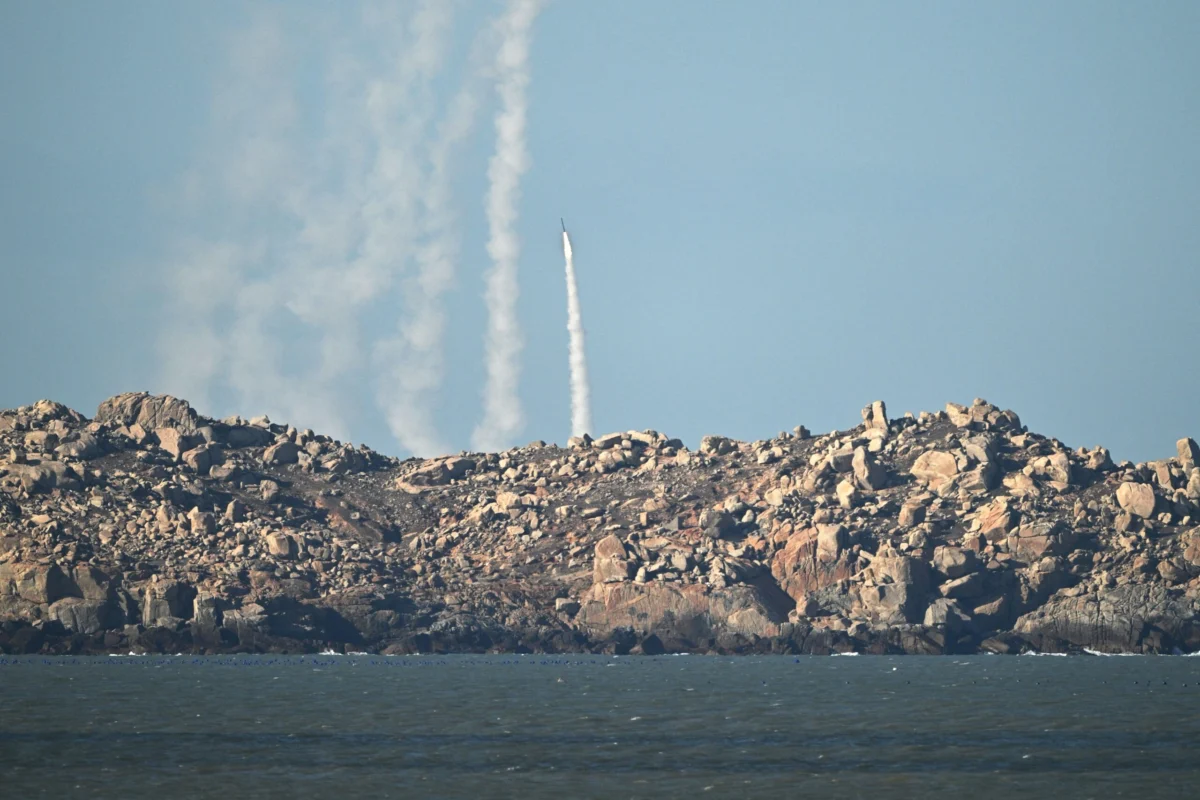
Despite the temporary drop, the data for the third week of March indicates that the PLA has returned to its established baseline of activity. The 36 aircraft reported on March 18 included various platforms, such as J-16 fighters, H-6 bombers, and Y-8 electronic warfare aircraft. These flights often cross the median line of the Taiwan Strait or enter the southwestern ADIZ, forcing Taiwan’s air force to scramble interceptors, broadcast radio warnings, and deploy land-based missile systems for monitoring.
The U.S. Department of Defense has maintained its assessment that while China continues to modernize its military and increase pressure on Taiwan, there are no immediate signs of an imminent invasion. However, U.S. officials have reiterated that the "grey zone" activity is intended to normalize the PLA’s presence near Taiwan, gradually eroding the "status quo" and reducing the reaction time for Taiwan’s defenders.
Broader Implications for Cross-Strait Stability
The recent volatility in PLA flight patterns serves as a reminder of the multi-dimensional nature of the Taiwan Strait conflict. It is not merely a military standoff but a sophisticated game of political theater, economic endurance, and diplomatic signaling.
The resumption of flights to "normal" levels after the Two Sessions suggests that the fundamental strategy of the CCP toward Taiwan has not changed. The goal remains the intimidation of the administration of President Lai Ching-te and the demonstration of Beijing’s ability to project power at will. The use of aircraft sorties as a tool of statecraft allows Beijing to "turn the volume up or down" depending on the international climate.
For Taiwan, the challenge remains one of endurance. The constant need to respond to PLA sorties places a heavy burden on the Republic of China Air Force (ROCAF) in terms of pilot fatigue and airframe maintenance. Whether the PLA flies two planes or thirty-six, the defensive requirement for Taiwan remains a high-stakes endeavor.
As the late April summit approaches, regional observers will be watching the flight data closely. Any further fluctuations will likely be interpreted through the lens of the Trump-Xi dialogue. For now, the "lull" of early March appears to have been a brief intermission in a long-term campaign of attrition, highlighting that while the frequency of incursions may change, the underlying tension in the Western Pacific remains a constant fixture of the global security landscape.

Related Posts
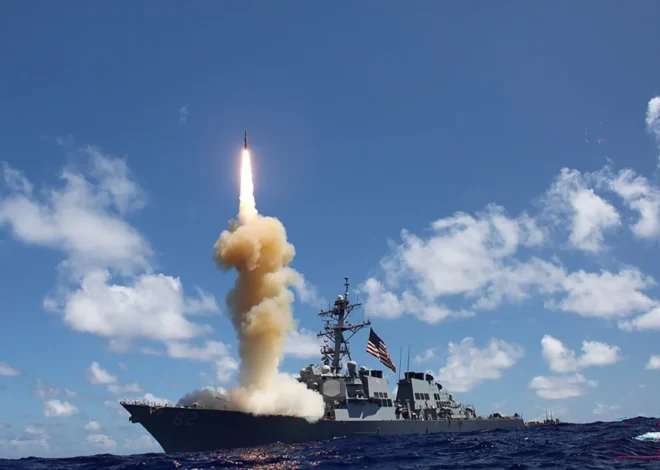
Pentagon Forges Landmark Seven-Year Agreements with Boeing and RTX to Accelerate Standard Missile-3 Production and Stabilize Defense Supply Chains
Boeing Unveils Ultra Low-Cost Seeker to Enhance Missile Inventory and Combat Cost Challenges in Modern Warfare