Lockheed Martin Successfully Tests PrSM Increment 2 Maritime Strike Capability Following Historic Combat Debut in Operation Epic Fury
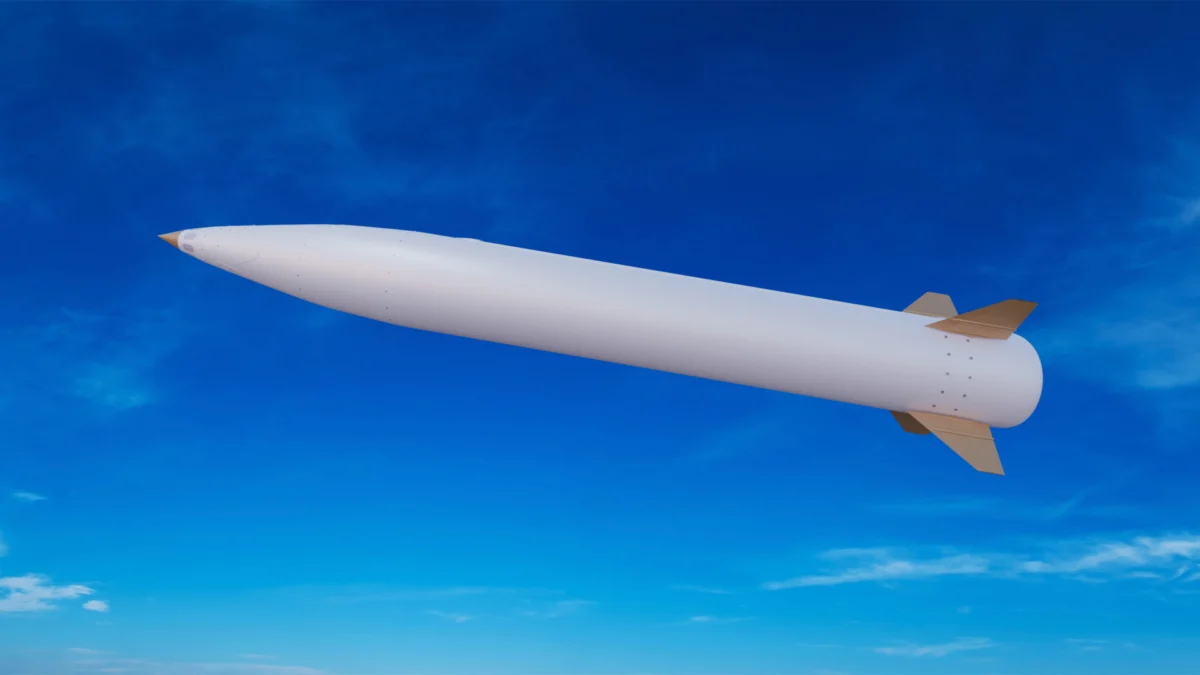
Lockheed Martin has announced the successful completion of the first flight test for the Precision Strike Missile (PrSM) Increment 2, a sophisticated upgrade to the U.S. Army’s premier long-range surface-to-surface weapon system. This milestone follows closely on the heels of the baseline missile’s first combat deployment during Operation Epic Fury in Iran earlier this month. The successful test, conducted from a High Mobility Artillery Rocket System (HIMARS) launcher, demonstrated the weapon’s ability to engage moving targets in a maritime environment, marking a significant leap forward in the Army’s multi-domain operational capabilities. During the exercise, the missile traversed a flight path exceeding 200 miles, successfully validating its advanced seeker technology and navigation systems designed to neutralize fast-moving naval threats and relocating land targets.
The PrSM Increment 2 represents a critical evolution in the Army’s Long-Range Precision Fires (LRPF) portfolio. While the initial version of the missile was designed primarily for static land targets, Increment 2 introduces a multi-mode seeker that allows the projectile to home in on radio frequency emissions or infrared signatures. This capability is specifically engineered for "sea denial" missions, allowing ground-based units to project power into the maritime domain—a strategic necessity in theaters such as the Indo-Pacific and the Baltics. According to Lockheed Martin, the development of this upgraded variant has been accelerated by significant internal and federal investment, reflecting the urgent need for modernized strike capabilities as aging systems reach their sunset phases.
Technical Advancements and the Shift to Maritime Strike
The core of the Increment 2 upgrade lies in its sophisticated guidance package. Unlike the baseline PrSM, which relies on GPS and inertial navigation to strike fixed coordinates, Increment 2 is equipped with an advanced seeker assembly. This allows the missile to detect, track, and strike "fleeting" targets—objects that move between the time of launch and the time of impact. This is particularly vital for naval engagements, where enemy vessels utilize evasive maneuvers and electronic warfare to avoid incoming fire.
The missile maintains the same physical form factor as its predecessor, ensuring full compatibility with existing launch platforms. It is designed to be fired from the M142 HIMARS, a wheeled, highly mobile platform, as well as the M270A2 Multiple Launch Rocket System (MLRS), a tracked vehicle used extensively by the U.S. Army and several NATO allies. A primary advantage of the PrSM over the older Army Tactical Missile System (ATACMS) is its size; the PrSM is sleeker, allowing two missiles to be loaded into a single launch pod, effectively doubling the firepower of a HIMARS or MLRS unit compared to the single-missile capacity of the ATACMS.
Furthermore, the PrSM is designed to withstand extreme environmental conditions. Its airframe and internal components are hardened against turbulent weather and high-altitude atmospheric shifts, ensuring reliability in diverse global climates. The warhead is optimized for fragmentation effects, designed to maximize damage upon impact against both armored land vehicles and the structural hulls of maritime vessels.
Chronology of the Precision Strike Missile Program
The journey of the PrSM from concept to combat-proven asset has been characterized by rapid development and a series of successful milestones:
- 2016–2019: The U.S. Army initiates the LRPF program to replace the ATACMS, seeking a missile with greater range, higher survivability, and increased lethality. Lockheed Martin emerges as the primary contractor.
- December 2019: The first flight test of the baseline PrSM occurs at White Sands Missile Range, New Mexico, meeting all technical objectives.
- 2021–2023: A series of long-range tests pushes the missile’s envelope beyond 400 kilometers (approx. 250 miles). The Army begins exploring the "Increment 2" requirements for maritime targeting.
- October 2025: Facing rising global tensions, the U.S. Army accelerates production of the PrSM. This move coincides with the planned phasing out of the ATACMS, which has seen extensive use in recent regional conflicts.
- March 4, 2026: The baseline PrSM sees its first combat use during Operation Epic Fury. Launched from HIMARS units in open terrain, the missiles are used to strike high-value Iranian military infrastructure.
- March 18, 2026: Lockheed Martin successfully conducts the first flight test of PrSM Increment 2, validating the new seeker technology in a 200-mile flight.
Operation Epic Fury: The Combat Debut
The recent combat use of the PrSM in Iran provided a real-world validation of the system’s reliability and precision. Operation Epic Fury, led by the U.S. Special Operations Command’s Task Force Scorpion Strike, utilized a "system of systems" approach to dismantle adversary capabilities. The PrSM was integrated into a larger tactical web that included the Patriot Interceptor Missile System and the Terminal High Altitude Area Defense (THAAD) system to provide a comprehensive offensive and defensive umbrella.
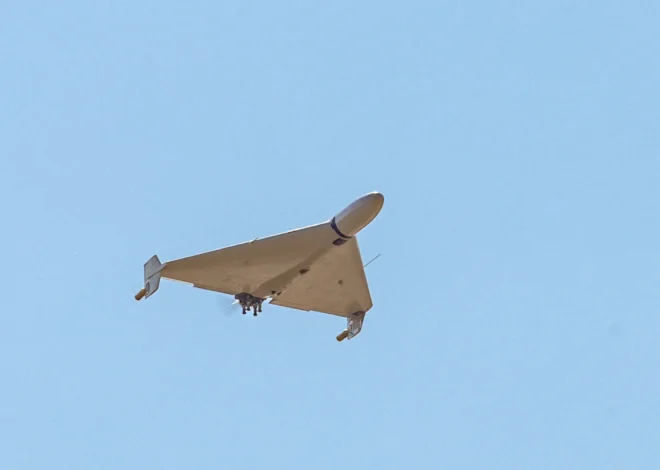
During the operation, the PrSM was fired alongside the LUCAS one-way attack drone, which also saw its first combat deployment. While the LUCAS drones provided loitering munition capabilities to harass and identify targets, the PrSM provided the heavy-hitting, long-range punch required to neutralize fortified positions. Reports from the field indicated that the PrSM’s high speed and steep terminal angle made it exceptionally difficult for local air defense systems to intercept, proving the efficacy of the missile’s stealthy profile and ballistic trajectory.
Official Reactions and Industry Perspectives
The successful test of the Increment 2 variant has drawn praise from both defense industry leaders and military officials. Carolyn Orzechowski, Vice President of Lockheed Martin Precision Fires Launchers and Missiles, emphasized the strategic importance of the upgrade. "With Increment 2, PrSM delivers the long-range capability the Army asked for to defeat moving land and maritime threats," Orzechowski stated. She noted that the rapid transition from the baseline missile’s combat debut to the successful testing of the next iteration demonstrates the agility of the PrSM production line.
Army officials have echoed this sentiment, noting that the PrSM is a cornerstone of the force’s modernization strategy. The ability to strike targets at sea from a land-based launcher fundamentally changes the calculus for adversary navies. By placing HIMARS units on islands or coastal regions, the Army can effectively create "no-go zones" for enemy shipping, supporting the U.S. Navy’s efforts to maintain sea control.
Defense analysts suggest that the "significant investment" mentioned by Lockheed Martin refers to a combination of Rapid Prototyping funds and Multi-Year Procurement (MYP) contracts authorized by Congress. These financial mechanisms have allowed the company to stabilize its supply chain and increase the rate of production to meet the demands of both the U.S. military and international partners who have expressed interest in the system.
Broader Strategic Impact and Future Implications
The emergence of the PrSM Increment 2 has profound implications for global security architecture. For decades, the U.S. Army was largely viewed as a land-centric force. However, the introduction of long-range, anti-ship missiles like the PrSM Increment 2 signals a shift toward Multi-Domain Operations (MDO), where land forces play a decisive role in air and sea battles.
In the Indo-Pacific theater, the PrSM Increment 2 acts as a powerful deterrent against amphibious assaults and naval blockades. Its range—which is expected to eventually exceed 500 kilometers due to the U.S. withdrawal from the Intermediate-Range Nuclear Forces (INF) Treaty—allows it to strike targets well beyond the reach of traditional tube artillery. This "reach" is essential for the Army’s "island-hopping" strategies, where small, mobile units can threaten large naval formations.
In Europe, the compatibility of the PrSM with the M270A2 MLRS ensures that NATO allies can seamlessly integrate this new capability into their existing structures. As European nations look to bolster their defenses against potential aggression, the PrSM offers a high-precision alternative to traditional airstrikes, which may be hampered by sophisticated integrated air defense systems (IADS).
Looking ahead, Lockheed Martin has two more flight tests scheduled for the PrSM Increment 2 before the end of 2026. These tests will likely focus on increasing the complexity of the target maneuvers and testing the missile’s performance in electronic warfare environments where GPS signals may be jammed. As the original PrSM continues its rollout to active-duty units, the Increment 2 version is expected to enter low-rate initial production (LRIP) shortly after the successful completion of this year’s testing cycle. The transition from the ATACMS to the PrSM represents more than just a hardware upgrade; it is a fundamental shift in how the U.S. Army intends to fight and win in the mid-21st century.

Related Posts
Pentagon Forges Landmark Seven-Year Agreements with Boeing and RTX to Accelerate Standard Missile-3 Production and Stabilize Defense Supply Chains
Boeing Unveils Ultra Low-Cost Seeker to Enhance Missile Inventory and Combat Cost Challenges in Modern Warfare