Bahrain Intensifies Crackdown on Free Expression and Assembly Amid Escalating Regional Conflict
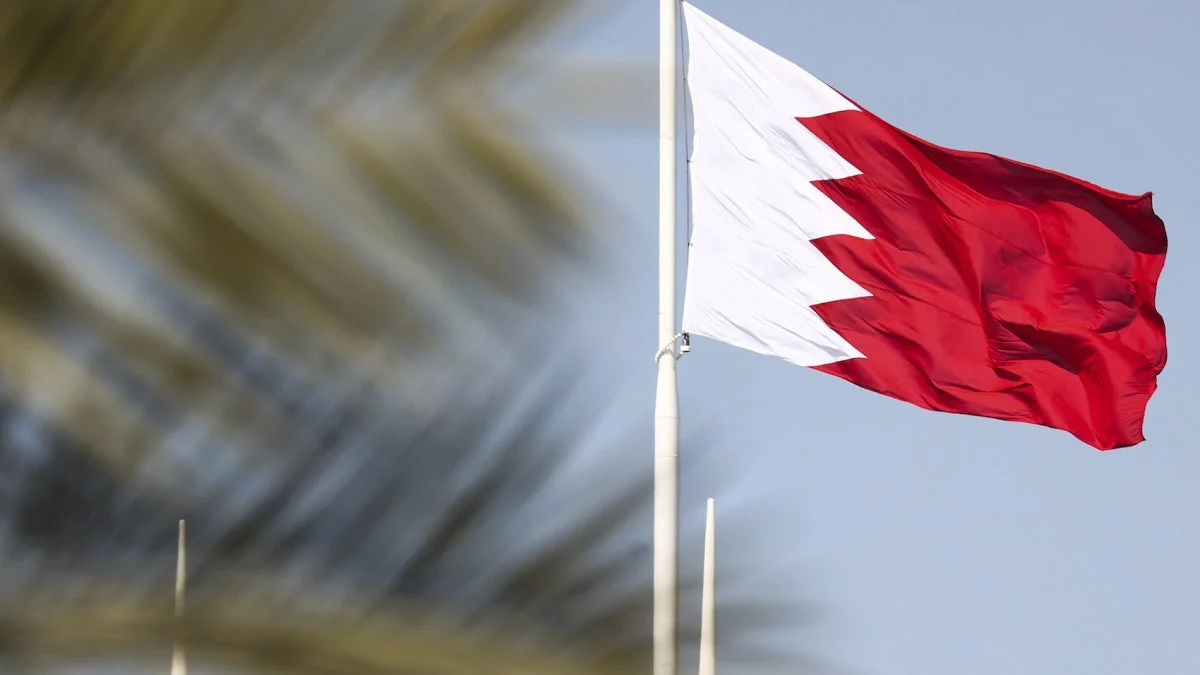
Bahraini authorities have launched a sweeping campaign against peaceful expression, detaining dozens of individuals and seeking the death penalty in several cases as regional tensions between the United States, Israel, and Iran reach a critical boiling point. According to a comprehensive report released by Human Rights Watch, the Kingdom of Bahrain has utilized the cover of regional instability to stifle domestic dissent, targeting activists, social media users, and protesters who have voiced opposition to the ongoing military escalations or expressed sympathy for regional figures. The crackdown marks a significant escalation in the government’s long-standing efforts to restrict civic space, with human rights monitors warning that the authorities are now employing charges of treason and espionage to justify the harshest possible judicial outcomes.
Niku Jafarnia, a prominent researcher for Yemen and Bahrain at Human Rights Watch, emphasized the gravity of the situation, stating that at such a volatile moment, the Bahraini government should be prioritizing the protection of its people rather than criminalizing those who exercise their fundamental right to demonstrate or post on digital platforms. The organization has called for the immediate and unconditional release of all individuals held for peaceful expression, urging the government to adhere to international human rights standards during a period of heightened geopolitical risk.
A Chronology of Suppression and Regional Escalation
The current wave of arrests is inextricably linked to the military conflict that intensified on February 28, 2026. During this period, Israel and the United States launched thousands of strikes across Iranian territory, prompting a massive response from Iranian forces. This response included waves of drone and missile attacks, some of which targeted Bahraini territory. According to the Bahrain News Agency, the official state media outlet, these attacks resulted in the deaths of at least two individuals and left 46 others injured. While the government cited these attacks as a justification for increased security measures, human rights observers argue that the state’s response has disproportionately targeted non-violent expression.
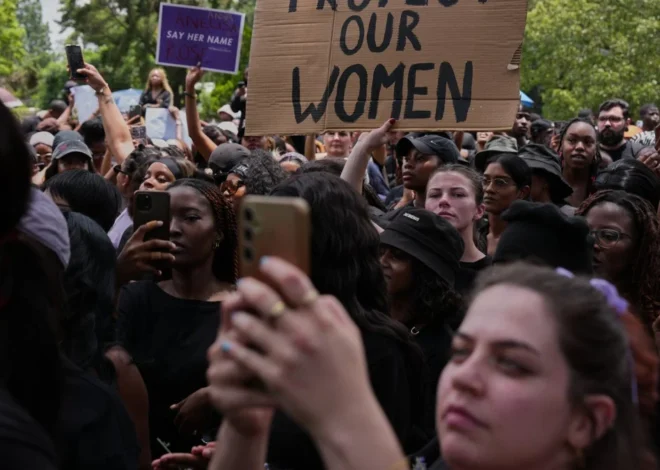
The timeline of the domestic crackdown began in earnest on March 1, 2026, when authorities detained Hussein Naji and Ali Mahdi. The two men were participating in a peaceful march toward the United States embassy to protest American military actions in Iran. Eyewitness accounts and family members described the march as entirely non-violent, yet the men were charged with inciting hatred against the government, causing public disorder during a time of war, and endorsing a state hostile to Bahrain.
By March 4, the tactics of the security forces became more aggressive. Muneer Mirza Ahmed Mushaima was detained at his residence during a pre-dawn raid. His wife, Fatima Mansor, recounted how approximately 30 men, some in civilian clothing and others in Ministry of Interior uniforms, stormed their home at 3:30 a.m. without presenting a search or arrest warrant. Video evidence reviewed by investigators showed a fleet of patrol vehicles and personnel in black uniforms and white helmets surrounding the property. Mushaima, who has a history of being detained by authorities since 2017, was accused of managing a social media account containing unlawful content, a charge he and his family vehemently deny.
On March 6, the Interior Ministry’s Civil Defense Council formally banned all protests. The council justified the move as a necessary measure to uphold public safety in the face of what it termed "blatant Iranian aggression." This decree effectively criminalized any form of public assembly, regardless of its intent or level of peaceability.
The crackdown continued into the second week of March. On March 8, security forces targeted the youth, questioning Youssef Ahmed and arresting his 16-year-old son. The father reported that plainclothes officers arrived in unmarked vehicles, demanded identification without providing legal documentation, and searched his son’s phone. Despite the son not participating in any demonstrations, he was taken into custody the following afternoon.
Legal Overreach and the Threat of Capital Punishment
The most alarming development in the current crackdown occurred on March 9, when Bahrain’s Public Prosecution issued a public statement announcing that it had requested death sentences for several defendants. The prosecution alleged that these individuals were involved in espionage, a charge that has historically been used by the Bahraini state to silence high-profile political opposition. Human Rights Watch and other international bodies have long opposed the death penalty, noting that its application is often marred by arbitrariness, prejudice, and judicial error.
On the same day, the Interior Ministry’s Police Media Center announced the arrest of six migrant workers—five from Pakistan and one from Bangladesh. These individuals were accused of filming and publishing videos showing the effects of Iranian strikes on Bahrain. The authorities claimed that the dissemination of such footage constituted "sympathy with and glorifying hostile acts," thereby harming security and public order.
The use of the death penalty for crimes related to expression or political affiliation is a direct violation of international standards. The Arab Charter on Human Rights, which Bahrain has ratified, stipulates that the death penalty should be restricted to the "most serious crimes" and applied only in exceptional circumstances. Furthermore, the International Covenant on Civil and Political Rights (ICCPR), to which Bahrain is a party, protects the rights to freedom of expression and peaceful assembly, including in the digital sphere.
The Vulnerability of Migrant Populations
A significant portion of those caught in the current wave of arrests are migrant workers, who make up more than 53 percent of Bahrain’s total population. These individuals are governed by the kafala (sponsorship) system, which ties their legal status to their employers and leaves them highly vulnerable to state abuse. Migrant workers interviewed by human rights groups expressed a profound sense of fear, noting that they have been warned that their employers will not protect them if they are arrested for social media activity.
One worker, who has resided in Bahrain for seven years, described the atmosphere as "suffocating," explaining that even when lives are at risk due to regional conflict, the inability to share information or videos online creates a climate of isolation and terror. The threat of deportation, combined with the possibility of criminal charges, has effectively silenced a major segment of the Bahraini population that has no political representation.
Systemic Repression and the Erosion of Civic Space
The current crackdown is not an isolated incident but rather the latest chapter in Bahrain’s long history of repressing dissent. Since the pro-democracy protests of 2011, the government has increasingly relied on a suite of restrictive laws, including the Penal Code, the Counterterrorism Law, and cybercrime legislation, to dismantle civil society.
Prominent political leaders and human rights defenders continue to languish in prison, many serving life sentences for their roles in previous movements. These include:
- Abdulhadi al-Khawaja: A world-renowned human rights defender.
- Hassan Mushaima: An opposition leader who has been denied adequate medical care.
- Dr. Abduljalil al-Singace: An academic and blogger who has been on a long-term hunger strike to protest the confiscation of his research.
- Sheikh Ali Salman: The leader of the now-dissolved Al-Wefaq National Islamic Society.
The denial of medical care to these prisoners, many of whom suffer from chronic conditions resulting from torture or long-term imprisonment, remains a point of international contention. The current environment of war has allowed the government to further tighten its grip on these detainees while diverting international attention toward the broader regional conflict.
Analysis of Implications
The implications of Bahrain’s current trajectory are twofold. Domestically, the use of "national security" as a blanket justification for arresting social media users and peaceful protesters suggests a total closure of the country’s civic space. By equating dissent or the sharing of information with "treason" and "espionage," the state is effectively criminalizing any narrative that deviates from official government positions.
Internationally, Bahrain’s actions pose a challenge to its Western allies, particularly the United States and the United Kingdom, both of which maintain significant military presences in the Kingdom. The hosting of the U.S. Navy’s 5th Fleet makes Bahrain a strategic partner, but the escalating human rights violations place these allies in a difficult diplomatic position. Human rights advocates argue that by failing to hold Bahrain accountable, the international community is signaling that human rights can be sacrificed for the sake of regional military strategy.
Furthermore, the potential application of the death penalty for expression-related charges would mark a dark turning point for the region. It would set a precedent that wartime conditions grant states the license to execute domestic critics under the guise of counter-espionage.
Conclusion and Calls for Action
The situation in Bahrain remains critical as the regional conflict shows no signs of abating. Human Rights Watch and other civil society organizations continue to monitor the cases of those detained, emphasizing that "enforced disappearances"—where authorities refuse to acknowledge a person’s whereabouts—constitute serious crimes under international law.
The international community is being urged to press the Bahraini government to:
- Unconditionally release all individuals detained for exercising their right to free speech and assembly.
- Abolish the use of the death penalty, particularly for political or expression-based charges.
- Provide transparency regarding the location and legal status of all recent detainees.
- Protect migrant workers from arbitrary arrest and ensure they have access to legal counsel.
As Niku Jafarnia concluded, the use of war as a "cover" for human rights violations is a tactic that undermines the very security the Bahraini government claims to be protecting. Without a reversal of these repressive measures, the Kingdom risks further destabilizing its internal social fabric at a time when regional unity and human dignity are more necessary than ever.

Related Posts
Human Rights Watch Calls for Investigation into Death of Detainee Following Removal from Najaf Hospital by Iraqi Drug Police
Human Rights Watch Urges UN Security Council to Extend Lebanon Peacekeeping Mission Amid Escalating Conflict and Humanitarian Crisis