La Sagrada Familia: Gaudí’s Eternal Project, a Century After His Death
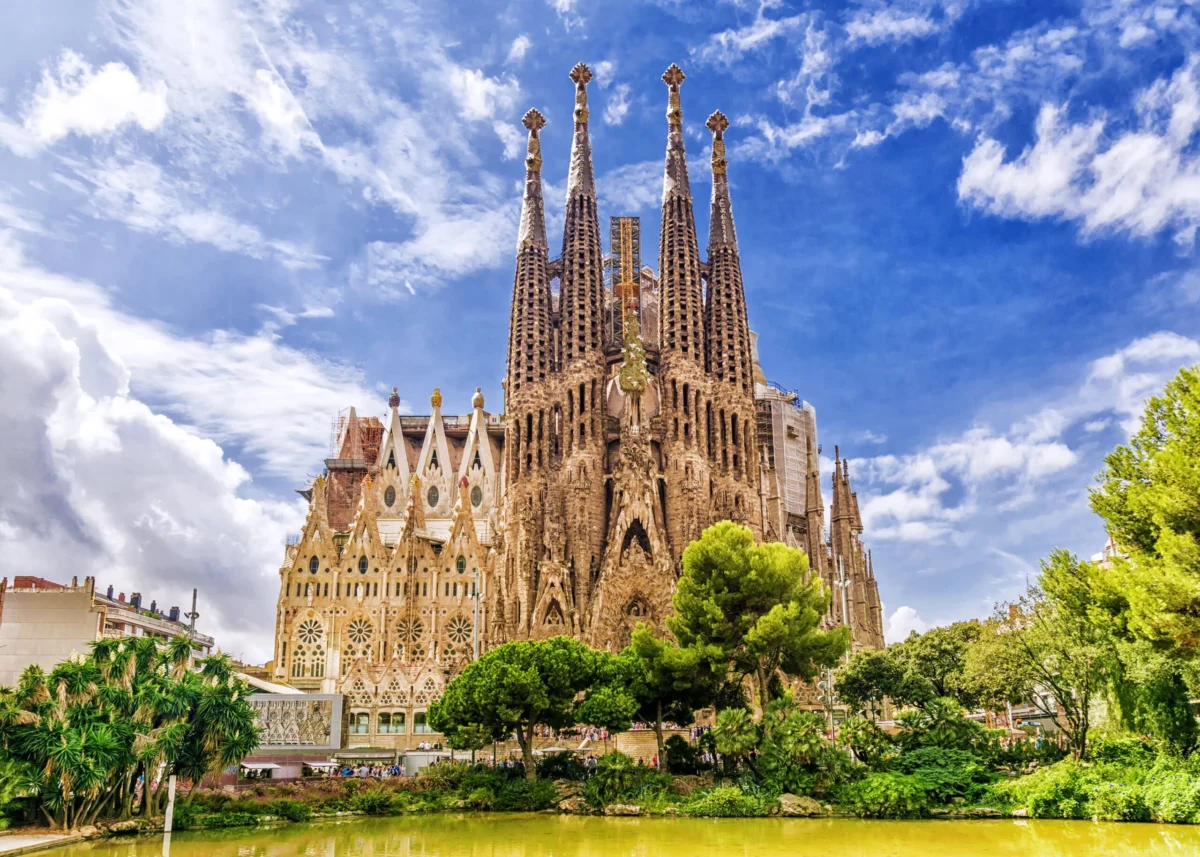
A hundred years after the untimely death of Antoni Gaudí, the architectural marvel that is the Sagrada Familia continues its inexorable rise in Barcelona, a testament to his visionary genius and a project that has become synonymous with the very concept of "eternal." Currently, a significant milestone is being reached as the towers crowning the basilica, destined to make it the tallest church in the world, are meticulously being put into place. This ongoing construction, spanning over a century and a half, underscores the profound legacy of Gaudí, often hailed as "The Architect of God," and the enduring fascination his magnum opus continues to evoke.
The Genesis of a Vision: From Neo-Gothic Beginnings to Gaudí’s Transformative Influence
The story of the Sagrada Familia is not solely one of Gaudí’s singular vision, but also of its evolution and adaptation. The initial project, commissioned in 1882, was entrusted to architect Francisco de Paula del Villar y Lozano. Del Villar envisioned a neo-Gothic basilica, a style prevalent at the time. However, after a year, citing creative differences and financial disagreements, he resigned, paving the way for a young, already burgeoning Antoni Gaudí to take the helm in 1883.
Gaudí, then only 31, radically reinterpreted the original plans. He infused the design with his unique architectural language, a style deeply rooted in nature, spirituality, and Catalan identity. His approach was not merely decorative; it was structural and symbolic. He envisioned a monumental edifice that would serve as a "Bible in stone," with each façade and element conveying religious narratives and theological concepts. The original neo-Gothic framework was preserved in its fundamental layout, but Gaudí’s artistic sensibilities transformed it into something entirely new and groundbreaking. He introduced parabolic arches, hyperboloids, and a wealth of intricate ornamentation inspired by natural forms – trees, bones, flowers – all meticulously engineered to optimize light, acoustics, and structural integrity.
A Century of Construction: Milestones and Setbacks
The construction of the Sagrada Familia has been a protracted and complex undertaking, marked by periods of intense activity and significant challenges.
- 1882: Foundation stone laid for the original neo-Gothic design by Francisco de Paula del Villar y Lozano.
- 1883: Antoni Gaudí appointed as the new architect. He revises the plans, imbuing the basilica with his distinctive style.
- 1892: Construction of the Nativity Façade begins, the only one Gaudí fully oversaw and saw substantially completed before his death.
- 1925: The first of the four evangelist towers, the Tower of St. Matthew, is completed.
- June 10, 1926: Antoni Gaudí dies tragically at the age of 73, struck by a tram. At the time of his death, only a quarter of the basilica was complete, and only one of the towers had been finished.
- Post-Gaudí Era: The project is continued by his disciples and successors, who endeavor to remain faithful to his spirit and intentions.
- 1936: During the Spanish Civil War, anarchists ransacked Gaudí’s workshop, destroying original drawings, plans, and models, creating a significant setback and forcing architects to reconstruct his vision from surviving fragments and his extensive written documentation.
- Late 20th Century: Construction gradually accelerates with the adoption of modern construction techniques and increased public interest and funding.
- 2010: Pope Benedict XVI consecrates the basilica, declaring it a minor basilica.
- 2017: Construction of the towers of the Virgin Mary and the four evangelists is substantially completed.
- Present Day (2026): Focus on the completion of the central tower dedicated to Jesus Christ, the highest point of the basilica, and the Tower of the Virgin Mary, with significant progress being made on the crowning elements.
The financial model for the Sagrada Familia has always been self-sustaining, relying primarily on donations and ticket sales from visitors. This unique funding mechanism has, at times, dictated the pace of construction, making it susceptible to economic fluctuations and the ebb and flow of tourism.
The Towers: Reaching for the Heavens
The current phase of construction, heavily focused on the crowning towers, represents a critical juncture in the basilica’s long history. The completed towers of the Nativity and the four evangelists (St. Matthew, St. Mark, St. Luke, and St. John) already command the Barcelona skyline. The next to be fully realized is the Tower of the Virgin Mary, crowned by a star, and the monumental Tower of Jesus Christ, which will soar to an astonishing 172.5 meters (566 feet), making it the tallest structure in Barcelona and the highest church spire in the world.
These towers are not mere decorative elements; they are integral to Gaudí’s architectural and symbolic program. Each tower is designed to represent different aspects of the Christian faith. The Nativity Façade, representing Jesus’s birth, is teeming with life and joy. The Passion Façade, depicting his suffering, is stark and angular. The yet-to-be-completed Glory Façade will symbolize his resurrection and eternal glory. The towers, in turn, represent the hierarchy of heaven, with the evangelists supporting the Virgin Mary, who in turn supports Jesus Christ.
The construction of these towering elements involves complex engineering and a deep understanding of Gaudí’s original, often incomplete, designs. Modern technology, including 3D modeling and advanced construction materials, plays a crucial role in translating Gaudí’s organic forms into reality. The integration of intricate stone carving, stained glass, and innovative structural solutions demands a highly skilled workforce and a profound respect for the master architect’s original vision.
Gaudí’s Enduring Influence: A Legacy Beyond Architecture
Antoni Gaudí’s life and work were deeply intertwined with his faith and his profound connection to the natural world. He saw God in the curves of a shell, the branching of a tree, the flight of a bird. This reverence for nature permeated his designs, imbuing them with a living, organic quality that sets the Sagrada Familia apart from any other religious structure. He believed that "the straight line belongs to man, the curved line belongs to God," and this philosophy is evident in every soaring arch and sinuous column of the basilica.
His untimely death, while a profound loss, did not halt the momentum of his greatest creation. Instead, it transformed the Sagrada Familia into a symbol of collective effort and enduring dedication. The generations of architects, artisans, and laborers who have contributed to its construction have become custodians of Gaudí’s legacy, each adding their own chapter to this ongoing narrative.
Broader Impact and Implications: Tourism, Culture, and Spiritual Significance
The Sagrada Familia is more than just a construction project; it is a global icon and a significant driver of tourism for Barcelona. Its unique aesthetic and ongoing development draw millions of visitors annually, contributing substantially to the local economy. The UNESCO World Heritage site status of several of Gaudí’s works, including parts of the Sagrada Familia, further cements its importance on the international stage.
The basilica’s spiritual significance continues to grow as it nears completion. It serves as an active place of worship, attracting both pilgrims and art enthusiasts. The ongoing construction itself has become a cultural phenomenon, a symbol of perseverance and the power of a singular artistic vision to transcend time and inspire collective endeavor.
As the towers ascend, symbolizing the culmination of Gaudí’s celestial vision, the Sagrada Familia stands as a powerful reminder of human ingenuity, spiritual devotion, and the enduring power of art to shape our world and inspire awe for generations to come. The "eternal project" is slowly, meticulously, reaching its divine intended form, a century after its visionary creator left this earthly realm.

Related Posts
The Electric Vehicle Battery Health Debate Emerges as Argentina’s EV Market Accelerates

President Donald Trump Confirms Secret Departure from Turkey Amidst Assassination Threat