Time for a tense summit
The Hungarian Standoff and Ukraine Funding
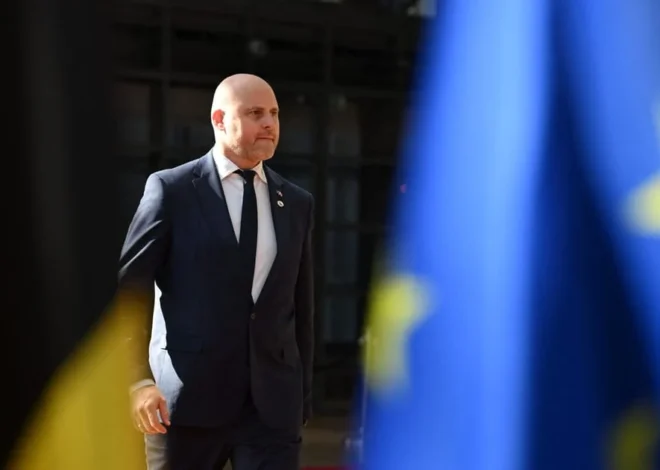
The debate over the proposed €50 billion support package for Ukraine, intended to cover the country’s budgetary needs through 2027, has become the defining feature of the current summit. Since the proposal was first tabled, Prime Minister Viktor Orbán has maintained a position of skepticism, linking the release of funds to the broader EU budget negotiations and his own government’s ongoing disputes with the European Commission regarding the rule of law and frozen cohesion funds.
The tension reached a critical point in late 2023 and has persisted into the current session. For other EU leaders, the funding is not merely a matter of financial policy but a test of the Union’s strategic autonomy and commitment to its eastern flank. Proponents of the aid argue that a failure to secure this funding would signal a fracturing of the Western coalition at a time when the battlefield in Ukraine remains volatile.
Data from the European Commission indicates that the EU has provided over €85 billion in financial, humanitarian, and military support to Ukraine since February 2022. However, the current €50 billion proposal is designed to provide predictability for the Ukrainian state, which is currently facing severe fiscal strain due to the destruction of its infrastructure and the ongoing mobilization efforts. Orbán’s leverage, while significant due to the unanimity requirement for changes to the Multi-annual Financial Framework (MFF), has placed him in a confrontational position with leaders like French President Emmanuel Macron and German Chancellor Olaf Scholz, both of whom have emphasized that the EU must remain united to counter Russian influence.
Geopolitical Realignment and the Middle East Crisis
Beyond the borders of Eastern Europe, the summit is tasked with addressing the escalating instability in the Middle East. The regional conflict, which has prompted fears of a broader conflagration involving Iran, has exposed deep-seated divisions within the European Council regarding the appropriate level of intervention and diplomatic alignment.
The primary point of contention is the European response to the regional spillover of the conflict. While there is a consensus on the need to prevent a wider war, the methodology of that prevention remains debated. Several member states are pushing for a unified, robust stance that includes potential sanctions against Iranian entities suspected of fueling regional militias. Conversely, other nations are more cautious, favoring a traditional diplomatic approach that prioritizes humanitarian aid and prevents a complete severance of communication channels with Tehran.
This debate is inextricably linked to energy security. With winter demand straining the EU’s grid, any disruption to energy flows in the Middle East could have immediate, inflationary consequences for European households. Energy prices, which spiked following the 2022 invasion of Ukraine, remain a sensitive political issue for governments across the continent. The Council is currently debating how to coordinate with Washington to ensure that energy markets remain stable while applying sufficient pressure on state actors contributing to regional instability.
Transatlantic Trade and Industrial Policy
Simultaneously, the European Parliament is preparing for a significant vote on a key segment of the EU-U.S. trade agenda. The proposal involves a targeted reduction of tariffs on specific American industrial goods, a move intended to bolster the transatlantic partnership. However, the proposal has encountered stiff resistance from lawmakers who remain wary of the reliability of the United States as a long-term trade partner, particularly in light of shifting political winds in Washington.
The history of EU-U.S. trade relations over the last decade has been characterized by volatility, ranging from the imposition of steel and aluminum tariffs during the Trump administration to the recent, more collaborative efforts under the Biden administration to align on green technology standards. For European lawmakers, the current vote is a test of whether the EU should deepen its reliance on the U.S. market or focus on "strategic autonomy"—a term championed by French policymakers to suggest that Europe should build its own industrial base independent of external fluctuations.
Supporting data from the European Parliamentary Research Service suggests that the U.S. remains the EU’s largest partner for both goods and services, with trade volume exceeding €1 trillion annually. Despite this, the lack of a comprehensive, permanent free trade agreement continues to cause friction. Proponents of the new tariff cuts argue that they are essential for maintaining the competitive edge of European manufacturers, while opponents cite the risk of being sidelined if U.S. political priorities shift away from international cooperation.
Domestic Challenges: The Belgian Context
On the sidelines of these high-level international deliberations, a domestic issue in Belgium has captured the attention of local authorities and policy analysts alike. While seemingly trivial compared to the geopolitics of the summit, the matter of "excessive fries"—referring to the regulatory challenges surrounding the management of food waste and the environmental impact of the nation’s iconic potato industry—serves as a reminder of the granular issues that domestic governments must manage alongside international obligations.
This issue highlights the broader struggle of European nations to balance traditional cultural industries with the EU’s stringent "Green Deal" requirements. As the bloc pushes for circular economy models, even the most deeply ingrained local customs are being subjected to new legislative scrutiny, creating a point of friction between Brussels as the capital of the EU and Brussels as the capital of Belgium.
Analysis of Implications
The convergence of these events suggests a pivotal moment for the European Union. The outcome of the summit will likely determine the trajectory of European unity for the remainder of the year.
- Strategic Cohesion: If the EU fails to bypass the Hungarian veto on Ukraine funding, the credibility of the Union’s foreign policy will be severely undermined. This could embolden other dissenting voices within the bloc and complicate future efforts to integrate new members.
- Economic Resilience: The interplay between Middle East instability and European energy prices underscores the fragility of the post-2022 energy transition. Any failure to reach a unified stance on energy security could lead to a resurgence of populism fueled by the cost-of-living crisis.
- Transatlantic Strategy: The trade vote acts as a litmus test for the EU’s relationship with Washington. A rejection of the tariff cuts would signal a turn toward protectionism, whereas acceptance could deepen the reliance on U.S. industrial policy, which may not always align with European sustainability goals.
As Zoya Sheftalovich and Sarah Wheaton have observed, the internal dynamics of the European Council are currently shifting. The combination of individual member state interests and the collective need for a cohesive European identity is creating a complex bureaucratic environment. The coming days will reveal whether the current leadership can navigate these competing priorities or if the Union will remain in a state of suspended animation, unable to act decisively on the most pressing issues of the decade.
The European Parliament and the Council continue to operate under the scrutiny of an increasingly polarized public. As negotiations conclude, the official record will be updated through the European Council’s public briefings. For those following the developments closely, further inquiries can be directed to the reporting team via the provided contact channels, ensuring a transparent flow of information as the situation in Brussels continues to evolve.