National Commission for Almajiri and Out-of-School Children Education Distributes 600 Bags of Rice as Ramadan Palliatives in Jigawa State
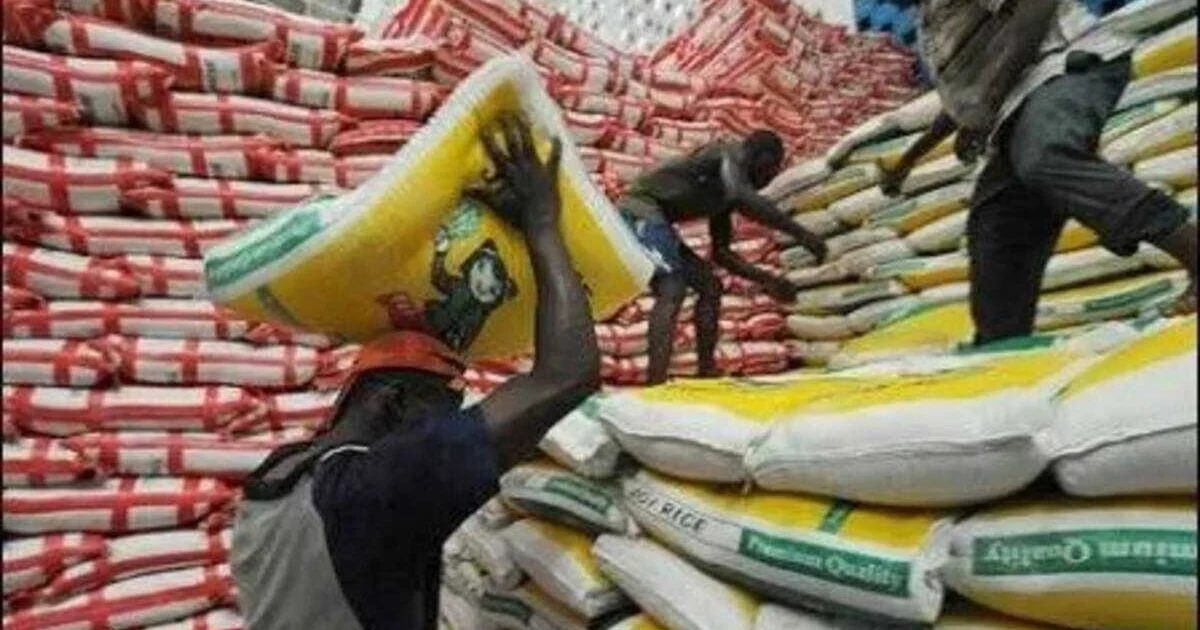
In a strategic move to alleviate the economic pressures currently facing vulnerable populations across Nigeria, the National Commission for Almajiri and Out-of-School Children Education (NCASE) has successfully distributed 600 bags of rice to Islamic scholars and Tsangaya schools within Jigawa State. The distribution exercise, which took place at the Nigerian Union of Journalists (NUJ) Secretariat in Dutse, the state capital, represents a significant intervention aimed at providing food security for educators and students during the holy month of Ramadan.
This initiative was facilitated through the office of the Special Adviser to the President on Political and Other Matters, Ibrahim Masari, and is framed as a core component of President Bola Ahmed Tinubu’s "Renewed Hope Agenda." By targeting the Tsangaya school system—a traditional Islamic education framework that has historically operated on the fringes of the formal national education sector—the government is signaling a shift toward more inclusive social support systems.
Contextualizing the Crisis: The Tsangaya Education System
The Tsangaya system of education, which is deeply rooted in Northern Nigeria, has long been a subject of national debate. Historically, these schools have struggled with inadequate infrastructure, lack of formal curriculum integration, and chronic underfunding. According to various reports from the United Nations Children’s Fund (UNICEF), Nigeria currently hosts approximately 20 million out-of-school children, a significant percentage of whom are affiliated with the Almajiri system.
For years, these institutions have relied heavily on community charity and the subsistence efforts of the Alarammas—the custodians and teachers of these schools. The economic downturn, characterized by high inflation rates and the rising cost of staple food items, has severely impacted the ability of these schools to maintain their daily operations. The distribution of 600 bags of rice serves as a vital stopgap, providing immediate relief to a demographic that is often overlooked in traditional humanitarian response frameworks.
Chronology of the Intervention
The distribution event, held on a Monday in Dutse, was the culmination of weeks of planning and coordination between the Commission and local stakeholders. The process began with the identification of the most affected Tsangaya centers, ensuring that the aid reached the most marginalized scholars and students.
The Commission’s Executive Secretary, Dr. Mohammed Sani Idris, emphasized that the intervention was not merely a singular event but part of a broader, sustained commitment to the dignity of Islamic educators. Represented by the Jigawa State Coordinator, Abubakar Elleman, the Commission articulated a vision where the Tsangaya system is brought into the fold of the national education policy without sacrificing its cultural and religious identity.
Following the distribution, the event served as a platform for dialogue between the government representatives and the beneficiaries, allowing the Commission to gather on-the-ground data regarding the specific daily challenges faced by the schools, such as water access, sanitation, and the integration of basic numeracy and literacy skills.
Official Perspectives and Institutional Support
The involvement of the Grassroots Mobiliser for Better Nigeria Initiative (GBNI) added a layer of civic oversight to the proceedings. Ambassador (Dr) Fatima Mohammed Goni, founder of the initiative, lauded the Commission for its focused, proactive approach. Speaking through the North-West Zonal Coordinator, Abbas Wangara, she noted that the leadership of Dr. Mohammed Sani Idris has introduced a "new lease of life" to the Almajiri education system, moving beyond rhetoric into tangible, supportive action.
"This palliative distribution during Ramadan is a testament to his compassion and the commitment of the Commission to the well-being of Islamic scholars," Wangara stated during the proceedings. The alignment between the Presidency and the Commission is indicative of a centralized strategy to address educational inequality. By leveraging the office of the Special Adviser on Political and Other Matters, the government is effectively bridging the gap between national policy and local implementation.
The Voices of the Beneficiaries
For the recipients, the intervention carried profound emotional and practical weight. Mallam Ahmed Musa, a 61-year-old Alaramma, provided a poignant look into the reality of life in the Tsangaya system. "I’ve dedicated my life to teaching the Quran, and this rice will go a long way in helping me and my students during this Ramadan period," he noted. His testimony reflects the reliance these schools have on intermittent community support, which has dwindled as the national economy has tightened.
Alaramma Fatihu Umar, another beneficiary, highlighted the timeliness of the support, stating that the students had been struggling to meet their basic needs throughout the fasting period. The gratitude expressed by these scholars underscores the necessity of sustained government engagement with the traditional Islamic education sector. For many, this event was the first time they felt recognized as key stakeholders in the national educational landscape.
Broader Implications and Future Outlook
The distribution of these palliatives suggests a transition in how the federal government interacts with the Almajiri system. Rather than viewing the system solely as a challenge to be solved through eradication, the current administration’s approach—through the NCASE—appears to be one of integration and welfare-based support.
However, analysts suggest that while food palliatives are essential for immediate relief, the long-term sustainability of the sector requires more than temporary handouts. The National Commission for Almajiri and Out-of-School Children Education faces the significant task of transitioning these institutions toward a model that incorporates modern pedagogical standards, vocational training, and improved health and sanitation facilities.
The data supports this urgency. The nexus between out-of-school children and national security, social instability, and economic underperformance is well-documented. By investing in the welfare of the teachers (the Alarammas) and the students, the government is effectively engaging with the gatekeepers of a significant portion of Nigeria’s youth population.
Data-Driven Analysis of the Education Sector
To put the Commission’s work into perspective, it is necessary to examine the current state of education in the Northern region. Recent statistics indicate that the net attendance rate for primary education in several Northern states remains below the national average. The integration of the Tsangaya schools is considered a "low-hanging fruit" for increasing national literacy rates.
The NCASE’s current mandate is to:
- Formalize the registration of Tsangaya schools: Establishing a database to monitor enrollment and needs.
- Standardize Curriculum: Ensuring that core Islamic studies are supplemented with foundational literacy and numeracy.
- Infrastructure Development: Improving the physical environment of these schools to ensure safety and health.
The distribution in Jigawa is a physical manifestation of the Commission’s "welfare-first" policy. By building trust with the Alarammas through humanitarian aid, the Commission is creating a receptive environment for the more complex reforms, such as curriculum standardizations, that will follow.
Conclusion
The distribution of 600 bags of rice in Jigawa State is a localized response to a systemic problem. As the Commission continues to navigate the complexities of the Almajiri education system, the success of such initiatives will be measured not just by the quantity of aid delivered, but by the extent to which these schools become safer, more stable environments for learning.
As the Ramadan period concludes, the focus for the Commission will likely shift back to the long-term objectives of educational reform. The positive reception by the scholars and the alignment with the Renewed Hope Agenda suggest that the government is committed to a multi-pronged approach that balances immediate humanitarian relief with the necessary, albeit difficult, work of national educational integration. For the scholars in Jigawa, the impact is clear: a recognition of their service to society and a necessary lifeline to continue their work in the face of unprecedented economic adversity.