Lebanese Cabinet Orders Hezbollah Disarmament Amid Escalating Regional Conflict and Israeli Offensive
The Lebanese government has issued an unprecedented executive mandate banning all military activities by the Iran-backed group Hezbollah and demanding the immediate surrender of its vast arsenal to the Lebanese Armed Forces (LAF). This landmark decision, announced by the Cabinet in early March 2026, follows the outbreak of a direct military conflict between the United States, Israel, and Iran on February 28. The move represents the most significant attempt by the Lebanese state to assert its sovereignty over the paramilitary organization since the end of the Lebanese Civil War in 1990. However, as Israeli airstrikes intensify across the country and Hezbollah continues its missile campaign, the feasibility of enforcing such a decree remains deeply uncertain, raising fears of internal fragmentation and a return to sectarian strife.
The Cabinet’s resolution was triggered by a massive barrage of missiles launched by Hezbollah into northern Israel, marking the definitive collapse of the fragile ceasefire established in late 2024. Hezbollah officials stated the strikes were a direct retaliation for the assassination of Iran’s Supreme Leader, Ayatollah Ali Khamenei, during the opening salvos of the U.S.-led offensive against Tehran. In response, the Lebanese government, led by Prime Minister Nawaf Salam, moved to distance the state from the group’s actions, instructing the army to "prevent any attacks originating from Lebanese territory" and reaffirming Lebanon’s commitment to international law and the cessation of hostilities.
A Rapid Chronology of Escalation
The current crisis is the culmination of a series of regional shifts that began in late 2024. Following a year of cross-border skirmishes that paralleled the conflict in Gaza, a negotiated ceasefire in December 2024 had provided a brief respite for Lebanon. During this period, international mediators attempted to delineate the border and strengthen the presence of the LAF in the south, in accordance with United Nations Security Council Resolution 1701.
However, the regional landscape shifted violently on February 28, 2026, when coordinated U.S. and Israeli strikes targeted Iranian nuclear facilities and command centers. The subsequent death of Ayatollah Khamenei catalyzed a coordinated response from Iran’s "Axis of Resistance." On March 1, Hezbollah mobilized its units, and by March 2, thousands of rockets were launched toward Israeli population centers, including Haifa and the Galilee.
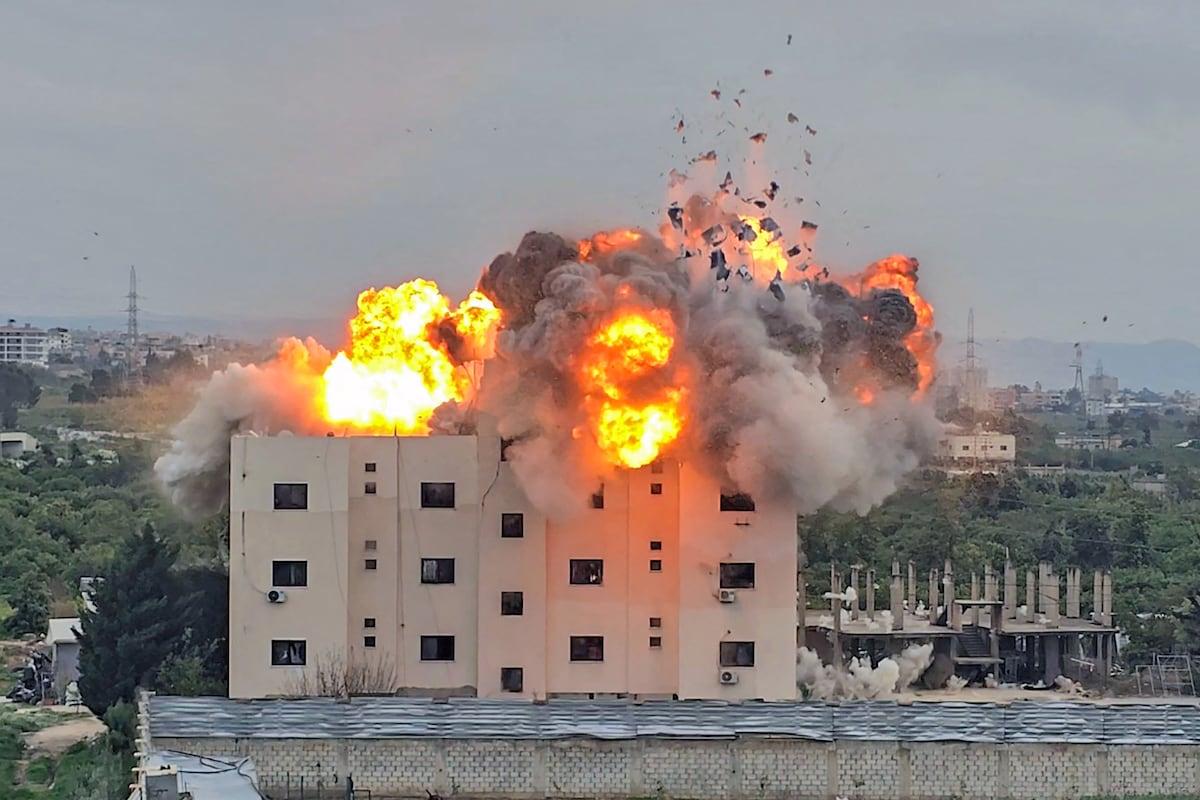
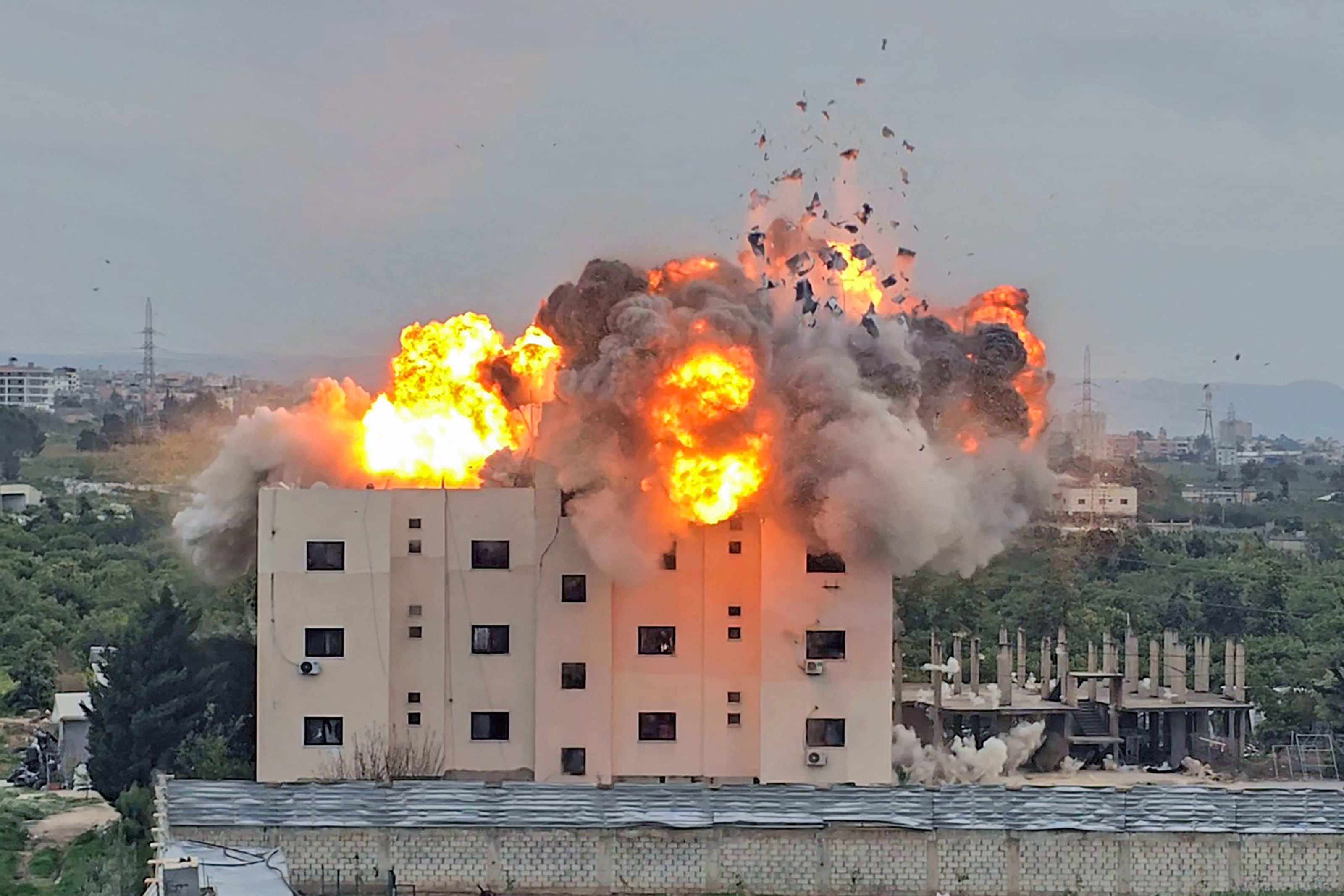
Israel’s retaliation was swift and devastating. Since March 2, the Israel Defense Forces (IDF) have conducted hundreds of sorties daily, targeting Hezbollah infrastructure, weapons depots, and command nodes. The offensive has not been limited to military targets; wide-scale evacuation orders have been issued for southern Lebanon, the Bekaa Valley, and parts of Beirut’s southern suburbs. As of mid-March, the Lebanese Ministry of Health reports that at least 773 people have been killed, with the number of internally displaced persons (IDPs) soaring to over 800,000—nearly 15% of the country’s population.
The Challenge of Enforcement and the "Deterrence Balance"
The Lebanese Cabinet’s demand for Hezbollah to disarm is a radical departure from decades of political accommodation. Historically, Hezbollah’s weapons were classified by the state as "weapons of resistance," a status that exempted them from the disarmament requirements imposed on other militias after the 1975–1990 civil war. This "resistance" doctrine was based on the premise that the group’s military wing served as a necessary deterrent against Israeli aggression, particularly in the absence of a sufficiently equipped national army.
Mounir Shehade, a former brigadier general in the Lebanese Armed Forces, noted that this legal and political exemption has been the cornerstone of Hezbollah’s power. "Since the end of the civil war, Hezbollah’s weapons have been practically exempt from all decisions related to disarming militias," Shehade explained. By revoking this status, the Salam government is attempting to reclaim the state’s monopoly on the use of force—a move that Prime Minister Nawaf Salam argues is essential for Lebanon’s survival as a sovereign entity.
However, military analysts argue that the LAF lacks the capacity to challenge Hezbollah, especially during an active war with Israel. Hisham Jaber, a former major general of the LAF, pointed out that Hezbollah believes it has lost its "deterrence balance" following the death of Khamenei and the direct U.S. involvement in the region. "So, it believes it has no choice but to continue the battle," Jaber said. In this context, any attempt by the Lebanese army to forcibly disarm Hezbollah could trigger a domestic military confrontation that the state is ill-prepared to win.
Legal Precedents and the Fragility of the State
The difficulty of enforcing the ban was recently highlighted by a high-profile incident involving the Lebanese judiciary. Following the Cabinet’s order, the LAF arrested several non-state actors found transporting unauthorized weapons. However, the Military Court subsequently released three Hezbollah supporters on a financial bail of approximately $20 each. This discrepancy between executive policy and judicial enforcement underscores the deep penetration of Hezbollah’s influence within state institutions.
Furthermore, the economic collapse that has plagued Lebanon since 2019 has left the LAF heavily dependent on foreign aid, primarily from the United States and Qatar. While the U.S. has pressured the Lebanese government to crack down on Hezbollah, the army’s leadership is wary of any action that could lead to internal desertion. The LAF is a multi-sectarian institution, and its unity is often cited as the only thing preventing the country from sliding back into civil war.
"Throughout the last five decades, the Lebanese army has been divided four times," Jaber warned. A direct order to engage Hezbollah fighters—many of whom share the same communal and familial ties as the soldiers—could lead to a collapse of the military’s chain of command along sectarian lines.
Humanitarian and Economic Impact
The humanitarian situation in Lebanon has reached a breaking point. The displacement of 800,000 people has overwhelmed the country’s already crumbling infrastructure. Schools and public buildings have been converted into makeshift shelters, but many displaced families are sleeping in cars or on the streets of Beirut and Tripoli. The Ministry of Health has warned of potential disease outbreaks due to the lack of clean water and sanitation in overcrowded centers.
The economic cost of the conflict is also mounting. Lebanon’s primary port in Beirut and its international airport have seen significant disruptions, further isolating a country that relies on imports for 80% of its food and fuel. International aid agencies have called for a "humanitarian corridor" to allow for the delivery of medical supplies, but the intensity of the Israeli air campaign has made such logistics nearly impossible.
Dina Arakji, an analyst at Control Risks and a non-resident fellow at the Middle East Institute, observed that the government’s decision to ban Hezbollah’s activities is a desperate attempt to contain the fallout. "The Lebanese government’s decision is an attempt to contain the political and security fallout from Hezbollah’s preemptive strike on Israel, which has reignited the conflict in Lebanon amid the broader regional escalation," Arakji stated.
Geopolitical Implications and the Role of the International Community
The crisis in Lebanon is inextricably linked to the broader confrontation between the U.S.-Israeli alliance and the Iranian-led regional bloc. For the United States, the disarmament of Hezbollah is a long-standing strategic goal that would significantly weaken Iran’s reach in the Levant. However, the timing of the Lebanese Cabinet’s order suggests a high degree of international pressure, likely from Washington and Paris, as a condition for future economic recovery packages or security guarantees.
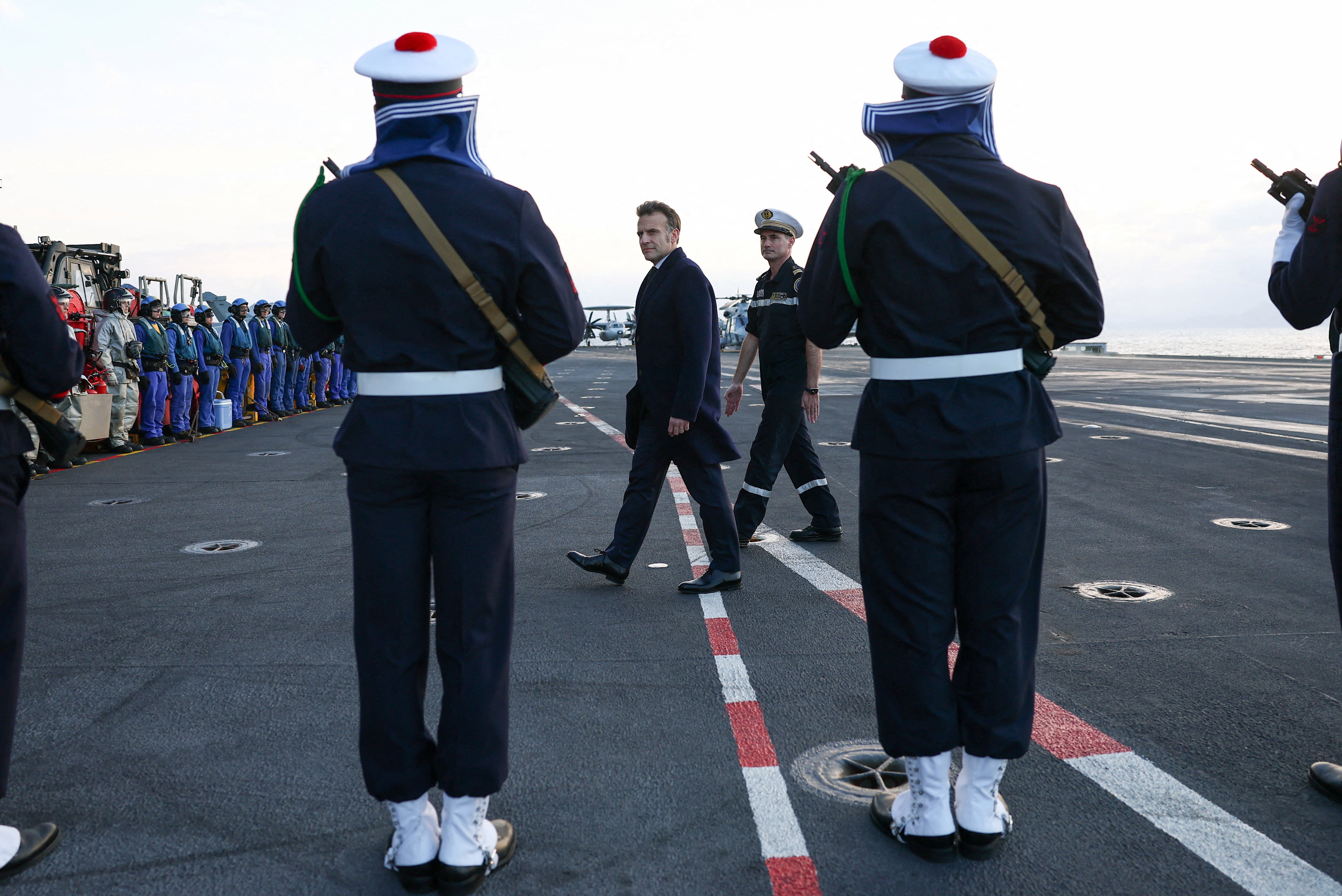
France, which has historically played a "godfather" role in Lebanese politics, has deployed a Mediterranean armada to signal its influence and provide a potential evacuation route for foreign nationals. Yet, French diplomats have also expressed concern that pushing the Lebanese state toward a direct confrontation with Hezbollah could result in the total collapse of the country, creating a power vacuum that would only benefit extremist elements.
Regional actors, including Saudi Arabia and the United Arab Emirates, are watching the situation closely. While they have long sought to diminish Hezbollah’s role in the Lebanese government, they are equally wary of a full-scale civil war that could destabilize the entire Eastern Mediterranean.
Conclusion: A State on the Brink
The Lebanese government’s mandate to disarm Hezbollah is a bold but perilous move. While it provides the legal and political legitimacy for the army to act, the reality on the ground is dictated by the weight of Hezbollah’s military might and the relentless pressure of the Israeli offensive. Without a comprehensive regional de-escalation, the Cabinet’s order may remain a symbolic gesture—a "paper ban" that highlights the state’s impotence rather than its authority.
As the conflict enters its third week, the primary concern for many Lebanese is no longer the political status of Hezbollah, but the basic survival of the nation. The risk of sectarian strife remains high, and the potential for the Lebanese Armed Forces to fracture under the weight of the crisis is a looming threat. For Lebanon, the path forward is fraught with uncertainty, caught between the demands of its international partners, the aggression of its southern neighbor, and the deeply entrenched power of its most formidable domestic actor.

Related Posts
Pentagon Forges Landmark Seven-Year Agreements with Boeing and RTX to Accelerate Standard Missile-3 Production and Stabilize Defense Supply Chains
Boeing Unveils Ultra Low-Cost Seeker to Enhance Missile Inventory and Combat Cost Challenges in Modern Warfare