Escalation on Day Thirteen: Iran’s Multi-Front Offensive Targets Global Shipping and Regional Adversaries, While Israel Strikes Nuclear Facility.
The military operation against Iran entered its thirteenth day on Thursday, March 12, 2026, marking a significant escalation across multiple fronts as Iranian forces and their regional proxies intensified their offensive. The day saw a dangerous expansion of maritime attacks in the crucial Persian Gulf, sustained rocket and drone barrages launched from Lebanon against Israel, and an unprecedented Israeli counter-strike targeting what it described as a sensitive Iranian nuclear weapons compound. This complex interplay of aggression and retaliation underscored the deepening volatility in the Middle East, with profound implications for international shipping, regional stability, and global energy markets.
Maritime Flashpoint: Iran’s Sea Drone Attacks on Oil Tankers
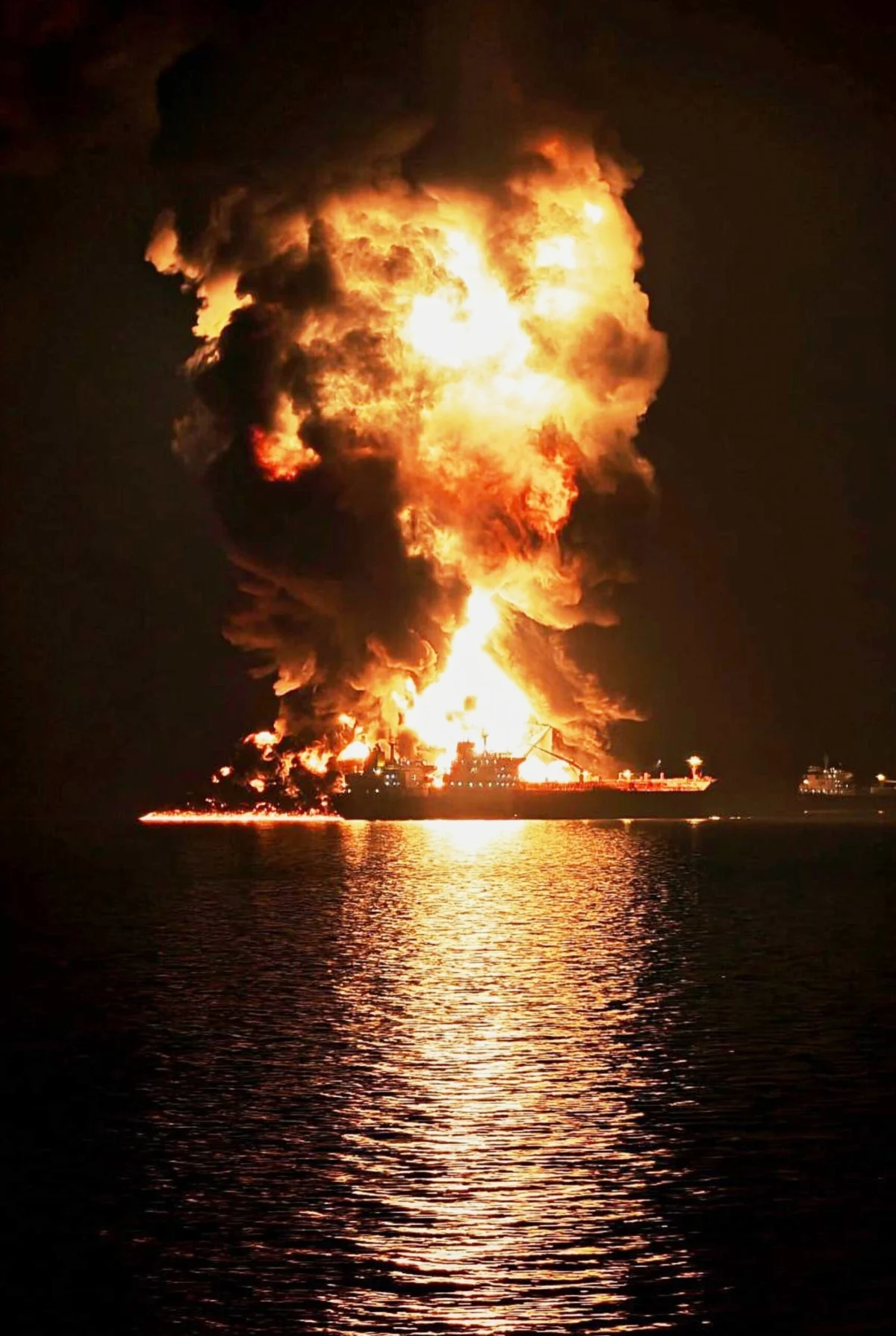
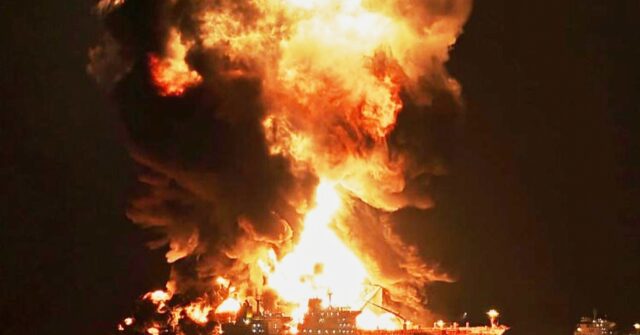
The most alarming development on Thursday morning, around 06:50 AM Eastern Time, was Iran’s calculated use of sea drones to target at least three oil tankers in the Persian Gulf. This move signaled a dangerous shift in Iranian tactics, leveraging its "Mosquito Fleet" to disrupt vital shipping lanes. One vessel, the US-owned, Marshall Islands-flagged Safesea Vishnu, was struck off the coast of Basra, Iraq. Dramatic images released later depicted a colossal fireball engulfing the vessel, underscoring the destructive power of these attacks. A second tanker, Greek-owned and Maltese-flagged, was also hit near Basra. Further south, off the coast of the United Arab Emirates, a third tanker, Chinese-owned and Liberia-flagged, suffered a similar fate.
The attacks were reportedly carried out by "white-coloured unmanned speed boats carrying explosives" – a clear indication of Uncrewed Surface Vessels (USVs), or sea drones. These small, agile, and often stealthy craft, packed with high explosives and guided remotely, represent a significant threat to conventional shipping. Their low cost and expendability make them an attractive tool for asymmetric warfare, allowing Iran to project power and sow chaos without risking its more substantial naval assets. For years, Iran has been developing its "Mosquito Fleet," a doctrine centered on swarms of small, fast attack boats equipped with various armaments, from anti-ship missiles to explosive charges designed for suicide attacks, reminiscent of the USS Cole bombing in 2000. While these vessels have been a known quantity, their impactful deployment in the current conflict, particularly against commercial targets, marks a critical escalation.
This tactic echoes the successful use of similar drone swarms by Ukrainian intelligence services, who have claimed to sink several Russian warships in the Black Sea using explosive-laden speedboats. The effectiveness of these platforms in challenging established naval powers has seemingly inspired Iran to replicate and adapt these methods in the Gulf.
The "Flags of Convenience" Conundrum
The targeting of vessels flying "flags of convenience" immediately brought into sharp focus a long-standing debate within maritime security circles. The Safesea Vishnu, despite being US-owned, sailed under the Marshall Islands flag, a common practice allowing shipowners to operate under more lenient regulatory regimes and lower operational costs. The Marshall Islands, a small Pacific nation, possesses no military capacity to protect its flagged vessels on the high seas. Similarly, the other targeted ships flew Maltese and Liberian flags, both popular "open registries."
This practice places the burden of maritime security disproportionately on major naval powers, notably the United States and the United Kingdom, who maintain expensive defensive capabilities in critical waterways like the Persian Gulf. There has been a "persistent conversation" about the sustainability of this arrangement, with calls for greater contributions from flag states or shipowners benefiting from these arrangements. The incident involving the Chinese-owned, Liberia-flagged vessel, which was reportedly transmitting "China Owner" in an apparent attempt to deter attack, starkly illustrated the futility of such declarations in a conflict zone where Iranian forces appear to be targeting based on opportunity rather than specific national affiliation. The attacks highlight the vulnerability of global trade to such tactics and underscore the need for a re-evaluation of maritime security frameworks.
Regional Repercussions and International Condemnation
The attacks on oil tankers immediately sent ripples through global markets, with analysts warning of potential spikes in oil prices and increased insurance premiums for shipping through the Strait of Hormuz, a choke point through which a significant portion of the world’s oil supply passes.
International reactions were swift and largely condemnatory. The United States, whose vessel was struck, denounced the attacks as a blatant violation of international law and a direct threat to freedom of navigation, pledging to ensure the security of international waterways. The United Kingdom echoed these sentiments, expressing grave concern for the safety of seafarers and the stability of global energy supplies. The United Arab Emirates and Iraq, whose coasts witnessed the attacks, condemned the acts as breaches of their sovereignty and threats to regional economic stability. China, while expressing concern for the safety of its vessel and calling for de-escalation, faced a diplomatic tightrope, given its complex relationship with Iran. Greece, Malta, and Liberia, as flag states, also condemned the attacks and called for investigations, emphasizing the protection of their nationals and maritime commerce. The United Nations and the International Maritime Organization (IMO) were expected to issue strong condemnations, urging all parties to respect international maritime law and de-escalate tensions.
Cross-Border Assaults and Israeli Retaliation
Concurrently, the conflict raged on the northern front. Around 06:30 AM Eastern Time, a "major" rocket and drone barrage was launched from Lebanon against northern Israel. The Times of Israel reported approximately 200 rocket launches, with the Israel Defense Forces (IDF) stating that most were either intercepted by air defense systems like Iron Dome or landed harmlessly in open areas. The IDF swiftly responded by striking the missile launchers within Lebanon, attributing the attack to Iranian-backed Hezbollah, which operates extensively from Lebanese territory. This exchange highlighted the intense cross-border hostilities that have become a daily reality in the region. Adding to the domestic challenges, controversy reportedly arose within Israel over an alleged failure by the IDF to keep the public sufficiently informed during the barrage, suggesting public anxiety and communication difficulties amidst sustained conflict.
However, the most significant Israeli action of the day came in the form of "extensive" airstrikes against targets deep within Iran. The IDF announced it had targeted "terrorist infrastructure, weapons storage facilities, central headquarters," and, most notably, a "nuclear weapons compound." Specifically, the IDF identified the target as the "Taleghan compound," describing it as "a site used by the Iranian regime to advance nuclear weapons capabilities." The statement further elaborated that the compound "was used to develop advanced explosives and conduct sensitive experiments as part of the covert ‘AMAD’ project in the 2000s."
The AMAD project (Project 111) was Iran’s alleged covert nuclear weapons program, reportedly halted in 2003 but whose residual elements and expertise remain a persistent international concern. Israel’s decision to target a site explicitly linked to Iranian nuclear weapons development represents a profound escalation, signaling Jerusalem’s unwavering commitment to preventing Iran from acquiring nuclear capabilities, even at the risk of widening the conflict. This strike immediately drew international attention, raising fears of a direct confrontation between Israel and Iran, with potentially catastrophic regional consequences. Iran vehemently denied the existence of any nuclear weapons program, reiterating its stance that its nuclear activities are solely for peaceful purposes, and condemned the Israeli strikes as acts of aggression, vowing retaliation.
Missile Strike on Italian Base in Iraq
Further illustrating the widespread reach of the conflict, an Italian military base in Iraq was hit by a missile in the early hours of Thursday morning, around 06:15 AM Eastern Time. While no injuries were reported among Italian personnel, the incident underscored the precarious security situation in Iraq, a country frequently caught in the crossfire of regional proxy conflicts. The Italian government swiftly condemned the attack but adopted a cautious stance, emphasizing the need for a "very thorough investigation" before definitively attributing responsibility. Italian officials also noted that their base was "packaged together with bases belonging to other nations," raising questions about whether they were the intended target or if the strike was a broader attack against the international coalition presence in Iraq.
This incident complicated the already intricate web of regional allegiances and hostilities. Iraq hosts a diverse array of foreign military forces, including those from the US-led coalition, and is also home to numerous Iranian-backed militias. The ambiguity surrounding the target and perpetrator highlights the inherent risks for international forces operating in such a volatile environment. The Italian government’s measured response reflected a desire to avoid immediate escalation while asserting its commitment to protecting its personnel and conducting a diligent investigation. Other coalition nations operating in Iraq were expected to heighten their security posture and coordinate intelligence efforts to ascertain the source and intent of the attack.
Outlook: A Region on the Brink
As the thirteenth day of this intensified military operation concluded, the Middle East found itself teetering on the precipice of a broader conflict. The multi-front nature of the hostilities – from the high seas of the Persian Gulf to the borders of Israel and the sovereign territory of Iraq – demonstrated Iran’s expansive strategy of asymmetric warfare and proxy engagement. Israel’s direct targeting of a nuclear-linked facility in Iran marked a critical escalation, moving the conflict beyond proxy skirmishes into a more direct confrontation.
The implications are far-reaching. Economically, the threat to global shipping and energy supplies could destabilize markets worldwide. Geopolitically, the expansion of hostilities risks drawing in more regional and international actors, further complicating efforts towards de-escalation. Diplomatic channels appeared strained, with little immediate prospect for a comprehensive ceasefire or resolution. The day’s events underscored a dangerous new phase in the protracted struggle for influence and security in the Middle East, with the potential for unforeseen consequences for global stability. The world watches anxiously as the region navigates this perilous period of escalating conflict.

Related Posts

Democratic Candidates Must Moderate to Win General Elections, Says Rep. Greg Stanton

Lisa Demuth Secures Republican Gubernatorial Nomination in Minnesota, Defeating Trump-Endorsed Mike Lindell