Volodymyr Zelenskyy’s Escalating Rhetoric Toward Western Allies Reflects Deepening Frustration Over Stalled Conflict Resolution
The diplomatic landscape surrounding the war in Ukraine has entered a volatile new phase as President Volodymyr Zelenskyy increasingly abandons the measured, diplomatic restraint that characterized his earlier interactions with international partners. Faced with a grinding military stalemate, a critical funding shortfall, and intensifying pressure from both the United States and the European Union to enter into compromise-heavy peace negotiations, the Ukrainian leader has adopted a combative posture. This strategic pivot, while aimed at consolidating domestic support and signaling resolve against territorial concessions, has sparked friction with the very coalition of nations essential to Ukraine’s survival.
A Departure from Diplomatic Norms
For much of the conflict, Zelenskyy maintained a delicate balance: he acted as a persistent advocate for his nation’s defense while carefully managing the sensibilities of Western leaders. However, the events of early 2026 have disrupted this equilibrium. Recent public rebukes directed at European leaders, pointed exchanges with Hungarian Prime Minister Viktor Orbán, and overt criticism of President Donald Trump represent a departure from the "cautious diplomacy" that defined the previous years.
Analysts suggest this shift is driven by the reality of a "war of attrition" that has left Kyiv feeling isolated. With the European Union currently deliberating on a €90 billion loan package—a vital lifeline currently being obstructed by Budapest—the pressure on the Ukrainian state apparatus has reached a breaking point. Zelenskyy’s recent rhetoric, which included a thinly veiled threat directed at Orbán regarding the latter’s obstructive stance on energy and financial policy, has drawn rare formal reprimands from the European Commission, which warned against the use of "inappropriate language" toward member states.

Chronology of Recent Friction
The current state of affairs is the culmination of several months of escalating tension:
- February 2026 (Davos): During the World Economic Forum, President Zelenskyy delivered a pointed address criticizing European leaders for prioritizing rhetoric over urgent, actionable defense spending. His comments left many in attendance stunned, as they signaled a breach in the unified front usually presented at such high-level forums.
- Late February 2026: Following a series of stalled peace initiatives, the U.S. administration signaled a renewed push for a diplomatic settlement. President Trump’s public assertions that Zelenskyy must "get on the ball" regarding negotiations added a layer of profound strain to the U.S.-Ukraine relationship.
- March 2026: Tensions boiled over following comments by Zelenskyy regarding "a certain person" who, in the eyes of many, was a clear reference to Viktor Orbán. This ignited a firestorm in Brussels and Budapest, with critics of the Hungarian government warning that the rhetoric was inadvertently handing political ammunition to Orbán ahead of national elections.
The Dynamics of the Funding Crisis
At the heart of the current dispute lies the precarious state of Ukraine’s finances. The €90 billion loan package currently caught in the EU legislative bottleneck is not merely a political dispute; it is a structural necessity for the functioning of the Ukrainian state. Without these funds, the government faces significant risks to its ability to maintain essential services and sustain its military logistics into the latter half of the year.
The conflict regarding the Druzhba pipeline—the Soviet-era infrastructure that remains a vital artery for energy transit—has further complicated matters. Hungary’s allegations that Ukraine has intentionally disrupted oil flows have been met with vehement denials from Kyiv. Zelenskyy, in recent interviews, has framed these disagreements as a fundamental struggle for European security, asserting that by enabling Russian interests, leaders like Orbán are actively undermining the collective safety of the continent.
U.S.-Ukraine Relations and the "Unfair" Narrative
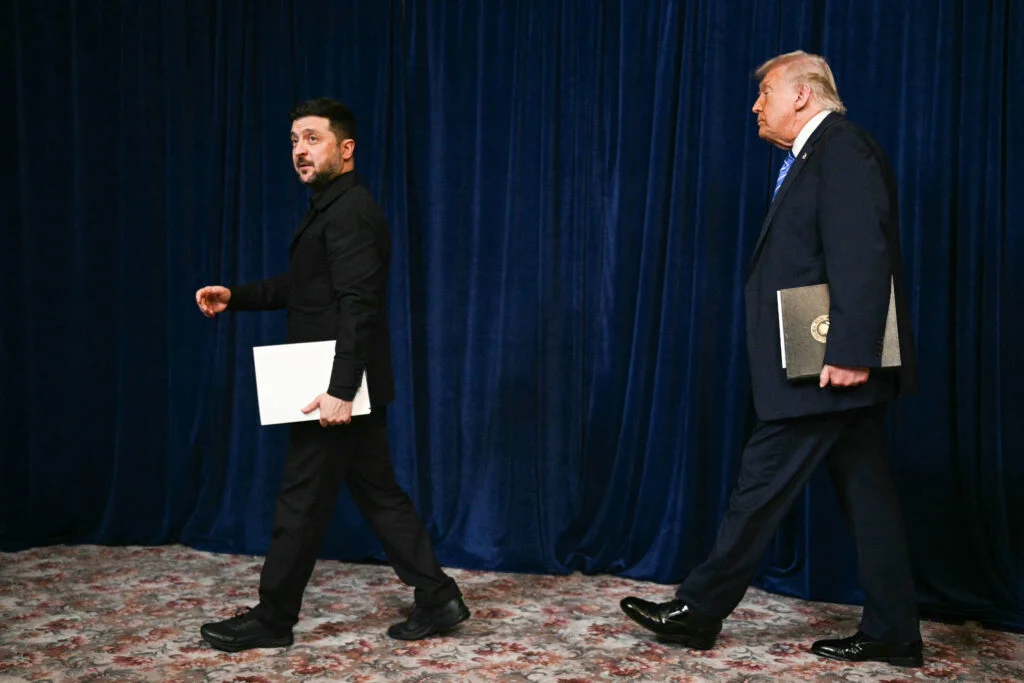
The evolution of the relationship between Kyiv and Washington remains the most significant variable in the conflict. While the Zelenskyy administration initially sought to build bridges with the Trump administration, the tone has become markedly sharper in recent weeks.

Zelenskyy has publicly termed the current U.S. approach to peace negotiations as "unfair," arguing that the burden of compromise is being placed disproportionately on the party defending its sovereign territory rather than the aggressor. In an interview with international media, the Ukrainian president highlighted that Kyiv has already demonstrated significant concessions, yet the pressure to yield on territorial integrity continues to mount. This sentiment is echoed by observers who note that the lack of focus on "accountability" for the initiation of the war has left Kyiv feeling abandoned by the very architects of the post-war security order.
Strategic Implications and Risks
The move toward more aggressive rhetoric carries significant political risks. International relations experts at institutions such as the Royal United Services Institute (RUSI) warn that while the intent behind the rhetoric is to showcase a leader who refuses to be coerced, the result could be a fracturing of the consensus required to maintain long-term support.
- Alienating Allies: By adopting a tone of mockery or direct confrontation, Zelenskyy risks alienating moderate European leaders who are under domestic pressure to justify the costs of continued support.
- Playing into Adversarial Narratives: In Budapest and other capitals skeptical of the war effort, the rhetoric is being repurposed to frame Ukraine as a belligerent actor. This simplifies the narrative for domestic audiences in those countries, potentially making it easier for them to justify non-participation in future aid packages.
- Domestic Resolve vs. External Perception: While the shift has bolstered Zelenskyy’s image as a "tough defender" of national interests within Ukraine, it creates a potential disconnect with foreign capitals that prioritize stability and diplomatic decorum.
A Critical Juncture
As the spring of 2026 approaches, the international community finds itself at a crossroads. The Ukrainian government is under immense pressure to demonstrate progress, yet the tools available to achieve this—both military and financial—are increasingly tied to political strings.
The core challenge for Zelenskyy remains the maintenance of the "coalition of the willing." The current strategy of calling out allies publicly is a high-stakes gamble. If it succeeds in galvanizing faster, more robust support, it will be viewed as a masterstroke of assertive leadership. If it leads to a further erosion of political capital in Washington and Brussels, it could exacerbate the very isolation that the Ukrainian president is desperately trying to prevent.

Ultimately, the friction currently on display is a reflection of a war that has outlasted the initial assumptions of almost all global actors. The fatigue felt by Western donors, combined with the existential urgency felt in Kyiv, has created a volatile environment where diplomatic niceties are increasingly being sacrificed for political survival. Whether this shift in tone leads to a more favorable negotiation position or a deeper chasm between Kyiv and its partners remains one of the most pressing questions in contemporary geopolitics.
Domain Image Source : www.politico.eu
Domain News Source : www.politico.eu