
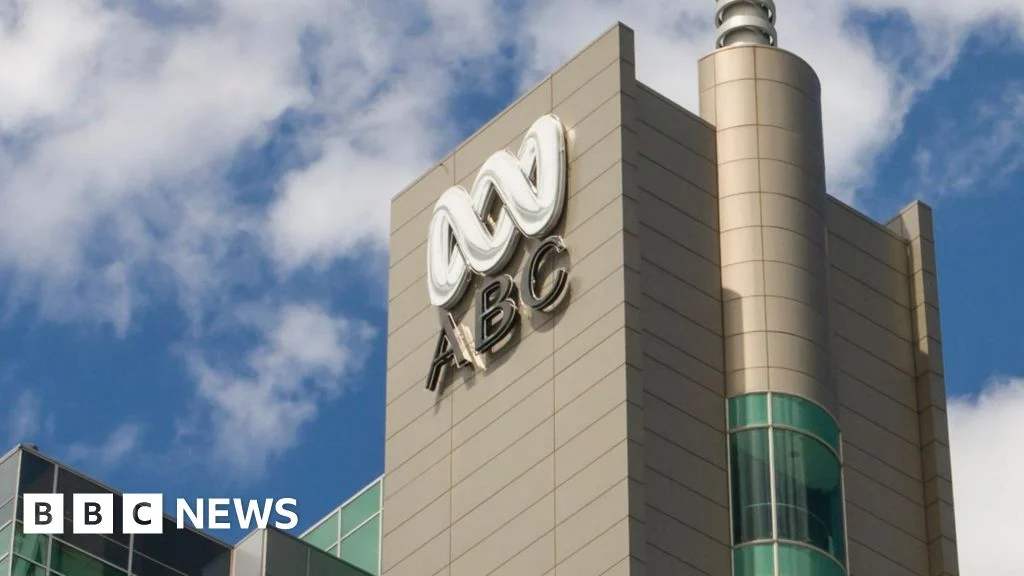
Australian Broadcasting Corporation Faces Historic 24-Hour Strike Amidst Pay Dispute and AI Concerns
Hundreds of journalists and staff at the Australian Broadcasting Corporation (ABC), the nation’s venerable public broadcaster, are set to embark on a historic 24-hour strike beginning Wednesday, marking the first significant industrial action at the institution in two decades. The widespread walk-off stems from a protracted dispute over an inadequate pay offer, persistent demands for greater job security, and profound concerns regarding the potential integration of artificial intelligence (AI) into editorial roles, potentially displacing human staff. This unprecedented industrial action threatens to disrupt the ABC’s flagship programming, underscoring the escalating tensions between management and its workforce at a critical juncture for public broadcasting.
The industrial action, orchestrated by members of the Media, Entertainment & Arts Alliance (MEAA) and the Community and Public Sector Union (CPSU), follows an overwhelming rejection of management’s latest pay proposal. Over 60% of union members voted against an offer of a 10% total pay rise staggered over three years, deeming it insufficient to keep pace with Australia’s current inflation rate. Beyond remuneration, the dispute has deepened to encompass broader issues of employment conditions, including a call for higher rates for night work, improved career progression pathways, a reduction in the reliance on short-term contracts, and, crucially, robust safeguards against the unchecked deployment of AI technologies in journalistic roles.
The Core Grievances: Pay, Security, and AI
The confluence of these factors has galvanized ABC staff to take collective action, a rarity for an organization often perceived as a stable and respected employer. At its heart, the dispute reflects a broader struggle within the Australian workforce to secure fair compensation and stable employment in an increasingly volatile economic and technological landscape.
The Pay Impasse: ABC management’s offer consisted of a 3.5% pay increase in the first year, followed by 3.25% in each of the subsequent two years, totaling 10% over three years. This was coupled with a one-off $1,000 bonus, though notably, this payment was not extended to casual staff, a point that further fueled union dissatisfaction. Union representatives argue vehemently that this proposal falls short of addressing the nation’s soaring cost of living. Australia’s annual inflation rate stood at 3.8% in January, meaning the proposed first-year increase of 3.5% already represents a real-terms pay cut for employees. Subsequent years’ increases would likely continue this trend unless inflation significantly declines. For many workers, particularly those in major metropolitan areas like Sydney and Melbourne, where the ABC has its largest operations, rising expenses for housing, groceries, and fuel have severely eroded household budgets. The unions contend that for a public broadcaster entrusted with a vital national role, offering sub-inflationary pay increases undermines staff morale, hinders talent retention, and ultimately impacts the quality of public service journalism.
Job Security Concerns: Beyond the immediate financial terms, a significant element of the dispute revolves around job security. Staff are pushing for less reliance on short-term contracts, which unions argue create precarious employment conditions and stifle career development within the organization. A growing trend in many industries, including media, is the increased use of casual and contract staff, which offers employers greater flexibility but often comes at the expense of employee benefits, stability, and long-term career prospects. ABC staff are seeking commitments that prioritize permanent employment and establish clear pathways for professional growth, reflecting a desire for a more secure and predictable working environment within the national broadcaster.
The AI Conundrum: Perhaps the most forward-looking and potentially industry-shaping aspect of the dispute centres on the burgeoning role of artificial intelligence. As generative AI technologies become increasingly sophisticated, capable of tasks ranging from content creation and summarisation to data analysis and news aggregation, media organisations globally are grappling with how to integrate them. ABC staff, however, are demanding explicit commitments from management to establish clear "guardrails" around AI usage, ensuring it serves as a tool to assist journalists rather than a replacement for human intellect, ethical judgment, and creative storytelling. The fear among staff is that without such protections, the broadcaster could move towards automating roles, leading to job losses and a potential decline in the quality and nuanced understanding that human journalists bring to their work. This concern is not unique to the ABC; media unions worldwide are increasingly pressing for agreements that address the ethical, employment, and intellectual property implications of AI in newsrooms. The unions emphasize that public trust in the ABC’s content hinges on its integrity, which they argue could be compromised if editorial decisions or content generation are delegated to algorithms without adequate human oversight and accountability.
The Impending Industrial Action
The planned industrial action is set to commence at 11:00 local time (00:00 GMT) on Wednesday, with staff committed to a 24-hour cessation of work. Large gatherings are anticipated at the ABC’s principal offices in Sydney and Melbourne, where striking employees are expected to don black attire as a symbol of their protest. The immediate impact on the ABC’s programming schedule will be significant. Flagship current affairs programs, most notably the highly regarded 7.30 evening show, along with popular breakfast shows scheduled for Thursday morning, are confirmed to be cancelled. To fill these critical broadcast slots, the ABC plans to air reruns of previous programs, pre-programmed content, and material sourced from the British Broadcasting Corporation (BBC), highlighting the international implications of such a strike. Radio programming will also experience disruption; popular youth station Triple J and classical music station ABC Classic are expected to operate with limited live elements, primarily broadcasting pre-recorded music. These disruptions underscore the vital role that the ABC’s more than 4,400 employees, including approximately 2,000 staff within its largest news division, play in the daily operation and delivery of public service media across Australia.
Management’s Stance and Path Forward
ABC managing director Hugh Marks has publicly defended the broadcaster’s pay offer, asserting that it "reflects the maximum level the ABC can sustainably provide." Marks characterized the proposed deal as "financially responsible and competitive for the industry," suggesting that the broadcaster’s fiscal realities dictate the parameters of its remuneration packages. He reiterated that the ABC must consider a multitude of factors, including its overall budget, operational costs, and the broader economic climate, when formulating pay offers. This stance implies a balancing act between staff expectations and the ABC’s financial sustainability, particularly as public broadcasters often operate under tight budgetary constraints and face scrutiny over the use of taxpayer funds.
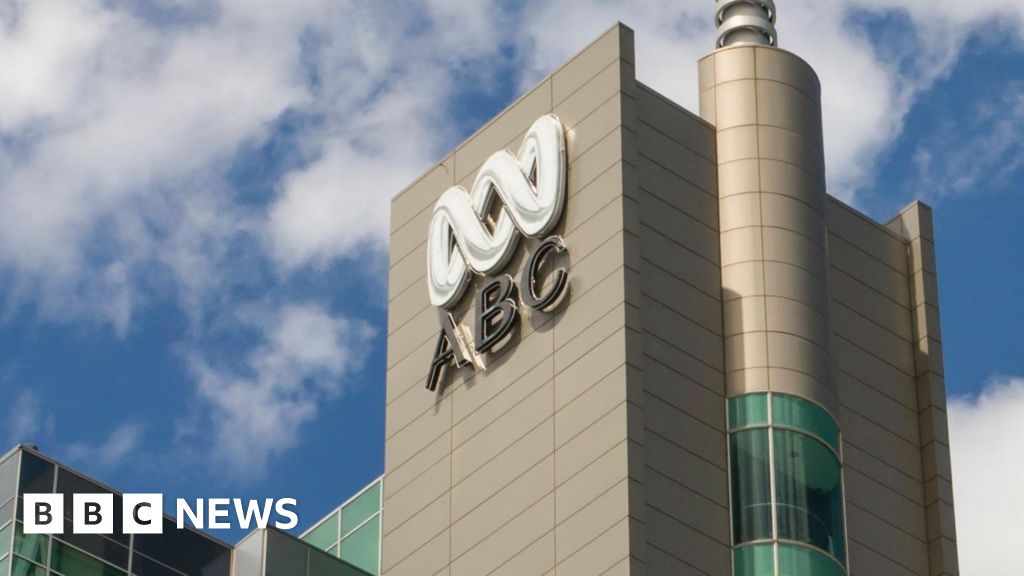
In a bid to resolve the escalating dispute, the ABC has announced its intention to refer the matter to Australia’s national workplace tribunal, the Fair Work Commission (FWC). This move signals a recognition of the severity of the impasse and an attempt to seek a mediated resolution, though it does not necessarily indicate a willingness to deviate significantly from the current offer. The FWC’s involvement will introduce a formal mediation and arbitration process, with the Commission having the power to conciliate disputes, make recommendations, and, if necessary, issue binding orders.
Union Voices and Broader Context
Union leaders have been vocal in articulating the grievances of their members. Erin Madeley, chief executive of the Media, Entertainment & Arts Alliance (MEAA), emphasized the reluctance of staff to resort to industrial action. "ABC staff don’t want to strike – they want to do their jobs," Madeley stated, underscoring that the decision to walk off the job was a last resort. She articulated the core demands: "They want fair pay, secure work, and guardrails around the use of technologies like AI to protect editorial integrity and public trust." This statement encapsulates the multifaceted nature of the dispute, highlighting concerns that extend beyond mere financial compensation to fundamental issues of professional ethics and the future of journalism.
Melissa Donnelly, representing the Community and Public Sector Union (CPSU), echoed these sentiments, stressing the need for salaries that genuinely reflect the current cost-of-living pressures in Australia and acknowledge the invaluable work performed by a public broadcaster. "ABC plays such an important role in our society and in Australian storytelling and it’s really important ABC management come to the table," Donnelly told the Australian Associated Press. Her comments underscore the intrinsic value of the ABC’s role in Australian society and implicitly argue that investment in its staff is an investment in the nation’s cultural and informational landscape. Both unions convey a strong message that the dispute is not just about individual staff welfare but also about safeguarding the quality and future of a vital public institution.
The fact that this strike is the first in 20 years at the ABC lends significant weight to the current industrial action. Historically, public broadcasters, including the ABC, have often been viewed as stable employers, offering career security and competitive conditions, even if not always matching the highest salaries in the private sector. The last major strike occurred two decades ago, indicative of the typically harmonious, albeit sometimes challenging, industrial relations within the organisation. This long period without significant industrial unrest suggests that the current issues — particularly the confluence of below-inflation pay offers, job insecurity, and the existential threat of AI — represent a fundamental shift in the working conditions and perceived value of staff that has pushed employees to take such drastic measures. The rarity of such an event at the ABC underscores the depth of discontent and the seriousness with which staff view the current negotiations.
Implications and Outlook
The ABC strike unfolds against a backdrop of significant transformations and challenges within the global media landscape. Public broadcasters everywhere are grappling with evolving consumption habits, the rise of digital platforms, and persistent funding pressures. In Australia, the ABC, largely funded by the federal government, has faced a complex financial environment, including periods of budget cuts that have impacted staffing levels and operational capacity. These cuts, coupled with the rising cost of doing business, often place management in a difficult position when negotiating wage increases.
Moreover, the debate over AI is not confined to the ABC. Media organisations worldwide are exploring how AI can enhance efficiency, personalize content, and analyze vast datasets. However, this exploration is frequently accompanied by concerns about job displacement, the spread of misinformation if AI is unchecked, and the erosion of human editorial judgment. The ABC dispute could serve as a bellwether for how other Australian media outlets, and indeed international ones, address the contractual and ethical implications of AI integration. The demand for "guardrails" highlights a proactive effort by unions to shape the future of work with technology rather than merely reacting to its implementation.
The cost-of-living crisis gripping Australia further exacerbates the pay dispute. With inflation significantly impacting household budgets, workers across various sectors are increasingly demanding wage increases that at least keep pace with, if not exceed, the rising cost of essentials. This broader economic pressure creates a fertile ground for industrial action, as employees feel their financial stability eroding despite their dedication and hard work.
The outcome of these negotiations will have significant implications not only for the ABC’s workforce but also for the future of public broadcasting in Australia. A resolution that adequately addresses staff concerns about fair pay and job security, while establishing clear principles for AI integration, could set a positive precedent for the industry. Conversely, a prolonged or unresolved dispute could further strain industrial relations, potentially impact staff morale and retention, and ultimately affect the ABC’s capacity to deliver its vital public service mandate. The eyes of the Australian public, policymakers, and the wider media industry will undoubtedly be on the Fair Work Commission as it navigates this complex and consequential industrial challenge.

Related Posts

Zambia on Edge: Opposition Leader Arrested Amid Allegations of Insurrection Plot and Election Tensions

Rescuers search for survivors of powerful Indonesia earthquake

