With its scapegoat gone, Europe is forced to finally get honest with itself
The Myth of the Singular Obstacle
For years, the narrative in Brussels was simple: if not for the obstructionism of Budapest, the EU could achieve seamless integration, rapid enlargement, and fiscal harmony. During the Nicosia talks, that narrative was tested against the cold reality of national self-interest. Estonian Prime Minister Kristen Michal noted that while the absence of the "pugnacious" Hungarian premier provided a momentary "honeymoon" period, it simultaneously removed the "fall guy" who had historically absorbed the ire of his counterparts.
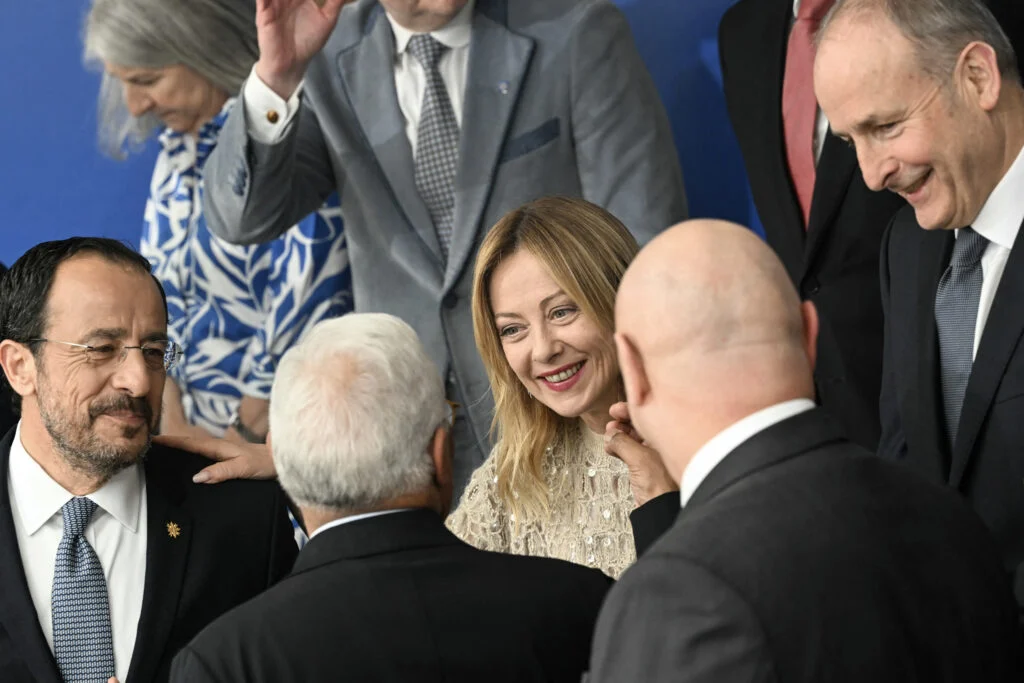
The summit was characterized by a transition from the reactive politics of the Orbán era to a more complex, multi-polar negotiation style. Without a common adversary to rally against, leaders found themselves forced to confront their own divergent national agendas. The summit, held in the picturesque setting of Ayia Napa, served as a precursor to the formal European Council meeting scheduled for June 18 in Brussels, where the political stakes will be significantly higher.
Chronology of the Nicosia Summit
The summit was structured into two distinct phases, separated by the nature of the challenges presented.
Day One: Geopolitical and Energy Realities
The first day focused on the "hard" topics of security and energy. The attendance of Ukrainian President Volodymyr Zelenskyy underscored the bloc’s continued commitment to Kyiv, yet the discussion revealed a pragmatic, even skeptical, undercurrent regarding the timeline for EU accession. Croatian Prime Minister Andrej Plenković, drawing on his nation’s own arduous, decade-long journey toward membership, delivered a sobering assessment to his colleagues. He emphasized that the "fast-track" hopes of Kyiv were not politically or administratively realistic in the current climate, cooling the rhetoric that often dominates public statements.
Simultaneously, the energy crisis—exacerbated by ongoing instability in the Middle East—dominated the evening sessions. With jet fuel shortages emerging as a tangible threat to European logistics, Transport Commissioner Apostolos Tzitzikostas warned that the bloc might soon be forced to invoke emergency sharing protocols. Despite the urgency, leaders opted to defer final policy decisions to their finance ministers, aiming for a "general approach agreement" by June.
Day Two: The Fiscal Reckoning
The second day shifted toward the EU’s €1.8 trillion seven-year budget. If day one was a debate over ideals, day two was a brutal contest over resources. Dutch Prime Minister Rob Jetten, supported by Germany’s Friedrich Merz, articulated a firm stance on the necessity of "modernization" and a "substantial reduction" in the overall size of the budget. This position stands in stark contrast to the views of member states like Poland, which continue to push for expanded fiscal capacity to support development and defense spending.

Data and Fiscal Pressures
The conflict over the budget is rooted in the post-pandemic economic landscape. The Recovery and Resilience Facility (RRF), designed to jumpstart European economies, is reaching a critical inflection point. As the repayment phase approaches, the debate has shifted from the distribution of funds to the methodology of the debt burden.
European Commission President Ursula von der Leyen highlighted the binary nature of the dilemma: "It’s either higher national contributions or it’s lower spending capacity." The Commission’s data suggests that shrinking the budget would fundamentally undermine the EU’s strategic autonomy at a time when global competitors are heavily subsidizing their own industries. Italy’s Prime Minister Giorgia Meloni described the current state of play as an "extremely difficult negotiation," reflecting the consensus that the "easy" days of consensus are over.
The Changing Diplomatic Landscape
The departure of Orbán has undoubtedly altered the social dynamics of the European Council. Polish Prime Minister Donald Tusk’s public remark—"For the first time in years there are no Russians in the room"—alludes to the long-standing suspicion that Budapest served as a Trojan horse for Moscow’s interests within the EU.
However, political analysts argue that the EU now faces a "normalization" of dissent. When one leader consistently blocks consensus, the others are united by that opposition. Without that central blockage, the diverse interests of the 26 remaining members are becoming more visible. The "positive energy" noted by Prime Minister Michal may be nothing more than the absence of a specific type of friction, but it masks the presence of deeper, structural divisions that have nothing to do with Hungary.
Implications for the Future
The Nicosia summit serves as a cautionary tale for those who believed the "Orbán problem" was the sole barrier to a more cohesive European Union. The implications are clear:
- Increased National Accountability: Leaders can no longer use Budapest as a pretext for failing to reach a consensus. The burden of proof now lies with those who argue for deeper integration; they must now convince their skeptical peers without the benefit of a common scapegoat.
- Fiscal Realignment: The June 18 summit in Brussels will be the true litmus test. With Germany and the Netherlands pushing for austerity and Eastern European members pushing for investment, the EU is entering a period of fiscal tightening that will likely define the remainder of the decade.
- Enlargement Fatigue: The reality check provided by the Croatian delegation suggests that the EU is increasingly wary of the administrative and financial costs of expansion. The gap between the aspirational rhetoric of "European unity" and the bureaucratic reality of accession is widening.
- Energy Vulnerability: The reliance on emergency sharing of energy reserves points to a structural failure to secure long-term energy independence. The deferral of these issues suggests that member states are still prioritizing domestic energy security over a unified, bloc-wide response.
Conclusion
As the European heads of state departed Nicosia, the atmosphere was markedly different from the summits of the previous decade. The absence of the Hungarian Prime Minister has removed a specific, personal strain from the Council, but it has not resolved the fundamental tensions that define the European project.
The European Union now faces a future where its primary obstacles are not the antics of a single populist leader, but the complex, competing interests of sovereign nations grappling with economic, geopolitical, and security-related challenges. The "honeymoon" period is a luxury the bloc cannot afford. With the formal summit in Brussels approaching, the leaders must transition from the performative unity of the Nicosia gathering to the gritty, unvarnished business of governance. The era of blaming the outlier is over; the era of internal reckoning has officially begun. The success of the European Union in the coming years will depend less on who is in the room, and more on whether the leaders remaining can bridge the fundamental divides that exist between them.

Related Posts
European Commission hits AliExpress with record 550 million euro fine for systemic failure to curb illegal and dangerous products
Behind the Scenes of the 100th Episode: An Exclusive Look at the Zoya Production Team and the Future of the Podcast