International Force in Haiti Allegedly Responsible for Sexual Violence
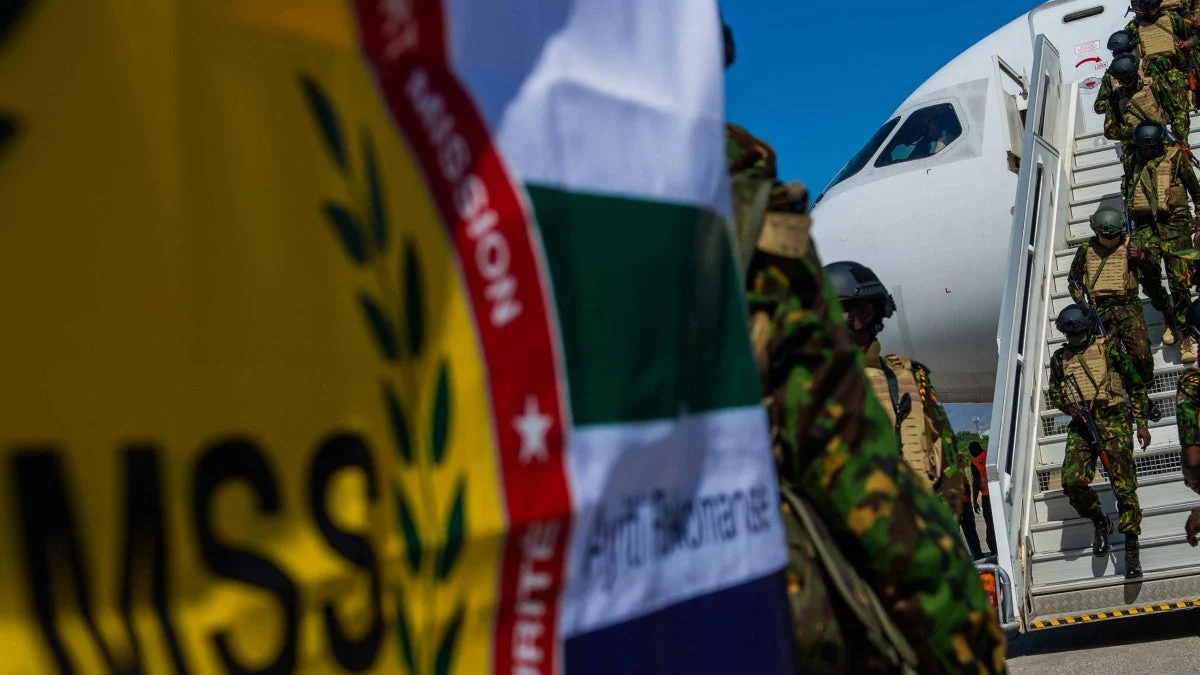
A United Nations report has detailed harrowing allegations of sexual violence committed by members of the Kenya-led Multinational Security Support (MSS) mission in Haiti, casting a shadow over the international effort to stabilize the gang-ravaged Caribbean nation. According to the findings, personnel within the UN-authorized force were responsible for four documented cases of sexual abuse, involving victims as young as 12 years old. The report specifies that the incidents included the rape of a 12-year-old girl and two 16-year-old girls, sparking immediate condemnation from human rights organizations and raising urgent questions regarding the legal accountability mechanisms governing non-UN international interventions.
The revelation comes at a critical juncture for Haiti, which has been gripped by unprecedented levels of gang violence since the 2021 assassination of President Jovenel Moïse. The MSS mission, while authorized by the UN Security Council, operates under a unique legal framework that distinguishes it from traditional Blue Helmet peacekeeping operations. This distinction has created what critics describe as an "accountability vacuum," as the UN’s Office of Internal Oversight Services (OIOS)—the body typically responsible for investigating misconduct in peacekeeping missions—lacks the jurisdiction to intervene in MSS affairs.
Chronology of the Mission and Emerging Allegations
The deployment of the MSS mission followed months of intense diplomatic negotiations and a deteriorating security situation in Port-au-Prince. The timeline of the mission reflects the urgency of the crisis and the subsequent emergence of conduct concerns.
October 2023: The United Nations Security Council adopts Resolution 2699, authorizing a multinational mission to support the Haitian National Police (HNP). Kenya volunteers to lead the mission, with significant financial and logistical backing from the United States.
June 2024: The first contingent of Kenyan police officers arrives in Port-au-Prince. Their primary objective is to secure critical infrastructure, such as the airport and seaport, and to assist the HNP in reclaiming territory from gangs that control an estimated 80 percent of the capital.
Late 2024 – Early 2025: As the mission expands its footprint, reports of misconduct begin to surface. While the mission was initially hailed as a necessary step to restore order, local civil society groups express concern over the lack of transparency in reporting mechanisms for civilian grievances.
April 2026: A formal UN report is released, documenting the four cases of sexual violence. The report highlights a disconnect between the mission’s stated goals and the conduct of some of its personnel.
Present Day: The MSS mission is currently in the process of transitioning into the Gang Suppression Force (GSF). This expanded UN-authorized force aims to replace the initial Kenyan-led structure with a broader international coalition, intended to provide more sustainable long-term security.
Institutional Friction and the Dispute Over Findings
The response from the Kenyan government has been one of staunch defense, creating a diplomatic friction point with UN investigators. Kenyan Prime Cabinet Secretary Musalia Mudavadi has publicly dismissed the allegations, asserting that internal investigations conducted by mission leadership found the claims to be "unsubstantiated." Mudavadi emphasized that Kenya maintains high standards of discipline for its officers deployed abroad and suggested that the allegations might be politically motivated or based on misinformation.
However, the UN report provides a starkly different account of the investigative process. According to the document, an internal investigation was initiated in only one of the four reported cases. Furthermore, human rights advocates point out that the MSS investigating its own personnel is a fundamental conflict of interest. Unlike standard UN peacekeeping missions, where the OIOS provides an independent layer of scrutiny, the MSS operates with a degree of autonomy that allows the contributing nation—in this case, Kenya—to maintain primary jurisdiction over the conduct of its troops.
This legal arrangement, often referred to as a "Status of Forces Agreement" (SOFA), typically grants the sending state exclusive jurisdiction over criminal offenses committed by its personnel. In the context of the MSS, this means that even if evidence of sexual violence is found, the victims must rely on the Kenyan judicial system for justice—a system thousands of miles away and often inaccessible to impoverished Haitian survivors.
Supporting Data: The Context of Sexual Violence in Haiti
The allegations against the MSS must be viewed against the backdrop of a broader protection crisis in Haiti. For years, criminal gangs have used sexual violence as a systematic tool of control and terror. Data from the United Nations Integrated Office in Haiti (BINUH) and various NGOs paint a grim picture of the environment in which the international mission operates:
- Pervasiveness of Abuse: In 2023 alone, reported cases of rape and sexual violence in gang-controlled areas increased by over 50 percent compared to the previous year. Many cases go unreported due to fear of retaliation.
- Vulnerability of Minors: Approximately 30 percent of sexual violence survivors in Port-au-Prince are estimated to be minors. The targeting of 12- and 16-year-olds by mission personnel mirrors the predatory patterns established by local gangs.
- Humanitarian Crisis: Over 700,000 Haitians are currently internally displaced, living in overcrowded camps with minimal security, making women and children exceptionally vulnerable to both gang members and the security forces meant to protect them.
- Historical Precedent: Haiti has a traumatic history with foreign interventions. The previous UN peacekeeping mission, MINUSTAH (2004–2017), was marred by allegations of sexual exploitation and abuse, as well as the accidental introduction of a deadly cholera epidemic. This history has left a legacy of deep-seated mistrust among the Haitian populace.
The Transition to the Gang Suppression Force (GSF)
As the MSS transitions into the Gang Suppression Force (GSF), there is an urgent push from the international community to ensure that the mistakes of the past—and the failures of the current mission—are not repeated. The GSF is expected to involve a more diverse array of international personnel, potentially including contingents from Caribbean nations (CARICOM) and other global partners.
Human rights monitors argue that before Kenyan personnel depart, every allegation must be subjected to a rigorous, transparent, and independent investigation. If credible evidence is found, the findings should not merely remain internal but must be referred to the relevant criminal justice authorities in Kenya and shared with Haitian legal observers.
The transition offers a window of opportunity to implement stronger human rights safeguards. These include:
- Mandatory Training: Ongoing, standardized training for all personnel on sexual and gender-based violence (SGBV), domestic violence, and child protection.
- Survivor-Centered Reporting: Establishing accessible reporting channels that are independent of the military or police chain of command.
- Gender Parity: Increasing the participation of women in the GSF contingents, as evidence suggests that missions with higher female representation often see improved engagement with local communities and lower rates of abuse.
Analysis of Implications and the Path Forward
The allegations against the MSS mission represent more than just individual criminal acts; they signal a systemic failure in the oversight of non-UN led, UN-authorized missions. When the international community "outsources" security to a lead nation without the accompanying oversight of the UN’s internal justice mechanisms, the risk of impunity increases.
The implications for Haiti are profound. If the forces sent to restore security are perceived as perpetrators of the same violence they were sent to combat, the mission loses its moral authority and the "consent of the governed." This lack of trust can lead to civil unrest, non-cooperation with security forces, and a further breakdown of the rule of law.
For the GSF to be successful, it must adopt a "zero-tolerance" policy that is backed by action rather than rhetoric. This includes the immediate removal of any personnel implicated in abuse and their referral to a transparent judicial process. Furthermore, the GSF should deploy human rights monitors beyond the capital of Port-au-Prince to all areas where troops are stationed. These monitors must be equipped to engage survivors in a trauma-informed and culturally sensitive manner, with all communications available in Haitian Creole and French.
The international community stands at a crossroads. The crisis in Haiti requires a robust security response, but that response cannot come at the cost of the basic human rights of the Haitian people. Ensuring justice for the 12-year-old and 16-year-old victims identified in the UN report is not only a moral imperative but a necessary step in proving that the Gang Suppression Force will be a force for protection, not exploitation. As the MSS personnel prepare to hand over their duties, the demand for an independent oversight mechanism remains the most critical hurdle in the quest for a stable and just Haiti.

Related Posts
Bangladesh: First Enforced Disappearance Case Since July 2024 Uprising
Crackdown on Artistic Dissent in Morocco: The Arrest of Mehdi Black Wind and the Shrinking Space for Freedom of Expression