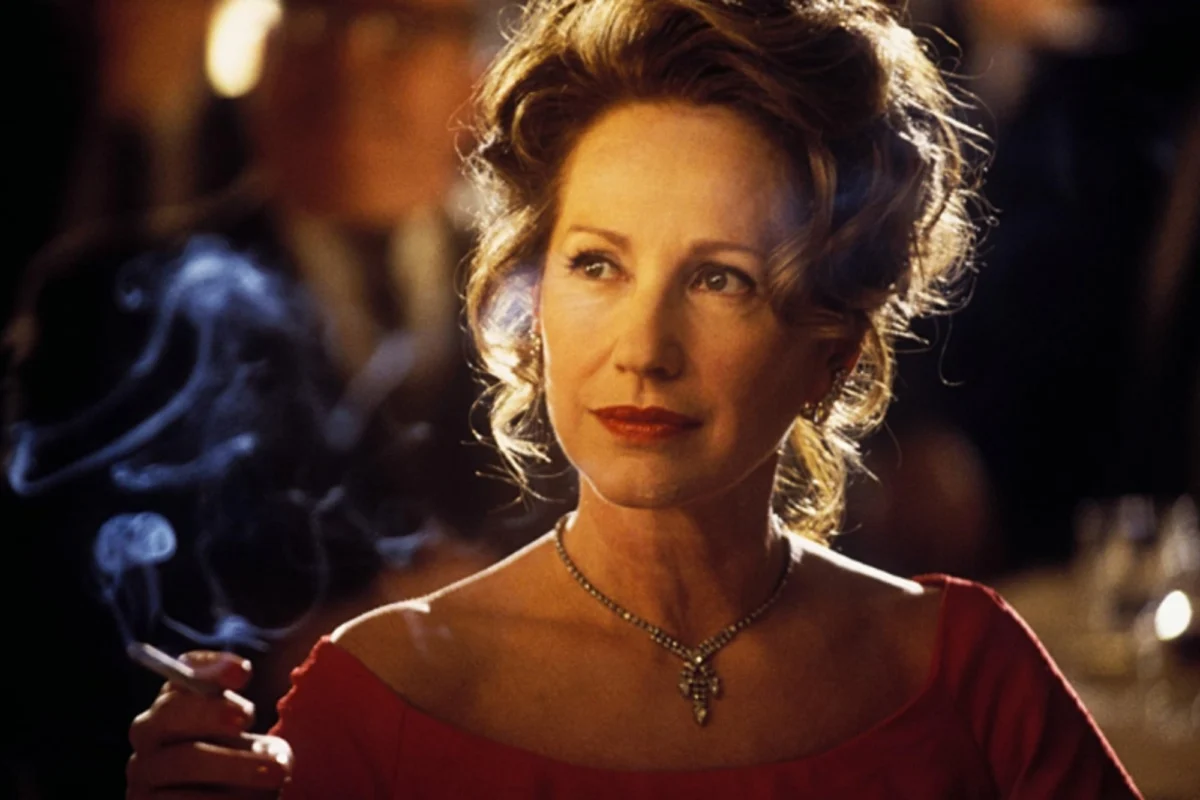
Renowned French Actress Nathalie Baye Dies at 77 After Battle with Lewy Body Dementia
The vibrant world of cinema mourns the loss of one of its most distinguished figures. French actress Nathalie Baye, a celebrated icon of the silver screen with a career spanning over five decades, passed away on Friday, April 17, 2026, at the age of 77. Her family confirmed her death, revealing that the acclaimed actress had been grappling with significant health challenges in the year leading up to her passing. The news has sent ripples of sorrow through the international film community, particularly among admirers of French cinema, who will deeply miss her captivating presence and versatile performances.
A Legacy of Cinematic Excellence
Nathalie Baye, born on July 6, 1948, in France, carved a remarkable path in the entertainment industry, commencing her professional journey in the early 1970s. Her prolific career saw her grace the screen in over 80 films and numerous television productions, earning her widespread critical acclaim and a devoted fanbase. She was particularly celebrated for her nuanced portrayals and her ability to embody a diverse range of characters with depth and authenticity.
Among her most memorable roles, Baye garnered international recognition for her poignant portrayal of Paula Abagnale, the mother of Leonardo DiCaprio’s character Frank Abagnale Jr., in Steven Spielberg’s 2002 blockbuster "Catch Me If You Can." Her performance in this critically lauded film, which also featured Tom Hanks and Christopher Walken, showcased her talent for delivering compelling dramatic performances within a high-profile Hollywood production. The film’s commercial and critical success brought her further international acclaim, solidifying her status as a globally recognized actress.
Her extensive filmography also includes a significant contribution to François Truffaut’s 1973 masterpiece, "La Nuit Américaine" (Day for Night), which rightfully earned an Academy Award for Best Foreign Language Film. This early collaboration with a luminary of the French New Wave established her credentials as a serious dramatic actress and marked her as a key talent in French cinema. Further demonstrating her breadth, Baye also appeared in Xavier Dolan’s critically acclaimed "Juste la fin du monde" (It’s Only the End of the World), a poignant exploration of family dynamics, and the 2022 period drama "Downton Abbey: A New Era," demonstrating her adaptability to different genres and production styles. According to IMDb, her final professional engagement was in Carlos Chahine’s 2023 film "La nuit du verre d’eau" (The Night of the Water Glass), leaving behind a rich and enduring cinematic legacy.
The Shadow of Lewy Body Dementia
The family’s confirmation of Baye’s passing, shared via the AFP news agency, provided insight into the underlying health issues that had afflicted the actress. Reports indicate that Nathalie Baye had been experiencing declining health for approximately a year prior to her death. She was diagnosed with Lewy body dementia, a progressive neurodegenerative disorder that shares similarities with both Alzheimer’s disease and Parkinson’s disease.
Lewy body dementia is recognized as the second most common type of dementia after Alzheimer’s disease. The Mayo Clinic describes it as a condition characterized by the abnormal buildup of a protein called alpha-synuclein, forming Lewy bodies in the brain. These protein deposits disrupt the brain’s chemistry, leading to a gradual and often unpredictable deterioration of cognitive abilities, motor function, and behavior. Symptoms can include fluctuations in alertness and attention, recurrent visual hallucinations, and parkinsonian motor symptoms such as rigidity and slow movement. The progressive nature of the disease means that symptoms typically worsen over time, posing significant challenges for both patients and their caregivers.
The announcement of her diagnosis and subsequent passing sheds light on the private battle she faced, a struggle that unfortunately is shared by many families worldwide. The medical community has been increasingly vocal about the importance of early diagnosis and support for individuals with dementia, and Baye’s situation brings this critical public health issue to the forefront once again. The disease, which tragically also affected iconic actor Robin Williams, is known for its complex and often distressing symptoms, making the journey through its progression a profound challenge.
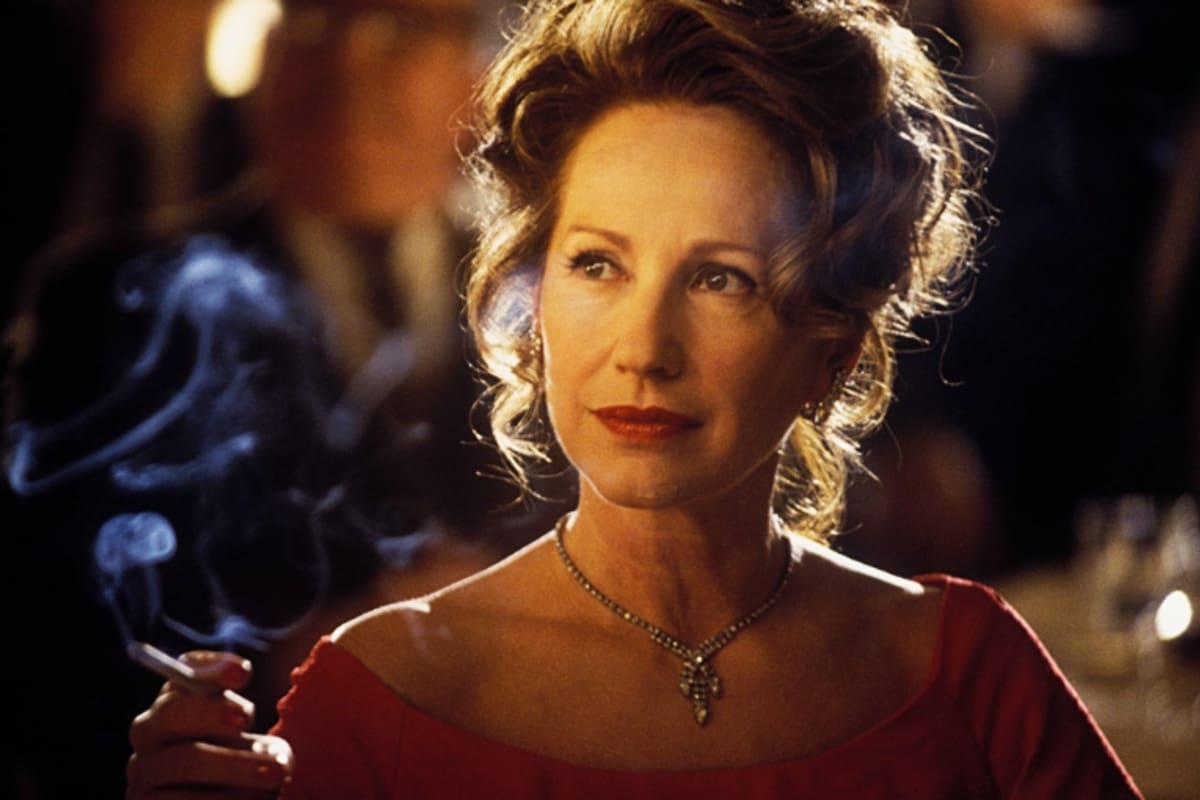
A Timeline of a Celebrated Career
Nathalie Baye’s journey in cinema began in the early 1970s, a period of significant artistic ferment in French cinema. Her early roles quickly established her as a talent to watch, demonstrating a remarkable ability to connect with audiences through her expressive performances.
- Early 1970s: Baye embarks on her acting career, appearing in several French films and television series, laying the foundation for her future success.
- 1973: Her participation in François Truffaut’s "La Nuit Américaine" (Day for Night) marks a pivotal moment. The film’s international acclaim and Oscar win for Best Foreign Language Film introduce Baye to a global audience.
- Late 1970s – 1990s: Baye experiences a period of sustained professional growth, taking on a variety of roles in French cinema, often collaborating with renowned directors. She becomes a familiar and respected face in French filmmaking, known for her versatility and consistent quality of performance.
- 2002: Her role as Paula Abagnale in Steven Spielberg’s "Catch Me If You Can" brings her significant Hollywood exposure. The film is a critical and commercial success, solidifying her international appeal.
- 2010s: Baye continues to engage in diverse projects, showcasing her enduring talent. Her role in Xavier Dolan’s "Juste la fin du monde" (2016) highlights her commitment to exploring complex human narratives.
- 2022: She appears in "Downton Abbey: A New Era," demonstrating her ability to seamlessly integrate into established international franchises.
- 2023: Baye’s final film, "La nuit du verre d’eau" (The Night of the Water Glass) directed by Carlos Chahine, is released, marking the conclusion of her extensive filmography.
- April 17, 2026: Nathalie Baye passes away at the age of 77, leaving behind a legacy of unforgettable performances.
Reactions and Tributes
While specific statements from immediate family members beyond the confirmation of her passing and the cause have not been widely disseminated, the news of Nathalie Baye’s death has been met with an outpouring of tributes from colleagues, critics, and fans across the globe. The French Ministry of Culture is expected to release a formal statement acknowledging her significant contributions to French cinema and culture.
Fellow actors and directors who had the privilege of working with Baye are likely to share their memories and express their profound sadness. Her dedication to her craft, her professionalism on set, and her ability to bring depth and authenticity to every role are expected to be recurring themes in these tributes. The French film industry, in particular, is already experiencing a wave of reflection on her impact.
Film critics who have followed her career are likely to emphasize her consistent ability to reinvent herself and her unwavering commitment to artistic integrity. Her performances often transcended mere character portrayal, offering profound insights into the human condition.
The Broader Impact
The passing of Nathalie Baye represents a significant loss for French cinema and the international film community. Her career exemplifies the power of enduring talent and dedication. Her performances, particularly in films like "La Nuit Américaine" and "Catch Me If You Can," have left an indelible mark on cinematic history, influencing aspiring actors and captivating audiences for generations.
Furthermore, the revelation of her struggle with Lewy body dementia brings renewed attention to the devastating impact of neurodegenerative diseases. Her family’s openness in sharing this information, while undoubtedly personal, contributes to a broader public understanding of these conditions and the importance of support systems for those affected. The fight against dementia, through research, awareness, and compassionate care, remains a critical global health imperative, and figures like Nathalie Baye, even in their passing, can serve as a catalyst for continued dialogue and action.
Nathalie Baye’s legacy is not merely etched in the films she made, but in the emotional resonance of her performances and the indelible impression she left on the hearts of those who admired her artistry. Her passing marks the end of an era, but her contributions to cinema will continue to be celebrated and cherished. The world of film has lost a true luminary, a talent whose light will continue to shine through the enduring power of her cinematic legacy.

Related Posts

Argentina’s Captain Lionel Messi to Forego National Team Celebrations for Club Commitments

Chaos Erupts at Obelisco: Celebrations for World Cup Final Descend into Violent Clashes with Police