
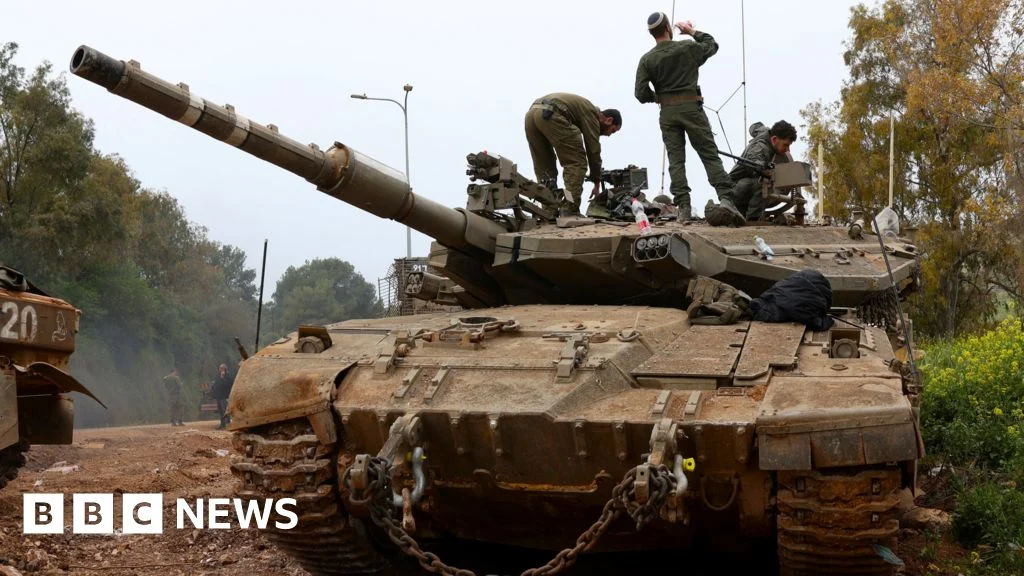
A Fragile Ceasefire Halts Six Weeks of Intense Israel-Hezbollah Conflict, Opening Door for Historic White House Summit
A precarious 10-day ceasefire between Israel and Lebanon, brokered by the United States, came into effect on Thursday at 17:00 EST (21:00 GMT; midnight local time), offering a desperately needed respite after six weeks of escalating conflict that has ravaged southern Lebanon. US President Donald Trump announced the agreement, signalling a critical diplomatic breakthrough in a region perpetually on edge. The temporary truce, however, is merely a pause in hostilities, with deep-seated issues, particularly the future of Hezbollah’s extensive arsenal and Israel’s long-term security concerns, remaining fiercely contested and unresolved.
The Genesis of the Conflict: A Region Ablaze
The six-week conflagration pitted Israel against Hezbollah, the powerful Iran-backed armed group and political movement deeply entrenched in Lebanon. This latest round of hostilities, described by analysts as one of the most intense periods of cross-border fighting in years, was explicitly triggered by Hezbollah in retaliation for the assassination of Iran’s Supreme Leader Ayatollah Ali Khamenei. While details surrounding the alleged assassination remain sparse within the public domain, its profound impact served as a powerful catalyst, igniting a conflict that swiftly destabilized the already volatile Israel-Lebanon border.
Hezbollah, a Shiite Muslim political party and militant group, emerged in the early 1980s during the Lebanese Civil War with significant backing from Iran. It maintains a substantial military wing, widely regarded as more powerful than the Lebanese national army, and has consistently positioned itself as a primary defender against Israeli aggression. Its retaliatory strikes in early March, which prompted Israel’s re-entry into southern Lebanon, led to the establishment of a 10-kilometre-deep buffer zone, aimed at protecting northern Israeli communities from further incursions and rocket fire. The group’s stated motivation for this latest escalation underscores the intricate web of regional rivalries, where events in one nation can have immediate and devastating repercussions across borders.
Humanitarian Catastrophe and Civilian Toll
The human cost of the six-week conflict has been catastrophic, particularly for Lebanon. According to figures released by the Lebanese health ministry, at least 2,196 people have been killed in Israeli attacks, a grim tally that includes 260 women and 172 children. These figures do not distinguish between civilian and combatant casualties, making the precise breakdown difficult to ascertain, but they paint a stark picture of widespread suffering. Beyond the fatalities, more than a million Lebanese citizens – roughly a fifth of the country’s total population – have been displaced from their homes, fleeing the incessant bombardment and ground incursions. The scale of internal displacement has placed immense strain on Lebanon’s already fragile infrastructure and humanitarian aid networks.
The destruction of property has been equally staggering, with an estimated 37,000 homes either completely destroyed or severely damaged across southern Lebanon and parts of the capital, Beirut. Deadly air strikes have repeatedly targeted areas of Beirut, a stark reminder of the conflict’s reach beyond the immediate border zones. The economic impact on Lebanon, a nation already grappling with a severe financial crisis, is anticipated to be profound, further hindering recovery efforts and exacerbating social challenges.
On the Israeli side, authorities report that Hezbollah attacks have resulted in the deaths of two civilians. Additionally, 13 Israeli soldiers have been killed in combat operations within Lebanese territory, highlighting the intensity and danger faced by ground forces operating in the contested security zone. The disparity in casualty figures underscores the asymmetry of the conflict and the devastating impact on the more vulnerable Lebanese civilian population.
Diplomatic Breakthroughs and Entrenched Positions
The ceasefire announcement by President Trump came on the heels of rare direct talks held this week in Washington between Israeli and Lebanese representatives, aimed at de-escalating the conflict. These discussions, though limited in scope, represented a significant diplomatic overture given the historical animosity and the absence of formal diplomatic relations between the two nations. It is crucial to note that Israel is not in direct conflict with Lebanon’s official armed forces, but rather with Hezbollah, an entity that operates with considerable autonomy within the Lebanese state structure.
Israeli Prime Minister Benjamin Netanyahu confirmed Israel’s participation in the 10-day truce but was unequivocal about the conditions. He asserted that Israeli troops would maintain their 10-kilometre-deep (6.2-mile) "security zone" in southern Lebanon, declaring firmly: "We are there, and we are not leaving." Netanyahu framed the ceasefire as an "opportunity to make a historic peace agreement" but stressed the necessity of Israeli forces remaining in southern Lebanon to "block the danger of invasion." He also made it clear that disarming Hezbollah would be one of Israel’s fundamental demands in any future talks with the Lebanese government.
Hezbollah, while appearing willing to observe the ceasefire, laid down its own non-negotiable terms. The group insisted that any truce must include "a comprehensive halt to attacks" across all of Lebanon and, critically, "no freedom of movement for Israeli forces" within Lebanese territory. This direct contradiction with Netanyahu’s stance on the security zone immediately highlighted the profound challenges facing any long-term peace agreement.
Iran’s foreign ministry also welcomed the ceasefire. Tehran’s statement underscored the interconnectedness of regional conflicts, as it had previously insisted that its own ongoing two-week ceasefire with the US should extend to include Lebanon – a demand initially rejected by Washington and Tel Aviv. This stance reveals Iran’s strategic interest in protecting its proxy and maintaining influence in Lebanon.
The Broader Geopolitical Chessboard: US-Iran Dynamics
The Israel-Lebanon ceasefire is not an isolated event but rather unfolds within a complex tapestry of broader US-Iran diplomatic efforts. President Trump revealed that the US and Iran have been engaged in discussions for a second round of peace talks in Pakistan. He also indicated that significant progress had been made, including an agreement that Tehran would not develop nuclear weapons "beyond 20 years." However, Trump issued a stern warning: "if there is no deal, fighting resumes." This linkage suggests that the Lebanese front is intricately tied to the larger strategic negotiations between Washington and Tehran, adding another layer of fragility and leverage to the current truce. The implications of a potential US-Iran nuclear deal, even a limited one, could significantly alter the dynamics of regional proxy conflicts, including the standing of groups like Hezbollah.
Looking Ahead: The White House Summit
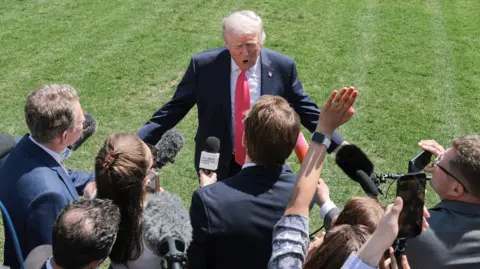
In a move that signals a significant diplomatic push, President Trump announced his intention to invite both Prime Minister Netanyahu and Lebanese President Joseph Aoun to the White House for what he termed "the first meaningful talks between Israel and Lebanon since 1983," a reference to discussions held during the tumultuous Lebanese Civil War. Trump expressed optimism, telling reporters that he believed Lebanon would "take care" of Hezbollah, and predicted an agreement between Israel and Lebanon. He anticipates Netanyahu and Aoun arriving in the US for these crucial talks "over the next week or two."
The US State Department, providing further details on the Israel-Lebanon ceasefire agreement, affirmed that the Lebanese government had committed to taking "meaningful steps to prevent Hezbollah and all other rogue non-state armed groups from carrying out any attacks, operations or hostile activities against Israeli targets." This commitment is a critical component of the truce and places a heavy burden on the Lebanese state, which has historically struggled to assert full control over Hezbollah’s military operations.
Challenges to Lasting Peace: The Unresolved Core
Despite the immediate relief brought by the ceasefire, the central question of Hezbollah’s weaponry remains the most formidable obstacle to a lasting peace. Lebanese authorities have consistently argued that the disarmament of Hezbollah cannot be imposed by force and would necessitate intricate negotiations with the group itself. This position acknowledges Hezbollah’s deep integration into Lebanese society and politics, where it commands significant popular support and maintains a robust social welfare network. Any attempt to forcibly disarm the group could risk reigniting internal conflict within Lebanon.
The historical precedent for such truces offers a sobering outlook. A previous ceasefire agreement between Israel and Hezbollah, which ended 13 months of conflict, regrettably still saw near-daily cross-border strikes, underscoring the deep-seated mistrust and the persistent nature of the underlying grievances. Netanyahu’s rejection of Hezbollah’s conditions – complete Israeli troop withdrawal from Lebanese territory and a "quiet for quiet" format – further illustrates the profound chasm separating the parties. "I agreed to neither the former nor the latter. And indeed, these two conditions are not being met," he stated, reinforcing Israel’s determination to maintain its security posture.
For Israel, the existence of a heavily armed, Iran-backed militia on its northern border represents an intolerable security threat. For Hezbollah, its arsenal is viewed as a vital deterrent against Israeli aggression and a symbol of resistance. Bridging these fundamental differences will require unprecedented diplomatic skill and genuine concessions from all parties. The upcoming White House summit, therefore, carries immense weight, offering a glimmer of hope for a region long accustomed to cycles of violence, yet facing the daunting task of transforming a temporary pause into a durable and meaningful peace. The next ten days will be critical, not just for the cessation of hostilities, but for laying the groundwork for what could be the most significant diplomatic engagement between Israel and Lebanon in decades.

Related Posts
Zambia on Edge: Opposition Leader Arrested Amid Allegations of Insurrection Plot and Election Tensions
Rescuers search for survivors of powerful Indonesia earthquake

