The Feline Phenomenon: Contemporary Art Embraces Playfulness and Global Appeal, as Seen in Hong Kong Airport Installation
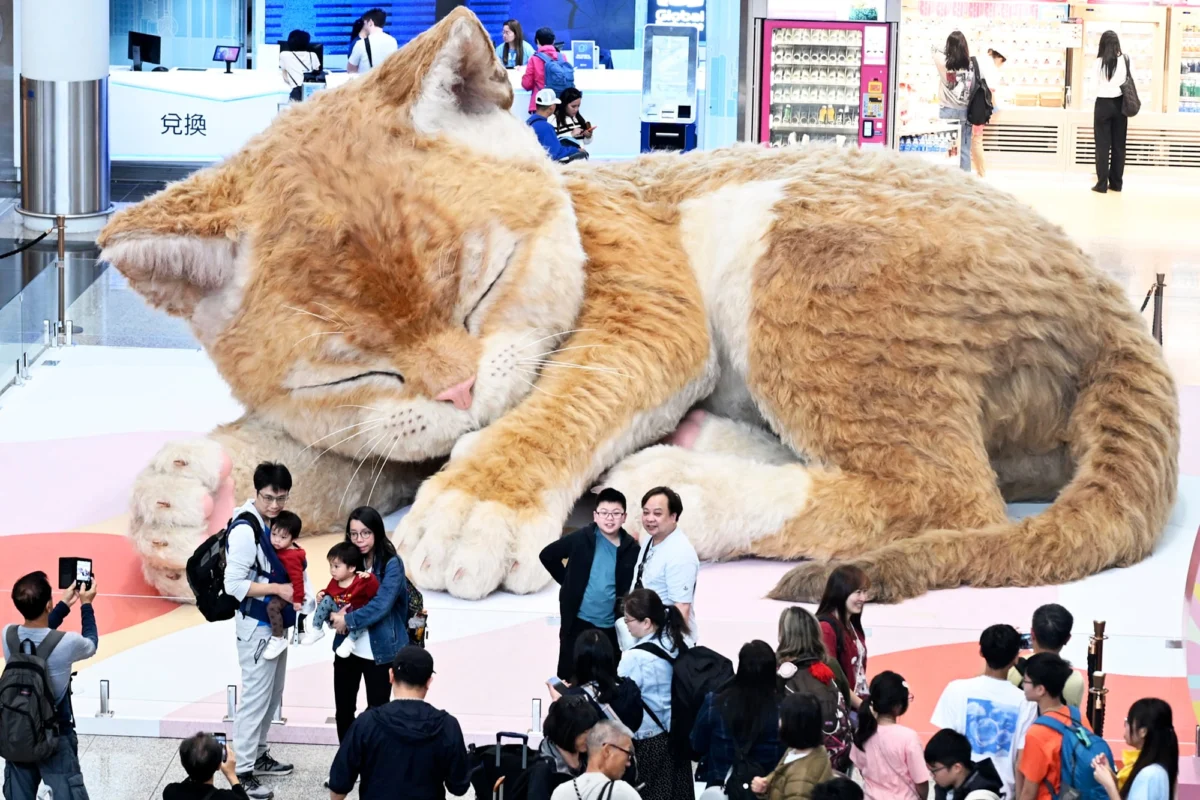
The pervasive presence of contemporary art, particularly in public installations and site-specific works, has increasingly embraced playful and whimsical forms. This is not a novel observation; the artistic landscape has, for some time, seen a shift towards engaging the public with lighter, more accessible expressions. Concurrently, cats, whether in their corporeal form or through the myriad interpretations offered by design and illustration, have long dominated social media feeds. Their ubiquity extends even to platforms historically reserved for more serious discourse, such as X (formerly Twitter), where they coexist with political debates and online controversies. Despite this established trend, the profound devotion and fascination that contemporary culture continues to exhibit towards felines remains a striking phenomenon. This pronounced pop culture inclination towards all things feline transcends age demographics and geographical boundaries, demonstrating a universal appeal that resonates across diverse societies. A recent example of this widespread affection is evident at the Hong Kong International Airport, where travelers paused their journeys to capture photographs with a colossal feline art installation. The enthusiastic response, with passengers eager to document their encounter with the giant cat, suggests an almost complete immersion into a delightful, albeit imagined, world where even monumental sculptures might emit a purr, signaling the pinnacle of this celebratory artistic experience.
The Rise of Playful Public Art
The evolution of public art has witnessed a significant departure from purely monumental or strictly didactic forms towards more interactive and engaging experiences. This shift is often attributed to a desire to democratize art, making it more approachable and less intimidating for the general public. Contemporary artists, recognizing the potential of public spaces as canvases, have increasingly experimented with materials, scales, and themes that invite participation and evoke positive emotions. Installations that incorporate humor, anthropomorphism, or elements of surprise are now commonplace in urban environments worldwide. This movement towards playfulness in public art is not merely a stylistic choice but a strategic one, aimed at fostering community engagement, enhancing urban aesthetics, and creating memorable experiences for residents and visitors alike. The integration of art into everyday life, particularly in high-traffic areas like airports, serves to transform mundane spaces into destinations that offer cultural enrichment and moments of unexpected joy.
Feline Fascination in the Digital Age
The internet, and social media platforms in particular, have undeniably amplified the cultural significance of cats. From viral videos and meme culture to curated Instagram feeds dedicated to feline beauty, cats have become digital ambassadors of charm and amusement. This online adoration translates into tangible cultural influence, impacting design trends, consumer products, and even artistic endeavors. The "cat aesthetic" has permeated various industries, from fashion and home décor to graphic design and advertising. The appeal of cats is multifaceted; they are perceived as independent yet affectionate, mysterious yet relatable, and inherently photogenic. This inherent charisma, amplified by digital platforms, has created a self-sustaining loop of feline appreciation that continuously finds new avenues for expression. The fact that this appreciation has now manifested in a large-scale public art installation at a major international transit hub underscores the depth and breadth of this cultural phenomenon.
Hong Kong International Airport: A Hub of Cultural Encounters
Hong Kong International Airport (HKIA), a global aviation nexus, serves millions of passengers annually. As a gateway to Asia and a vital transit point for international travel, HKIA consistently seeks to enhance the passenger experience beyond mere functional efficiency. This includes incorporating cultural elements and artistic displays that reflect Hong Kong’s vibrant identity and its position as a cosmopolitan city. The airport’s commitment to art and culture is evident in its ongoing series of exhibitions, installations, and performances, designed to offer travelers a respite from the rigors of transit and to provide a glimpse into the local artistic scene. By hosting significant public art pieces, HKIA transforms its terminals into dynamic cultural spaces, enriching the journey for passengers and showcasing art on a global stage. The presence of a large-scale feline installation aligns with this broader objective, offering a universally understood symbol of warmth and charm that can resonate with a diverse international audience.
The Installation: A Monument to Whimsy
The specific installation at Hong Kong International Airport, while not detailed in the initial report, can be inferred to be a significant undertaking. Such public art projects often involve extensive planning, collaboration between artists, designers, engineers, and airport authorities. The scale of the "enormous feline installation" suggests a substantial investment in materials, labor, and artistic vision. The choice of a cat as the subject matter is strategic, tapping into the aforementioned global fascination. The visual impact of a monumental cat in the sterile environment of an airport terminal would undoubtedly be striking, creating a focal point and an immediate conversation starter. Passengers, accustomed to the routines of travel, would be drawn to such an unexpected and playful element, offering a moment of lighthearted distraction.
Background Context of Public Art Installations in Airports:
Airports, by their nature, are transitional spaces. They are environments where people from all walks of life converge, often experiencing a mix of excitement, stress, and anticipation. For years, airport authorities have recognized the potential of art to positively influence the passenger experience. Early initiatives often focused on displaying local art to showcase regional culture. However, there has been a growing trend towards commissioning or hosting internationally recognized artworks or installations that have broad appeal. This strategy aims to create a more engaging and memorable atmosphere, transforming the airport from a mere transit point into a cultural destination in itself. The success of such installations is often measured by passenger engagement, social media sharing, and the overall positive sentiment generated. The Hong Kong International Airport’s choice of a playful, universally appealing theme like a giant cat speaks to a sophisticated understanding of modern passenger psychology and the power of art to create emotional connections.
The Artist’s Intent and Potential Interpretations
While the artist behind this specific installation is not named, the choice of a giant feline figure can be analyzed through several lenses. From a purely aesthetic perspective, the playful scale and form would likely evoke a sense of wonder and amusement. Cats, in their inherent grace and agility, often serve as muses for artists. Their forms can be rendered in abstract or figurative ways, offering a wide range of artistic interpretations. In the context of public art, a giant cat could symbolize several concepts:
- Comfort and Companionship: For travelers away from home, a familiar and comforting image like a cat can evoke feelings of warmth and reassurance.
- Playfulness and Escapism: The sheer scale and unexpectedness of a giant cat can offer a delightful escape from the mundane realities of travel, encouraging a sense of childlike wonder.
- Cultural Symbolism: In many cultures, cats are associated with good luck, prosperity, or mystery. The specific cultural context of Hong Kong, with its blend of traditional beliefs and modern influences, might imbue the installation with further layers of meaning.
- Artistic Dialogue: The installation can be seen as a commentary on the pervasive presence of cats in contemporary popular culture, playfully acknowledging and amplifying this phenomenon.
The fact that passengers are "lining up" to take photos suggests the installation has achieved its objective of creating an engaging and shareable experience. This participatory aspect is a hallmark of successful contemporary public art.
Supporting Data and Trends in Public Art and Pop Culture
The phenomenon of cats dominating social media is well-documented. Studies have shown that content featuring animals, particularly cats and dogs, consistently garners higher engagement rates on platforms like Instagram and Facebook. For instance, a 2022 report by Sprout Social indicated that posts featuring animals receive, on average, 2.5 times more engagement than those without. This trend is not limited to social media; it extends to merchandise, fashion, and even advertising.
Similarly, the appreciation for playful and accessible public art has seen a global surge. Cities worldwide are investing in art installations that aim to revitalize public spaces and attract tourism. The economic impact of public art is also a significant consideration. According to Americans for the Arts, arts and cultural industries generate billions of dollars in economic activity annually, with public art playing a role in place-making and economic development. The Hong Kong International Airport, as a major international gateway, leverages such installations to enhance its brand image and contribute to the perception of Hong Kong as a dynamic and culturally rich city. The airport itself is a significant economic engine, and enhancing its appeal through art can have broader economic implications for the region.
Reactions and Inferred Statements
While direct quotes from airport officials or the artist are not provided, the scene described at the airport strongly suggests a positive reception. The image of "passengers making a stop… to indulge in taking pictures" implies a collective enthusiasm.
Inferred Official Response: Airport authorities likely view such installations as a strategic success. A spokesperson for the airport might offer a statement along the lines of: "We are delighted by the overwhelmingly positive reaction to our latest art installation. Enhancing the passenger experience through engaging and visually appealing art is a key priority for us. This feline-themed exhibit has brought smiles to countless faces and provided a moment of joy for travelers from around the globe. It perfectly embodies our commitment to making journeys through Hong Kong International Airport memorable and inspiring."
Inferred Passenger Reactions: Passengers themselves, as depicted, are actively participating. Their eagerness to photograph the installation points to a sense of delight and a desire to share their positive experience. Many might express their appreciation through social media posts, further amplifying the artwork’s reach. Comments might include: "So cute! Had to get a pic with the giant cat at HKIA!" or "This airport just got way more fun. Love this giant kitty!"
Broader Impact and Implications
The widespread appeal of this feline art installation at a major international airport carries several broader implications:
- The Power of Universality in Art: The success of a cat-themed installation highlights the power of universally recognizable symbols to transcend cultural and linguistic barriers. In a globalized world, art that can connect with people on an emotional, intuitive level is highly effective.
- Art as an Experiential Commodity: In the context of travel, art is increasingly becoming an experiential commodity. Passengers seek not just efficient transit but also engaging and Instagrammable moments. Art installations like this contribute to the overall "travel experience" and can influence passenger choice.
- The Blurring Lines Between Pop Culture and Fine Art: The integration of popular cultural motifs like cats into large-scale public art blurs the lines between traditional fine art and contemporary pop culture. This democratization of art makes it more accessible and relatable to a wider audience.
- Economic and Promotional Value: For the airport and the city of Hong Kong, such installations offer significant promotional value. They generate media attention, encourage social media sharing, and contribute to the city’s image as a vibrant and culturally forward-looking destination. The "buzz" generated by the installation can indirectly boost tourism and economic activity.
- A Reflection of Societal Trends: The enduring fascination with cats, amplified by this artistic expression, reflects deeper societal trends related to pet ownership, the search for comfort and companionship in an increasingly complex world, and the pervasive influence of digital media on our cultural landscape.
In conclusion, the phenomenon observed at the Hong Kong International Airport is a microcosm of broader cultural shifts. Contemporary art’s embrace of playfulness, coupled with the enduring global affection for felines, has created a potent combination that resonates deeply with the public. This installation serves not only as a delightful diversion for travelers but also as a testament to the evolving role of art in public spaces and its capacity to foster connection, evoke joy, and reflect the cultural zeitgeist. The "party" that is made complete by the imagined purr of a giant cat is, in essence, the celebration of a shared human experience, amplified by art and the simple, yet profound, charm of our feline companions.

Related Posts
The Electric Vehicle Battery Health Debate Emerges as Argentina’s EV Market Accelerates
President Donald Trump Confirms Secret Departure from Turkey Amidst Assassination Threat