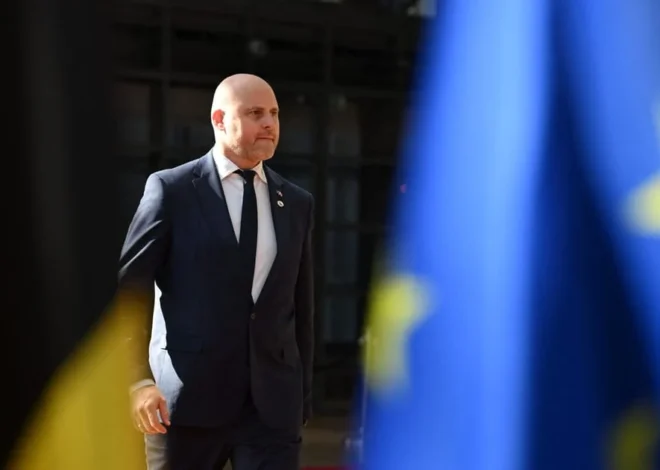
L’Union européenne inflige une amende de 120 millions d’euros à la plateforme X
The European Union has officially imposed a financial penalty of 120 million euros on X, the social media platform formerly known as Twitter, marking a significant escalation in the ongoing regulatory friction between Brussels and the tech giant owned by Elon Musk. This decision, announced on December 5, 2025, represents a calculated move by the European Commission to enforce the Digital Services Act (DSA), a landmark piece of legislation designed to hold large online platforms accountable for the content they host and the algorithms they deploy.
While 120 million euros is a substantial sum, industry analysts have noted that it is relatively moderate compared to the theoretical maximum penalties allowed under the DSA, which can reach up to 6 percent of a company’s global annual turnover. This measured approach suggests that the European Commission is opting for a "warning shot" strategy, signaling to X that while the regulator has the capacity to inflict severe financial pain, it is currently prioritizing systemic compliance over existential punishment.
The Chronology of Regulatory Tension
The relationship between X and the European Union has been fraught with tension since Elon Musk’s acquisition of the platform in late 2022. The timeline of this confrontation reveals a pattern of increasingly aggressive regulatory oversight:

- August 2023: The Digital Services Act officially comes into force for "Very Large Online Platforms" (VLOPs), requiring them to conduct annual risk assessments regarding illegal content, disinformation, and the protection of minors.
- December 2023: The European Commission opens formal proceedings against X to investigate potential breaches of the DSA, specifically focusing on the dissemination of illegal content and the effectiveness of its "Community Notes" feature.
- July 2024: Preliminary findings suggest that X’s "verified" checkmark system creates a deceptive environment for users, potentially violating transparency requirements.
- September 2025: Broader industry debates intensify as other sectors, including the adult content industry, begin to push back against the strict age-verification requirements mandated by the EU’s digital regulations.
- December 5, 2025: The formal penalty of 120 million euros is issued, citing failures in content moderation transparency and the manipulation of user interface design, commonly referred to as "dark patterns."
Supporting Data and Regulatory Context
To understand the scale of this penalty, one must examine the broader landscape of EU tech enforcement. In recent years, the European Commission has moved from a reactive posture—often focusing on competition law and antitrust—to a proactive, safety-first regulatory framework.
The DSA is the cornerstone of this shift. It mandates that platforms like X must provide detailed data on their algorithmic recommendations and demonstrate that they have adequate resources to combat illegal content. Data from the Commission indicates that X has significantly reduced its internal Trust and Safety teams since 2022. This reduction in headcount has been a primary concern for EU regulators, who argue that the automated systems currently in place are insufficient to handle the volume of hate speech and disinformation prevalent on the platform.
Comparatively, the 120 million euro figure is modest. When the EU fined Google or Meta in the past for antitrust violations, the sums regularly reached into the billions. By choosing a lower figure, the Commission is balancing the need for enforcement with the political desire to maintain a stable digital environment, avoiding a total decoupling of the platform from the European market.
Official Responses and Internal Repercussions
While an official statement from X’s legal department has yet to be fully articulated, insiders close to the company have previously suggested that the platform views these fines as politically motivated. Elon Musk has frequently utilized his own account on X to criticize the European Commission, characterizing the DSA as a form of government-sanctioned censorship.

On the other side of the aisle, Thierry Breton, the former EU Commissioner for the Internal Market, had long championed a "zero tolerance" policy toward the platform. His successor and the current Commission leadership have maintained this stance, emphasizing that "the EU is not a playground for unmoderated digital chaos." The sentiment in Brussels is that the rules must be applied universally, regardless of the platform’s political affiliation or the outspoken nature of its ownership.
The Broader Impact on Digital Sovereignty
The implications of this fine extend far beyond X. This move signals a hardening of the EU’s stance on digital sovereignty. By penalizing a major American-owned platform, the EU is reinforcing the idea that its legislative standards—which prioritize user safety and data privacy—are not suggestions, but mandatory requirements for market access.
There is, however, a complex geopolitical dimension to this issue. As noted in earlier trade discussions, the United States has expressed skepticism regarding the EU’s regulatory expansion, often viewing the DSA as a non-tariff barrier designed to handicap American tech dominance. The "blurriness" of current trade agreements means that the EU must tread carefully. If it moves too aggressively, it risks a formal trade dispute with Washington; if it moves too slowly, it risks losing the trust of its own citizens who are increasingly concerned about the impact of social media on children and democratic processes.
Challenges in Enforcement: The "Dark Patterns" Dilemma
A key part of the current 120 million euro penalty relates to "dark patterns"—interface designs that trick users into making decisions they might not otherwise make, such as keeping notifications turned on or opting into data tracking.

The European Commission’s investigation highlighted that X’s user interface makes it difficult for users to report illegal content or adjust privacy settings, a violation of the DSA’s mandate for "user-centric design." This technical aspect of the fine is significant because it moves the debate away from the subjective nature of "what is free speech" to the objective nature of "how does the software function." By focusing on design, the EU is attempting to build a regulatory framework that is neutral but highly effective at changing how companies operate.
Implications for the Future of Social Media
For other social media companies, the message is clear: the era of self-regulation is effectively over. Companies like Meta, TikTok, and LinkedIn are now watching closely to see how the appeal process for this fine plays out. If X decides to contest the fine in the European Court of Justice, it could trigger a multi-year legal battle that might either dilute or solidify the power of the DSA.
Furthermore, the tension between the "moral" requirements of the EU—such as protecting minors—and the libertarian business model of platforms like X is likely to worsen. As discussed in recent reports regarding the adult content industry’s revolt against EU regulation, companies are beginning to realize that the cost of compliance is becoming a significant line item in their annual budgets.
Conclusion: A Strategic Turning Point
The 120 million euro fine against X is a pivotal moment in the history of the Digital Services Act. It demonstrates that the European Union is willing to exert its legislative power against the world’s most prominent tech figures.

However, the moderate nature of the penalty also highlights the challenges of global digital governance. The EU is attempting to steer a middle course: it wants to ensure that platforms are safe, transparent, and accountable, but it also recognizes that these platforms are essential infrastructure for modern communication.
In the coming months, the focus will shift to whether X chooses to pay the fine and adjust its policies, or whether it will seek to challenge the Commission’s authority in court. Regardless of the outcome, the precedent has been set. The European Union has shown its hand, and for the digital giants of Silicon Valley, the landscape of the European market has become significantly more regulated, more expensive, and far more demanding than it was just a few years ago. As the digital age matures, the battle between centralized state regulation and decentralized platform autonomy is only just beginning, and this fine is merely the latest chapter in a much larger struggle for the future of the internet.