Middle East Conflict Enters 27th Day Amidst Tentative Diplomatic Maneuvers and Escalating Tensions
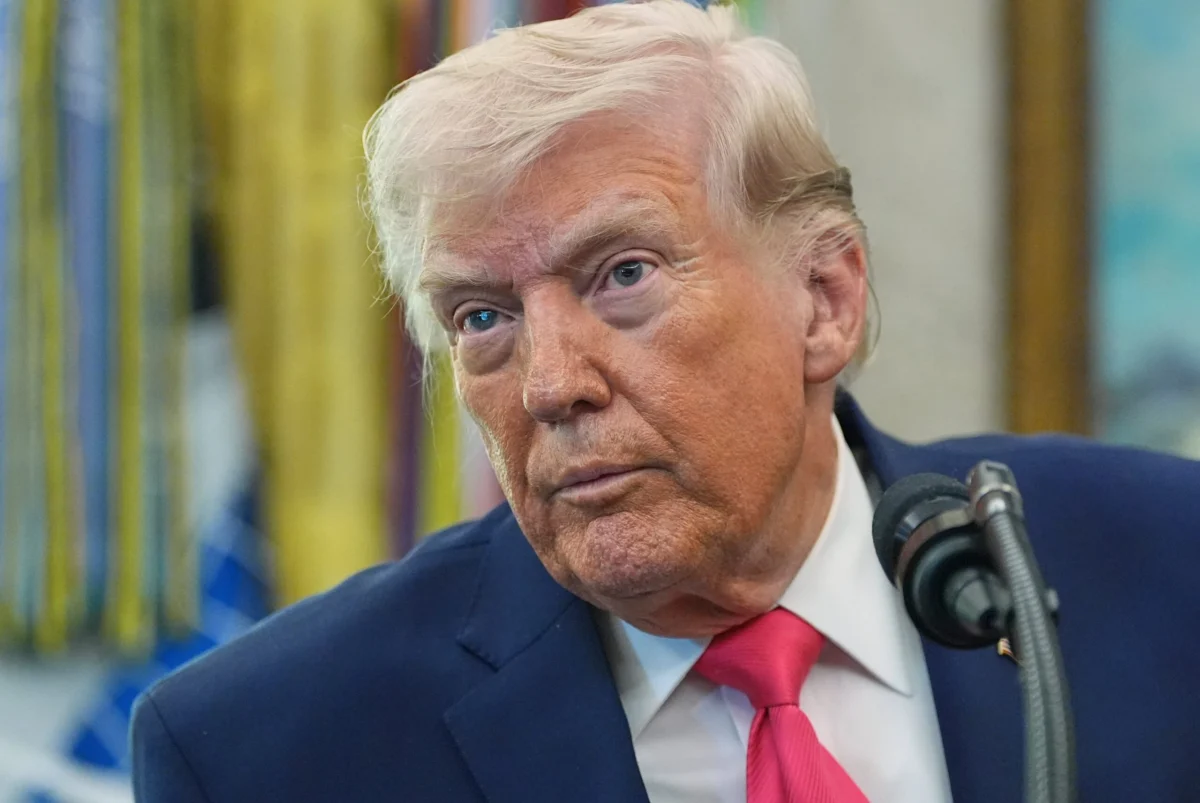
The protracted conflict in the Middle East, now marking its 27th day, entered a critical phase on Thursday, March 26th, characterized by a swirl of diplomatic activity and persistent geopolitical anxieties. A significant development emerged with reports of United States President Donald Trump postponing an ultimatum demanding Iran reopen the Strait of Hormuz, citing "very positive conversations" with the Iranian regime. However, these claims were met with swift denials from Tehran, underscoring the deep-seated mistrust and complex dynamics at play in the region. This intricate situation, with its far-reaching implications, warrants a detailed examination of the underlying causes, the unfolding events, and the potential consequences for global stability.
The Genesis of the Conflict: A Cascade of Escalation
The current conflagration, now in its fourth week, did not erupt spontaneously. It is the culmination of years of simmering tensions, proxy conflicts, and a series of escalating incidents involving the United States, Israel, and Iran. The immediate catalyst for the current round of hostilities can be traced back to a series of actions and reactions that have dramatically altered the strategic landscape of the Persian Gulf and beyond.
Background Context:
For decades, the relationship between the United States and Iran has been fraught with animosity, rooted in the 1979 Iranian Revolution and the subsequent hostage crisis. The Islamic Republic has consistently viewed the United States as an imperialistic power seeking to undermine its sovereignty and regional influence. Conversely, the United States, along with its allies, has accused Iran of sponsoring terrorism, developing nuclear weapons, and destabilizing the region through its support for militant groups like Hezbollah and Hamas.
Israel, a staunch ally of the United States, views Iran as an existential threat, particularly due to its nuclear program and its stated aim of destroying the Jewish state. This shared perception of threat has often led to close security cooperation between Washington and Jerusalem, impacting their respective strategic calculus concerning Iran.
The Strait of Hormuz, a vital chokepoint for global oil trade, has long been a focal point of this geopolitical struggle. Iran has repeatedly threatened to close the strait in retaliation for sanctions or military action, a move that would have catastrophic consequences for the global economy. The United States, in turn, has maintained a naval presence to ensure freedom of navigation through the waterway.
A Chronology of Escalation: From Targeted Strikes to Regional Anxiety
Understanding the current crisis requires a look at the recent events that have propelled the region to the brink of wider conflict. While the exact timeline of covert operations and intelligence-gathering remains classified, publicly acknowledged events paint a picture of escalating provocations and retaliatory measures.
- Early March (Specific Dates Classified): Reports emerged of a significant Israeli intelligence operation targeting Iranian nuclear facilities, aimed at disrupting its alleged nuclear weapons program. This operation, though not officially confirmed by Israel, is widely believed to have been a precursor to subsequent Iranian actions.
- Mid-March: In what was perceived as a direct response to the Israeli strike and broader regional pressures, Iran launched a series of cyberattacks against critical infrastructure in the United States and Israel. These attacks, while largely repelled by robust cybersecurity measures, signaled Iran’s growing capability and willingness to retaliate in the digital domain.
- Late March (Week of March 17th-23rd): Tensions reached a fever pitch following alleged Iranian-backed attacks on oil tankers in the Persian Gulf. While Iran denied direct involvement, attributing the incidents to "sabotage," the United States and Israel pointed to Iranian Revolutionary Guard Corps (IRGC) vessels and intelligence as evidence. This led to heightened naval patrols and a significant increase in military readiness on all sides.
- March 24th-25th: The United States, citing imminent threats to its forces and allies, initiated a series of targeted strikes against Iranian military assets and suspected proxy positions in Syria and Iraq. These strikes, described as "defensive" by the Pentagon, were designed to degrade Iran’s ability to project power and launch further attacks. Simultaneously, Israel conducted aerial bombardments against alleged Iranian drone and missile sites in Lebanon and Syria, further intensifying the tit-for-tat exchanges.
- March 25th: President Trump issued an implicit ultimatum, suggesting that if Iran did not cease its hostile actions and reopen the Strait of Hormuz, the United States would take decisive measures. This statement, amplified by hawkish rhetoric from some US officials, sent shockwaves through international markets and diplomatic circles.
- March 26th (Current Day): The narrative shifted with reports of "very positive conversations" between the US and Iran, leading to the postponement of Trump’s ultimatum. This unexpected diplomatic overture, however, was immediately contradicted by Iranian officials who denied any breakthroughs or agreements. This conflicting information highlights the precarious nature of the current diplomatic efforts and the potential for miscalculation.
The Strategic Stakes: Why the World is Watching
The conflict in the Middle East is not merely a regional dispute; it carries profound implications for global security, economic stability, and international relations. Several key factors contribute to the widespread concern:
1. The Strait of Hormuz and Global Energy Security:
As mentioned, the Strait of Hormuz is a critical artery for global energy supplies. Approximately 30% of the world’s seaborne oil trade passes through this narrow waterway. Any disruption, whether through direct conflict or the threat of it, can lead to severe price shocks, supply shortages, and economic recession worldwide. Supporting data from the U.S. Energy Information Administration (EIA) consistently highlights the Strait’s pivotal role in oil transit. In recent years, it has handled the passage of over 17 million barrels of oil per day.
2. The Nuclear Dimension:
Iran’s nuclear program remains a significant concern for the international community. While Iran insists its program is for peaceful energy purposes, intelligence assessments from various countries, including the United States and Israel, suggest that Iran is actively pursuing the capability to develop nuclear weapons. The current conflict has intensified fears that Iran might accelerate its nuclear activities under the cover of regional hostilities or use the crisis as leverage to advance its program. The International Atomic Energy Agency (IAEA) continuously monitors Iran’s nuclear facilities, and its reports are closely scrutinized for any signs of diversion of nuclear material.
3. Regional Destabilization and Proxy Warfare:
Iran’s influence extends across the Middle East through its network of proxy groups. The current conflict risks further destabilizing already volatile regions like Syria, Iraq, Yemen, and Lebanon. Increased tensions could embolden these proxies, leading to heightened sectarian violence, humanitarian crises, and the potential for wider regional conflagration. The ongoing conflict in Yemen, heavily influenced by the Iran-Saudi Arabia rivalry, serves as a stark example of how proxy wars can draw in regional and international powers.
4. The Role of Major Powers:
The United States and Iran are the primary antagonists, but other global powers, including Russia and China, have significant interests in the region. Russia, a key ally of Syria and a trading partner with Iran, has expressed concerns about the escalating tensions and called for de-escalation. China, heavily reliant on Middle Eastern oil, is also monitoring the situation closely, as any disruption to energy supplies directly impacts its economic growth. The delicate balance of power involving these major actors adds another layer of complexity to the conflict.
Official Responses and Diplomatic Undercurrents
The conflicting statements from Washington and Tehran on March 26th encapsulate the complex diplomatic dance underway.
United States Perspective:
The Trump administration’s approach has been characterized by a "maximum pressure" campaign against Iran, involving stringent economic sanctions and a robust military posture. The recent strikes were framed as necessary defensive measures to deter further Iranian aggression. However, the reported "positive conversations" suggest a potential pivot towards a more diplomatic track, albeit one still backed by considerable military leverage. The administration’s stated goal remains to compel Iran to abandon its "destabilizing activities," including its ballistic missile program and support for regional proxies, and to rejoin negotiations on a more comprehensive nuclear agreement.
Iranian Perspective:
Iran, facing severe economic hardship due to US sanctions, has consistently denied any aggressive intentions and has accused the United States and Israel of provocations. Tehran views the sanctions as an act of economic warfare and a violation of international norms. The denial of any agreement with the US underscores Iran’s cautious approach, likely stemming from a desire to avoid appearing weak or conceding too much under duress. Iran’s strategic objective is to maintain its regional influence, protect its national interests, and secure its survival as an independent state, often by projecting an image of resilience against perceived foreign threats.
International Reactions:
The international community has largely expressed deep concern over the escalating tensions and has called for restraint from all parties. The United Nations, European Union, and various individual nations have urged for a diplomatic resolution to the crisis. European powers, in particular, have emphasized the importance of preserving the Joint Comprehensive Plan of Action (JCPOA), the Iran nuclear deal, which the US unilaterally withdrew from in 2018. They fear that the current conflict could permanently derail any prospects for reviving the agreement.
Analysis of Implications: A Precarious Equilibrium
The current situation presents a precarious equilibrium. While direct, full-scale war between the US and Iran remains a possibility, neither side appears to have an immediate appetite for such a catastrophic outcome.
- Economic Ramifications: Regardless of the immediate military outcome, the ongoing tensions have already had a palpable impact on global financial markets, particularly oil prices. A prolonged conflict or a significant disruption to oil supplies could trigger a global economic downturn.
- Humanitarian Concerns: The potential for increased conflict in proxy war zones like Syria and Yemen raises grave humanitarian concerns. Civilian populations in these areas are already bearing the brunt of years of instability and violence.
- Geopolitical Realignment: The crisis could accelerate shifts in regional alliances and influence. It may force countries in the Middle East to re-evaluate their relationships with major powers and potentially lead to new security arrangements.
- The Future of Nuclear Diplomacy: The current conflict casts a long shadow over the prospects for reviving the Iran nuclear deal. If diplomacy fails, Iran might feel compelled to accelerate its nuclear program, leading to further regional proliferation concerns and a heightened risk of military confrontation.
The coming days and weeks will be crucial in determining the trajectory of this complex and dangerous conflict. The apparent diplomatic overtures, however tentative and contested, offer a glimmer of hope, but the underlying animosities and the potential for miscalculation remain significant. The world watches with bated breath as the 27th day of this perilous Middle Eastern standoff unfolds.

Related Posts

The Electric Vehicle Battery Health Debate Emerges as Argentina’s EV Market Accelerates
President Donald Trump Confirms Secret Departure from Turkey Amidst Assassination Threat