Chicago Mayor Brandon Johnson Doubles Down on Immigration Stance After Fatal Shooting Allegedly Involving Undocumented Migrant
Chicago Mayor Brandon Johnson faced intensified scrutiny and a renewed debate over the city’s immigration policies after he reiterated his commitment to protecting undocumented individuals, just one week following the alleged murder of an 18-year-old Loyola University student by an individual identified by authorities as an undocumented Venezuelan migrant. The mayor’s comments were made during a public event where his administration unveiled a new snowplow prominently featuring the phrase “Abolish ICE,” a move that has drawn sharp criticism and highlighted the complex challenges facing the self-declared sanctuary city.
The tragic incident that has galvanized public attention occurred on March 19, when Sheridan Gorman, a promising student at Loyola University, was fatally shot near Tobey Prinz Beach in Chicago’s Rogers Park neighborhood. Law enforcement officials quickly identified and apprehended Jose Medina-Medina, 25, an individual from Venezuela who is reportedly in the United States without authorization, in connection with the shooting. Medina-Medina has since been charged with first-degree murder, attempted first-degree murder, three felony counts of aggravated assault, and unlawful possession of a firearm. The incident has cast a stark light on Chicago’s sanctuary city policies and the broader implications of the ongoing migrant influx.
The Mayor’s Stance Amidst Tragedy
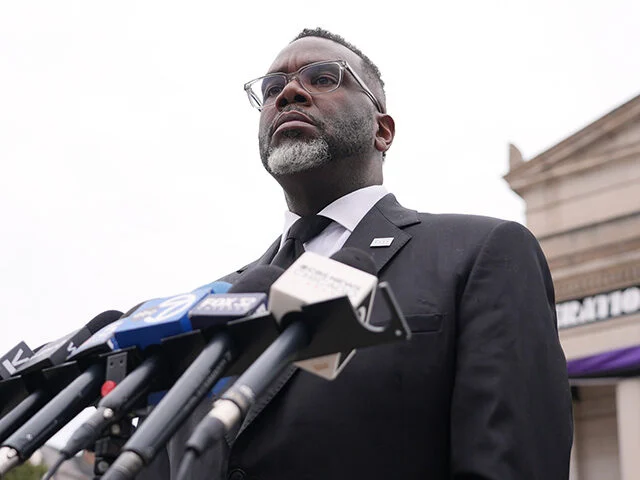
Mayor Johnson, a Democrat, held a press conference on Wednesday, March 26, to officially unveil a new fleet of salt trucks. Among them was a snowplow emblazoned with the controversial slogan "Abolish ICE," a phrase that had emerged as a top choice in a citywide contest to name six new vehicles, reportedly submitted over 9,000 times. During the event, a reporter directly questioned the mayor on whether he had considered rescheduling the unveiling given the recent death of Gorman and the allegations against Medina-Medina.
In response, Mayor Johnson stated, “This is a terrible tragedy, and what I’ve said from the very beginning, I’m going to continue to use every single tool that’s available to me to protect the residents of the city of Chicago. This tragedy is not going to deter us from our work. In fact, it’s going to challenge us all to double down on our efforts to ensure that we are protecting every single individual across neighborhoods.” His remarks underscored his administration’s unwavering commitment to its current approach, framing the issue as one of universal protection for all residents, regardless of immigration status. This position aligns with his broader progressive platform and Chicago’s long-standing designation as a sanctuary city.
Details of the Alleged Crime and Investigation
According to the Chicago Police Department, Sheridan Gorman was walking with a group of friends near Tobey Prinz Beach around 1:00 a.m. on March 19 when a masked individual, later identified as Jose Medina-Medina, allegedly approached the group and began firing shots in their direction. Gorman was struck in the head and tragically died at the scene. Police reports indicate that Gorman and her friends noticed Medina-Medina hiding before he allegedly pursued them, opening fire as they attempted to flee. The swift arrest of Medina-Medina provided some immediate answers, but the circumstances surrounding his presence in the country and the city have fueled a more extensive public debate.
Medina-Medina, who authorities state is an undocumented migrant from Venezuela, arrived in Chicago as part of the significant influx of asylum seekers and migrants that the city has experienced over the past year and a half. His arrest and the subsequent charges have ignited discussions about the efficacy of immigration policies, border security, and local ordinances designed to protect undocumented individuals from federal immigration enforcement.
Chicago’s Sanctuary City Status and the Migrant Crisis
Chicago officially declared itself a sanctuary city in 1985, a status solidified by subsequent ordinances that limit cooperation between local law enforcement and federal immigration authorities, such as Immigration and Customs Enforcement (ICE). The intent behind such policies is to foster trust between immigrant communities and local police, encouraging reporting of crimes without fear of deportation and ensuring access to city services.
However, Chicago has been grappling with an unprecedented humanitarian crisis since late 2022, with tens of thousands of migrants, primarily from Venezuela, arriving in the city, many bused directly from border states. As of early 2024, the city has processed over 38,000 asylum seekers, providing shelter, food, and social services. This influx has strained municipal resources, leading to the establishment of temporary shelters in repurposed buildings, parks, and even O’Hare International Airport. The cost to Chicago taxpayers for housing and supporting migrants has already exceeded hundreds of millions of dollars, with projections indicating a continued substantial financial burden. For instance, the city allocated over $150 million in 2023 for migrant services and has budgeted even more for 2024, alongside federal and state contributions.
The immense logistical and financial challenges have led to growing tensions among residents, with some community groups expressing frustration over resource allocation and the perceived impact on existing social services. Mayor Johnson’s administration has consistently advocated for more federal assistance and a comprehensive national immigration strategy, while simultaneously reaffirming the city’s commitment to its sanctuary status and humanitarian responsibilities.
Community Outcry and Political Reactions
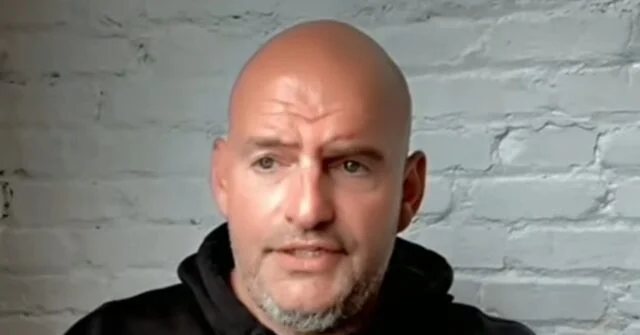
The tragic death of Sheridan Gorman and Mayor Johnson’s subsequent comments have triggered a wave of strong reactions across Chicago. The Loyola University community, in particular, has been profoundly affected. Students organized protests outside the office of Alderwoman Maria Hadden, whose ward includes the Rogers Park neighborhood where the murder occurred. Video footage from one such protest showed a Loyola student emphatically stating, "This was a deliberate, cold-blooded murder of an 18-year-old woman."
Alderwoman Hadden herself became a focal point of criticism after seemingly suggesting that Gorman might have "startled" Medina-Medina, implying that the victim was merely in the "wrong place at the wrong time." This statement was widely condemned as insensitive and an attempt to shift blame, further exacerbating the community’s grief and anger. While the Alderwoman later sought to clarify her remarks, the initial comments fueled a perception that city officials were not adequately addressing the safety concerns stemming from the migrant crisis or showing sufficient empathy for the victim.
Critics of Mayor Johnson’s policies and the city’s sanctuary status seized upon the incident to argue for stricter immigration enforcement and a reevaluation of current ordinances. Political opponents and some community groups have called for greater accountability, questioning how individuals with criminal intent might exploit lenient immigration policies. Conversely, immigrant rights advocates have cautioned against generalizing the actions of one individual to an entire community, emphasizing the vast majority of migrants are seeking safety and contributing positively to society. They argue that tragedies should not be used to demonize or scapegoat vulnerable populations, and that the "Abolish ICE" movement represents a push for more humane and just immigration policies, rather than a disregard for public safety.
The "Abolish ICE" Movement and its Context
The "Abolish ICE" slogan emblazoned on the snowplow is a rallying cry for a movement that gained significant traction in the mid-2010s, particularly during the Trump administration. Proponents argue that ICE, established in 2003 under the Department of Homeland Security, has engaged in aggressive enforcement tactics, family separations, and human rights abuses, making it an agency beyond reform. They advocate for dismantling ICE and reallocating its functions, such as customs enforcement and visa processing, to other government agencies, while focusing on more humane and less punitive approaches to immigration.
The selection of "Abolish ICE" for a city vehicle, especially in the wake of a high-profile crime allegedly involving an undocumented individual, symbolizes Mayor Johnson’s alignment with this progressive stance. It sends a clear message about his administration’s priorities and its commitment to challenging federal immigration enforcement paradigms, even as it navigates intense local public safety concerns.
Broader Implications and Future Outlook
The confluence of Sheridan Gorman’s tragic death, the alleged involvement of an undocumented migrant, and Mayor Johnson’s steadfast defense of his immigration policies, encapsulated by the "Abolish ICE" snowplow, underscores a deeply polarized debate in Chicago and across the nation.
Political Implications: For Mayor Johnson, this incident presents a significant political challenge. While his progressive base may applaud his unwavering stance, moderate voters and those primarily concerned with public safety may view his actions as tone-deaf or even irresponsible. The issue could become a defining factor in future elections, particularly if public sentiment continues to shift regarding the migrant crisis and its perceived impact on local communities. It also puts Chicago at odds with federal authorities who may criticize the city’s non-cooperation policies.
Social Cohesion: The incident risks exacerbating divisions within Chicago. While some residents express solidarity with migrant communities, others voice frustration and anger, leading to heightened tensions between different demographic groups. The narrative surrounding the crime could be exploited to foster xenophobia or anti-immigrant sentiment, complicating efforts to build a truly inclusive city.
Policy Debate: The debate over sanctuary cities and immigration enforcement is likely to intensify. Proponents will continue to argue for the humanitarian benefits and the importance of community trust, while opponents will highlight potential public safety risks and the strain on resources. This could lead to calls for referendums, changes in city ordinances, or increased pressure on state and federal governments to intervene. The incident will undoubtedly fuel discussions about the vetting processes for migrants arriving in the U.S. and the mechanisms for tracking individuals awaiting asylum claims.
Resource Allocation: The ongoing migrant crisis continues to demand substantial financial and logistical resources from Chicago. The incident may prompt further examination of how these resources are being managed and whether the city can sustain its current level of support while addressing other pressing urban challenges, including crime and homelessness.
In conclusion, the tragic murder of Sheridan Gorman has thrown a harsh spotlight on the intricate and often contradictory challenges facing Chicago as a sanctuary city grappling with a massive influx of migrants. Mayor Brandon Johnson’s administration finds itself at a critical juncture, attempting to balance its humanitarian commitments and progressive ideals with the paramount responsibility of ensuring public safety for all residents. The "Abolish ICE" snowplow serves as a potent symbol of this complex tension, embodying a progressive vision while simultaneously igniting a fierce public discourse over justice, compassion, and security in one of America’s largest cities. The path forward for Chicago will require navigating these deeply entrenched divisions, finding solutions that address both the immediate crisis and the long-term aspirations for a safe and inclusive urban environment.

Related Posts
Department of Homeland Security Reports Steady 2,000 Daily Migrant Arrests Amidst Intense Political Scrutiny and Calls for Greater Enforcement
Federal Building in New York City Targeted by Incendiary Device, Suspect in Custody Following Incident at 26 Federal Plaza