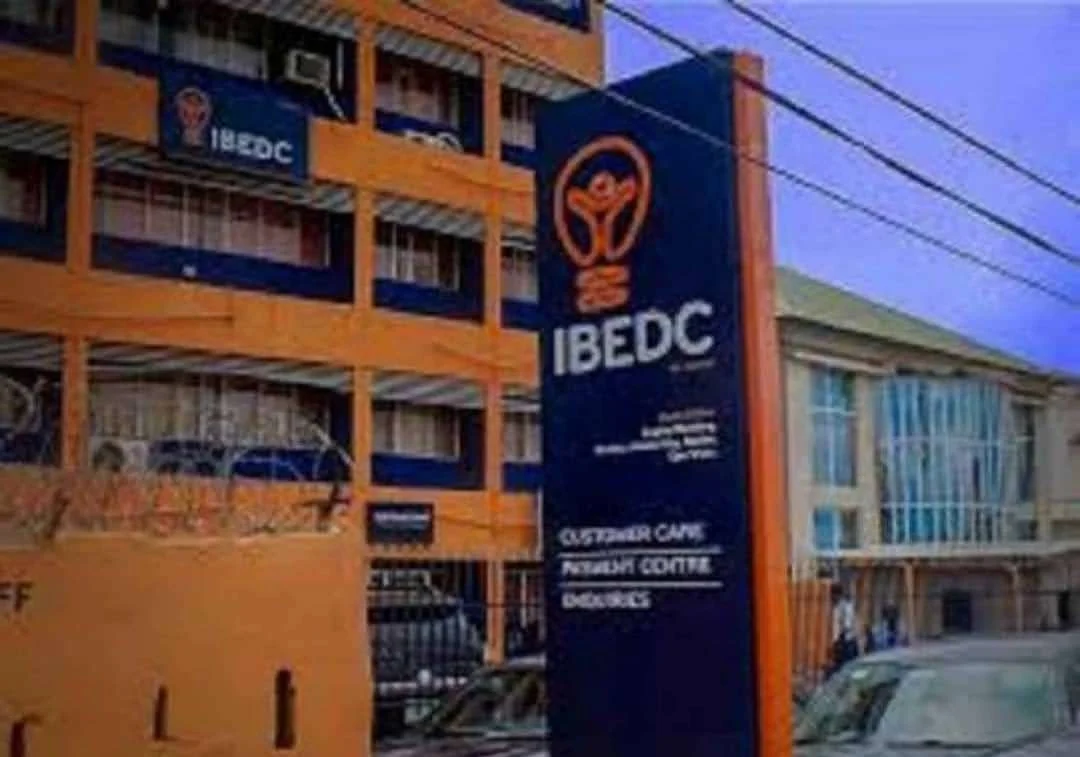
Rain, feeder faults plunge several Osun communities into darkness
The Ibadan Electricity Distribution Company (IBEDC) has formally notified residents and business owners across various communities in Osun State of an extensive disruption in power supply, citing a combination of severe weather conditions, critical technical faults, and necessary infrastructure maintenance. The utility provider, which serves as the primary distributor for the region, indicated that the interruptions are currently impacting major load centers connected to the Ede Township 11kV and Ede Water Works 33kV feeders. This development comes as a significant setback for local economic activities, which rely heavily on consistent power supply for operational stability.
The Scope of the Disruption
The affected areas encompass a wide swath of the Ede municipality and its surrounding districts. According to the official communication released by the IBEDC Osun Region office, the outage is not limited to a single neighborhood but has created a cascade effect across residential and commercial zones. Specifically, the communities identified as currently experiencing zero power supply include Nitel, Palace, Poly Junction, C.A.C., Agbale 1, Odo Eja, Kanisuru/Agbale, Hijra, Agbake 2, Gbogunmi, Hijra 2, Top Hill, St Anthony, Ojoro, Akewula, Apena, Sabo, Level Crossing, Deeper Life, Wuraola, Olaiya, Aboto, Barracks, Winner, 440, Sawmill, INEC, and Camp Young, as well as the Peace Estate.
These locations represent a mix of high-density residential clusters and vital public service hubs. The outage, which began following a series of heavy downpours, has left thousands of residents in the dark, highlighting the persistent vulnerability of the local power grid to meteorological events.
Chronology of Events and Technical Challenges
The current crisis follows a pattern of infrastructure strain that has become increasingly common in the Nigerian power sector during periods of extreme weather. The chronology of the disruption began with an intense atmospheric disturbance, which triggered automatic protection systems on the Ede 33kV and 11kV lines.
Upon the initial failure, IBEDC technical teams were dispatched to assess the damage. Preliminary reports from the field engineers suggested that the rainfall did not only cause direct damage to the lines through falling trees and debris but also exacerbated existing technical weaknesses in the aging distribution network. The company noted that the "technical faults" mentioned in their notice involve the localized failure of insulation and pole stability, which require specialized equipment to repair safely.
While the company has not provided a definitive timeline for the full restoration of all affected feeders, their internal protocols suggest a phased approach. First, the 33kV transmission lines are prioritized to stabilize the backbone, followed by the 11kV feeders that serve the individual residential transformers.
Understanding the Grid Infrastructure in Osun
To understand the gravity of these outages, one must consider the historical context of power distribution in the region. The Ede Water Works 33kV feeder is a critical piece of infrastructure, as it supports not only residential areas but also the industrial and public water distribution systems that serve a significant portion of Osun State. When this feeder trips, the impact is felt far beyond simple domestic lighting; it affects water treatment and supply, local manufacturing, and the operation of small-to-medium enterprises (SMEs) that form the backbone of the Ede economy.
The Nigerian power sector operates on a precarious balance between supply and demand. According to data from the Nigerian Electricity Regulatory Commission (NERC), distribution companies (DisCos) like the IBEDC often face challenges related to "load shedding" and "load rejection." While the current issue in Osun is framed as a technical fault caused by weather, it draws attention to the broader issue of infrastructure obsolescence. Much of the distribution equipment—transformers, cross-arms, and insulators—in the state has been in operation for several decades, making them increasingly susceptible to failures during the rainy season.
Economic and Social Implications
The economic implications of these outages are profound. In a business environment where the cost of self-generation—typically through diesel-powered generators—has skyrocketed due to the rising price of petroleum products, small business owners in the affected areas face a stark choice: either cease operations or absorb the high cost of alternative energy, which effectively erodes their profit margins.

For residents, the lack of electricity translates to increased security risks, the spoilage of perishable goods, and a disruption in daily productivity. Public health is also a concern, as many local health centers rely on the grid to power refrigeration for vaccines and other temperature-sensitive medical supplies. While the IBEDC has pledged to resolve the issues, the frequency of such occurrences has led to growing frustration among community leaders and residents’ associations, who are calling for more proactive maintenance rather than reactive repairs.
Official Response and Maintenance Strategy
In response to the growing public concern, the IBEDC has emphasized its commitment to restoring service as quickly as possible. In their official statement, the company noted that they are "working tirelessly to ensure the restoration of power supply to all affected areas." The firm has requested the patience of customers, citing that safety protocols must be followed during repairs to protect both the utility staff and the public.
Industry experts observe that the IBEDC’s approach of conducting "ongoing maintenance" alongside emergency repairs is a double-edged sword. While it is necessary to prevent further grid collapse, it also necessitates scheduled outages that are often poorly received by a public already exhausted by unplanned disruptions. The challenge for the distribution company lies in balancing the need for long-term grid hardening with the immediate demand for uninterrupted service.
Broader Context of the Nigerian Power Sector
The challenges faced by the IBEDC in Osun are reflective of the wider struggles within the Nigerian electricity value chain. Despite the transition to a privatized model, the sector continues to grapple with liquidity issues, inadequate investment in the distribution network, and a legacy of underfunded infrastructure.
Data from the Independent System Operator (ISO) consistently shows that while the generation capacity of the country has seen marginal improvements, the distribution segment remains the "bottleneck" of the power sector. The inability of the distribution infrastructure to wheel the full capacity of generated power is a major contributor to the persistent outages experienced by citizens.
Furthermore, the impact of climate change—manifesting as more frequent and intense storms—has introduced new variables into the maintenance planning of DisCos. As seen in the recent Osun incidents, traditional overhead lines are increasingly ill-equipped to withstand modern weather patterns. There is a growing consensus among energy analysts that a shift toward underground cabling or more resilient overhead infrastructure is essential to mitigate these recurring disruptions.
The Path Forward: Mitigation and Resilience
For the residents of Ede and the surrounding communities, the immediate priority remains the restoration of power. However, the long-term solution requires a collaborative effort between the IBEDC, the state government, and the federal regulatory bodies.
Community-led initiatives, such as reporting faulty poles or damaged transformers early, can assist the DisCo in identifying risks before they lead to widespread outages. On the side of the IBEDC, there is a need for greater transparency in communication. Providing real-time updates through digital platforms and SMS alerts can significantly reduce the information gap that often leads to public outcry during prolonged outages.
Ultimately, the events in Osun serve as a reminder of the fragility of the power distribution network. As the state continues to grow in population and economic activity, the demand for reliable energy will only increase. Ensuring that the grid can meet this demand will require sustained investment, modernized maintenance practices, and a robust regulatory framework that incentivizes service quality. Until these systemic changes are fully implemented, residents in the affected communities must contend with the realities of an infrastructure that is struggling to keep pace with the needs of a developing nation.
The IBEDC maintains that it remains dedicated to its mandate and will continue to update the public as repairs progress. For now, the affected communities must wait for the company’s technical teams to navigate the logistical challenges of restoring the Ede feeders to full functionality.