
Tragic Air Strike on Kabul Drug Rehabilitation Centre Leaves Over 100 Dead, Escalating Pakistan-Afghanistan Tensions
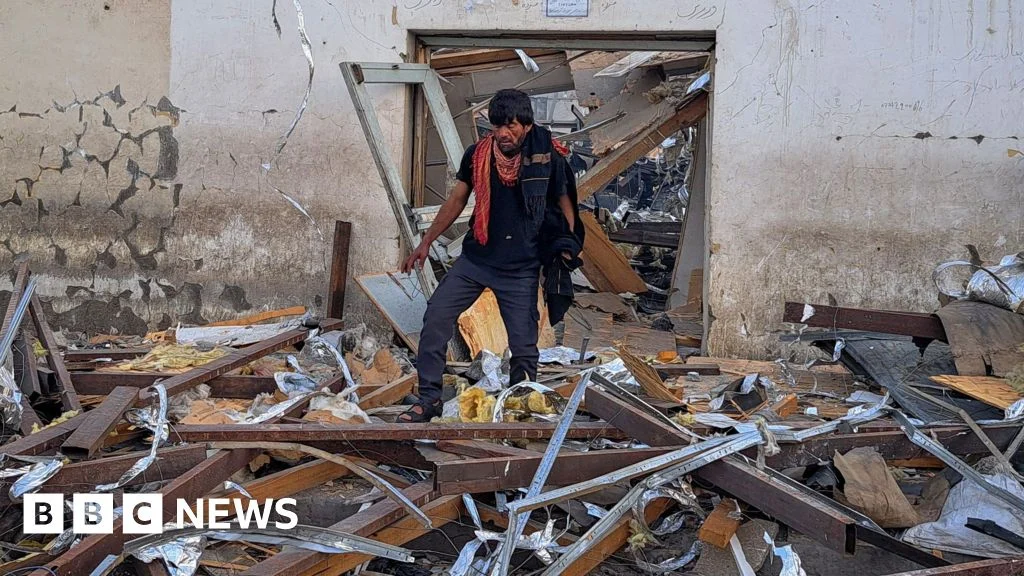
More than 100 individuals lost their lives in a Pakistani military air strike on a drug treatment centre in Afghanistan’s capital, Kabul, according to forensic laboratory sources who spoke to the BBC. The devastating attack, which occurred late Monday evening, has sparked international condemnation and intensified an already volatile cross-border conflict between the two nations. Sources at the Kabul Forensic Medicine department reported that many of the bodies recovered were injured beyond recognition, underscoring the horrific nature of the incident. While Afghan Taliban officials have cited significantly higher casualty figures, with some claiming as many as 400 deaths, independent verification remains challenging amidst the ongoing chaos and strained diplomatic relations. The United Nations has swiftly called for a thorough and immediate investigation into the strike, emphasizing the urgent need to protect civilian lives.
Pakistan, however, has vehemently denied deliberately targeting the Omid Addiction Treatment Hospital, stating that its operations were "precise and carefully undertaken to ensure no collateral damage is inflicted," and were aimed at "military installations and terrorist support infrastructure." This denial comes as the latest flashpoint in a re-erupted cross-border conflict that began last month. Islamabad accuses Kabul of harbouring militants responsible for attacks on Pakistani territory, an allegation the Afghan interim government steadfastly denies. The targeting of a civilian facility, particularly one dedicated to the rehabilitation of vulnerable individuals, has drawn sharp criticism and amplified concerns over adherence to international humanitarian law.
The Devastating Impact on a Vulnerable Population
The Omid Addiction Treatment Hospital, situated in an area formerly used as a U.S. military base, had been repurposed by the Taliban government after their return to power in August 2021. It had become a significant facility, housing and treating approximately 2,000 individuals struggling with drug addiction who had been rounded up from various parts of the capital. The transformation of this former military site into a rehabilitation centre represented a notable, albeit controversial, effort by the Taliban to address Afghanistan’s pervasive drug problem. The facility’s officials estimate that the final casualty count could indeed reach into the hundreds, given the large number of patients and staff present at the time of the strike.
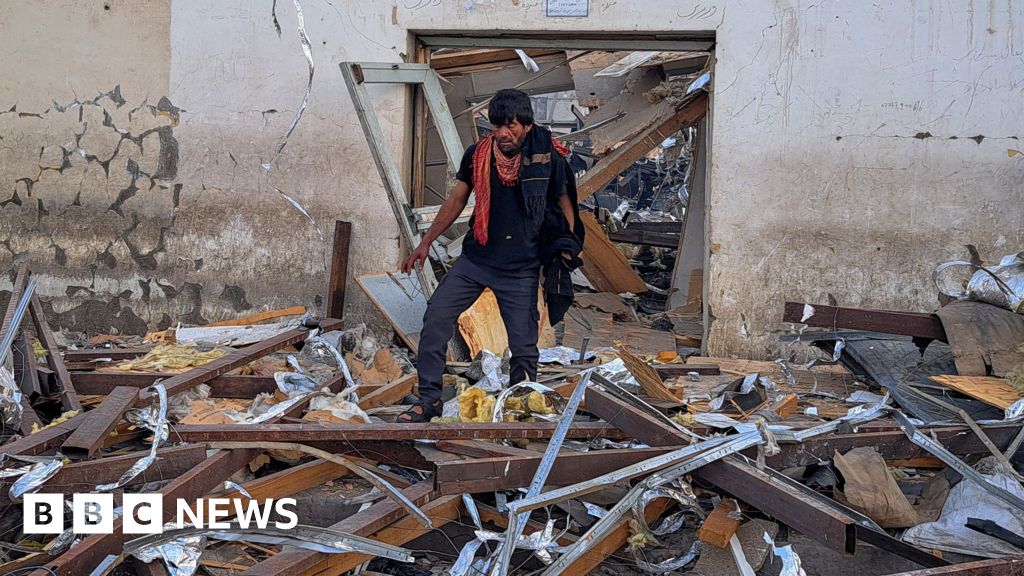
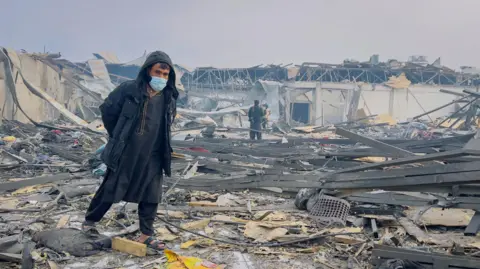
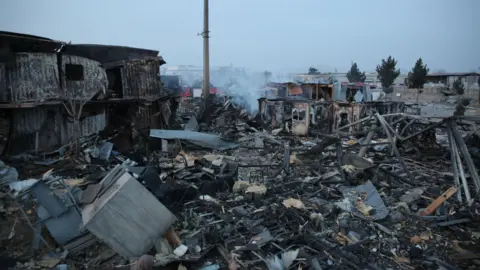
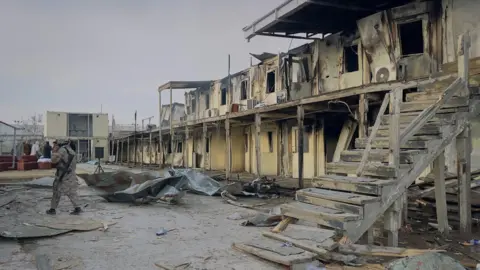
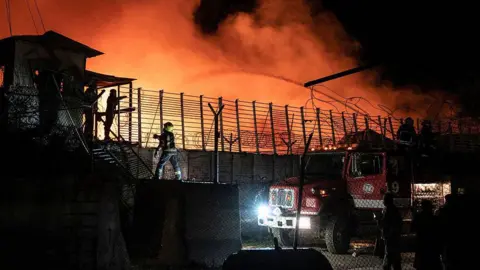
Eyewitnesses in Kabul reported hearing a series of loud explosions across the city at approximately 20:50 local time (16:20 GMT) on Monday, followed by the distinct sounds of aircraft and air defence systems attempting to intercept incoming munitions. The sheer force of the blasts left the centre a scene of utter destruction. Images from the site on Tuesday morning revealed flattened debris, charred structures, and blown-out windows, with personal belongings such as blankets and shoes scattered amidst the rubble. Rescue workers continued their desperate search for survivors well into Tuesday, sifting through the wreckage under immense pressure. Outside the devastated facility, desperate family members gathered, seeking any information about their loved ones who had been undergoing treatment there, their anguish palpable.
Sharafat Zaman Amarkhail, the spokesman for the Afghan health ministry, explicitly stated to the BBC that there were no military facilities located near the rehabilitation centre, directly contradicting Pakistan’s claim of targeting military infrastructure. This assertion by the Afghan authorities further complicates the narrative and heightens the demand for an independent and transparent investigation into the incident. A BBC reporter at the scene on Monday evening witnessed more than 30 bodies being carried out on stretchers, providing a grim glimpse into the immediate aftermath of the strike.
Escalating Cross-Border Tensions: A Chronology of Conflict
The latest air strike is a severe escalation in a renewed period of hostility between Pakistan and Afghanistan, which has seen cross-border fighting intensify significantly since February 26. This recent flare-up has already claimed at least 75 lives and left 193 injured across Afghanistan, according to data from the UN Assistance Mission in Afghanistan (UNAMA). The roots of this persistent tension are deeply embedded in historical grievances and contemporary security concerns.
For decades, Pakistan and Afghanistan have grappled with a complex and often adversarial relationship, largely defined by border disputes, geopolitical rivalries, and accusations of cross-border militancy. The Durand Line, a disputed colonial-era border, remains a source of contention. More recently, Pakistan has consistently accused the Afghan Taliban of failing to curb the activities of the Tehrik-i-Taliban Pakistan (TTP), or Pakistani Taliban, a militant group responsible for numerous deadly attacks within Pakistan. Islamabad alleges that the TTP finds safe haven and operates from Afghan territory, using it as a launchpad for its insurgency against the Pakistani state.
The Afghan interim government, led by the Taliban, has consistently rejected these accusations, maintaining that it does not allow its soil to be used against any other country. They argue that Pakistan’s internal security issues are its own to resolve and should not be attributed to Afghanistan. However, the operational links and ideological kinship between the Afghan Taliban and the TTP are a known concern for Pakistan, creating a difficult and often distrustful dynamic. The recent surge in TTP attacks inside Pakistan, including a deadly suicide bombing in Khyber Pakhtunkhwa province, appears to have triggered Pakistan’s decision to conduct retaliatory air strikes inside Afghanistan, claiming self-defence and the targeting of militant hideouts. This cycle of accusation and retaliation has pushed an already fragile regional security situation closer to the brink.
International Outcry and Calls for De-escalation
The international community has reacted with alarm to the escalating violence and, specifically, to the strike on the Omid Addiction Treatment Hospital. The UN Assistance Mission in Afghanistan (UNAMA) issued a strong condemnation of the air strike, explicitly identifying the Pakistani military forces as the perpetrators and the Omid Addiction Treatment Hospital as the target. "UNAMA reiterates its call for de-escalation and an immediate ceasefire, and for parties to comply with their obligations under international law to ensure the protection of civilians," a statement from the mission affirmed, underscoring the urgent need for both sides to respect international humanitarian law, which prohibits attacks on civilian objects and individuals not directly participating in hostilities.
China, a significant regional player that has actively sought to mediate tensions between the two neighbours, has also expressed grave concern. Chinese Foreign Minister Wang Yi reportedly engaged in phone discussions with both his Afghan and Pakistani counterparts in the past week, attempting to de-escalate the situation. On Monday, Beijing issued a public appeal for a ceasefire "at the earliest opportunity," urging both countries to "remain calm and exercise restraint [and to] engage face to face" as soon as possible. China’s involvement highlights the broader geopolitical implications of the conflict, as regional instability poses a threat to its own economic and strategic interests, particularly those related to the Belt and Road Initiative.
Beyond these official statements, humanitarian organizations and human rights groups are likely to voice strong condemnation, emphasizing the particular vulnerability of drug addicts undergoing rehabilitation. Such individuals are often marginalized and lack the means to protect themselves, making the targeting of their treatment facility especially egregious. The incident casts a dark shadow on the already dire humanitarian situation in Afghanistan, where millions face food insecurity and a collapsed healthcare system.
Broader Implications and Future Outlook
The attack on the Omid Addiction Treatment Hospital carries profound implications for the already fragile stability of the South Asian region and for international law. Firstly, it represents a potential violation of international humanitarian law if the facility was indeed a civilian target with no military presence. The destruction of a drug rehabilitation centre, which housed a large number of vulnerable individuals, would constitute a grave breach of the principles of distinction and proportionality in armed conflict. An impartial and thorough investigation is crucial to establish the facts and hold perpetrators accountable.
Secondly, the incident severely strains diplomatic efforts to bring stability to the region. China’s attempts at mediation, while commendable, face significant hurdles when such deadly incidents occur. The mutual distrust between Islamabad and the Afghan Taliban is deep-seated, and events like this only serve to entrench animosity, making dialogue and de-escalation far more challenging. The lack of a recognized Afghan government also complicates international engagement and accountability mechanisms.
Thirdly, the ongoing conflict exacerbates the humanitarian crisis in Afghanistan. The country is still reeling from decades of conflict, economic collapse, and a dire lack of essential services. The drug addiction problem itself is a major public health crisis, with millions of Afghans struggling with substance abuse, often a coping mechanism for widespread poverty and trauma. The destruction of one of the few large-scale rehabilitation centres represents a significant setback for efforts to address this critical issue, leaving thousands without care and potentially pushing more individuals back into the cycle of addiction and destitution.
Finally, the incident highlights the persistent challenge of cross-border militancy and state sovereignty. Pakistan’s claims of self-defence against militant groups operating from Afghanistan underscore a fundamental security dilemma that successive Afghan governments have failed to fully resolve. Conversely, Afghanistan’s insistence on its sovereignty and the protection of its civilian population against external military action is a legitimate concern. Finding a sustainable solution requires robust intelligence sharing, coordinated counter-terrorism efforts, and a genuine commitment to non-interference, all of which remain elusive in the current climate.
As rescuers continue their painstaking work amidst the rubble of what was once a beacon of hope for thousands of struggling Afghans, the international community watches with bated breath. The calls for de-escalation and an immediate ceasefire resonate across diplomatic channels, but the path to peace and stability in this volatile region appears more perilous than ever. The tragic loss of life at the Omid Addiction Treatment Hospital serves as a stark reminder of the devastating human cost when political and security tensions boil over into direct military confrontation, particularly when civilian populations become unintended, or even deliberate, targets. The true extent of the casualties and the full ramifications of this strike will continue to unfold in the days and weeks to come, adding another somber chapter to the complex and tragic narrative of Afghanistan.

Related Posts
Zambia on Edge: Opposition Leader Arrested Amid Allegations of Insurrection Plot and Election Tensions
Rescuers search for survivors of powerful Indonesia earthquake

