
Swedish Authorities Detain Russian Captain of Sanctioned Tanker, Unmasking Shadow Fleet Operations in Baltic Sea
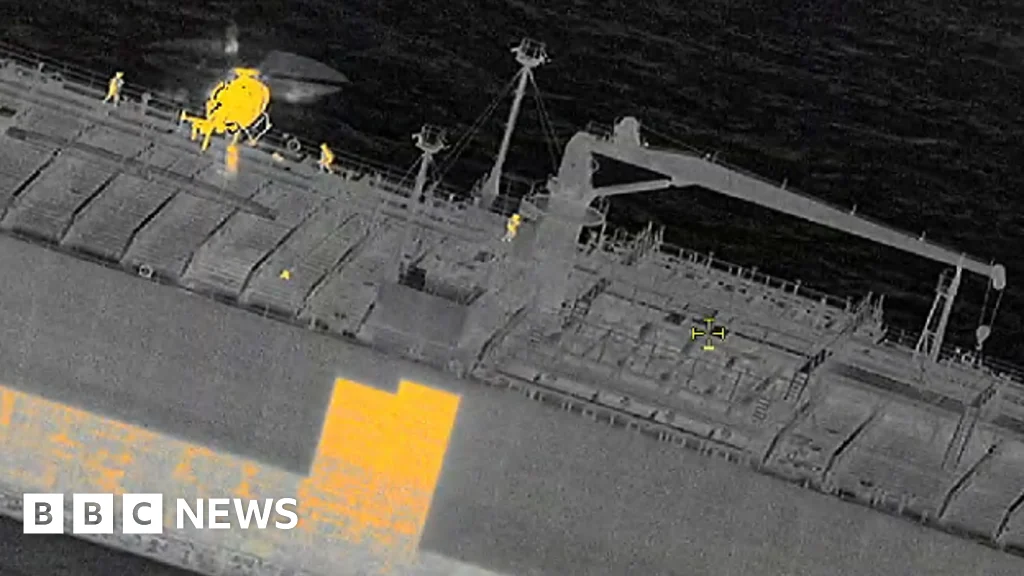
Swedish judicial authorities have ordered the detention of a Russian national, identified as the captain of the tanker Sea Owl One, on suspicion of using forged documents while operating a vessel believed to be part of Moscow’s illicit "shadow fleet." The arrest, following a dramatic interception by the Swedish Coast Guard in the Baltic Sea, underscores the escalating international efforts to enforce sanctions against Russia and curb its circumvention strategies for oil exports. This incident marks a significant development in the ongoing economic warfare prompted by Russia’s full-scale invasion of Ukraine in February 2022, highlighting the complex challenges faced by maritime enforcement agencies in identifying and apprehending vessels operating outside international regulatory norms.
The Interception and Detention
The operation against the Sea Owl One culminated on Thursday evening when the Swedish Coast Guard initiated a boarding procedure south of Trelleborg, a key port town on Sweden’s southern tip. The 228-meter (748-foot) tanker, which was sailing within Swedish territorial waters, had raised suspicions due to its declared Comoran flag. Initial intelligence suggested that the vessel might not be legitimately registered with the Comoros, an African island nation, a potential breach of international maritime law. This suspicion was further solidified when, upon boarding, the ship’s 55-year-old Russian captain presented documents that officers determined to be fraudulent.
Following the Coast Guard’s intervention, the Swedish Prosecution Authority took charge of the investigation. The captain, whose name has not been publicly released, was formally arrested on Friday. He subsequently appeared in a court in Ystad, where a judge ordered his detention. While the exact duration of his custody was not specified by a spokeswoman for the Swedish Prosecution Authority, it was noted that such detentions typically last for a period of 14 days, allowing for thorough interrogation and evidence gathering. Prosecutors have indicated their intention to question the captain further regarding the ship’s operations and the alleged forged documentation. The Sea Owl One itself is a vessel that has been explicitly listed among those sanctioned by the European Union, signaling its direct connection to activities deemed contrary to international legal frameworks.
The Voyage of the Sea Owl One
At the time of its interception, the Sea Owl One was engaged in a transatlantic voyage, having departed from Santos, Brazil, and destined for Primorsk, a major oil export port on Russia’s Baltic coast. The Swedish Coast Guard has confirmed that the tanker has a known history of transporting oil between Russia and Brazil in recent years. This pattern of trade is particularly relevant in the context of Western sanctions, which aim to restrict Russia’s ability to finance its war efforts through oil revenues. The use of a potentially bogus Comoran flag suggests a deliberate attempt to obscure the vessel’s true ownership and operational links to Russia, a common tactic employed by the so-called "shadow fleet."
The crew onboard the Sea Owl One comprises 24 sailors. The Russian embassy in Sweden confirmed that 10 of these, including the detained captain, are Russian nationals, while the remaining 14 are from Indonesia. The embassy stated on Saturday that it is closely monitoring the situation, indicating potential diplomatic implications arising from the incident. The BBC has reached out to the embassy for further commentary, reflecting the sensitive nature of detaining a Russian national in connection with sanctions evasion.
Understanding Russia’s "Shadow Fleet"
The Sea Owl One incident serves as a stark illustration of Russia’s sophisticated and expansive "shadow fleet," a network of tankers and cargo vessels that Moscow has increasingly relied upon to circumvent Western sanctions on its oil exports. Since the full-scale invasion of Ukraine, the G7 nations, the European Union, and Australia have imposed a price cap on Russian seaborne crude oil, limiting the price to $60 per barrel for oil transported by Western-insured or flagged vessels. Additionally, the EU has implemented a full embargo on Russian seaborne oil and refined products.
To bypass these restrictions and maintain its crucial oil revenues, Russia has assembled a vast fleet of often older, less regulated vessels. Estimates vary, but many analysts suggest this fleet could number well over 600 ships, including crude oil tankers, product tankers, and LNG carriers. These vessels typically operate with obscure ownership structures, often registered through shell companies in jurisdictions with lax oversight. They frequently employ "flags of convenience" from countries with minimal maritime enforcement capabilities, such as Liberia, Panama, and increasingly, less conventional flag states like the Comoros, Gabon, or Cameroon, as seen with the Sea Owl One.
Key operational tactics of the shadow fleet include:
- False Flagging: Registering vessels under flags of countries with no genuine link to the ship’s owner or operator, often without proper documentation, to obscure its true origin and circumvent regulatory scrutiny.
- Obscure Ownership: Utilizing complex corporate structures, often involving multiple layers of offshore companies, to hide the beneficial owners of the vessels.
- Dubious Insurance: Operating without reputable Western insurance (Protection and Indemnity clubs), which is crucial for safety and environmental liability, instead relying on less scrutinized or state-backed Russian insurance. This poses significant environmental and safety risks, as older, uninsured vessels are more prone to accidents and pollution.
- AIS Manipulation ("Spoofing"): Intentionally misrepresenting or switching off Automatic Identification System (AIS) transponders, which broadcast a ship’s location and identity, to hide illicit activities or obscure destinations.
- Ship-to-Ship (STS) Transfers: Conducting transfers of oil from one tanker to another, often in international waters or secluded anchorages, to mix cargoes, obscure origins, or transfer oil to vessels less likely to be scrutinized.
- Dark Voyages: Sailing for extended periods with AIS transponders turned off, making their movements untraceable by public tracking systems.
The shadow fleet’s activities extend beyond sanctions evasion. There have been accusations of these vessels engaging in "spoofing" of location data, potentially sabotaging undersea cables, and even involvement in launching drones, though specific evidence linking the entire fleet to such activities is often circumstantial. The environmental risks associated with this aging and poorly maintained fleet are substantial, with fears of oil spills and maritime accidents increasing as these vessels operate outside standard international safety and environmental regulations.
A Broader Pattern of Enforcement
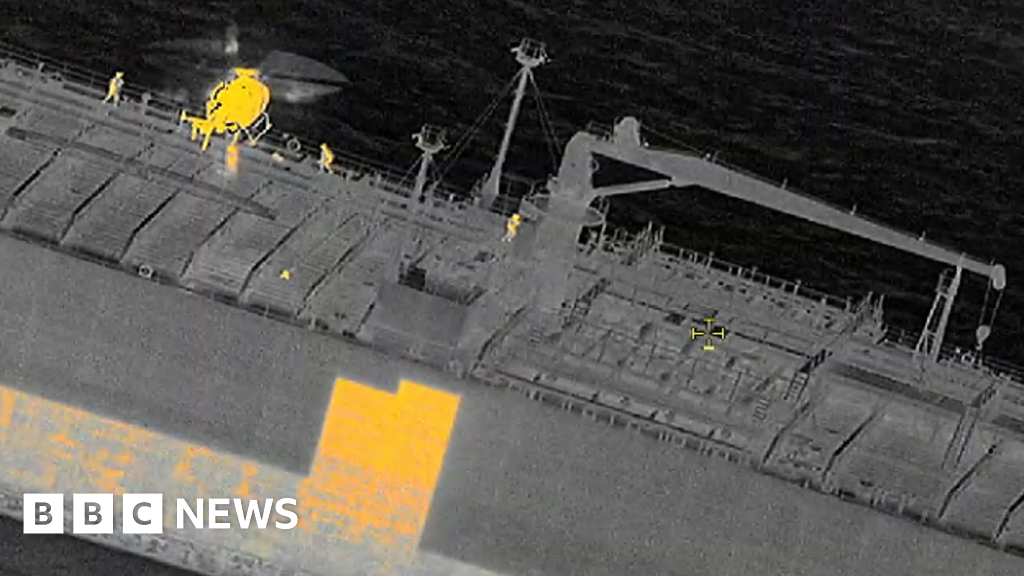
The detention of the Sea Owl One‘s captain is not an isolated incident but rather part of a growing pattern of intensified enforcement by European nations against vessels suspected of being part of Russia’s shadow fleet. This heightened vigilance reflects a concerted effort by Western allies to close loopholes in sanctions regimes and disrupt Russia’s illicit economic activities.
Just days before the Sea Owl One incident, on March 6, the Swedish Coast Guard took control of another vessel, the Caffa, under similar suspicions. This Guinean-flagged cargo ship, sailing from Casablanca, Morocco, to St. Petersburg, Russia, was suspected of carrying stolen Ukrainian grain. The alleged theft of Ukrainian grain by Russia has been a significant point of contention since the invasion, with international bodies condemning the actions as a war crime and a humanitarian issue. The Caffa is currently anchored off the Trelleborg coast, undergoing further investigation, underscoring Sweden’s commitment to upholding international law and sanctions.
Beyond Sweden, other European nations have also taken decisive action. France, for instance, has intercepted and seized several tankers believed to be part of Russia’s shadow fleet. In January, French authorities seized the Grinch in the Mediterranean Sea, and in October of the previous year, they intercepted the Boracay in the Atlantic. These actions demonstrate a coordinated European response to what is perceived as a direct challenge to the international rules-based order and the effectiveness of sanctions.
International Law and Enforcement Challenges
The interception of vessels like the Sea Owl One operates within a complex framework of international maritime law. While ships generally operate under the jurisdiction of their flag state, coastal states have significant powers within their territorial waters (up to 12 nautical miles from the baseline) and contiguous zones (up to 24 nautical miles). Within territorial waters, a coastal state can enforce its laws, including those related to customs, immigration, sanitation, and security, provided such enforcement does not hinder innocent passage. The suspicion of forged documents and operating without proper registration under a declared flag provides a clear legal basis for intervention.
However, enforcing sanctions against the shadow fleet presents formidable challenges:
- Identification: The layers of corporate secrecy and deliberate obfuscation make it incredibly difficult to identify the true owners and operators of these vessels.
- Jurisdiction: While interceptions in territorial waters are straightforward, tracking and interdicting vessels in international waters requires significant intelligence gathering and often international cooperation.
- Proof: Gathering irrefutable evidence of sanctions evasion, particularly concerning the origin of oil or the nature of financial transactions, can be time-consuming and resource-intensive.
- Legal Loopholes: The maritime industry’s global nature and varying regulatory standards across different flag states create opportunities for evasion.
- Resource Intensiveness: Monitoring, tracking, and intercepting hundreds of vessels across vast ocean expanses requires substantial financial and human resources from national coast guards and navies.
Official Reactions and Diplomatic Implications
The Swedish Prosecution Authority’s confirmation of the captain’s detention and the ongoing investigation highlights the serious legal consequences for individuals found to be facilitating sanctions evasion. The intent to question the captain further suggests a desire to unravel the broader network and understand the operational intricacies of the shadow fleet.
The Russian embassy’s statement about "closely monitoring the situation" indicates the potential for diplomatic friction. While Russia consistently denies violating international law and criticizes Western sanctions as illegal, the detention of its citizens and the seizure of associated vessels invariably lead to diplomatic exchanges. Such incidents underscore the broader geopolitical tensions and the direct confrontation between Western efforts to isolate Russia economically and Moscow’s determination to circumvent these measures.
From the perspective of the European Union and its allies, these interceptions are crucial demonstrations of their commitment to the sanctions regime. Each successful enforcement action sends a clear message that evasion tactics will be met with firm responses, aiming to increase the costs and risks for those involved in supporting Russia’s war economy.
Broader Impact and Future Outlook
The crackdown on Russia’s shadow fleet, exemplified by the Sea Owl One incident, carries significant implications across several domains:
- Effectiveness of Sanctions: These operations directly impact Russia’s ability to sell its oil at market prices, potentially reducing its revenue streams and thus its capacity to finance the war in Ukraine. Each disrupted voyage or seized vessel adds to the logistical and financial burden on Moscow.
- Maritime Security: The proliferation of poorly maintained, uninsured, and illicitly operating vessels poses a growing threat to global maritime safety and the environment. Collisions, groundings, and oil spills involving these vessels could have catastrophic consequences for marine ecosystems and coastal communities.
- International Law and Governance: The shadow fleet challenges the integrity of the international maritime regulatory system. Successful enforcement actions by countries like Sweden reinforce the importance of adherence to international conventions and highlight the need for stronger global cooperation to address illicit shipping.
- Intelligence and Surveillance: The ongoing "cat-and-mouse" game necessitates sophisticated intelligence gathering, satellite surveillance, and inter-agency coordination to track and intercept these elusive vessels. This pushes the boundaries of maritime domain awareness and enforcement technologies.
- Geopolitical Tensions: Each interception is a direct engagement in the economic and geopolitical conflict with Russia, adding another layer of complexity to international relations. It signals a hardening stance from Western nations against any entity perceived as aiding Russia’s war effort.
In conclusion, the detention of the Russian captain and the ongoing investigation into the Sea Owl One by Swedish authorities represent a critical juncture in the global effort to enforce sanctions against Russia. It highlights the ingenuity and scale of Russia’s shadow fleet operations, but also the increasing sophistication and determination of international law enforcement agencies to counter these illicit activities. As the conflict in Ukraine continues, the maritime domain remains a vital, and increasingly contested, arena for economic and geopolitical pressure.

Related Posts
Zambia on Edge: Opposition Leader Arrested Amid Allegations of Insurrection Plot and Election Tensions
Rescuers search for survivors of powerful Indonesia earthquake

