
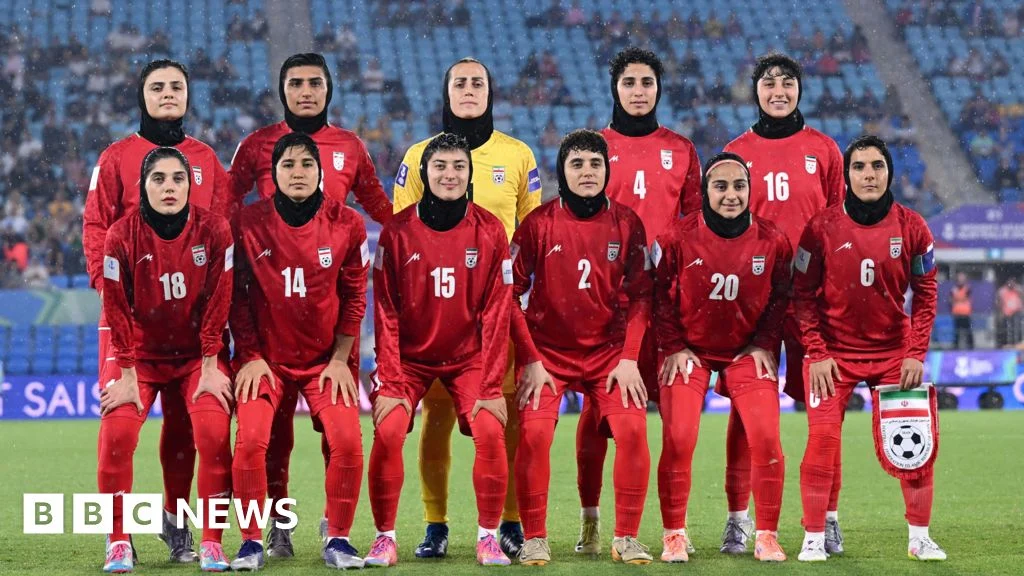
Iranian Women’s Football Captain Withdraws Asylum Bid in Australia Amid Allegations of Coercion
Zahra Ghanbari, the captain of the Iranian women’s national football team, has reportedly withdrawn her application for asylum in Australia, marking her as the fifth member of the team’s delegation to reverse such a decision. This development, confirmed by Iran’s state media, casts a significant shadow over the circumstances surrounding the athletes’ initial bids for humanitarian visas and raises serious concerns among human rights advocates regarding potential state-sponsored coercion.
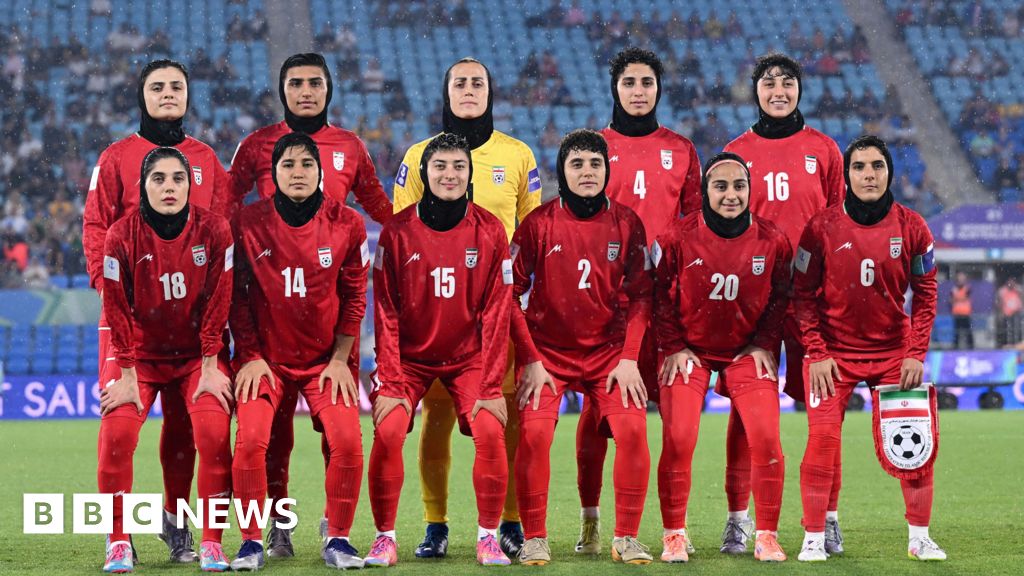
The initial defection of seven members of the Iranian delegation, including Ghanbari, emerged after the team’s refusal to sing the national anthem during their opening match at the Women’s Asian Cup in Australia on March 2. This act was widely interpreted as a silent protest against the Iranian government, particularly given the heightened political tensions and ongoing human rights concerns within the Islamic Republic. The seven individuals had initially accepted Australia’s offer of humanitarian visas, seeking sanctuary from anticipated repercussions in their home country. However, a rapid series of withdrawals has seen the number of defectors dwindle to just two, fueling fears that intense pressure may have been exerted on the athletes and their families.
A Reversal Under Duress? The Shifting Asylum Landscape
The announcement of Captain Ghanbari’s decision by Iran’s official IRNA news agency on Sunday stated that she would fly from Malaysia back to Iran. This follows confirmation from Australian authorities on Saturday that three other women – identified by human rights activists in the Iranian diaspora as Zahra Soltan Meshkehkar, Mona Hamoudi, and Zahra Sarbali – had also rescinded their asylum applications. These withdrawals occurred just days after a prior player had similarly changed her mind, followed by two players and one staff member who departed Australia on Saturday. The swift succession of these reversals has ignited a fervent debate about the athletes’ autonomy in making such life-altering choices.
Human rights activists and exiled Iranian figures have voiced profound concerns that these decisions were not made freely. Shiva Amini, a former Iranian national futsal player now living in exile, took to social media platform X on Sunday to allege a systematic campaign of intimidation. Amini stated she had received credible information indicating that Iran’s Football Federation, operating in concert with the powerful Islamic Revolutionary Guard Corps (IRGC), had "placed intense and systemic pressure on the players’ families in Iran." Her statement further elaborated, "Several of the players decided to go back because the threats against their families became unbearable and the intimidation was relentless." These allegations paint a grim picture of athletes caught between the desire for freedom and the profound fear for the safety and well-being of their loved ones back home.
The Silent Protest: A Flashpoint of Dissent
The catalyst for this unfolding drama was the Iranian women’s national football team’s refusal to sing their national anthem at the AFC Women’s Asian Cup match against South Korea on March 2. In many authoritarian regimes, the national anthem is a potent symbol of state power and loyalty, and refusing to sing it is often interpreted as an act of defiance or disloyalty. For Iranian athletes, this gesture carried particular weight, echoing similar protests by other Iranian sports figures and artists who have used their platforms to draw attention to human rights issues in Iran.
Following the initial protest, the team faced immediate condemnation from hardline factions within Iran, with some state-affiliated media outlets reportedly branding them as "wartime traitors" and demanding severe punishment. The timing of this incident was particularly sensitive, unfolding against a backdrop of escalating regional tensions and domestic political unrest. The team did sing the anthem in their subsequent two matches before their elimination from the tournament on Sunday. This shift was widely believed by critics to be a direct result of pressure from government officials accompanying the team, further suggesting a pattern of external control over the athletes’ expressions and actions.
Australia’s Humanitarian Stance and the Dilemma of External Pressure
Australia, a signatory to international conventions on refugees, offered the humanitarian visas as a gesture of support for those seeking protection. Australia’s Home Affairs Minister, Tony Burke, acknowledged the complex situation on Saturday, stating that his government had done everything within its power to ensure the women were given the opportunity for a safe future in the country. "Australians should be proud that it was in our country that these women experienced a nation presenting them with genuine choices and interacted with authorities seeking to help them," Burke said in a statement. However, he also underscored the profound challenges inherent in such cases: "While the Australian government can ensure that opportunities are provided and communicated, we cannot remove the context in which the players are making these incredibly difficult decisions."
This statement highlights the profound dilemma faced by host nations when athletes from authoritarian states seek asylum. While legal frameworks exist to protect asylum seekers, the insidious nature of state-sponsored intimidation, often targeting family members in the home country, presents a formidable barrier that often transcends national borders and legal protections. The Australian government, while offering a pathway to safety, ultimately cannot guarantee the freedom from retribution for families residing within the reach of a determined regime.
The Iranian State Narrative: Patriotism vs. Propaganda
In stark contrast to the human rights concerns, Iranian state media and officials have framed the players’ return as a triumph of national spirit and patriotism. IRNA hailed Ghanbari’s decision as "returning to the embrace of the homeland," while the Mehr news agency lauded it as a "patriotic decision."
The Iranian Sports Ministry issued a statement asserting that "the national spirit and patriotism of the Iranian women’s national football team defeated the enemy’s plans against this team," going so far as to claim Australia’s government was "playing in Trump’s field," a clear political jab. State-linked news agency Tasnim further elaborated, reporting that the three players who withdrew on Saturday were en route to Kuala Lumpur to rejoin the squad, "returning to the warm embrace of their families and homeland after withdrawing their asylum application in Australia." Tasnim’s report also claimed the players had resisted "psychological warfare, extensive propaganda and seductive offers," painting a picture of resilient athletes who saw through alleged foreign manipulation to uphold their national loyalty. This narrative serves to discredit the asylum claims, deny any internal dissent, and project an image of national unity against perceived external threats.
Broader Geopolitical Context and Implications
The football drama has unfolded against a volatile geopolitical backdrop. The Middle East has been gripped by heightened tensions following US-Israeli strikes on Iran and subsequent retaliatory attacks from Iran across the region. This atmosphere of conflict and perceived external threats often leads to intensified internal security measures within Iran, making any form of dissent, even symbolic, riskier for individuals and their families. The Iranian government frequently leverages such external pressures to consolidate internal control and quash opposition, framing any critical voices as agents of foreign adversaries. This context likely amplified the pressure faced by the athletes and their families, making the choice to seek asylum, or to maintain it, profoundly more difficult.
Long-Term Implications: A Chilling Effect on Athlete Freedom
The episode carries significant implications for the future of Iranian athletes, women’s sports, and international human rights advocacy. For the two remaining players who continue to seek asylum in Australia, their path forward remains uncertain. While Australia offers legal protection, the psychological burden of having left teammates and the potential for continued pressure on their families may persist.
For those who returned, the future is equally fraught. While state media paints their return as a triumphant homecoming, the reality for athletes who have expressed dissent can be complex. They may face subtle or overt restrictions on their careers, travel, and public life. The incident sends a chilling message to other Iranian athletes who might consider using their platform for political expression or seeking asylum, highlighting the severe personal and familial costs involved.
Globally, the case underscores the challenges faced by international sports federations like FIFA in protecting athletes from political interference and human rights abuses by national governments. While FIFA’s statutes generally prohibit political interference, practical enforcement against powerful state actors remains a significant hurdle. This incident will likely serve as a case study for human rights organizations, illustrating the sophisticated and often brutal methods employed by authoritarian regimes to suppress dissent and control their citizens, even when they are abroad. It calls into question the true meaning of "choice" when individuals are operating under extreme duress, with their families’ safety held as leverage. The saga of the Iranian women’s football team is a stark reminder of the intricate interplay between sports, politics, and human rights on the global stage.

Related Posts
Zambia on Edge: Opposition Leader Arrested Amid Allegations of Insurrection Plot and Election Tensions
Rescuers search for survivors of powerful Indonesia earthquake

