
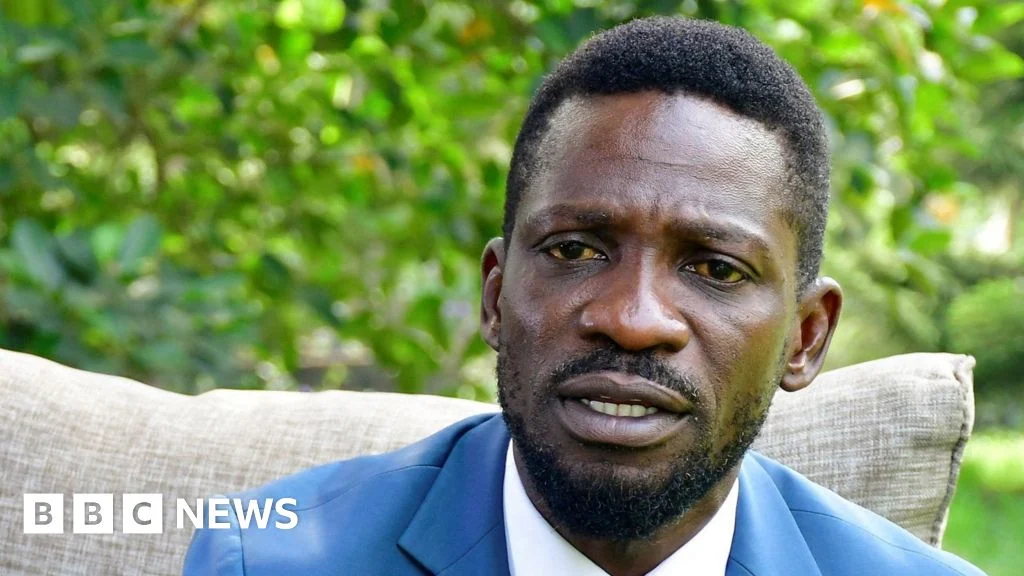
Ugandan Opposition Leader Bobi Wine Flees Country Amidst Political Crackdown and Disputed Election Aftermath
Ugandan opposition leader Robert Kyagulanyi Ssentamu, popularly known as Bobi Wine, has confirmed his departure from Uganda, ending a two-month period of clandestine existence following the nation’s highly contested January presidential election. Wine, a prominent pop star turned politician, stated that his decision to leave the country was necessitated by "critical engagements" aimed at galvanizing international support and intervention against the protracted rule of President Yoweri Museveni. This development marks a significant escalation in Uganda’s post-election political crisis, characterized by widespread allegations of electoral fraud, state-sponsored repression, and a severe crackdown on dissent.
The Perilous Journey and International Appeal
Wine’s clandestine departure underscores the perilous environment for political opposition in Uganda. For two months, the 44-year-old leader of the National Unity Platform (NUP) had remained in hiding, evading what he described as a relentless pursuit by state security forces. He recounted numerous raids on the homes of his supporters, who bravely offered him sanctuary, and the establishment of roadblocks across the country, all allegedly in an attempt to apprehend him. His primary residence in the capital, Kampala, has reportedly been under military siege since election day, effectively placing him under a de facto house arrest had he remained there. In a video message released shortly after his departure, Wine expressed profound gratitude to "all you fellow Ugandans who have concealed and protected me all the time while the regime was looking for me." He staunchly denied any wrongdoing, asserting the fundamental democratic principle: "Running for president is not a crime," a statement that has resonated with his supporters and international observers alike. His current destination has not been disclosed for security reasons, but his declared intention to mobilize the international community suggests a strategic move to leverage global platforms against President Museveni’s government.
A Contested Election and Deepening Political Crisis
The January election, held amidst a climate of heightened political tension and violence, saw President Yoweri Museveni declared the victor with 72% of the vote. Museveni, 81, who has governed Uganda since 1986, dismissed Wine’s accusations of rigging as baseless, in turn accusing the opposition of seeking to destabilize the nation through violence and illegal means. However, these official results have been widely disputed by Bobi Wine and his NUP party, who claim overwhelming evidence of widespread fraud, ballot stuffing, and voter intimidation. International observers, including the European Union and the United States, noted significant irregularities, a lack of transparency, and a restrictive environment that undermined the credibility of the electoral process. The election was also marred by a complete shutdown of the internet for several days, severely impeding communication and the ability of observers and media to report on events in real-time.
Timeline of Turmoil: Pre- and Post-Election Events
The period leading up to and following the January election has been characterized by escalating repression and human rights abuses, painting a grim picture of Uganda’s democratic trajectory.
- Pre-Election Crackdown (2020): The months preceding the election were fraught with violence. Opposition rallies were routinely dispersed with live ammunition, tear gas, and arbitrary arrests. Bobi Wine himself was repeatedly arrested and detained on various charges, often related to alleged violations of COVID-19 protocols, which his supporters viewed as politically motivated. The most egregious incident occurred in November 2020, when at least 54 people were killed by security forces during protests sparked by Wine’s arrest. These events drew sharp condemnation from human rights organizations and international bodies, highlighting a shrinking civic space and a systematic effort to silence dissent. Journalists covering opposition events also faced harassment, intimidation, and physical attacks.
- Election Day and Immediate Aftermath (January 2021): On January 14, 2021, Ugandans went to the polls under a heavy security presence and a nationwide internet blackout. The opposition claimed that this blackout was deliberately imposed to facilitate electoral manipulation and prevent the dissemination of evidence of fraud. Following the declaration of results, Bobi Wine was placed under effective house arrest by the military, which surrounded his residence for an extended period. His legal team and political allies faced significant challenges in accessing him.
- Security Forces’ Response and Threats: The government’s response to post-election protests and opposition claims has been severe. Security forces conducted widespread arrests of NUP supporters and alleged sympathizers. Crucially, General Muhoozi Kainerugaba, President Museveni’s son and head of the country’s military, issued chilling threats against Bobi Wine. In messages posted on his X (formerly Twitter) account, which were later deleted, Kainerugaba declared Wine "wanted dead or alive" and went further to threaten him with castration. While these messages were eventually removed, their public broadcast from such a high-ranking military official underscores the grave risks faced by opposition figures in Uganda and raises serious questions about the rule of law and the independence of the military. Although no specific criminal charges were leveled against Wine by Kainerugaba, his statements clearly implied a state-sanctioned pursuit. Furthermore, Kainerugaba claimed that 30 "terrorists" from Wine’s party had been killed following protests against the election results, a statement that has not been independently verified but points to the lethal force employed against demonstrators. The BBC has sought comment from the Ugandan police regarding these allegations and the general security situation.
The Stature of the Opponent: Bobi Wine’s Political Ascent
Bobi Wine’s transformation from a beloved pop star into a formidable political challenger represents a unique phenomenon in Ugandan politics. Known to his fans as the "Ghetto President," his music often tackled themes of poverty, injustice, and corruption, resonating deeply with Uganda’s largely youthful population. His political awakening began in 2017 when he won a parliamentary by-election, quickly establishing himself as a vocal critic of Museveni’s government. He subsequently launched the "People Power, Our Power" movement, which later evolved into the National Unity Platform (NUP), drawing massive support from young, disenfranchised Ugandans eager for change after decades of the same leadership.
Wine’s appeal lies in his ability to articulate the grievances of ordinary Ugandans, particularly the youth who face high unemployment rates and feel excluded from the country’s political and economic spheres. His use of social media and popular culture as tools for political mobilization has been particularly effective, bypassing traditional media channels often controlled by the state. His consistent message of fighting for a more democratic and equitable Uganda has made him a symbol of hope for many, but also a target for the state, leading to numerous arrests, alleged torture, and sustained harassment.
Yoweri Museveni’s Enduring Grip on Power
President Yoweri Museveni’s nearly four-decade rule is one of the longest on the African continent. Coming to power in 1986 after a five-year guerrilla war, he was initially hailed as part of a new generation of African leaders committed to democracy and economic development. His early years saw significant strides in restoring stability and economic growth after years of turmoil. However, over time, his administration has been increasingly criticized for its authoritarian tendencies, erosion of democratic institutions, and a tightening grip on power.
Key constitutional amendments have facilitated his extended tenure, most notably the removal of presidential term limits in 2005 and the lifting of the presidential age limit in 2017, which paved the way for him to run again at 75. While his government points to achievements in infrastructure development, healthcare, and education, critics highlight widespread corruption, human rights abuses, and the suppression of political freedoms. The question of succession looms large, with many speculating that his son, Gen. Muhoozi Kainerugaba, is being groomed to take over, a prospect that further fuels anxieties about the perpetuation of dynastic rule and the entrenchment of a single-family’s political dominance.
International Scrutiny and Reactions
The political situation in Uganda, particularly around the recent election, has attracted considerable international scrutiny and concern.
- United States: The U.S. State Department expressed deep concerns over reports of human rights abuses, election irregularities, and the harassment of opposition candidates and their supporters. It called for an independent investigation into the alleged abuses and urged the Ugandan government to uphold democratic principles and human rights.
- European Union: The EU Election Observation Mission to Uganda noted that the electoral environment was "tense and violent," marred by "restrictions on freedom of assembly and expression, excessive use of force by security agencies, and a lack of transparency in the election administration." While not officially endorsing the results, the EU’s observations highlighted significant shortcomings.
- Human Rights Organizations: Groups like Amnesty International and Human Rights Watch have consistently documented arbitrary arrests, detentions without trial, torture, and extrajudicial killings targeting opposition members and activists. They have called for accountability for perpetrators of violence and for the Ugandan government to respect fundamental freedoms.
- United Nations: The UN Human Rights Office has also voiced concerns over the deteriorating human rights situation, particularly in the context of political crackdowns, and urged the government to ensure due process and protect civil liberties.
The international community’s reactions underscore a growing apprehension about Uganda’s commitment to democratic governance and human rights. While some nations maintain aid and diplomatic ties with Uganda, there is increasing pressure for a more robust response to the perceived democratic backsliding.
Implications for Uganda’s Political Landscape
Bobi Wine’s departure from Uganda carries profound implications for the country’s political landscape, the future of its opposition, and its international standing.
- Future of the Opposition: Operating from exile presents significant challenges for the NUP and the broader opposition movement. While it offers a platform to mobilize international support and speak more freely without immediate threat, it risks disconnecting leaders from their grassroots base within Uganda. Maintaining momentum and coordinating activities from abroad will require strategic ingenuity. The government may also use his absence to further suppress the NUP, labeling it as a foreign-influenced entity.
- Consolidation of Power: With the main opposition leader out of the country, President Museveni’s government may feel emboldened to further consolidate its power, potentially intensifying its crackdown on remaining dissenting voices and civic organizations. This could lead to a further erosion of democratic institutions and a more entrenched authoritarian state.
- Risk of Further Instability: The unresolved grievances surrounding the election and the ongoing repression could fuel deeper resentment and potentially lead to further unrest or even armed resistance, though the opposition has consistently advocated for peaceful means. The government’s heavy-handed tactics risk radicalizing segments of the population.
- International Relations and Donor Aid: Uganda relies heavily on foreign aid. Continued human rights abuses and democratic backsliding could strain relations with key international partners and potentially lead to sanctions or reductions in aid, impacting the country’s economic development. However, Uganda’s strategic importance in regional security (e.g., counter-terrorism efforts, peacekeeping) often complicates strong international responses.
- The Role of Youth: Bobi Wine’s movement tapped into the aspirations of Uganda’s burgeoning youth population. His departure might temporarily dampen their spirits, but the underlying frustrations that fueled his support remain potent. How the youth respond to this new phase of opposition leadership will be crucial for Uganda’s long-term political trajectory.
In conclusion, Bobi Wine’s flight from Uganda represents a critical juncture in the nation’s political history. It highlights the deeply entrenched challenges to democracy, the pervasive nature of state repression, and the enduring power of a long-serving leader. As Wine seeks to galvanize international action, the eyes of the world remain on Uganda, watching how this unfolding political drama will shape the country’s future and the fate of its citizens yearning for democratic change. The call for justice, accountability, and genuine democratic reform resonates louder than ever, even as the immediate prospects for such change appear increasingly dim within Uganda’s borders.

Related Posts
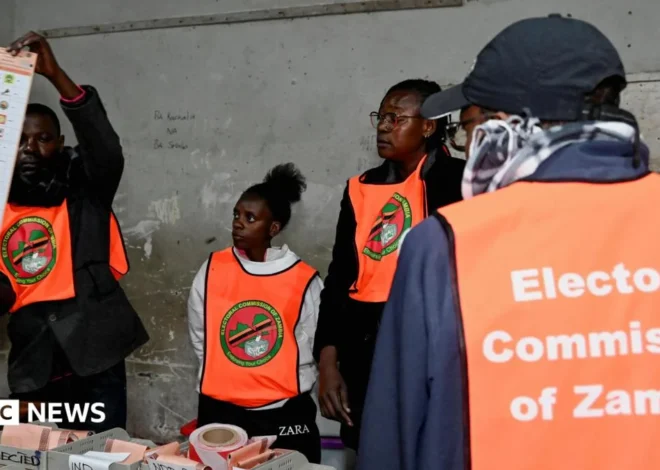
Zambia on Edge: Opposition Leader Arrested Amid Allegations of Insurrection Plot and Election Tensions
Rescuers search for survivors of powerful Indonesia earthquake

