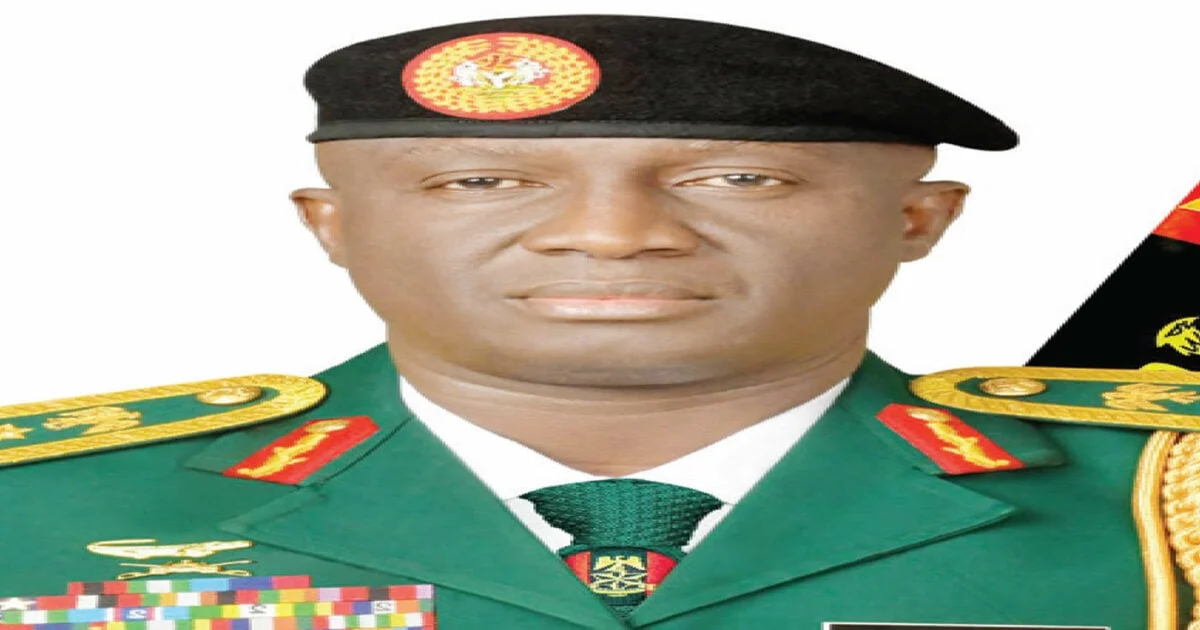
Chief of Army Staff Lt Gen Waidi Shaibu Champions Troop Welfare and National Unity Amid Ongoing Security Operations During Ramadan and Lenten Seasons
In a powerful display of institutional cohesion and spiritual reflection, the Chief of Army Staff (COAS), Lieutenant General Waidi Shaibu, has called upon the Nigerian Army to reinforce its commitment to national security through the tenets of discipline, unity, and unwavering professional integrity. Speaking during a combined Iftar and Lenten fellowship in Abuja this past Saturday, the COAS underscored the symbiotic relationship between the military leadership and the rank-and-file soldiers who serve on the front lines of the nation’s most volatile regions.
The event, which brought together senior military commanders, clergy, and media representatives, served as a poignant reminder that the Nigerian Army remains a pillar of national stability. By synchronizing the breaking of fast for both Muslim and Christian personnel, the military hierarchy aimed to bolster the morale of troops currently navigating the dual rigors of spiritual observance and active combat duties.
The Nexus of Faith and Military Professionalism
Lieutenant General Shaibu utilized the platform to draw parallels between the virtues cultivated during the holy months of Ramadan and Lent—sacrifice, patience, and compassion—and the professional standards required of a soldier. He argued that these spiritual disciplines are not merely personal but are essential to the operational efficacy of the Army.
"It is because of our soldiers that officers have a job, and because of you, the Army exists," Shaibu stated, framing his address around the essential nature of the foot soldier. This rhetoric signals a shift in the current command philosophy, which seeks to prioritize the welfare of personnel as the primary engine of military success. By fostering an environment where soldiers feel valued, the Army aims to enhance retention and combat readiness, particularly as the military faces increased pressure from non-state actors.
Operational Landscape: A Multi-Front Challenge
The backdrop of the COAS’s address is a complex and highly active security environment. Currently, the Nigerian Armed Forces are engaged in a multifaceted struggle against varied threats that have historically plagued the nation’s stability.
In the North-East, the military continues to wage a protracted counter-insurgency campaign against remnants of Boko Haram and the Islamic State West Africa Province (ISWAP). Despite significant gains in recent years, the conflict remains a drain on national resources and a source of civilian displacement. Concurrently, in the North-West and North-Central regions, the military is grappling with the proliferation of armed banditry and kidnapping rings, which have severely disrupted agricultural activities and local economies.
Data from independent security analysts suggests that the operational tempo of the Nigerian Army has reached an all-time high over the past 24 months. The deployment of "Joint Task Forces" across all six geopolitical zones indicates a pivot toward a more integrated, multi-agency approach to security. This strategy, which Gen. Shaibu reiterated as part of his command philosophy, involves inter-service cooperation between the Army, the Nigerian Air Force, and the Nigerian Navy, as well as intelligence sharing with paramilitary agencies.
Chronology of Recent Command Initiatives
Since his appointment, Lieutenant General Shaibu has implemented a series of strategic directives aimed at reforming the internal administration of the Army. Key milestones in this tenure include:
- Q3 2023: Introduction of the "Joint Operations Framework," prioritizing intelligence-led maneuvers to reduce civilian collateral damage.
- Q4 2023: Launch of the "Troop Welfare Initiative," which saw an increase in the direct disbursement of allowances to soldiers deployed in "Operation Hadin Kai."
- Q1 2024: Institutionalization of inter-faith fellowship programs within command centers to promote psychological resilience and unit cohesion.
- March 2024: The joint Ramadan and Lenten breaking of fast, serving as a symbolic consolidation of the "One Army, One Mission" doctrine.
The Pillars of the New Command Philosophy
The COAS’s command philosophy is built upon four foundational pillars: professional excellence, morale, combat readiness, and administrative transparency. According to military observers, this approach represents a departure from traditional hierarchical structures, moving toward a "soldier-first" model.
"I am determined to make troops’ welfare our topmost priority," Shaibu declared. "The strength of the Nigerian Army ultimately lies in the well-being, morale, and preparedness of its soldiers."
This focus on welfare includes the modernization of barracks infrastructure, improvements in medical support for wounded personnel, and the timely provision of logistics in remote operational theaters. By addressing these foundational issues, the Army leadership intends to mitigate the attrition rates that often plague long-term counter-insurgency operations.
Analyzing the Impact of Civil-Military Relations
The involvement of the clergy at the recent gathering in Abuja highlights the military’s attempt to bridge the gap between the armed forces and the civilian population. Throughout the history of the Nigerian Fourth Republic, civil-military relations have faced occasional friction due to human rights concerns and the impact of prolonged military deployments in civilian areas.
By publicly emphasizing the shared values of compassion and discipline, the leadership is attempting to rebrand the Army as an institution that upholds the democratic values of the state. This is particularly relevant as the Army continues to pledge its loyalty to the administration of President Bola Tinubu and the broader constitutional order.
"We remain committed to defending Nigeria’s democracy, peace, and territorial integrity," Shaibu stated, reinforcing the military’s subordination to the civil government. This reaffirmation of constitutionalism is critical, given the regional context of military interventions in neighboring West African nations, which have heightened international scrutiny regarding the role of armies in African governance.
Addressing the Human Cost of Conflict
A somber but necessary aspect of the gathering was the tribute paid to soldiers who have made the supreme sacrifice. The casualty rate in the fight against insurgency and banditry remains a sensitive issue, with the Ministry of Defence and the Army hierarchy periodically acknowledging the loss of personnel.
The COAS’s assurance that the sacrifices of fallen soldiers would "never be forgotten" is aimed at addressing the concerns of military families and the general public. Plans are currently in place to streamline the payment of benefits to the families of deceased personnel, a process that has historically been criticized for bureaucratic inefficiency. The current leadership’s effort to digitize these administrative processes is seen as a key step in restoring public and internal trust.
Future Outlook: Challenges and Prospects
The path ahead for the Nigerian Army is fraught with both internal and external challenges. Externally, the climate crisis in the Lake Chad region continues to drive migration and resource competition, which in turn fuels insurgency recruitment. Internally, the military must continue to manage the psychological toll of long-term deployments on its personnel.
The success of Lieutenant General Shaibu’s vision will likely be measured by the military’s ability to maintain a professional standard under high-stress conditions while simultaneously adapting to the evolving nature of non-traditional warfare. The integration of technology—such as drone surveillance and enhanced intelligence gathering—will be pivotal in the coming months.
As the Ramadan and Lenten seasons conclude, the Army’s focus will shift back to the tactical implementation of its "joint and multi-agency" strategy. The message sent by the COAS in Abuja serves as a clear signal that the institution is committed to a unified, disciplined, and welfare-oriented approach to safeguarding the Nigerian state.
The gathering concluded with a call for continued national support. The presence of senior officers and media representatives ensured that the message of unity reached a broad audience, underscoring that the fight against insecurity is a collective responsibility that requires the support of the citizenry, the government, and the military apparatus working in concert. As the Nigerian Army moves into the next phase of its operations, the emphasis on moral, spiritual, and physical readiness will remain the bedrock of its strategy in an increasingly complex security landscape.