Thai Authorities Urged to Halt Deportation of Vietnamese Activist Le Chi Thanh Amid Transnational Repression Concerns
Human Rights Watch has issued an urgent appeal to the Thai government to immediately release Le Chi Thanh, a prominent Vietnamese anti-corruption activist, and to prevent his forced repatriation to Vietnam. The international rights watchdog warned that returning Le Chi Thanh to his home country would expose him to a high risk of arbitrary detention, physical torture, and a judicial process that lacks basic fairness. Lawyers representing the activist have alerted Human Rights Watch that the Vietnamese embassy in Bangkok is currently exerting significant diplomatic pressure on Thai authorities to expedite his deportation. This development follows a pattern of cross-border cooperation between the two nations that has increasingly targeted political dissidents seeking refuge.
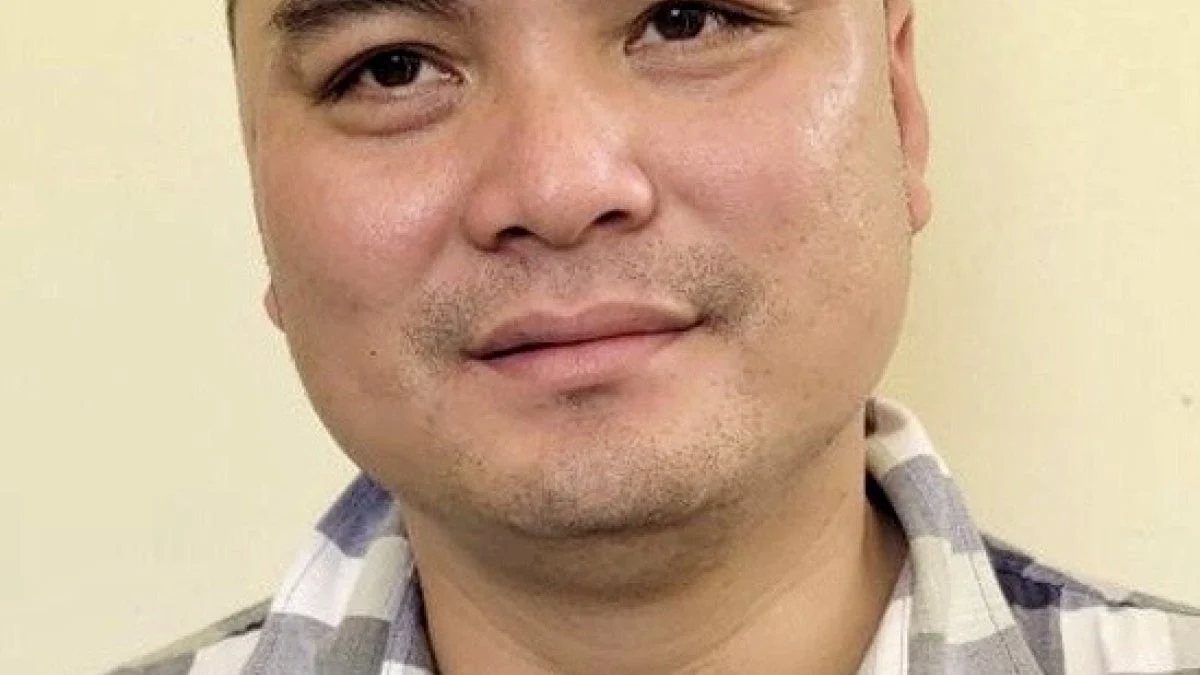
Le Chi Thanh, a 43-year-old former police officer, was taken into custody by Thai immigration police on March 6, 2026, at his residence in Pathum Thani province. The legal basis for his arrest stems from the Vietnamese government’s decision to cancel his passport, an act that effectively nullified his Thai visa and left him without valid travel documentation. He is currently being held at the Suan Phlu Immigration Detention Center in Bangkok. While he is currently appealing the Immigration Bureau’s order to revoke his visa and deport him, rights groups fear that the administrative process may be bypassed due to bilateral political interests.
The Profile of a Whistleblower: From Law Enforcement to Exile
Le Chi Thanh’s journey from a member of the Vietnamese security forces to a hunted activist highlights the narrow margins for dissent within Vietnam’s political system. During his tenure as a police officer, Le Chi Thanh began using social media platforms to document and expose systemic corruption within the police force. His transition to a whistleblower made him a target for internal discipline and, eventually, criminal prosecution.
In Vietnam, anti-corruption efforts are officially sanctioned only when directed by the state. Independent whistleblowers who utilize social media to bypass official channels often find themselves accused of "abusing democratic freedoms." For Le Chi Thanh, his digital activism, which included live-streaming and posting videos criticizing the conduct of officials, led to a multi-year campaign of state-sponsored harassment and imprisonment. Before his arrival in Thailand in September 2025, he had already served nearly five years in the Vietnamese penal system across two separate sentences.
Chronology of Persecution: 2021 to 2026
The timeline of Le Chi Thanh’s legal battles illustrates the persistent efforts by Vietnamese authorities to silence his voice. His legal troubles began in earnest in April 2021 when he was arrested for "resisting officers on duty." During his initial period in custody, reports surfaced—later documented by Human Rights Watch—indicating that he was subjected to torture and ill-treatment by police.
In early 2022, a court in Thu Duc City sentenced him to two years in prison for the 2021 incident. However, while still serving this term, a second set of charges was leveled against him. In June 2022, a court in Binh Thuan province added an additional three years to his sentence. This second conviction was based on Article 331 of Vietnam’s Penal Code, a controversial provision that criminalizes "abusing the rights to freedom and democracy in order to infringe upon the interests of the state."
Human rights organizations have long criticized Article 331 as a "catch-all" clause used to prosecute anyone who criticizes the Communist Party or the government. Following his release in June 2025, Le Chi Thanh fled to Thailand, arriving in September of that year in hopes of finding safety. His arrest in Pathum Thani just months later marks the latest chapter in what activists describe as a relentless pursuit by Hanoi to neutralize critics, even after they have left Vietnamese soil.
The Legal Framework: Nonrefoulement and Thai Domestic Law
The potential deportation of Le Chi Thanh stands in direct contradiction to both international law and Thailand’s own domestic legislation. Central to this case is the principle of nonrefoulement, a cornerstone of international human rights law. This principle prohibits states from returning individuals to a country where there are substantial grounds for believing they would be in danger of being subjected to torture, cruel, inhuman, or degrading treatment or punishment.
Thailand is a state party to the United Nations Convention Against Torture and Other Cruel, Inhuman or Degrading Treatment or Punishment. Furthermore, the principle of nonrefoulement is considered a rule of customary international law, binding on all states regardless of treaty status.
Domestically, Thailand made significant strides in 2023 with the enactment of the Prevention and Suppression of Torture and Enforced Disappearance Act. This law explicitly prohibits the extradition or deportation of a person if there is a "substantial risk" that they will be subjected to torture or enforced disappearance in the destination country. Elaine Pearson, Asia director at Human Rights Watch, emphasized that "Releasing Le Chi Thanh will show that Thailand is on the right track to meet its human rights obligations." The activist’s lawyers argue that his previous history of torture in Vietnamese custody provides more than enough evidence of "substantial risk" to trigger the protections of the 2023 Act.
Transnational Repression: The "Dissident Swap" Pattern
The case of Le Chi Thanh is not an isolated incident but rather part of a broader and troubling trend known as transnational repression. Human Rights Watch has documented a pattern in which Thai and Vietnamese authorities appear to cooperate in the unlawful apprehension and return of each other’s political exiles. This "quid pro quo" arrangement allows Hanoi to silence critics in Thailand while allowing Bangkok to target Thai dissidents who have sought refuge in Vietnam.
In November 2025, just months before Le Chi Thanh’s arrest, Thai authorities forcibly returned Y Quynh Bdap, a prominent Montagnard human rights activist, to Vietnam. Y Quynh Bdap had been recognized as a refugee by the United Nations High Commissioner for Refugees (UNHCR), yet his status did not protect him from being handed over to Vietnamese authorities.
The exchange of dissidents has historically extended to Thai nationals as well. Several Thai activists who fled to Vietnam following the 2014 military coup have disappeared or been found dead. Rights groups argue that this mutual assistance in silencing dissent undermines the regional asylum framework and puts hundreds of vulnerable individuals at risk. The cancellation of passports by home governments has become a standard tool in this process, as it provides a technical pretext for host countries to arrest individuals for "immigration violations" rather than political activities.
Supporting Data: Vietnam’s Record on Political Dissent
The urgency of the situation is underscored by data regarding the human rights climate in Vietnam. According to various monitoring groups, Vietnam currently holds more than 160 political prisoners. The use of vague national security laws, including Articles 117 (distributing anti-state propaganda) and 331 (abusing democratic freedoms), has seen a sharp increase over the last five years.
Vietnam’s judicial system is characterized by a lack of independence from the ruling Communist Party. Trials for political dissidents are often closed to the public, and defendants are frequently denied access to legal counsel of their choice until shortly before the trial begins. The UN Human Rights Committee has expressed concern over reports of "confessions" extracted through torture and the lengthy periods of incommunicado detention that activists face. For a former police officer like Le Chi Thanh, who possesses internal knowledge of the security apparatus, the risks of severe retaliation are considered even higher than for the average activist.
Broader Impact and Global Implications
The international community is closely watching Thailand’s handling of the Le Chi Thanh case, especially as the country prepares for its Universal Periodic Review (UPR) at the UN Human Rights Council in November 2026. Thailand’s bid to enhance its global human rights standing and secure a seat on international bodies could be severely compromised if it continues to participate in the forced return of refugees and activists.
The implications of this case extend beyond the borders of Southeast Asia. Transnational repression is a growing global concern, with authoritarian regimes increasingly reaching across borders to harass, kidnap, or kill dissidents. If Thailand proceeds with the deportation of Le Chi Thanh, it sends a signal to other regimes that international borders and refugee statuses are no longer barriers to state-sponsored retaliation.
Concerned governments, including members of the European Union and the United States, are being urged by Human Rights Watch to exert diplomatic pressure on Bangkok. The goal is to ensure that Thailand adheres to its domestic Prevention and Suppression of Torture Act and its international commitments. For Le Chi Thanh, the outcome of his appeal and the Thai government’s final decision will be a matter of life and liberty. The case serves as a critical test of whether Thailand’s legal reforms have the strength to withstand the pressures of regional political alliances.

Related Posts

Human Rights Watch Calls for Investigation into Death of Detainee Following Removal from Najaf Hospital by Iraqi Drug Police

Human Rights Watch Urges UN Security Council to Extend Lebanon Peacekeeping Mission Amid Escalating Conflict and Humanitarian Crisis