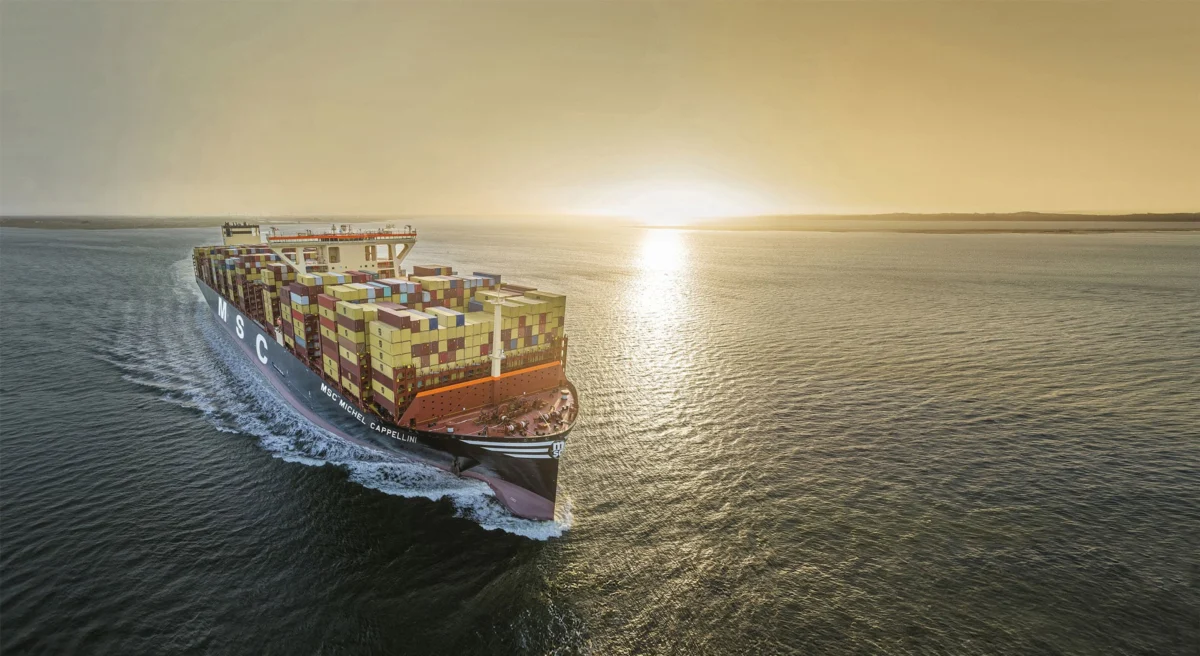
Mediterranean Shipping Company signs 45-year agreement with Nigerdock to develop Snake Island Container Terminal
The maritime landscape of Nigeria is set for a monumental transformation following the official announcement of a 45-year sub-concession agreement between the global shipping giant, Mediterranean Shipping Company (MSC), and the Nigerian maritime conglomerate, Nigerdock. This strategic partnership is centered on the development, operation, and maintenance of an exclusive, state-of-the-art container terminal located on the 85-hectare Snake Island Port facility in Lagos. The project, which represents a massive infusion of Foreign Direct Investment (FDI) into the Nigerian economy, is projected to be fully operational by 2028, positioning the nation as a premier hub for maritime logistics in West Africa.
Project Specifications and Infrastructure Scope
The proposed container terminal is designed to meet international standards for efficiency and capacity. According to the technical specifications released by Nigerdock, the facility will occupy a 30-hectare plot within the Snake Island Port enclave. The infrastructure development plan includes a 910-meter quay, which is critical for handling large-scale container vessels. To facilitate high-volume throughput, the terminal will be equipped with six advanced ship-to-shore (STS) cranes, significantly reducing vessel turnaround times.
Furthermore, the facility will feature two primary ship berths and three dedicated barge berths, ensuring a seamless transition of cargo from deep-sea vessels to inland waterways. With a projected draft of up to 18 meters, the port will be capable of accommodating some of the largest container ships currently navigating global trade routes. This depth is a significant competitive advantage, as many existing terminals in the region face draft restrictions that limit the size of vessels they can service.
Chronology of the Partnership
The formalization of this agreement is the culmination of long-term negotiations between MSC and Nigerdock. While the announcement was made public in June 2025, discussions surrounding the development of the Snake Island Port have been ongoing for several years, as part of the broader effort to modernize Nigeria’s maritime infrastructure.
The project is structured in phases. The current phase involves the finalization of designs and the commencement of primary civil engineering works. By 2026, the focus is expected to shift toward the installation of heavy-duty terminal operating equipment. The 2028 target for full operational capacity marks a critical milestone in the government’s broader "Port Modernization Agenda," which seeks to reduce congestion at the Apapa and Tin Can Island ports by decentralizing cargo traffic to more specialized, efficient terminals.
Strategic Rationale and Market Context
The selection of Snake Island as the site for this expansion is strategic. Snake Island Port is an integrated port and free zone facility that has played a vital role in Nigeria’s maritime sector for years. By granting MSC an exclusive sub-concession, Nigerdock is effectively providing the world’s leading shipping line with a permanent, high-capacity base of operations in Africa’s largest economy.
For MSC, the investment is a logical extension of its long-standing commitment to the African market. Founded in 1970 by Gianluigi Aponte and headquartered in Geneva, Switzerland, MSC has evolved into a global titan with a fleet of over 1,000 vessels and a presence in 155 countries. The company has been active in Africa since 1971, and this new terminal represents its most significant infrastructure investment in Nigeria to date. The move signals a transition from merely providing shipping services to becoming a core stakeholder in the continent’s port infrastructure.

Official Perspectives and Corporate Commitment
Maher Jarmakani, the Chief Executive Officer of Nigerdock, emphasized the transformative nature of the alliance. "We are thrilled to take this step forward in our partnership with MSC to develop a world-class container terminal within Snake Island Port. This gives the world’s leading shipping line a home in Nigeria and brings significant foreign direct investment into the country to accelerate growth in the maritime and logistics industry," Jarmakani stated.
Diego Aponte, President of the MSC Group, echoed these sentiments, framing the project as an essential component of the group’s global strategy. "Completing this key phase in the development of Snake Island Container Terminal with Nigerdock and our trusted partners demonstrates MSC Group’s commitment to providing excellent service to our customers in Nigeria and throughout Africa," Aponte noted. He added that the project would serve as a catalyst for local job creation and economic resilience, helping to elevate Nigeria’s status as a major global shipping centre.
Economic Implications for Nigeria
The broader implications of this agreement are far-reaching. Nigeria’s maritime sector has historically been hampered by port congestion, aging infrastructure, and inefficient cargo clearance processes. By introducing a new, modern terminal with deep-draft capabilities, the Snake Island project is expected to relieve the pressure on the existing Lagos port system.
- Job Creation: The construction and subsequent operation of the terminal are expected to generate thousands of direct and indirect jobs, spanning engineering, port management, logistics, and supply chain coordination.
- Trade Facilitation: With a focus on efficiency, the terminal will likely reduce the cost of doing business for importers and exporters, thereby improving Nigeria’s standing in global trade indices.
- Revenue Growth: The increase in port capacity directly correlates with higher customs revenue and port dues, providing the federal government with an expanded tax base.
- Supply Chain Integration: As MSC operates an extensive network of road and rail solutions across Africa, the terminal will serve as a vital node in an integrated supply chain, potentially linking Nigerian ports to landlocked neighboring countries.
The Role of Nigerdock and MSC
Nigerdock’s role as an indigenous maritime and logistics player is critical to the project’s success. As an operator of a free zone, it provides the regulatory and physical framework necessary for high-volume trade. The collaboration with MSC, a firm that manages 675 offices across the globe, ensures that the new terminal will be integrated into the world’s most sophisticated maritime logistics networks.
MSC’s presence in over 45 African countries provides a robust foundation for this terminal to become a regional transshipment hub. The ability to move goods to and from Africa with greater speed and reliability has been a long-standing objective for MSC, and the Snake Island Port investment is the cornerstone of this ambition.
Challenges and Future Outlook
While the announcement is overwhelmingly positive, the success of the terminal will depend on several external factors. The stability of the regulatory environment, the security of the maritime approaches to Lagos, and the efficiency of the connection between the port and the hinterland road network will determine the terminal’s actual throughput.
However, the 45-year duration of the agreement suggests a long-term commitment that is designed to weather short-term economic cycles. Investors and stakeholders in the maritime industry are viewing this deal as a bellwether for future infrastructure projects in Nigeria. If the Snake Island Container Terminal meets its 2028 operational target, it will likely serve as a blueprint for similar public-private partnerships in other coastal states, further diversifying Nigeria’s economic base and strengthening its position within the African Continental Free Trade Area (AfCFTA).
In conclusion, the partnership between Mediterranean Shipping Company and Nigerdock represents a shift toward modernizing Nigerian port infrastructure through international expertise and local knowledge. By creating a dedicated terminal with significant draft and equipment capacity, the project addresses the core bottlenecks that have traditionally impeded the growth of the maritime sector in Nigeria. As the project progresses, it will remain a critical point of interest for analysts tracking the development of West Africa’s logistics capacity.