FIFA and World Cup Host Cities Fail to Meet Critical Human Rights Deadlines Amid Rising Concerns Over Immigration and Media Freedom
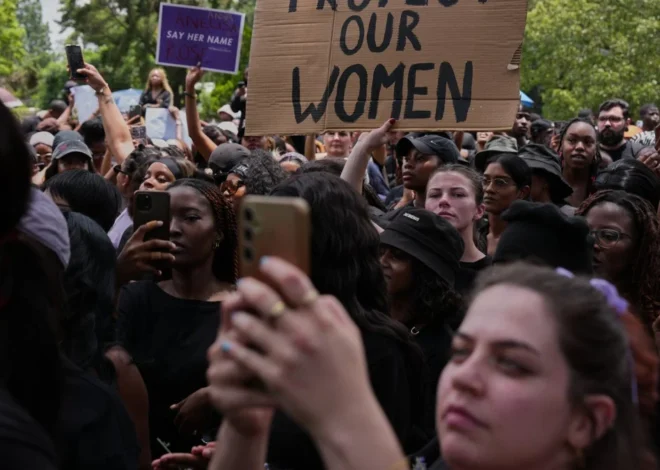
With only two months remaining before the kickoff of the world’s largest sporting event, Human Rights Watch (HRW) has issued a stark warning that the Fédération Internationale de Football Association (FIFA) and its designated host city committees have failed to implement necessary protections for players, fans, and workers. Despite the 2026 Men’s World Cup being heralded as the first tournament to incorporate stringent human rights bidding requirements, a majority of host cities have neglected to publish mandatory action plans, leaving vulnerable populations—including immigrants, the LGBT community, and journalists—at significant risk.
Of the 16 host cities across the United States, Canada, and Mexico, only four—Atlanta, Dallas, Houston, and Vancouver—have released the Human Rights Action Plans required under the FIFA Human Rights Framework. The remaining 12 cities, including major hubs like New York/New Jersey, Los Angeles, Mexico City, and Miami (where FIFA’s North American headquarters is located), have missed extended deadlines, raising concerns about the transparency and safety of the upcoming tournament.
The Human Rights Framework and Unmet Obligations
The 2026 FIFA World Cup was designed to set a new global standard for social responsibility in sports. Following the intense international scrutiny regarding labor abuses during the 2022 World Cup in Qatar, FIFA introduced a mandatory Human Rights Framework for the 2026 cycle. This framework required host city committees—nonprofit local bodies responsible for fan festivals, transportation, and community engagement—to develop "tailored" action plans in consultation with local stakeholders.
The original deadline for these plans was set for March 2025. Recognizing the complexity of the task, FIFA granted an extension until August 29, 2025. However, as the tournament approaches its final countdown, the silence from three-quarters of the host cities has been characterized by advocates as a "reckless" disregard for the safety of those attending or working the games.
Minky Worden, director of global initiatives at Human Rights Watch, emphasized the gravity of the situation: "Despite years to prepare, the specter of immigration enforcement at FIFA events, and emerging threats to media freedom, host committees have failed to deliver coherent plans for the world’s largest sporting event. FIFA and these cities need to act immediately to strengthen human rights protections or risk a tournament defined by exclusion and fear."
Escalating Risks of Immigration Enforcement
A primary point of contention for human rights observers is the intersection of the World Cup with aggressive domestic immigration policies in the United States. New data analyzed by Human Rights Watch from the Deportation Data Project reveals that between January 20, 2025, and March 10, 2026, U.S. Immigration and Customs Enforcement (ICE) conducted at least 167,000 arrests in and around the 11 U.S. host cities.
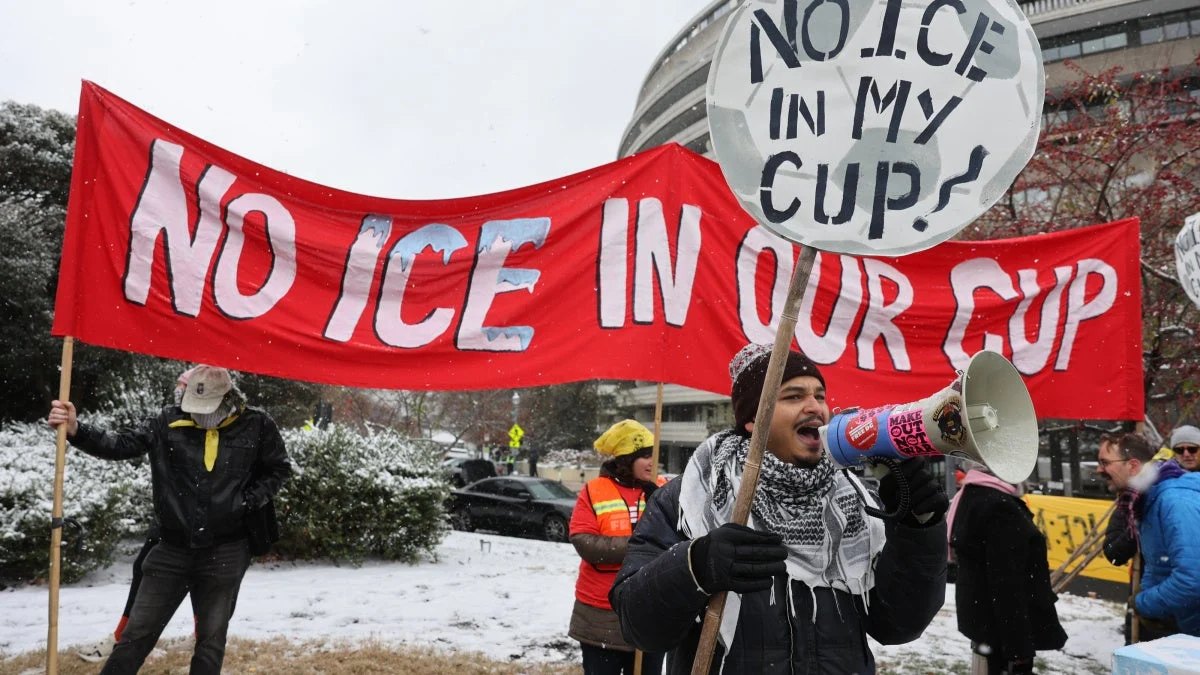
This surge in enforcement is part of what HRW describes as an "abusive campaign" characterized by widespread human rights violations. The danger to fans was underscored during the FIFA Club World Cup final in 2025, where ICE agents detained a spectator who had initially been stopped for a minor civil offense. This incident has fueled calls for an "ICE Truce"—a formal agreement to suspend immigration enforcement activities in the vicinity of World Cup venues and fan zones to ensure that undocumented fans and workers can participate without fear of deportation.
In cities like Houston and Dallas, the risk is compounded by 287(g) agreements, which empower local law enforcement to act on behalf of federal immigration authorities. Since January 2025, ICE has recorded 26,483 arrests in Houston and 22,388 in Dallas. While the published action plans for these cities mention the creation of "Worker Support Hubs" to address labor grievances, they notably lack explicit protections for undocumented individuals, leaving a significant gap in the safety net.
Regional Disparities and Local Legislation
The situation in Atlanta highlights the complexity of navigating state-level legislation. While Atlanta’s published Human Rights Action Plan asserts that the local police department does not operate under federal enforcement agreements, Georgia’s state law HB 1105 mandates that local authorities comply with immigration status checks for certain misdemeanors. Furthermore, 287(g) partnerships are actively expanding in the surrounding metropolitan area. Since the beginning of 2025, ICE has arrested nearly 14,000 people in the Atlanta region, creating a climate of anxiety that contradicts the "inclusive" spirit FIFA claims to promote.
In Miami, the lack of a plan is viewed as a significant administrative failure. Yareliz Mendez-Zamora, policy coordinator at the American Friends Service Committee Florida, described the omission as a "clear own goal." As the primary base for FIFA’s North American operations, Miami was expected to lead by example. The failure to release a plan for stakeholder input prevents local community groups from identifying specific risks related to Florida’s own stringent immigration and civil rights landscape.
Vulnerability of LGBT Communities and Press Freedom
Beyond immigration, the tournament faces challenges regarding the protection of LGBT people and the press. Historically, international soccer has struggled with homophobia, and recent actions by FIFA have done little to reassure activists. In 2025, FIFA abruptly canceled anti-bias and anti-discrimination messaging scheduled for the U.S. Club World Cup without providing a justification.
The 2026 tournament’s opening month coincides with Pride Month (June), a period of high visibility for the LGBT community. While Atlanta’s plan promises community events in partnership with LGBTQ+ organizations, the plans for Houston and Dallas contain no mention of LGBT protections. This omission is particularly concerning given the rise in legislative efforts in various U.S. states targeting the rights of gender and sexual minorities.
Journalists also face a precarious environment. HRW noted that neither the Houston nor Dallas plans address the specific risks faced by the media. In Los Angeles, which has yet to publish any plan, past incidents of excessive force against observers—including the use of tear gas and pepper balls against journalists during protests—set a worrying precedent for the high-pressure environment of a World Cup.
Chronology of the 2026 World Cup Human Rights Oversight
- June 2018: The United Bid (USA, Canada, Mexico) is awarded the 2026 FIFA World Cup, the first to include a specific Human Rights Strategy in the bidding documents.
- June 2022: FIFA announces the 16 host cities.
- June 2024: FIFA publishes the Human Rights Framework, mandating that host city committees develop tailored action plans.
- January 13, 2026: Human Rights Watch writes to FIFA President Gianni Infantino regarding ICE activities at World Cup events; FIFA provides no written reply.
- March 2025: The original deadline for Host City Human Rights Action Plans passes with minimal compliance.
- August 29, 2025: The extended deadline for action plans passes; only four cities have complied.
- December 2025: FIFA awards the "FIFA Peace Prize" to Donald Trump, a move criticized by rights groups as signaling a retreat from human rights advocacy.
- April 6, 2026: HRW requests details from FIFA on protections for journalists; the organization remains silent.
Broader Implications and the Demand for Accountability
The failure of host cities to "show their homework," as Georgetown Law’s Jennifer Li put it, suggests a systemic lack of investment in the human rights aspect of the tournament. Stakeholders in many cities report feeling that the World Cup is an event "happening to them" rather than an initiative that includes them. The delay in implementation is not merely a bureaucratic lapse; it is a failure of the due diligence required to prevent labor exploitation, discriminatory policing, and the suppression of free speech.
The financial stakes of the World Cup are immense, with billions of dollars in revenue expected from sponsorships, ticket sales, and tourism. However, the human cost of a poorly managed tournament could result in a lasting legacy of trauma for marginalized communities. Human Rights Watch has urged FIFA to take immediate punitive or corrective action, suggesting that a city’s failure to publish and implement a Human Rights Action Plan should disqualify them from hosting future FIFA-sanctioned events.
As the clock ticks down to the opening match, the pressure is on FIFA to move beyond rhetoric. The organization’s silence on concrete human rights promises, contrasted with its public accolades for political figures, has created a credibility gap. For the 2026 World Cup to be a success, the host committees must bridge the divide between their logistical preparations and their moral obligations. Without transparent, actionable, and enforceable human rights plans, the "world’s game" risks being overshadowed by a legacy of fear and exclusion.

Related Posts
Human Rights Watch Calls for Investigation into Death of Detainee Following Removal from Najaf Hospital by Iraqi Drug Police
Human Rights Watch Urges UN Security Council to Extend Lebanon Peacekeeping Mission Amid Escalating Conflict and Humanitarian Crisis