Tragic Hercules C-130 Crash Claims Dozens of Lives in Colombian Amazon
A devastating accident involving a Colombian Air Force Hercules C-130 military cargo plane has sent shockwaves across the nation, resulting in a significant loss of life and numerous injuries. The aircraft, carrying over one hundred military personnel, crashed shortly after departing from Puerto Leguízamo in the Amazonian province of Putumayo, located in southwestern Colombia. The incident, which occurred on a Monday, has prompted an immediate and extensive emergency response, alongside a national reckoning regarding military fleet modernization.
Initial Reports and Escalating Casualty Figures
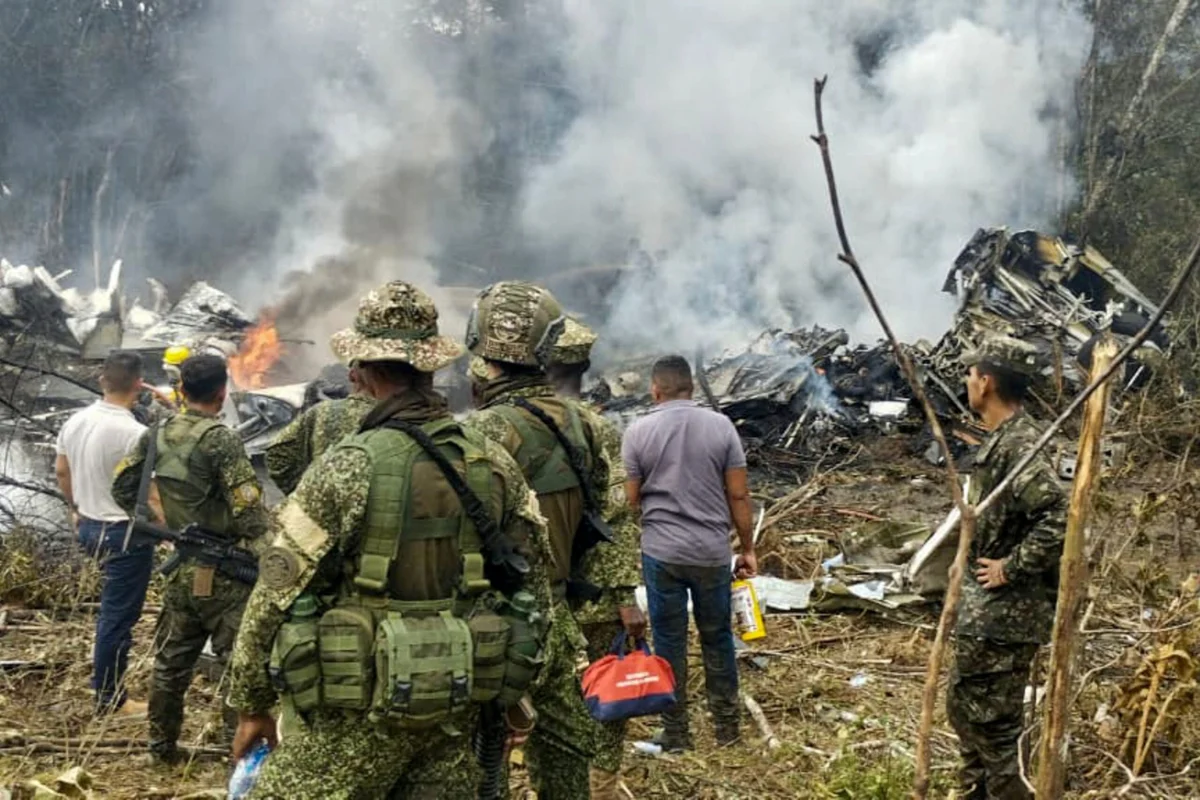
Initial reports from local authorities painted a grim picture of the unfolding tragedy. Jhon Gabriel Molina Acosta, the governor of Putumayo, initially informed the public that eight individuals had perished in the crash, with an additional 73 sustaining injuries. Among the injured, 15 were reported to be in critical condition. However, as the hours progressed and rescue and recovery efforts intensified, the grim reality of the disaster became starkly apparent. The death toll tragically climbed, with the AFP agency later confirming that the number of fatalities had risen to 34. This escalating figure underscores the catastrophic nature of the impact and the immediate challenges faced by emergency responders.
The Moments Before the Catastrophe
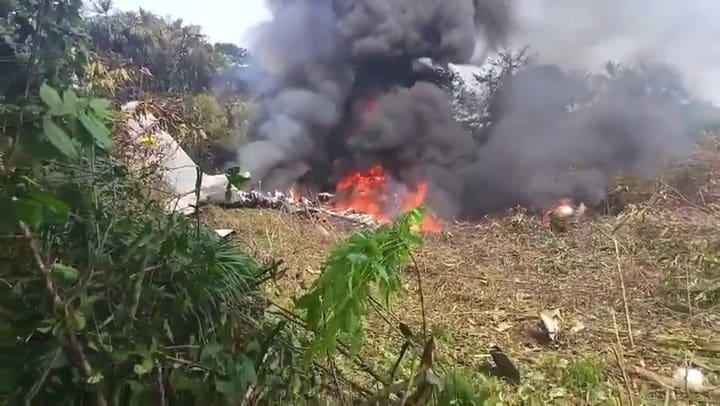
Preliminary investigations and visual evidence shared on social media by Colombian media outlets have begun to shed light on the final moments of the ill-fated flight. Images captured from the scene showed a thick plume of black smoke billowing from the crash site, a stark visual testament to the ferocity of the impact. Military vehicles, including trucks carrying soldiers, were seen rapidly converging on the location, indicative of the immediate mobilization of rescue and security forces.
Further compounding the tragedy, a video that has circulated widely appears to capture the exact moment of the accident. The footage shows the Hercules C-130 aircraft flying at a dangerously low altitude, struggling to gain sufficient elevation before it tragically disappeared behind a hillside. This visual evidence suggests a critical loss of power or control immediately after takeoff, preventing the aircraft from achieving safe flight parameters. While the video offers a chilling glimpse into the event, it does not provide definitive answers regarding the cause of the malfunction.
Details of the Flight and Passenger Manifest
According to reports from the Colombian newspaper El Tiempo, the Hercules C-130 was en route carrying three platoons of soldiers, in addition to its dedicated crew. General Carlos Silva, the Commander of the Air Force, provided crucial details regarding the aircraft’s manifest, stating that the plane was carrying a total of 114 passengers and 11 crew members. This brings the total number of individuals on board to 125, a significant number that amplifies the scale of the human loss.
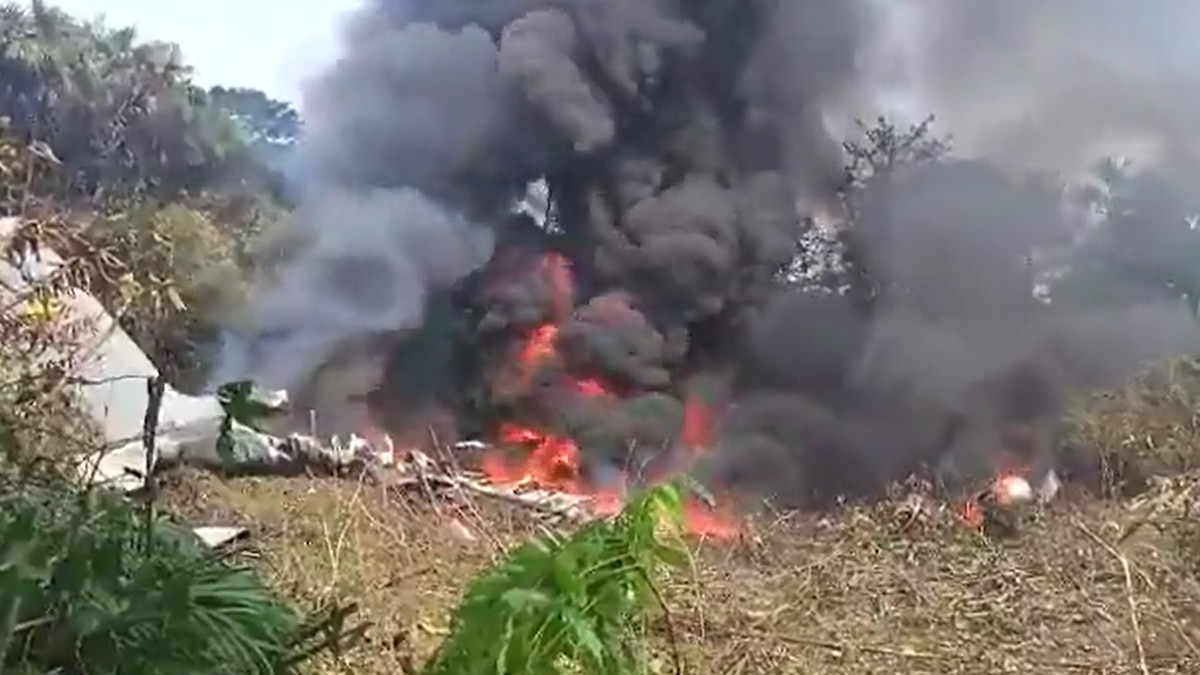
General Silva also indicated that preliminary reports suggest the aircraft may have experienced a technical issue shortly after takeoff. However, he emphasized that the exact causes of the accident remain undetermined at this stage. "At this moment, we do not have details other than that as soon as the aircraft took off, it suffered some problem and crashed to the ground approximately a couple of kilometers from the airport," Silva stated, underscoring the ongoing nature of the investigation. He further detailed the immediate logistical response, noting that two aircraft, equipped with a total of 74 beds, were dispatched to the affected area to facilitate the transfer of the injured to hospitals in Bogotá and other medical facilities.
Official Response and Emergency Operations
The Colombian Ministry of Defense, through its X (formerly Twitter) account, confirmed the incident and provided an update on the operational response. Minister Pedro Sánchez previously reported that the Hercules C-130, manufactured by the American company Lockheed Martin, crashed while taking off from Puerto Leguízamo, a town situated on the border with Peru, as it was transporting troops. He also affirmed that the impact zone was immediately secured and placed under a strict emergency operations protocol.
"All attention protocols have been activated for the victims and their families, as well as the corresponding investigations to establish the causes of the accident," Sánchez stated, highlighting the multi-faceted approach being taken by the government. This includes not only immediate medical aid and support for the affected families but also a thorough and impartial investigation into the incident’s root causes.
Broader Implications and President Petro’s Call for Modernization
The tragic crash has reignited a critical national debate surrounding the state of Colombia’s military fleet and the urgent need for modernization. President Gustavo Petro, in the wake of the disaster, reiterated his administration’s commitment to upgrading the Armed Forces’ equipment. He attributed the delays in implementing such crucial modernization projects to what he termed "bureaucratic obstacles," suggesting that those responsible for impeding progress should be held accountable.
In a series of posts on X, President Petro expressed his strong views on the matter. "Contrary to press reports, the military force has been losing capacity for fifteen years and my decision has been to completely modernize its weaponry… If civilian or military administrative officials are not up to this challenge, they should be removed," he stated, emphasizing the strategic imperative of maintaining a capable and modern military.
He further articulated a stark message regarding accountability and the financial management of defense resources: "A person who steals a peso is a murderer of our troops." This powerful statement underscores his belief that any misappropriation of funds intended for military acquisition or maintenance directly endangers the lives of Colombian soldiers.
Background Context: The Hercules C-130 and Its Role
The Lockheed Martin C-130 Hercules is a legendary military transport aircraft, renowned for its versatility, ruggedness, and reliability. For decades, it has served as the backbone of air transport for numerous air forces worldwide, including Colombia’s. Its ability to operate from short and unpaved runways makes it particularly valuable in remote and challenging terrains, such as the Amazon rainforest. These aircraft are typically used for troop deployment, cargo transport, humanitarian aid delivery, and medical evacuation missions.
The Colombian Air Force has historically relied on a fleet of C-130s for a wide range of operational needs. Their consistent use in transporting military personnel, especially to remote and strategically important regions like Putumayo, highlights their critical role in national security and logistics. However, like any aging fleet, these aircraft require continuous maintenance, upgrades, and eventual replacement to ensure continued operational safety and effectiveness. The average age of many C-130 airframes in service globally can be several decades, necessitating significant investment in their upkeep and the acquisition of newer generation aircraft.
The Putumayo Province: Strategic Importance and Challenges
The province of Putumayo, where the crash occurred, is a region of significant strategic importance for Colombia. It borders Ecuador and Peru and has historically been a key area in the country’s efforts to combat drug trafficking, illegal mining, and armed groups. The presence of military bases and frequent troop movements in this region underscore its role in maintaining national sovereignty and security.
The challenging geographical conditions of the Amazon, characterized by dense jungle, unpredictable weather patterns, and limited infrastructure, present unique operational difficulties for both ground and air operations. Accidents in such environments can be particularly devastating due to the remoteness of the locations, making rescue and recovery efforts more complex and time-consuming.
Investigation and Future Outlook
The investigation into the precise cause of the Hercules C-130 crash is expected to be thorough and may involve international cooperation, given the aircraft’s origin. Factors such as engine failure, structural integrity issues, pilot error, or even environmental conditions will be meticulously examined. The findings of this investigation will be crucial not only for understanding this specific tragedy but also for informing future safety protocols and fleet management decisions within the Colombian Air Force.
The incident serves as a stark reminder of the inherent risks associated with military aviation and the critical importance of maintaining a modern, well-maintained, and technologically advanced fleet. President Petro’s call for modernization, while potentially controversial in its political framing, highlights a pressing need that the nation must address to ensure the safety and effectiveness of its armed forces. The loss of life in Putumayo is a profound tragedy that will undoubtedly shape future defense policy discussions in Colombia. The nation mourns its fallen soldiers and looks to a future where such devastating accidents are prevented through robust investment and diligent oversight.

Related Posts

La mujer que denunció al intendente Espinoza pidió que no lo dejen salir del país sin permiso.

Argentina’s President Javier Milei Reflects on 2026 World Cup Reception and Political Criticisms