Rafah Crossing Set to Reopen for Limited Movement Amidst Escalating Regional Conflict and War on Iran
Israeli authorities announced today, March 15, 2026, that the Rafah crossing, the vital conduit between the Gaza Strip and Egypt, is slated to reopen on Wednesday for restricted movement of individuals. This development emerges against a backdrop of severe humanitarian conditions in Gaza and a significant regional escalation following the commencement of a broader conflict involving Tel Aviv and Washington against Iran. The decision to resume limited operations at Rafah comes after a period of prolonged closure, deeply exacerbating the humanitarian crisis within the besieged Palestinian enclave.
The Lifeline of Rafah: A History of Disruption and Desperation
The Rafah crossing holds unique significance for the Gaza Strip, serving as its sole gateway to the outside world not directly controlled by Israel. For over two million Palestinians, it is the only exit point for those seeking medical treatment abroad, pursuing education, or fleeing conflict. Its operational status is, therefore, a critical barometer of the humanitarian situation and regional stability. The current announcement of a limited reopening offers a glimmer of hope for some, but humanitarian organizations and international observers remain deeply concerned about the capacity and duration of such access.
The crossing had been largely shut since May 2024, a period marked by an intense and devastating Israeli military campaign in Gaza. This period, characterized by widespread destruction, mass displacement, and a catastrophic loss of life, has been described by some as "Israel’s genocide on Gaza," a contentious but increasingly vocal characterization from various international bodies and human rights advocates, as reflected in initial reports on the closure. The military operations rendered vast swathes of Gaza uninhabitable, destroyed critical infrastructure, and pushed the healthcare system to the brink of collapse. During this time, the closure of Rafah choked off essential supplies and prevented countless critically ill and injured individuals from accessing life-saving medical care outside the Strip.
After months of near-total closure, Rafah had briefly resumed operations in early February 2026, offering a short window for some humanitarian aid and limited civilian movement. This brief respite, however, was tragically short-lived. The crossing was once again sealed following the dramatic escalation of regional tensions, culminating in what has been widely reported as a "war on Iran" initiated by Tel Aviv and Washington. This broader conflict introduced a new layer of complexity and security concerns, further isolating Gaza and exacerbating its already dire humanitarian situation.
The Regional Quake: War on Iran and its Repercussions
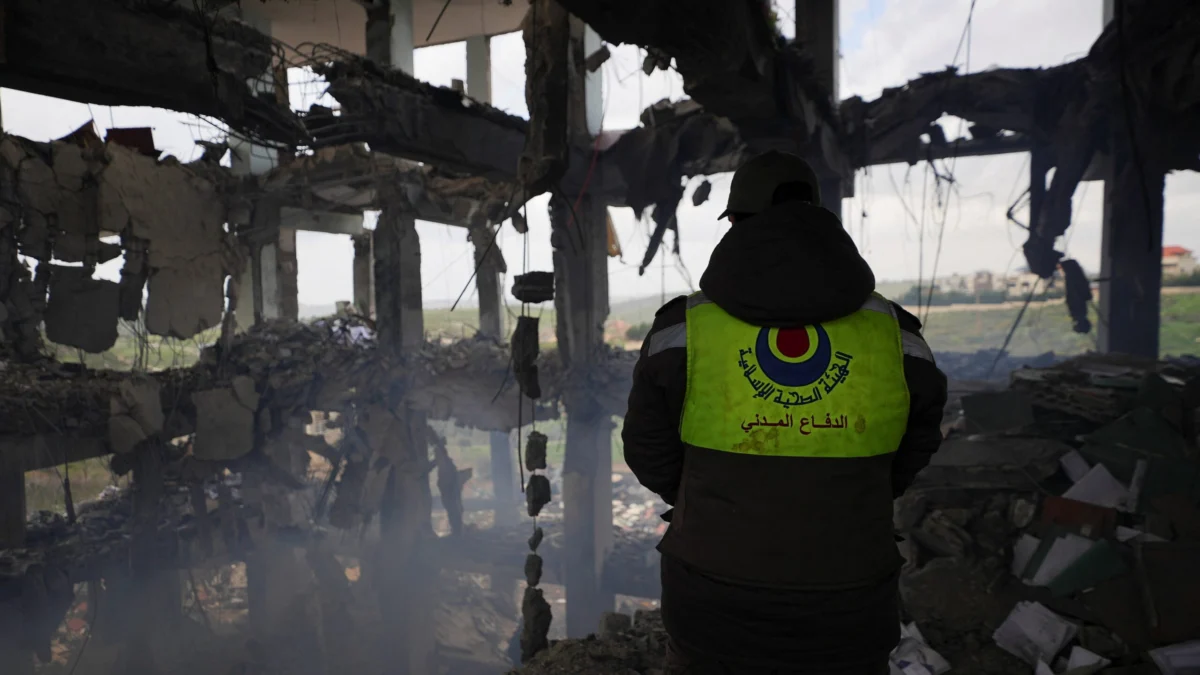
The "war on Iran," which reportedly began shortly after Rafah’s brief reopening in early February, represents a seismic shift in the geopolitical landscape of the Middle East. While specific details of its inception and progression remain subject to ongoing analysis and official statements, the conflict has been characterized by heightened military activity across the region. Reports, including those accompanying imagery dated March 15, 2026, indicating a "Lebanon strike" within the context of the "Iran Crisis," suggest a broad geographical scope for the hostilities, extending beyond direct Israeli-Iranian engagement to include proxy battlegrounds.
Analysts speculate that the conflict may have been triggered by a confluence of factors, potentially including escalating tensions over Iran’s nuclear program, alleged Iranian support for regional proxy groups targeting Israeli and U.S. interests, or direct military confrontations in key strategic waterways. The involvement of both Israel and the United States signifies a robust, coordinated response to perceived threats, fundamentally altering the security calculus of the entire region. This wider conflict has naturally led to increased security alerts at all border crossings, including Rafah, as nations brace for potential retaliatory actions or spillover violence. The closure of Rafah, in this context, was presented by security officials as a necessary measure to prevent the infiltration of hostile elements and to manage the heightened security risks associated with the unfolding regional war.
Humanitarian Crisis Deepens: A Cry for Unfettered Access
The impact of Rafah’s prolonged closure on Gaza’s civilian population has been catastrophic. The United Nations Office for the Coordination of Humanitarian Affairs (OCHA) reported in late 2025 that over 80% of Gaza’s population was internally displaced, with hundreds of thousands sheltering in overcrowded and unsanitary conditions. Access to clean water, food, medicine, and fuel has plummeted to critically low levels, leading to widespread famine and the resurgence of infectious diseases. Medical facilities, already crippled by years of blockade and recent conflict, are unable to cope with the influx of casualties and the spread of illness. The number of critically injured and chronically ill patients requiring urgent evacuation for specialized treatment outside Gaza has swelled to tens of thousands.
Humanitarian agencies, including UNRWA, Doctors Without Borders (MSF), and the World Health Organization (WHO), have repeatedly called for the immediate and unconditional opening of all border crossings into Gaza. They highlight that limited openings are insufficient to address the scale of the crisis. Before the May 2024 closure, Rafah typically saw thousands of people crossing monthly, along with hundreds of trucks carrying commercial goods and aid. Its current capacity for "limited movement" is expected to be a fraction of this, primarily prioritizing foreign nationals, critically injured individuals, and potentially small amounts of specific aid. This limited scope is unlikely to make a significant dent in the overwhelming needs of Gaza’s population.
Statements and Reactions: A Tapestry of Hope and Skepticism

The announcement from Israeli authorities regarding Rafah’s reopening has elicited a range of reactions from key stakeholders.
An Israeli government spokesperson, speaking on condition of anonymity due to the sensitive nature of ongoing regional conflicts, stated that the decision reflects Israel’s commitment to humanitarian principles, despite the challenging security environment. "We are facilitating this limited movement in coordination with international partners and Egyptian authorities to alleviate some of the suffering in Gaza, while maintaining strict security protocols given the ongoing conflict with Iran and its proxies," the spokesperson remarked. The Israeli authorities emphasized that any reopening would be contingent on rigorous security checks and intelligence assessments to prevent exploitation by hostile entities.
Egyptian officials, who administer the other side of the Rafah crossing, confirmed their readiness to facilitate the humanitarian movement, reiterating Egypt’s long-standing role in supporting the Palestinian people. A statement from the Egyptian Foreign Ministry highlighted their continuous efforts to de-escalate regional tensions and ensure the flow of humanitarian aid into Gaza. However, Egyptian officials also expressed concerns about the potential for large-scale displacement into Egyptian territory, a scenario they have consistently sought to avoid.
Palestinian factions, including representatives from Hamas, cautiously welcomed the news but condemned the prolonged closures and called for the immediate and unrestricted opening of Rafah. "This limited reopening is a drop in the ocean compared to the vast humanitarian catastrophe Israel has inflicted upon our people," stated a Hamas official in Gaza. "We demand full freedom of movement for all Palestinians and unhindered access for all essential aid." Other Palestinian officials echoed these sentiments, stressing that the right to movement is fundamental and should not be subject to political or security whims.
International humanitarian organizations expressed cautious optimism mixed with significant apprehension. A spokesperson for OCHA noted, "Any opening of Rafah is a positive step, but it must be more than symbolic. The people of Gaza need sustained, high-volume access for both people and goods. We urge all parties to ensure that this reopening leads to a consistent and expanded humanitarian corridor, free from arbitrary closures." Doctors Without Borders (MSF) specifically highlighted the urgent need for medical evacuations, stating that thousands of patients are in critical condition, and even a limited opening would only scratch the surface of this overwhelming need.
The United States, a key ally of Israel and a participant in the "war on Iran," acknowledged the Israeli announcement. A State Department official emphasized the U.S. commitment to addressing the humanitarian needs in Gaza and urged all parties to uphold international humanitarian law. "We welcome any measure that facilitates humanitarian access and the safe passage of civilians," the official stated, while also reiterating calls for regional de-escalation in the broader conflict with Iran.
Implications: A Precarious Balance
The limited reopening of the Rafah crossing carries several significant implications, both humanitarian and geopolitical.
Humanitarian Impact: While providing a lifeline for a small number of individuals, the limited nature of the reopening means that the vast majority of Gaza’s population will continue to suffer under severe deprivation. The critical shortage of medical supplies, food, and shelter will persist, and the risk of famine and disease outbreaks remains alarmingly high. The process of selecting who gets to cross is also fraught with challenges, potentially leading to further despair and frustration among those left behind. Aid organizations will likely face continued difficulties in delivering sufficient quantities of relief, given the constraints on movement and the destroyed infrastructure within Gaza.
Political and Security Implications: The timing of the reopening amidst the "war on Iran" suggests a complex interplay of international pressure, humanitarian concerns, and security calculations. It might be seen as an attempt by Israel to demonstrate adherence to international humanitarian law while prosecuting a broader regional conflict. However, the limited scope could also be interpreted as insufficient, inviting further international criticism. The stability of the reopening will be highly vulnerable to developments in the "war on Iran." Any escalation or perceived threat could lead to an immediate re-closure, further highlighting Gaza’s precarious position as a pawn in larger regional conflicts. The image referencing a "Lebanon strike" on the same date underscores the volatility and interconnectedness of these regional fronts.
Regional Dynamics: The "war on Iran" itself is reshaping alliances and antagonisms across the Middle East. The U.S. involvement signals a renewed, aggressive posture against Iranian influence, potentially drawing in other regional actors. The ongoing conflict in Lebanon, as indicated by the imagery, suggests a multi-front engagement. The limited reopening of Rafah, in this context, might also be a diplomatic maneuver to garner international support or temper criticism for the broader military actions. Egypt’s role as a mediator and gatekeeper will remain crucial, as it navigates its own security concerns and humanitarian responsibilities.
Long-Term Outlook: The cyclical nature of Rafah’s closures and reopenings underscores the lack of a sustainable, long-term solution for Gaza. As long as the broader political and security issues remain unresolved, the humanitarian situation will continue to be dictated by external forces. The "war on Iran" adds another layer of uncertainty, making any prospects for lasting peace and stability in the region, and particularly for Gaza, appear increasingly distant. The international community faces the monumental task of addressing both the immediate humanitarian catastrophe in Gaza and the escalating regional conflict, all while striving for a durable political resolution that guarantees the rights and safety of all populations.

Related Posts
UAE Air Defenses Intercept Ballistic Missiles and Drones Amid Escalating Regional Conflict
Live Blog Update | War on Iran: IRGC Claims Missile and Drone Attack on US Forces at Al-Dhafra Airbase, UAE