Persian Gulf Crisis Deepens: Tanker Attacks, Oil Price Surge Amidst Escalating Iran-US Conflict
A deadly assault on two oil tankers in the Persian Gulf, claiming at least one life according to Iraqi authorities, marks a significant escalation in the ongoing Iran-US conflict, coinciding with reports that the first week of hostilities has cost the United States over $11 billion. The escalating tensions have sent shockwaves through global energy markets, pushing oil prices close to the $100 per barrel mark, while profoundly impacting regional economies and prompting urgent international diplomatic efforts.
Escalation in the Persian Gulf: Tanker Attacks and Regional Instability
The latest and most severe incident in the volatile Persian Gulf occurred in Iraqi territorial waters, where two oil tankers, identified by tracking data as the Zefyros and the Safesea Vishnu, came under attack. Iraqi state television reported that at least one crew member was killed, and 38 others were rescued, with search operations ongoing for any remaining missing personnel. Farhan al-Fartousi, head of the Iraqi Ports Authority, condemned the assault, stating it represented a clear violation of the nation’s sovereignty. This attack underscores the perilous environment for maritime shipping in the region, which has seen repeated targeting of vessels since the "Iran-Krieg" intensified nearly two weeks prior. The Strait of Hormuz, a crucial choke point for global oil and gas trade, has been at the epicenter of these disruptions, with vessel traffic nearly grinding to a halt, exacerbating fears of severe supply shortages worldwide. The strategic waterway is a narrow passage, just 21 miles wide at its narrowest point, through which approximately 20% of the world’s total petroleum liquids and about one-third of the world’s liquefied natural gas (LNG) pass daily. Any sustained disruption to this vital artery has immediate and profound implications for global energy security and prices.
Strait of Hormuz: A Global Choke Point Under Threat
The escalating crisis has particularly focused attention on the Strait of Hormuz, a geographical bottleneck critical to international trade. Amid reports of an Iranian blockade, US President Donald Trump issued a forceful call for shipping companies to continue transiting the strait. "I think they should do it," President Trump stated to reporters, encouraging them to "take advantage of it immediately." He further asserted that US forces had "almost wiped out" Iran’s mine-laying vessels in a single night, claiming "almost their entire navy is on the seabed." Such rhetoric, while projecting strength, highlights the direct confrontation between US and Iranian naval capabilities in the confined waters of the Gulf. In response to the grave threats to maritime navigation, the Group of Seven (G7) nations announced plans to provide military escorts for oil tankers and other cargo ships. However, officials cautioned that implementing such a complex operation could take several weeks, leaving commercial shipping vulnerable in the interim. The G7’s commitment reflects the international community’s alarm over the potential for widespread economic disruption and the need to secure vital trade routes.
Economic Repercussions: Soaring Oil Prices and Supply Fears
The renewed attacks on tankers and the effective cessation of traffic through the Strait of Hormuz have sent global oil prices spiraling upwards. The benchmark North Sea Brent crude saw an 8.2 percent jump, trading at $99.54 per barrel, having briefly breached the critical $100 mark. Similarly, US West Texas Intermediate (WTI) light crude surged by 7.3 percent to $93.59 per barrel. These price hikes are driven by acute investor fears of severe supply disruptions from the Middle East, a region that supplies a significant portion of the world’s crude oil. Analysts warn that even the International Energy Agency’s (IEA) record release of strategic oil reserves, intended to calm markets and ensure supply, is proving insufficient to alleviate these concerns. The IEA, which coordinates the energy policies of 31 member countries, had previously agreed to a coordinated release of emergency oil stocks, but the scale of the current crisis appears to outstrip these measures.
Beyond the immediate oil market, the ripple effects are being felt globally. Australia, for instance, moved to ease domestic fuel supply pressures by temporarily relaxing its quality standards for gasoline. The country’s Energy Minister announced that higher sulfur content would be permissible for the next 60 days. This measure aims to expand the available supply, allowing approximately 100 million liters of gasoline, typically destined for export, to be diverted to the domestic market, particularly to regions facing acute shortages. Energy conglomerate Ampol Australia reportedly committed to prioritizing delivery to these affected areas, illustrating the direct impact of the Persian Gulf crisis on national energy policies and consumer prices.
Regional Targets and Retaliation: A Widening Arc of Conflict
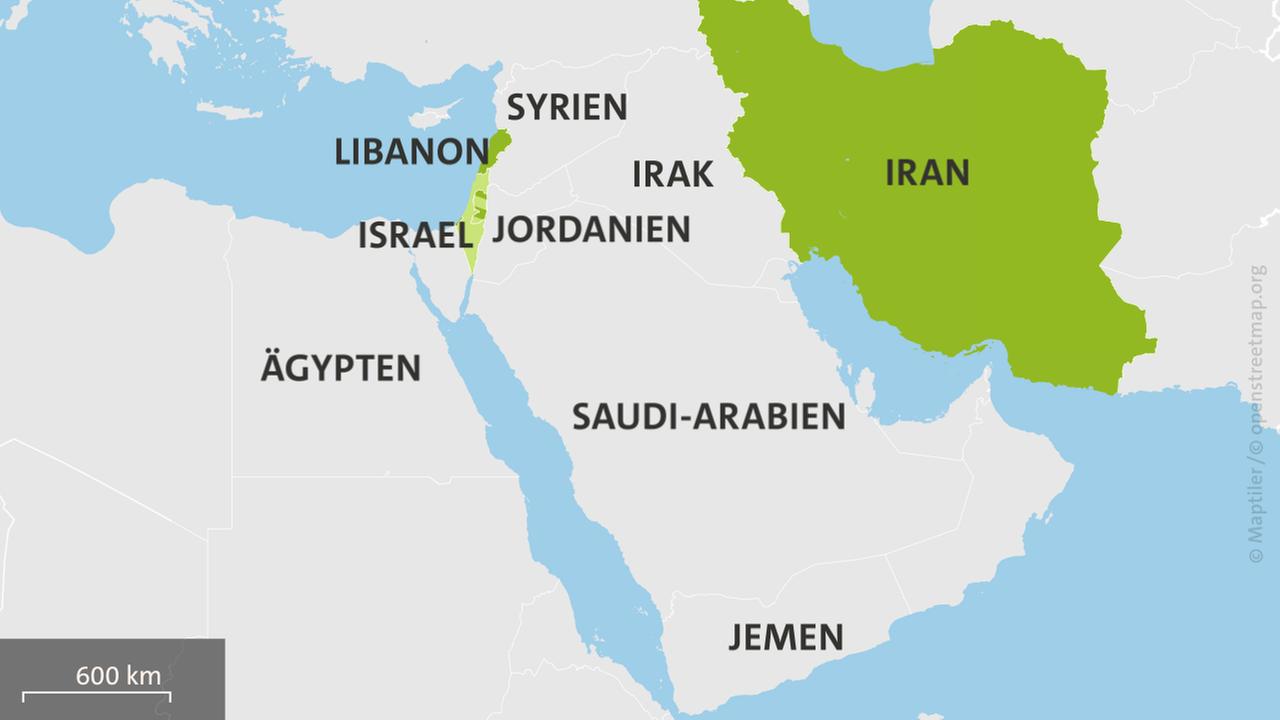
The conflict has not been confined to the waters of the Persian Gulf but has manifested in a series of retaliatory strikes across the broader Middle East, indicating a dangerous geographical expansion of the hostilities.
- Bahrain Under Attack: Local authorities in Bahrain reported Iranian attacks on fuel depots in the Muharraq district, which also houses the island nation’s international airport. The Interior Ministry confirmed the activation of alarm sirens across the Gulf state, urging residents to seek safety. A Reuters correspondent also reported a plume of smoke rising near Bahrain’s airport, suggesting a direct impact or significant incident in the vicinity. These attacks on crucial infrastructure underscore the vulnerability of Gulf states, many of whom host significant US military assets and are seen by Iran as collaborators with its adversaries.
- Dubai Targeted by Drone: In a concerning development for the United Arab Emirates (UAE), Iranian state television, via its Telegram service Irib, claimed responsibility for a drone attack on a building in Dubai. The report alleged the building served as "a hideout for American soldiers who attacked Iran," and that a fire subsequently broke out. Emirati authorities swiftly confirmed the incident, stating that a drone had crashed near the residential area of Dubai Creek Harbour, but emphasized that the fire was "completely under control" and no injuries were sustained. This incident represents a direct targeting of a major economic hub in the Gulf, signaling Iran’s willingness to strike beyond traditional military installations.
- Israel-Lebanon Front Ignites: Concurrently, the conflict flared significantly on the Israeli-Lebanese border. The Israeli military reported a massive wave of attacks on Lebanon, targeting dozens of positions belonging to the Hezbollah militia. Within a 30-minute window, the Israeli Air Force struck ten targets in the suburbs of Beirut, including what they identified as a Hezbollah intelligence headquarters, the command center of the elite Radwan unit, and other operational command posts. Israel also claimed to have targeted numerous rocket launchers and dozens of Hezbollah fighters who were allegedly preparing attacks against Israeli territory. This intensive Israeli operation came in direct response to earlier rocket attacks launched by Hezbollah into northern Israel, demonstrating a clear tit-for-tat escalation between the long-standing adversaries.
International Reactions and Diplomatic Maneuvers
The rapidly deteriorating security situation has prompted a flurry of international diplomatic activity and reactions, highlighting the global concern over the conflict.
- UN Security Council Resolution and Iranian Rebuke: The UN Security Council adopted a resolution condemning Iranian attacks on Gulf states, a move swiftly and sharply criticized by Iran’s ambassador to the United Nations, Amir Saeid Iravani. Ambassador Iravani argued that the resolution "deliberately ignored the root causes of the current crisis," accusing it of attempting to "reverse the roles and positions of victim and aggressor." He emphasized that the resolution failed to acknowledge the prior "American-Israeli attacks" on Iran, which Tehran asserts prompted its retaliatory missile and drone strikes. The resolution, drafted by Bahrain, passed with 13 votes in favor, while Russia and China, both permanent members of the Security Council and allies of Iran, abstained from the vote, opting not to use their veto power but signaling their reservations. This abstention, while allowing the resolution to pass, underscores the complex geopolitical alignments and the challenges in forging a unified international response.
- Switzerland’s Mediation Role Amid Embassy Closure: Switzerland, which has for decades represented US interests in Iran and served as a crucial diplomatic channel between Washington and Tehran, announced the temporary closure of its embassy in Tehran due to a "rising security risk." The US government acknowledged and respected Switzerland’s decision, expressing profound gratitude for the embassy’s work, which it described as "crucial for the protection of US interests and the support of our citizens." Despite the closure, the Swiss government affirmed its commitment, in consultation with the affected countries, to keep the communication channel between the USA and Iran open, underscoring its enduring role as a neutral facilitator in high-stakes international diplomacy.
- Russia’s Stance and Energy Dialogue: Russia’s envoy, Kirill Dmitriyev, reported on discussions held with US representatives in Florida regarding the escalating energy crisis. Dmitriyev, speaking on Telegram, stated that many countries, particularly the US, were increasingly recognizing the "systemically important role of Russian oil and gas for the global economy." He also seized the opportunity to highlight what he called the "inefficiency of sanctions against Russia," suggesting that the current crisis validated Moscow’s long-held arguments about global energy interdependence and the counterproductive nature of punitive economic measures. This statement reflects Russia’s strategic positioning amidst the crisis, aiming to leverage the situation to its own diplomatic and economic advantage.
- G7 Coordination for Maritime Security: The G7’s commitment to providing naval escorts for commercial shipping through the Strait of Hormuz signifies a concerted effort by major global powers to ensure the free flow of trade and mitigate the economic fallout of the conflict. This collective action, while challenging to implement, aims to restore confidence in maritime security and prevent further disruptions to global supply chains.
The Cost of Conflict: US Expenditure and Regional Economic Drain
The financial toll of the "Iran-Krieg" is already staggering. Media reports, citing calculations by the US government, indicate that the first week of the conflict alone cost the United States an estimated $11.3 billion (approximately 9.8 billion Euros). This figure, however, is not comprehensive and does not encompass the full projected costs of the war. President Trump has hinted at his intention to seek additional funding from Congress for the conflict, a move that could face political challenges. Republican Senator Roger Wicker, chairman of the Senate Armed Services Committee, stated he did not anticipate such a request within the current month, suggesting potential internal divisions or a cautious approach to securing further appropriations.
The economic impact extends far beyond military expenditures, severely crippling the Middle East’s vital travel and tourism sector. The World Travel & Tourism Council (WTTC), based in London, estimated that the region’s economy is losing approximately $600 million (520 million Euros) per day due to the collapse in travel activity. The WTTC highlighted that major international airports in Dubai, Abu Dhabi, Doha, and Bahrain, which typically handle around 526,000 passengers daily, have been either closed or operating under severe restrictions since the conflict began almost two weeks ago. This projection is based on the WTTC’s forecast for the Middle East for the current year, underscoring that any interruption to travel quickly leads to significant economic consequences for the tourism industry and local businesses reliant on traveler spending. The closure of airspace and the perception of insecurity have effectively severed key air links, devastating an industry that contributes significantly to the GDP and employment across the region.
Broader Geopolitical Implications and Future Outlook
The events of the past two weeks reveal a conflict rapidly escalating on multiple fronts—maritime, aerial, and diplomatic. The direct attacks on oil tankers, the targeting of civilian infrastructure in Gulf states, and the renewed hostilities between Israel and Hezbollah underscore a dangerous widening of the conflict’s geographical and operational scope. The involvement of major global powers, from the US and G7 nations taking steps to secure shipping lanes, to Russia’s diplomatic maneuvering and China’s cautious stance at the UN, signifies the international community’s deep concern about the potential for further destabilization.
The "Iran-Krieg," as it is being termed, carries profound implications for global energy security, international trade, and regional stability. The immediate challenge remains de-escalation and the protection of vital maritime routes. However, the intertwined nature of the regional rivalries and the involvement of powerful external actors suggest that a swift resolution is unlikely. The financial costs, both military and economic, are already substantial and are set to mount, creating a protracted crisis with far-reaching consequences for the Middle East and the global economy. The reliance on information from conflicting parties in such a dynamic environment makes independent verification challenging, adding another layer of complexity to understanding the true scope and impact of these unfolding events.

Related Posts
Four Airmen Confirmed Dead and Two Missing Following KC-135 Stratotanker Crash During Combat Operations in Western Iraq
NATO Bolsters Turkish Air Defenses with Patriot Deployment in Malatya Following Iranian Missile Strikes