Mayday Concert Cancellation Sparks Widespread Consumer Complaints in Hong Kong
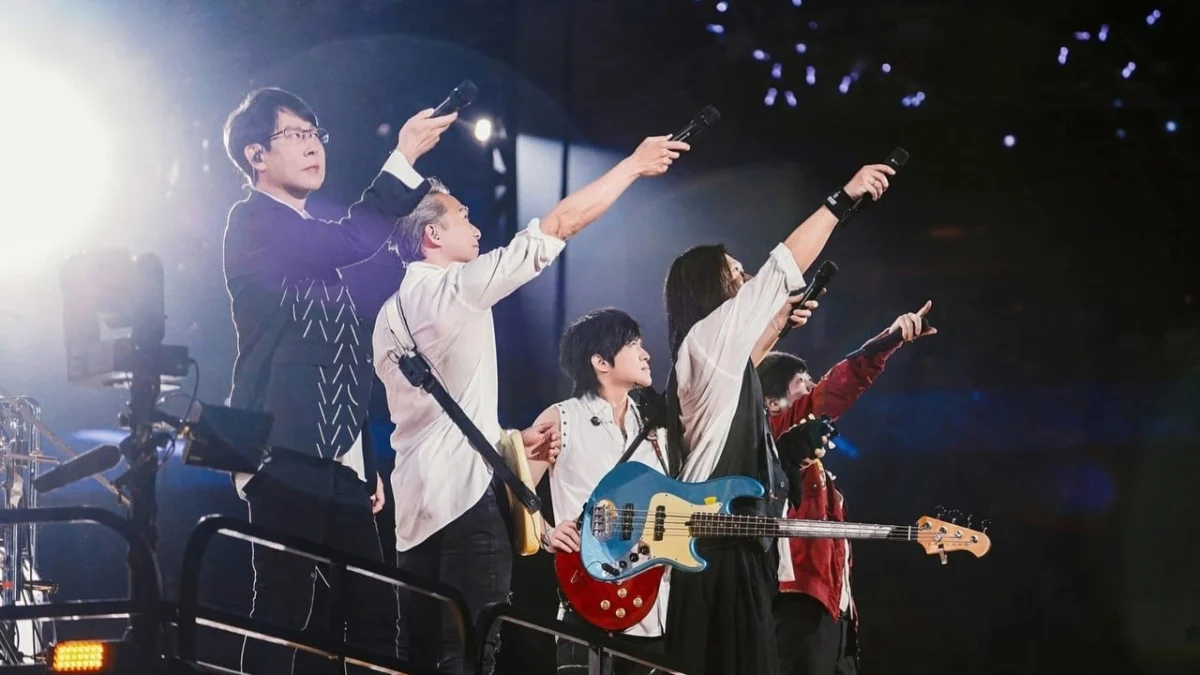
Hong Kong’s consumer watchdog has been inundated with over 160 complaints following the unexpected cancellation and rescheduling of one of Taiwanese rock band Mayday’s highly anticipated concerts at the newly opened Kai Tak Sports Park. The move has ignited significant frustration among dedicated fans, many of whom had made extensive travel plans and financial commitments to attend the event. The Consumer Council has now publicly urged the concert organiser to provide swift and transparent resolutions for affected ticket holders, highlighting the urgency of the situation and the financial implications for consumers.
Escalating Consumer Concerns Amidst Rescheduling Chaos
Alaina Shum Jiu-fai, Chief Executive of the Hong Kong Consumer Council, revealed the growing scale of the issue during a radio interview on Thursday morning. As of 8 am, the council had logged a substantial 71 complaints from Hong Kong residents. However, the majority of the complaints, numbering over 90, originated from outside the city, with a significant concentration from mainland China. This indicates a widespread impact that transcends local boundaries, affecting international fans who had planned trips specifically for the concert.
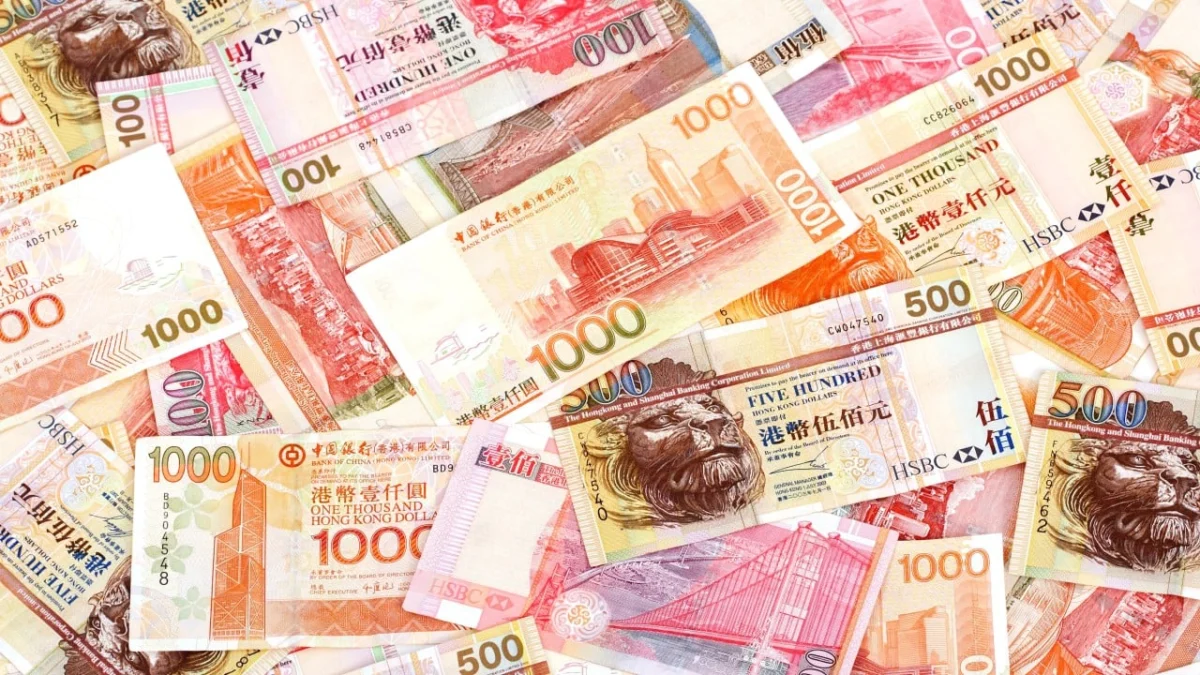
The total value of claims lodged with the Consumer Council has reached a considerable HK$447,193 (approximately US$57,140). This figure underscores the financial burden placed upon consumers due to the cancellation. Breaking down the claims further, the largest single claim from a non-Hong Kong resident amounted to HK$8,000, while the most substantial claim from a local resident was HK$7,900. These figures represent not just the cost of tickets but potentially encompass other associated expenses.
Shum expressed the challenges the council has faced in engaging with the event’s organiser, stating, "We tried very hard and finally managed to reach the organiser last night. It took us days." This delay in communication has undoubtedly exacerbated consumer anxiety and the logistical difficulties in resolving the issue. The primary focus of the Consumer Council’s intervention is to ensure a clear and accessible refund process. "Our primary concern is their arrangement for refunds – the channels, the timeline, and whether personal details are required to ensure privacy is protected," Shum elaborated. The council’s emphasis on these aspects points to potential concerns about the organiser’s preparedness and transparency in handling a mass refund situation.
Furthermore, the council is advocating for improved communication channels with the organiser. "We also hope [the organiser] can be easily contacted by the council so we can notify them regarding complaints, which could enable us to help consumers obtain a response as swiftly as possible," Shum added. This call for a more direct and responsive line of communication highlights the need for proactive engagement to mitigate further consumer dissatisfaction.
The Multifaceted Impact on Concert-Goers
The complaints lodged with the Consumer Council extend beyond the mere refund of ticket prices. A significant point of contention is the perceived lack of adequate arrangements for ticket holders who wished to attend the rescheduled performance. Many fans expressed frustration over the absence of priority booking or ticket exchange options for the new concert dates. This suggests that fans who secured tickets for the original date may face the same challenges in obtaining tickets for the rescheduled event, potentially at higher prices or with even more competition.
Moreover, a substantial number of complaints relate to the uncompensated expenses incurred by fans who had already made travel and accommodation arrangements. For those travelling from mainland China and other international locations, this includes non-refundable flights, hotel bookings, and potentially other pre-paid activities. The cancellation without provision for these consequential losses has amplified the financial distress and disappointment experienced by many. The lack of compensation for these ancillary costs is a key grievance, as it leaves consumers bearing the brunt of unforeseen circumstances.
Background: Mayday’s Highly Anticipated Hong Kong Debut
Mayday, a band with a fervent and enduring fanbase across Asia, was set to perform a series of concerts at the state-of-the-art Kai Tak Sports Park, marking a significant event for the Hong Kong music scene. The venue, a prominent new addition to the city’s entertainment infrastructure, was expected to host a grand spectacle, drawing crowds from both Hong Kong and neighbouring regions. The band’s reputation for energetic live performances and their extensive discography have cultivated a loyal following, making these concerts highly sought after.
The initial announcement of the concert dates generated immense excitement, with tickets reportedly selling out rapidly. Fans had invested considerable time and resources in securing their attendance, underscoring the scale of anticipation surrounding the event. The rescheduling, therefore, represented not just an inconvenience but a disruption to carefully laid plans for thousands of individuals.
Chronology of Events (Inferred and Reported)
While a precise timeline of the organiser’s decision-making process remains unclear, the events leading to the current situation can be pieced together:
- Pre-Announcement: Mayday’s concerts at Kai Tak Sports Park were announced, generating significant public interest and ticket sales. Fans began making travel and accommodation arrangements.
- Cancellation Announcement: A date for one of the concerts was announced as cancelled and rescheduled. The exact reasons for this initial cancellation are not explicitly detailed in the provided information but are implied to be logistical or operational.
- Fan Dissatisfaction Emerges: News of the cancellation and rescheduling began to circulate, leading to widespread frustration among fans who had secured tickets and made plans.
- Consumer Council Engagement: Fans began lodging complaints with the Consumer Council.
- Council Attempts Contact: The Consumer Council initiated efforts to contact the concert organiser to understand the situation and advocate for consumers.
- Limited Organiser Response: The Consumer Council reported finally reaching the organiser "last night" (referring to the evening before Thursday’s radio interview), indicating a delay in communication.
- Public Disclosure of Complaints: Alaina Shum Jiu-fai publicly disclosed the number of complaints and the total value of claims received by the Consumer Council on Thursday morning.
This timeline highlights a period of growing concern for consumers, marked by a perceived lack of proactive communication from the organiser.
Supporting Data and Financial Stakes
The figures released by the Consumer Council provide a stark quantitative overview of the impact:
- Total Complaints: Over 160 (71 from Hong Kong, over 90 from outside Hong Kong).
- Total Value of Claims: HK$447,193 (US$57,140).
- Largest Non-Hong Kong Claim: HK$8,000.
- Largest Hong Kong Claim: HK$7,900.
These figures represent a significant financial outlay by consumers, many of whom are now seeking redress. The disparity between local and non-local claims in terms of the largest individual amounts could be attributed to varying costs of travel and accommodation in Hong Kong compared to other regions. The sheer volume of complaints, particularly from mainland China, suggests a coordinated effort by fans in that region to seek recourse.
Official Responses and Consumer Advocacy
The Consumer Council, acting as the primary advocate for affected consumers, has outlined its immediate priorities. The organisation’s focus on the refund process – including the methods, timelines, and data privacy considerations – reflects a commitment to ensuring that consumers are not further disadvantaged. The council’s intervention aims to:
- Facilitate Transparent Refunds: Ensure that the organiser provides clear and accessible channels for ticket refunds.
- Establish Realistic Timelines: Push for prompt processing of refunds to alleviate financial strain on consumers.
- Protect Consumer Privacy: Verify that the collection and handling of personal data for refund purposes adhere to privacy regulations.
- Address Ancillary Expenses: While the initial focus is on ticket refunds, the council’s acknowledgement of complaints regarding transport and accommodation suggests an awareness of the broader financial implications for fans.
- Improve Communication: Advocate for direct and responsive communication between the organiser and the council to expedite the resolution of consumer issues.
The council’s proactive stance is crucial in navigating this situation, particularly given the potential for further complications if the organiser’s response remains inadequate.
Broader Implications and Future Considerations
The Mayday concert incident raises several broader implications for the Hong Kong event industry and consumer protection:
- Organiser Accountability: The situation underscores the critical importance of event organisers demonstrating robust contingency planning and transparent communication protocols. The delay in organiser response has been a key factor in escalating consumer frustration.
- Consumer Rights in Event Cancellations: This event highlights the need for clearer contractual terms and consumer rights when purchasing tickets for events that may be subject to cancellation or rescheduling. Consumers may need to be more aware of the terms and conditions of ticket sales, especially regarding consequential losses.
- Impact on Hong Kong’s Event Tourism: Hong Kong aims to position itself as a vibrant hub for international events. Such disruptions, if not handled effectively, can tarnish its reputation and deter future event tourism. The negative sentiment generated by this incident could influence potential visitors’ decisions to attend future events in the city.
- Role of Consumer Watchdogs: The Consumer Council’s role is vital in mediating disputes and ensuring fair practices. The volume of complaints received demonstrates the effectiveness of such bodies in aggregating consumer grievances and exerting pressure on businesses.
- Technological Solutions for Event Management: In an era of advanced technology, the expectation is for seamless event management, including swift communication and efficient refund processes. The challenges encountered by both consumers and the Consumer Council in reaching the organiser suggest potential shortcomings in their operational systems.
The resolution of this matter will likely set a precedent for how similar situations are handled in the future. The Consumer Council’s continued engagement and the organiser’s ultimate response will be closely watched by fans, industry stakeholders, and consumer advocacy groups alike. The focus remains on ensuring that affected consumers receive fair treatment and that lessons are learned to prevent such widespread dissatisfaction in future large-scale events hosted in Hong Kong.

Related Posts
The Sino-Indian Relationship: Poised to Redefine Global Geopolitics in the Latter Half of the 21st Century
Sunshine 100 China Holdings Vows to Fight Winding-Up Petition Amid Deepening Property Sector Crisis