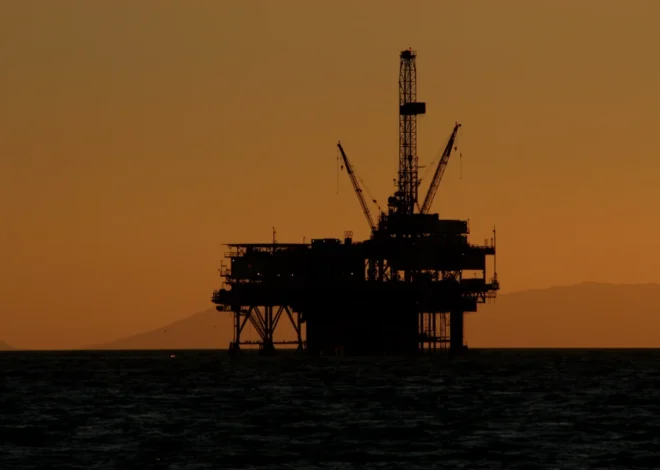
Iran war effect on oil and gas prices shows renewables are the path to energy security
The escalating military conflict involving Iran has triggered a seismic shift in global energy markets, driving oil and gas prices to levels not seen in years and forcing a radical reassessment of national security strategies. As the volatility of fossil fuel markets reaches a breaking point in March 2026, energy analysts and a growing coalition of international politicians are asserting that the crisis provides the ultimate proof that the only viable path to true energy independence lies in a rapid transition to renewable energy. The disruption of maritime trade routes in the Persian Gulf and the subsequent spike in energy costs have exposed the structural vulnerabilities of economies still tethered to the global hydrocarbon supply chain, prompting a frantic search for domestic, weather-dependent, and nuclear alternatives.

The Immediate Economic Shock and Market Volatility
Since the outbreak of hostilities in early 2026, the global energy landscape has been characterized by extreme price fluctuations and supply uncertainty. The Strait of Hormuz, a critical chokepoint through which approximately one-fifth of the world’s total oil consumption and a significant portion of its liquefied natural gas (LNG) passes, has become a zone of high risk. Consequently, Brent Crude prices have surged past the $140 per barrel mark, while natural gas futures in Europe and Asia have seen triple-digit percentage increases.
Energy analysts note that this is not merely a supply shortage but a "risk premium" driven by the geopolitical fragility of the Middle East. For many importing nations, the cost of heating homes and powering industries has become a matter of immediate fiscal crisis. This economic pressure is fueling a political movement that frames the climate transition not just as an environmental necessity, but as a core pillar of national defense. Proponents argue that while wind, solar, and geothermal power are subject to the whims of nature, they are immune to the blockades, sanctions, and naval skirmishes that define the fossil fuel era.

Chronology of the 2026 Energy Crisis
The current crisis began to take shape in late 2025, as diplomatic efforts to revive regional stability faltered. By January 2026, the first reports of disruptions to tanker traffic emerged, causing an immediate 15% jump in global oil prices.
- January 15, 2026: Initial maritime skirmishes lead to a spike in insurance premiums for tankers operating in the Gulf of Oman.
- February 2, 2026: Major oil producers announce force majeure on several contracts due to the inability to guarantee safe passage through the Strait of Hormuz.
- February 20, 2026: The price of Brent Crude hits $130, prompting several European nations to activate emergency energy protocols.
- March 4, 2026: Energy analysts release a joint report stating that the "era of cheap fossil fuel security is officially over," calling for a wartime-footing mobilization for renewable infrastructure.
- March 10, 2026: A new summit in Colombia is announced, aimed at reviving stalled UN talks on a global fossil fuel transition, specifically citing the Iran conflict as the primary catalyst.
This timeline illustrates how quickly the global economy can be destabilized by a localized conflict when it remains dependent on concentrated geographical sources of energy.

The Data: Fossil Fuel Vulnerability vs. Renewable Resilience
Supporting data from the International Energy Agency (IEA) and various financial institutions highlight the stark difference in the stability of energy sources. According to recent reports, the "levelized cost of energy" (LCOE) for new solar and wind projects has remained relatively stable throughout the conflict, as the primary costs are capital-intensive (upfront construction) rather than operational (fuel costs). In contrast, the operational cost of gas-fired power plants has increased by over 300% in certain regions since the conflict began.
Furthermore, data from the European Union shows that countries with higher percentages of renewables in their grid mix—such as Denmark and Portugal—have experienced significantly lower levels of electricity price inflation compared to nations like Italy or Germany, which still rely heavily on imported gas. The "energy security premium" now being paid by fossil fuel-dependent nations is estimated to be costing the global economy upwards of $15 billion per day in lost productivity and increased subsidy requirements.

Official Responses and Political Realignment
The political reaction to the price spikes has been swift, though divided. In Brussels, the European Commission has doubled down on its "Green Sovereignty" initiative, with officials stating that "every wind turbine installed is a blow against the leverage of autocratic regimes." In the United States, the debate has shifted toward the "Critical Minerals Club," a strategic trading bloc designed to secure the materials needed for batteries and turbines, thereby shifting the focus from oil fields to mineral mines.
However, the crisis has also highlighted the complexities of the transition. China, while maintaining its status as a global leader in renewable deployment, recently joined a pledge with Brazil to triple its nuclear energy capacity. This move, announced in mid-March 2026, suggests that "energy security" is being interpreted through a "diversification at all costs" lens. China’s ability to add more nuclear capacity in the last 15 years than the rest of the world combined has placed it in a unique position to weather the current oil shock.

In the Global South, the reactions are more desperate. Leaders in Kenya, currently facing a devastating drought exacerbated by high fuel costs for water transport, have called for immediate international investment in early-warning systems and off-grid solar. In Vanuatu, women-led initiatives are already demonstrating the power of off-grid solar to maintain community resilience when national grids—powered by imported diesel—fail due to prohibitive costs.
Broader Impact and Global Implications
The implications of the Iran war’s effect on energy extend far beyond the gas pump. The crisis is fundamentally altering the "Paris Agreement" landscape. A watchdog committee for the Paris Agreement is currently weighing action against over 60 countries, including India and Argentina, for failing to submit updated Nationally Determined Contributions (NDCs). The argument being made by these nations is that the high cost of energy has drained the fiscal reserves needed for climate investment.

Conversely, the "Colombia Summit" scheduled for later this month represents a new effort to decouple the fossil fuel transition from traditional UN climate talks, which many feel have become too slow. By framing the transition as a response to the Iran conflict, organizers hope to gain the support of defense ministries and treasury departments, rather than just environment ministries.
The conflict has also sparked a debate over "resource nationalism." Several African nations have recently implemented export bans on raw critical minerals, arguing that they must foster domestic processing to "cash in" on the green energy boom. Experts warn that while these bans are well-intentioned, without proper infrastructure, they could backfire, further tightening the global supply of the very materials needed to escape the fossil fuel trap.

Conclusion: The New Definition of Energy Security
As the world watches the smoke rise over the Persian Gulf, the definition of energy security is being rewritten in real-time. For the better part of a century, energy security meant the ability to protect shipping lanes and maintain friendly relations with oil-producing monarchs. In 2026, energy security is increasingly defined by the ability to manufacture semiconductors, refine lithium, and harness the wind and sun within one’s own borders.
The "Arctic Lady" LNG tanker, once a symbol of globalized energy cooperation, now sits as a reminder of the fragility of maritime logistics in an age of regional warfare. The consensus among analysts is that the current price shocks are not a temporary hurdle but a permanent signal that the fossil fuel system is no longer compatible with global stability. The path forward is clear, though difficult: a transition to a decentralized, renewable-heavy energy system that removes the "geopolitical trigger" from the global economy. Whether the world can build this new system fast enough to avoid the next conflict remains the defining question of the decade.

Related Posts
Climate Envoy and TotalEnergies Discuss Carbon Credit Framework to Accelerate LPG Cooking Across Africa

Climate Envoy and TotalEnergies Discuss Carbon Credits to Scale LPG Cookstoves Across Africa