Iran targets Gulf nations with missiles, drones as oil prices soar
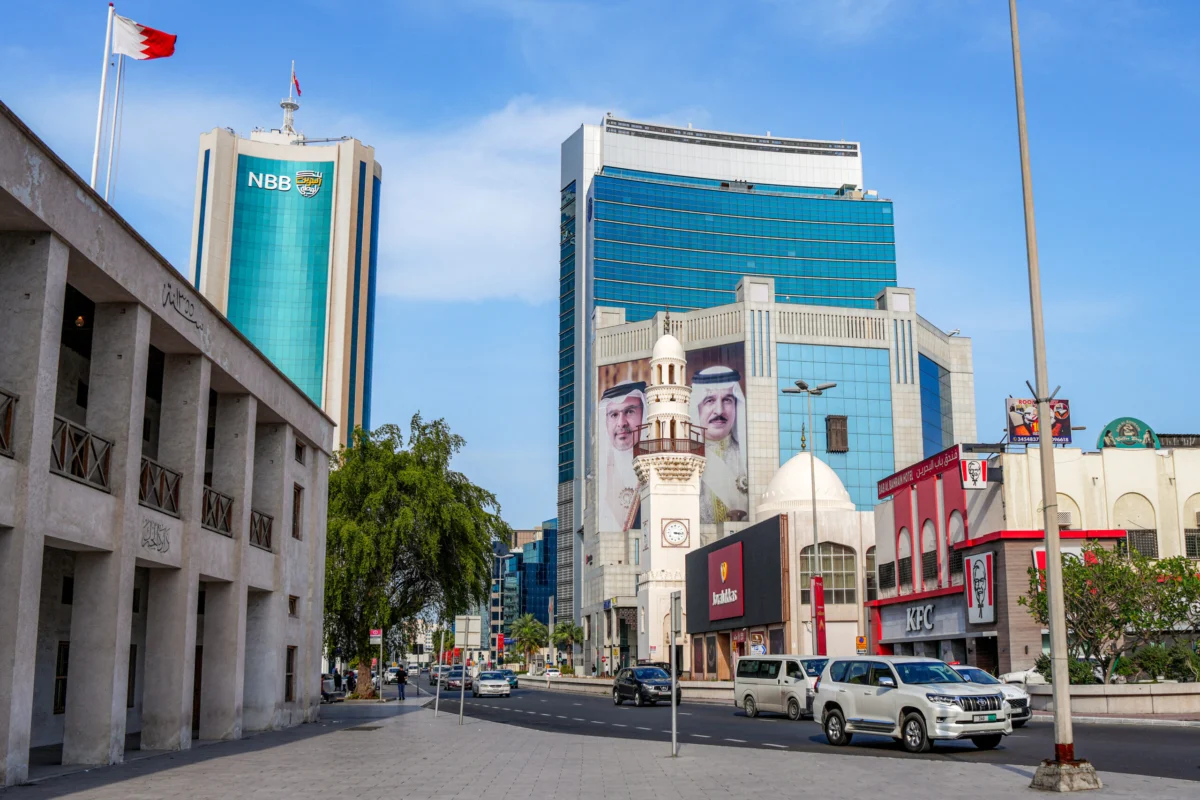
The Arabian Gulf region is experiencing a dramatic escalation in hostilities, with Bahrain issuing an urgent directive for residents to shelter indoors following an attack on its fuel tanks in the Muharraq Governorate. This incident marks a critical juncture in a new wave of drone and missile strikes that have swept across several Gulf countries on the 13th day of the United States-Israel war on Tehran. The widespread assaults have coincided with a significant surge in global oil prices, reflecting profound instability in a region vital to international energy markets.
Bahrain, a crucial host for the US Navy’s Fifth Fleet, has been a consistent target amidst the ongoing conflict. The Thursday morning attack prompted immediate public safety warnings, urging citizens to stay inside and close windows, underscoring the direct threat posed to civilian areas and critical infrastructure. The strategic importance of Bahrain, both as an energy hub and a key military staging ground for Western powers, amplifies the geopolitical ramifications of such strikes. This particular incident, striking fuel tanks, directly threatens energy supply chains and could have severe environmental and economic consequences if not contained swiftly.
Regional Targets and Defensive Responses
Beyond Bahrain, the wave of attacks has cast a wide net across the Arabian Peninsula, demonstrating an alarming reach and coordination. Saudi Arabia’s Ministry of Defence reported intercepting multiple drones targeting the Shaybah oilfield, a remote but vital facility in the eastern part of the kingdom, and the sensitive embassies district in its capital. On Wednesday alone, Saudi air defenses successfully neutralized seven drones heading towards the Shaybah oilfield, highlighting persistent attempts to disrupt the kingdom’s vast oil production capabilities. The Shaybah field, operated by Saudi Aramco, is one of the world’s largest crude oil production sites, capable of producing hundreds of thousands of barrels per day. Any successful attack on such an installation could send immediate shockwaves through global energy markets. Targeting diplomatic districts further signals an intent to destabilize political and international relations within the region.
Kuwait, Saudi Arabia’s eastern neighbor, also reported direct hits on its territory. Its Defence Ministry confirmed that a "hostile drone" struck a residential building, causing material damage and wounding two people. This incident highlights the indiscriminate nature of these attacks, posing a direct threat to civilian populations and underscoring the broadening scope of the conflict beyond military or industrial targets. The United Arab Emirates, another significant regional economic power, confirmed its air defense systems were actively responding to a missile threat, without immediately providing further details on the target or outcome. These defensive actions across multiple nations illustrate the intensity and scale of the aerial assaults.
Adding to the regional security concerns, the United Kingdom’s Maritime Trade Operations agency (UKMTO) issued an advisory regarding an attack on a container ship approximately 35 nautical miles (about 65km) north of Jebel Ali in the UAE. Jebel Ali is one of the world’s busiest ports and a crucial logistical hub for international trade. An attack on shipping in this vicinity not only endangers maritime commerce but also raises serious questions about the safety of international waters and the freedom of navigation in a critical global artery. Such incidents directly impact global supply chains and insurance premiums for shipping, exacerbating economic pressures already building from the broader conflict.
Further afield, sirens were reported ringing across all cities in Jordan, according to Al Jazeera Arabic colleagues. While details of any specific threat or incident in Jordan were not immediately available, the widespread activation of alert systems across a non-combatant neighboring nation underscores the pervasive sense of regional insecurity and the potential for spillover effects from the ongoing conflict.
The Context: US-Israel War on Iran and its Regional Ramifications
These escalating hostilities are framed by the original report as the 13th day of the "United States-Israel war on Tehran." This framing suggests a direct, active conflict involving these parties, extending beyond traditional proxy engagements. According to the source, this conflict has already resulted in approximately 2,000 fatalities and plunged global energy markets and transport networks into disarray. The specific nature and operational details of this "war" from the perspective of the original report involve Iran launching "a new wave of drone and missile attacks" on Gulf countries, suggesting a retaliatory or strategic offensive by Iran within this broader conflict. Iran’s actions, including the pledging that "not even a single litre of oil" would be exported from the Gulf to the US, Israel, and their partners as long as the war on Tehran continues, signal a clear intent to weaponize energy exports and disrupt global supply if its perceived security interests are threatened. This declaration underscores the high stakes involved and Iran’s willingness to use economic leverage as a strategic tool.
Economic Fallout and Global Energy Shock
The immediate economic consequence of this intensified regional conflict has been a sharp spike in global oil prices. Brent crude prices were hovering at approximately $100 a barrel as of 2:00 GMT on Thursday, representing an increase of more than 38 percent compared with prices before the start of the conflict. This dramatic rise reflects deep-seated market anxieties over supply disruptions from the Middle East, a region that accounts for a significant portion of the world’s oil production and exports. The conflict’s spread has prompted an international response, with plans for a record release of strategic oil reserves being considered to dampen what is emerging as one of the worst fuel shocks since the 1970s. The 1973 oil crisis, for instance, led to significant global economic recession, and parallels are being drawn to the potential impact of current events. Such a release, while offering temporary relief, also signifies the severity of the perceived threat to global energy security and the limited options available to mitigate sustained supply disruptions.
Iraq’s Critical Decision: Suspending Oil Port Operations
Further exacerbating the global energy crisis, Iraq, a major oil producer, has taken the drastic step of completely suspending all oil terminal operations. Farhan al-Fartousi, the head of Iraq’s General Company for Ports, announced this decision to the Iraqi News Agency, although commercial ports continue to function normally. This critical move follows direct attacks by explosive-laden boats on two crude oil tankers that had loaded at the Umm Qasr port in Iraq’s Basra province. Rescuers managed to recover one body and assisted 38 others in the aftermath of these maritime attacks, highlighting the human cost of the escalating conflict.
The suspension of Iraqi oil exports is particularly significant given its status as OPEC’s second-largest producer. Any prolonged disruption to its output and export capabilities would have substantial implications for global supply and prices. Moreover, the attacks on tankers at Umm Qasr are highly concerning for the safety of maritime trade and the security of oil transportation routes.
The Strait of Hormuz: A Chokepoint Under Threat
The escalating conflict has had a profound impact on the Strait of Hormuz, the narrow waterway through which a fifth of the world’s oil and gas passes. Traffic in this vital chokepoint has effectively ground to a halt. Iran’s explicit pledge that "not even a single litre of oil" would be exported from the Gulf to the US, Israel, and their partners as long as the war on Tehran continues, directly threatens the uninterrupted flow of global energy supplies. This declaration, coupled with the attacks on tankers and the general insecurity, underscores the strategic leverage Iran holds over this critical maritime passage. A sustained closure or severe disruption of the Strait of Hormuz would precipitate a global energy crisis of unprecedented scale, impacting economies worldwide.
Chronology of Escalation (Past 24-48 Hours)
- Wednesday:
- Saudi Arabia’s Ministry of Defence reports intercepting seven drones targeting the Shaybah oilfield.
- Explosive-laden boats attack two crude oil tankers at Iraq’s Umm Qasr port, leading to one fatality and 38 rescued.
- Thursday Morning (GMT):
- Bahrain reports strikes on fuel tanks in Muharraq Governorate, prompting a public safety directive for residents to shelter indoors.
- Saudi Arabia’s Ministry of Defence confirms interceptions of drones headed towards the Shaybah oilfield and the embassies district.
- Kuwait reports a "hostile drone" hitting a residential building, causing two injuries and material damage.
- The United Arab Emirates states its air defense is responding to a missile threat.
- UKMTO reports an attack on a container ship approximately 35 nautical miles north of Jebel Ali, UAE.
- Sirens ring in all cities of Jordan.
- Iraq’s General Company for Ports announces the complete suspension of all oil terminal operations.
- Brent crude prices rise to around $100 a barrel, up over 38 percent since the start of the conflict.
Broader Impact and Implications
The current wave of attacks and the subsequent responses carry significant geopolitical, economic, and security implications:
Geopolitical Instability: The direct targeting of critical infrastructure and civilian areas in multiple Gulf states signals a dangerous escalation of the regional conflict. The framing of a "US-Israel war on Tehran" suggests a high-stakes confrontation that could draw in more regional and international actors. The attacks demonstrate an intent to project power and inflict economic pain, potentially aiming to alter the strategic calculus of opposing forces. The involvement of various actors and the use of asymmetric warfare tactics like drones and explosive boats complicate de-escalation efforts and increase the risk of miscalculation. The lack of clarity on attribution for some attacks, though broadly framed as Iranian-launched, further muddies the diplomatic waters.
Global Energy Security Crisis: The attacks on oil infrastructure in Bahrain and Saudi Arabia, coupled with the complete suspension of Iraq’s oil port operations and threats to the Strait of Hormuz, directly imperil global energy supplies. The sustained disruption of oil and gas flows from the Gulf, a region that collectively produces over 20 million barrels of oil per day, would have catastrophic consequences for the global economy. It would drive energy prices to unprecedented levels, fuel inflation, and potentially trigger a global recession. The announced plans for strategic oil reserve releases underscore the immediate and severe nature of this threat, but such measures offer only temporary relief against a prolonged supply shock.
Maritime Security and Global Trade: The attack on a container ship near Jebel Ali and the overall threat to navigation in the Strait of Hormuz highlight the severe risk to global maritime trade. Shipping companies will face heightened insurance premiums, rerouting decisions, and increased operational costs, all of which will inevitably be passed on to consumers. The disruption of key shipping lanes affects supply chains worldwide, impacting everything from consumer goods to industrial components. The international community, particularly major trading nations, has a vested interest in ensuring the safety and freedom of navigation in these critical waterways.
Humanitarian Concerns: While the immediate focus is on infrastructure and economic impact, the attacks on residential areas in Kuwait and the reported fatalities in Iraq underscore the humanitarian cost of the conflict. The risk to civilian lives, potential displacement, and the disruption of essential services could escalate if the conflict intensifies further. Jordan’s sirens indicate the pervasive fear and readiness for potential threats across the broader region, affecting millions of people.
Defensive Capabilities and Regional Preparedness: The reports of successful interceptions by Saudi and UAE air defenses highlight the significant investments these nations have made in missile and drone defense systems. However, the sheer volume and widespread nature of the attacks test these capabilities, demonstrating the evolving threat landscape in modern warfare. The proliferation of affordable drone technology makes it increasingly challenging to protect vast areas of critical infrastructure and urban centers.
In conclusion, the recent surge in drone and missile attacks across the Gulf region represents a perilous escalation of an already volatile situation. With critical oil infrastructure, shipping, and even civilian areas targeted, the conflict’s ripple effects are poised to challenge global energy markets, international trade, and regional stability for the foreseeable future. The international community watches closely, hoping for de-escalation while bracing for potential further disruptions.

Related Posts
Four Airmen Confirmed Dead and Two Missing Following KC-135 Stratotanker Crash During Combat Operations in Western Iraq
NATO Bolsters Turkish Air Defenses with Patriot Deployment in Malatya Following Iranian Missile Strikes