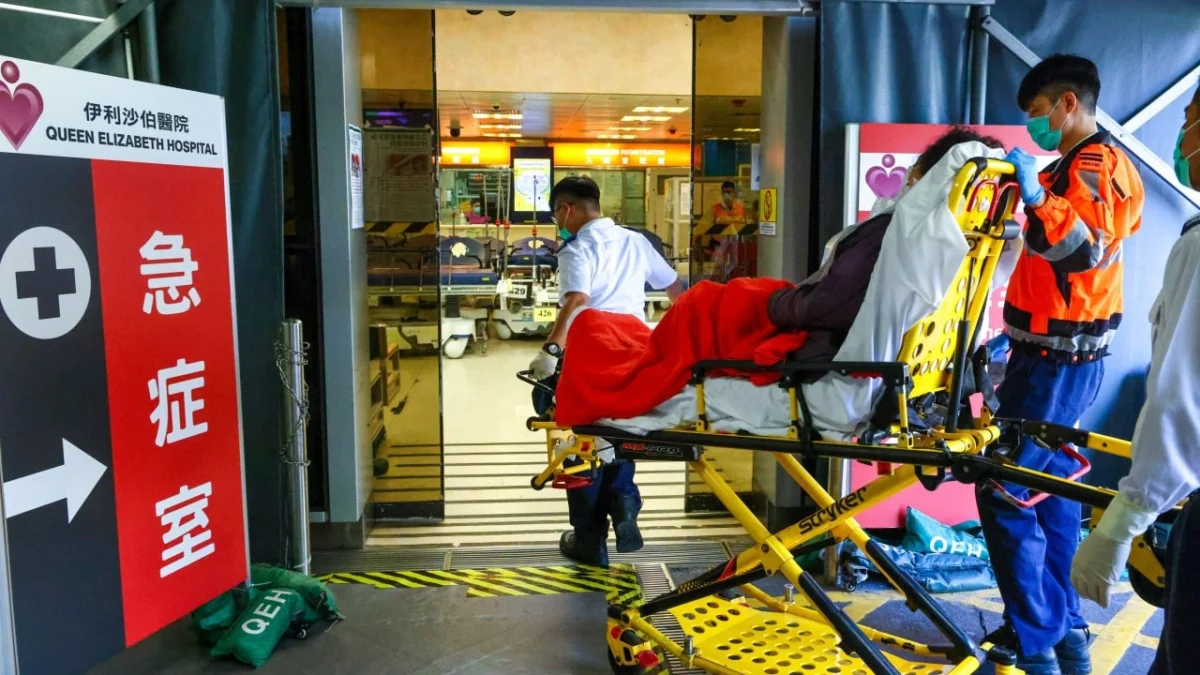
Hong Kong to Expand Life-Saving Stroke Patient Diversion Program Across City
Hong Kong authorities are set to significantly broaden a critical pilot programme aimed at drastically reducing the time it takes to transfer stroke patients to hospitals equipped to handle complex neurological emergencies. The initiative, which has shown promise in its initial phase, is designed to save precious minutes in the crucial "golden hour" for stroke victims, potentially improving outcomes and reducing long-term disability. The Hospital Authority announced on Wednesday that the diversion programme, initially launched in December in the New Territories, will be gradually rolled out citywide once sufficient data has been gathered to confirm its efficacy and operational feasibility.
The Challenge of Stroke Care in Hong Kong
Stroke, a medical condition in which blood supply to the brain is interrupted or reduced, depriving brain tissue of oxygen and nutrients, is a leading cause of death and disability globally. In Hong Kong, timely and specialized treatment is paramount. Historically, the established protocol for emergency medical services involved transporting patients experiencing suspected stroke symptoms to the nearest public hospital with an accident and emergency (A&E) department. While this approach ensured prompt initial assessment, it often led to significant delays for patients requiring specialized care for serious stroke cases.
A significant hurdle in the previous system was the limited number of public hospitals equipped with the necessary advanced diagnostic and surgical facilities to manage acute stroke conditions, such as thrombectomy or advanced imaging capabilities. Out of the 18 public hospitals in Hong Kong boasting A&E departments, only seven possess the specialized infrastructure and trained personnel to effectively treat major stroke cases. This disparity meant that a substantial proportion of stroke patients, after their initial examination at a closer, less-equipped facility, would require secondary transfers to one of these seven designated stroke centres. These inter-hospital transfers, often involving further examinations and administrative procedures, could add an average of 80 minutes to the overall treatment timeline. This delay is critically important, as medical research consistently shows that the sooner a stroke is treated, the better the chances of recovery and the lower the risk of permanent brain damage.
The Genesis and Evolution of the Diversion Programme
The recognition of this critical time deficit prompted the development of the pilot diversion programme. Launched in December 2025, the initiative represents a strategic shift in emergency medical response for stroke patients. Instead of defaulting to the nearest A&E, paramedics are now empowered, based on their clinical assessment, to directly transport patients exhibiting signs of a potentially severe stroke to one of the seven specialized stroke centres, regardless of its geographical proximity.
The seven designated stroke centres are:
- Tuen Mun Hospital
- Prince of Wales Hospital
- Princess Margaret Hospital
- Queen Elizabeth Hospital
- Kwong Wah Hospital
- Queen Mary Hospital
- Pamela Youde Nethersole Eastern Hospital
By bypassing initial assessments at non-specialized hospitals and avoiding subsequent transfers, the programme aims to streamline the patient pathway from the onset of symptoms to definitive treatment. This direct-to-specialized-care approach is expected to significantly reduce the critical time lost in transit and repeated evaluations, thereby increasing the likelihood of successful intervention.
Data-Driven Expansion and Future Outlook
The Hospital Authority’s decision to expand the programme is contingent upon the thorough analysis of data collected during the New Territories pilot. This data is crucial for evaluating the programme’s impact on key performance indicators such as door-to-needle times (for thrombolytic therapy) and door-to-intervention times (for thrombectomy), as well as overall patient outcomes and resource utilization.
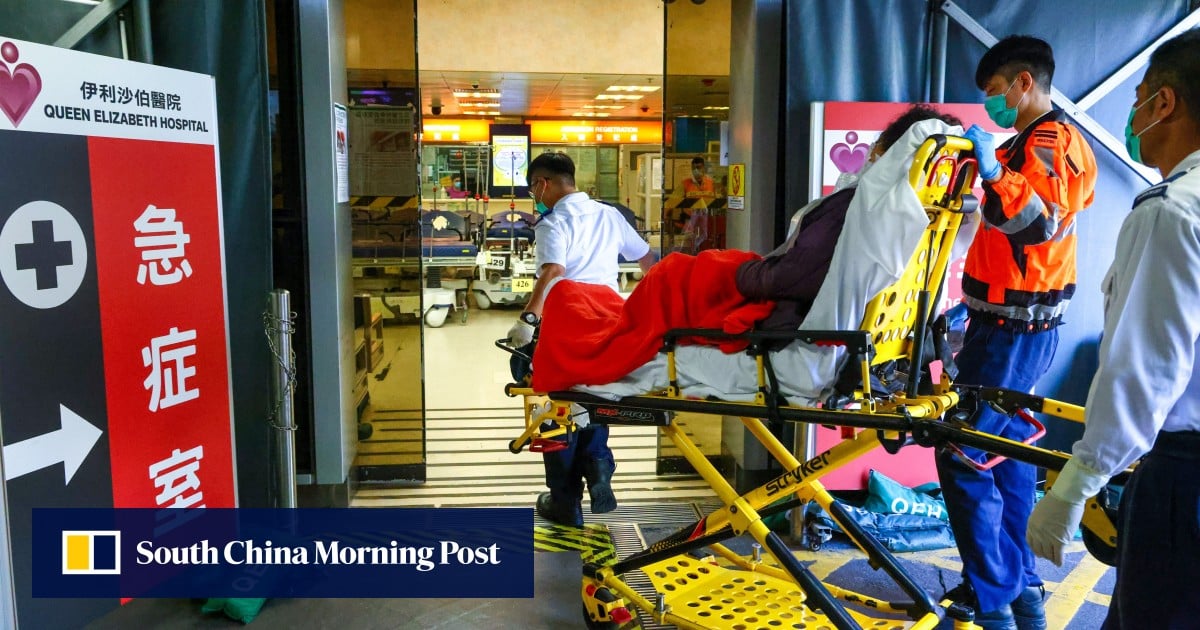
"We are encouraged by the initial results of the pilot scheme," stated a spokesperson for the Hospital Authority, who preferred to remain anonymous as per protocol. "Our primary objective is to ensure that every stroke patient in Hong Kong receives the fastest and most effective care possible. By centralizing the treatment of severe stroke cases in specialized centres and optimizing the pre-hospital and inter-facility transfer protocols, we are confident that we can make a tangible difference in the lives of these patients."
The expansion to the entire city will involve a phased approach, ensuring that all logistical challenges are addressed and that the designated stroke centres are adequately resourced to manage the anticipated increase in patient volume. This meticulous planning is indicative of the authorities’ commitment to a sustainable and effective implementation of the new protocol.
Analysis of Implications and Broader Impact
The expansion of this stroke patient diversion programme carries significant implications for Hong Kong’s healthcare system and, more importantly, for stroke survivors and their families.
Improved Patient Outcomes: The most immediate and profound impact will be on patient survival rates and the reduction of long-term disability. By shaving off critical minutes from the treatment timeline, more patients will be eligible for time-sensitive interventions like mechanical thrombectomy, which can remove blood clots from the brain. Studies, such as those published in the Journal of the American Medical Association (JAMA), have repeatedly demonstrated that faster treatment for ischemic stroke leads to significantly better functional recovery.
Enhanced Efficiency of Emergency Services: While initially it might seem counterintuitive to direct ambulances away from the nearest hospital, the overall efficiency of the emergency medical system is expected to improve. By reducing secondary transfers, resources at non-specialized A&E departments can be better allocated, and the specialized centres can operate more predictably and efficiently, leading to a more streamlined flow of critical patients.
Resource Allocation and Planning: The programme necessitates a clear understanding of the capacity and capabilities of each designated stroke centre. This will likely drive further investment in specialized equipment, staff training, and inter-departmental coordination within these hospitals. It also highlights the importance of ongoing public health initiatives to raise awareness about stroke symptoms and the importance of immediate emergency response.
Potential Challenges and Mitigation: The success of the citywide expansion will depend on several factors. Robust communication protocols between emergency medical services, dispatchers, and the designated stroke centres will be paramount. Ensuring that all paramedics are thoroughly trained in the latest stroke assessment protocols and diversion criteria is also essential. Furthermore, public awareness campaigns will need to be updated to reflect the new transfer policy, ensuring that citizens understand where they might be taken in a stroke emergency. The Hospital Authority will also need to closely monitor the workload and capacity of the seven centres to prevent overcrowding and ensure that quality of care is maintained.
A Look Back at the Chronology
- Pre-December 2025: Standard protocol for stroke patients involved transport to the nearest A&E department, often leading to secondary transfers to specialized stroke centres.
- December 2025: Pilot diversion programme launched in the New Territories, allowing paramedics to directly transport severe stroke patients to one of seven designated stroke centres.
- March 2026: Hospital Authority announces plans to expand the programme citywide based on preliminary data from the pilot.
- Future: Gradual citywide rollout following comprehensive data analysis and operational readiness assessment.
The initiative reflects Hong Kong’s ongoing commitment to leveraging technological advancements and strategic planning to improve its healthcare delivery system. By prioritizing speed and specialization in the treatment of acute stroke, the city is poised to make a significant leap forward in its capacity to save lives and reduce the devastating impact of this critical medical condition. The successful implementation of this expanded programme will undoubtedly serve as a model for other urban centres facing similar healthcare challenges.

Related Posts

The Sino-Indian Relationship: Poised to Redefine Global Geopolitics in the Latter Half of the 21st Century

Sunshine 100 China Holdings Vows to Fight Winding-Up Petition Amid Deepening Property Sector Crisis