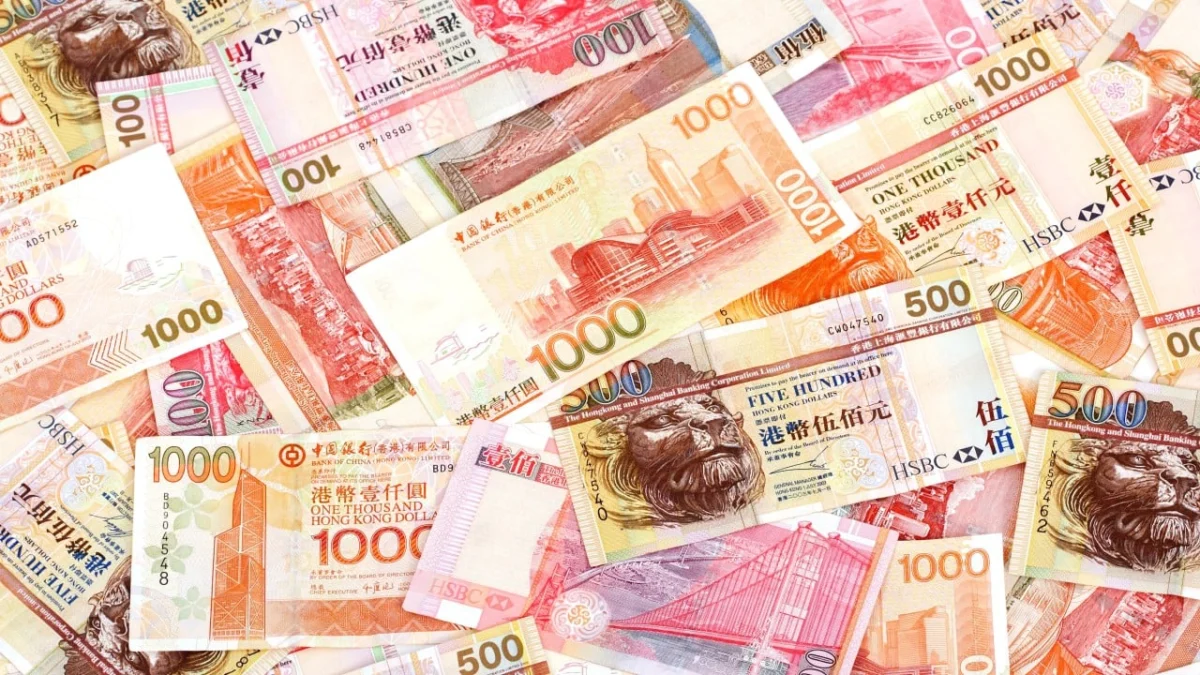
Hong Kong Poised to Grant First Stablecoin Licences to HSBC, Standard Chartered Amid Digital Asset Ambitions
Hong Kong is on the cusp of a significant regulatory milestone, with sources indicating that the first batch of stablecoin licences is likely to be granted within the next two weeks, potentially to banking giants HSBC and a joint venture spearheaded by Standard Chartered. This pivotal development signals a determined push by the city to solidify its position as a leading global hub for digital assets, while simultaneously implementing a robust regulatory framework for this rapidly evolving financial sector. While the exact number of licences and the final timetable remain fluid and subject to potential adjustments, the most anticipated date for these historic approvals is March 24, according to individuals privy to the ongoing discussions. Both HSBC and Standard Chartered have declined to offer official comments on the matter.
The Hong Kong Monetary Authority (HKMA) previously disclosed its intention to issue a select number of stablecoin licences this month, following a thorough evaluation of 36 submitted applications. The potential endorsement of established financial institutions like HSBC and Standard Chartered underscores Hong Kong’s commitment to a stringent and deliberate approach to stablecoin regulation, a key tenet since the city’s dedicated Stablecoin Ordinance officially came into effect in August of the previous year. This ordinance aims to mitigate the risks associated with the rapid movement of capital facilitated by blockchain technology, thereby safeguarding the stability of the financial system.
A Strategic Move in the Global Digital Asset Race
Hong Kong’s proactive stance on stablecoin regulation is intricately linked to its broader strategy of becoming a preeminent global centre for digital assets. The city is acutely aware of the growing importance of digital currencies and decentralized finance (DeFi) in the global financial landscape. By establishing clear and comprehensive rules, Hong Kong aims to attract innovation, investment, and talent, positioning itself as a trusted and regulated jurisdiction for digital asset activities.
This move also comes in the wake of significant regulatory shifts in mainland China. Just last month, China announced a tightening of its cryptocurrency crackdown, explicitly banning the onshore tokenization of real-world assets (RWAs). Furthermore, the mainland has intensified scrutiny of related offshore activities and has prohibited the issuance of yuan-pegged offshore stablecoins without explicit authorization. Hong Kong’s regulatory clarity and openness to licensed stablecoin operations can be seen as a strategic counterpoint, offering a regulated environment for digital asset innovation within a broader Chinese economic context.
Focus on Local Currency and Future Expansion
Industry insiders suggest that Hong Kong’s initial stablecoin licensing regime will likely prioritize stablecoins pegged to the local Hong Kong dollar. Standard Chartered has already publicly announced its intentions to launch a Hong Kong dollar-pegged stablecoin, aligning perfectly with this projected regulatory focus. This strategic alignment suggests a phased approach, allowing the HKMA to gain experience and build confidence in the regulated stablecoin market before potentially expanding to other currencies or more complex digital asset instruments.
The potential inclusion of HSBC, the largest bank in Hong Kong by assets, as a recipient of a stablecoin licence is particularly noteworthy. This comes as a surprise to some in the industry, given that HSBC did not participate in the HKMA-led stablecoin issuer sandbox, a preparatory program designed to test and refine regulatory frameworks. In contrast, Standard Chartered actively engaged in the sandbox, demonstrating a clear commitment to exploring and preparing for the regulated issuance of stablecoins. HSBC’s potential approval, despite its non-participation in the sandbox, could indicate a high level of confidence from the HKMA in the bank’s internal risk management and compliance capabilities, or a strategic decision to grant licences to established players who meet stringent criteria.
The Stablecoin Ordinance: A Framework for Trust and Innovation
The Stablecoin Ordinance, which underpins Hong Kong’s current regulatory push, establishes a comprehensive framework designed to ensure the safety, integrity, and stability of the digital asset ecosystem. Key provisions of the ordinance are understood to include:
- Issuer Requirements: Strict criteria for entities seeking to issue stablecoins, including robust capital adequacy requirements, governance structures, and operational resilience.
- Redemption Guarantees: Mandates that stablecoin issuers must provide clear and reliable redemption mechanisms, ensuring that holders can convert their stablecoins back into fiat currency at par value.
- Reserve Management: Requirements for issuers to maintain high-quality reserves to back their stablecoins, with regular audits and transparency obligations.
- Anti-Money Laundering (AML) and Counter-Terrorist Financing (CTF): Stringent measures to prevent the use of stablecoins for illicit activities, aligning with global financial crime prevention standards.
- Consumer Protection: Provisions aimed at protecting investors and users of stablecoins from fraud and market manipulation.
The ordinance’s emphasis on these areas is crucial for building public trust and encouraging wider adoption of stablecoins for legitimate financial purposes. By creating a regulated environment, Hong Kong aims to differentiate itself from jurisdictions with less developed or more permissive regulatory approaches, thereby attracting institutional investors and businesses seeking certainty and compliance.
Chronology of Hong Kong’s Stablecoin Journey
Hong Kong’s journey towards regulating stablecoins has been a deliberate and multi-stage process, reflecting the evolving nature of digital finance and the need for careful consideration of potential risks and opportunities.
- Early 2023: The HKMA begins exploring the regulatory landscape for stablecoins, engaging in consultations with industry stakeholders and international regulatory bodies. This period is characterized by research and the identification of key policy objectives.
- Mid-2023: The HKMA releases consultation papers outlining its proposed regulatory framework for stablecoins, inviting public feedback and further dialogue. This marks a critical step in shaping the eventual legislation.
- August 2023: The Stablecoin Ordinance is enacted, officially bringing stablecoins under a comprehensive regulatory regime. This legislation sets the stage for licence applications and the establishment of operational guidelines.
- Late 2023 – Early 2024: The HKMA opens the application window for stablecoin licences, inviting interested parties to submit proposals that demonstrate compliance with the ordinance’s requirements. This period sees a significant number of applications, including those from major financial institutions.
- March 2024 (Projected): The HKMA is expected to announce the first cohort of licensed stablecoin issuers, a landmark moment that signifies the operationalization of Hong Kong’s regulatory framework and its ambition to lead in the digital asset space.
Broader Implications and Future Outlook
The granting of these first stablecoin licences will have far-reaching implications for Hong Kong’s financial ecosystem and its global standing.
- Enhanced Financial Innovation: Licensed stablecoin issuers can pave the way for innovative financial products and services, such as tokenized securities, cross-border payments, and decentralized finance applications that are compliant with local regulations.
- Increased Investor Confidence: The presence of regulated entities like HSBC and Standard Chartered will likely boost investor confidence in the stablecoin market, attracting more institutional capital and retail participation.
- Strengthened Competitiveness: By providing a clear regulatory path, Hong Kong can solidify its position as a competitive hub for digital assets, attracting businesses and talent from other jurisdictions.
- Potential for Cross-Border Integration: As more jurisdictions develop their stablecoin regulations, Hong Kong’s licensed issuers could play a crucial role in facilitating cross-border digital asset transactions and interoperability.
However, challenges remain. The long-term success of Hong Kong’s stablecoin initiative will depend on the HKMA’s ability to adapt its regulatory framework as the digital asset landscape continues to evolve rapidly. Ongoing vigilance against emerging risks, such as technological vulnerabilities, cyber threats, and potential market disruptions, will be paramount. Furthermore, the global regulatory landscape for stablecoins is still fragmented, and international cooperation will be essential to foster a truly stable and integrated digital asset economy.
The anticipated approvals for HSBC and Standard Chartered are not merely a regulatory event; they represent a strategic commitment by Hong Kong to embrace the future of finance. By balancing innovation with robust regulation, the city aims to unlock the potential of digital assets while safeguarding its financial stability, charting a course towards becoming a preeminent global digital asset hub. The coming weeks are set to be a defining period, marking a new chapter in Hong Kong’s financial evolution.

Related Posts
The Sino-Indian Relationship: Poised to Redefine Global Geopolitics in the Latter Half of the 21st Century
Sunshine 100 China Holdings Vows to Fight Winding-Up Petition Amid Deepening Property Sector Crisis