Gauteng Provincial Legislature Receives R3.3 Billion Boost Over Medium-Term Expenditure Framework
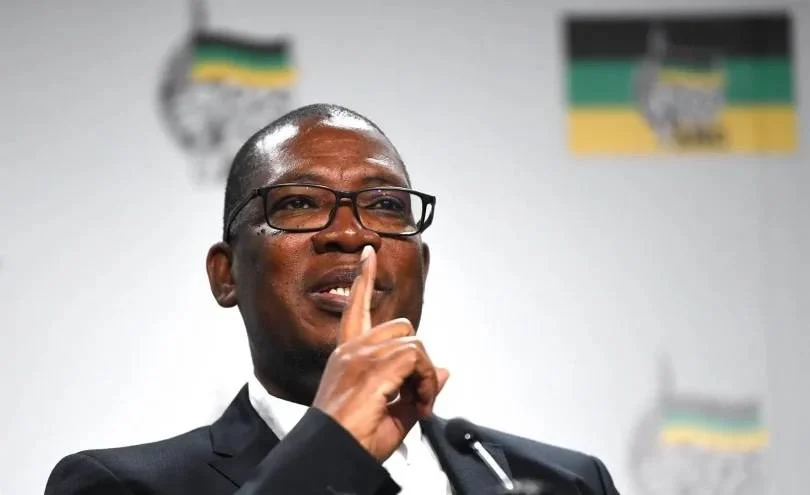
Gauteng Finance MEC Lebogang Maile has unveiled a substantial budgetary allocation for the province, earmarking R179 billion for the upcoming fiscal period, a notable increase of R3.6 billion from the previous year’s allocation. A significant portion of this budget, R1.4 billion for the 2026/2027 financial year, is designated for the Gauteng provincial legislature, escalating to R3.3 billion over the medium-term expenditure framework (MTEF). This funding infusion is poised to bolster the legislature’s capacity for lawmaking, oversight, and public participation, with a portion specifically allocated to support political parties represented within its chambers. The office of Premier Panyaza Lesufi is set to receive R1.6 billion in 2026/2027, totalling R4.7 billion over the MTEF, to spearhead the implementation of the province’s ambitious 2024-2029 medium-term development plan.
Strategic Financial Planning for Provincial Growth and Service Delivery
MEC Maile, in his budget speech, underscored the imperative of "spending better," framing it not as a mere slogan but as a directive for enhanced fiscal responsibility and efficiency. The substantial allocation to the provincial legislature signals a commitment to strengthening democratic processes and accountability mechanisms. This funding is intended to equip the legislature with the necessary resources for effective legislative work, including support for committee operations, the filling of critical vacancies, and the acquisition of essential capital assets. Furthermore, the budget explicitly includes provisions for political party funding and constituency support, alongside resources dedicated to voter education, information and communication technology (ICT) infrastructure, and projects financed through retained income. This comprehensive approach aims to fortify the foundational pillars of provincial governance and ensure robust engagement with the electorate.
Economic Development and Job Creation: A Core Priority
The Gauteng Department of Economic Development is slated to receive R1.8 billion in the 2026/2027 financial year, with a projected increase to R4.9 billion over the MTEF. This investment is strategically directed towards fostering inclusive economic growth and generating employment opportunities through targeted development and investment promotion initiatives. The funding will bolster the operations of key entities such as the Gauteng Growth and Development Agency and the Gauteng Enterprise Propeller. A significant focus will be placed on the development of Special Economic Zones (SEZs), including the Vaal Special Economic Zone and the second phase of the Tshwane Automotive Special Economic Zone, which requires substantial bulk infrastructure investment. The revitalization of industrial parks and the establishment of township automotive hubs are also key priorities. In alignment with broader continental trade objectives, the allocation will support trade facilitation efforts under the African Continental Free Trade Area (AfCFTA), aiming to unlock new markets and stimulate cross-border commerce. This multifaceted approach to economic development reflects a commitment to diversifying the provincial economy and creating sustainable employment pathways for its residents.
Bolstering Public Health Services and Accessibility
The healthcare sector, a cornerstone of public service delivery, has been allocated a substantial R70.3 billion for 2026/2027, projected to rise to R218.6 billion over the MTEF. This significant investment aims to fortify the public health system, enhance access to quality healthcare services, and improve patient outcomes across the province. The funding will support a range of critical programmes, including maternal and child health initiatives, the ongoing implementation of the Ideal Clinic and Ideal Hospital programmes, and efforts to improve emergency medical response times. Furthermore, the budget allocates resources for the integration of mental health services at the community level, the advancement of digital health systems and electronic patient records, and intensified interventions against prevalent diseases such as HIV and Tuberculosis. This commitment to healthcare underscores the provincial government’s dedication to ensuring the well-being of its citizens.
Enhancing Educational Outcomes and School Safety
The Department of Education is set to receive R70.9 billion in 2026/2027, escalating to R221.8 billion over the MTEF. This substantial allocation is earmarked for improving learning outcomes from early childhood development (ECD) through to matriculation, while concurrently reinforcing safe and inclusive learning environments. The funding will support the provincial ECD strategy, learner performance enhancement programmes such as the secondary school improvement initiative, and critical school safety measures. Pro-poor interventions, including nutrition programmes and scholar transport, are also prioritized, alongside support for Schools of Specialisation and inclusive education through dedicated special schools. This comprehensive approach to education aims to equip young South Africans with the skills and knowledge necessary to thrive in an increasingly complex world.
Strengthening Social Development and Poverty Reduction
To address the pressing needs of vulnerable populations and combat poverty, the Department of Social Development has been allocated R5.6 billion for 2026/2027, with a projected increase to R17.2 billion over the MTEF. This funding will be channeled towards strengthening partnerships and implementing targeted social programmes. Key areas of focus include skills development for vulnerable groups, the provincial homelessness strategy, food security interventions, and the Bana Pele programmes. Resources will also be directed towards child and youth care centres, community prevention services, substance use disorder treatment, aftercare services, and the essential upgrades to state-owned facilities. This commitment to social development reflects a broader strategy to build a more equitable and supportive society.
Cooperative Governance and Municipal Support
The Department of Cooperative Governance and Traditional Affairs will receive R680.5 million in 2026/2027, growing to R1.9 billion over the MTEF. These resources are designated to enhance integrated planning, bolster municipal support, and strengthen coordination from the provincial government. Specific allocations will support disaster management capacity, community development worker programmes, the e-indigent register, municipal metering interventions, and the coordination of Integrated Development Plans (IDPs) in alignment with spatial development frameworks. Furthermore, the budget includes support for the Expanded Public Works Programme (EPWP) to foster employment creation and initiatives aimed at stabilizing energy supply, addressing critical infrastructure and service delivery challenges at the municipal level.
Human Settlements: Addressing Accommodation and Living Conditions
The Department of Human Settlements has been allocated R5.5 billion for 2026/2027, amounting to R16.6 billion over the MTEF. This significant investment aims to expand access to inclusive human settlement opportunities and improve living conditions for residents across the province. Key priorities include the upgrading of informal settlements, the provision of interim sanitation services, and the delivery of large-scale housing projects, including serviced stands. The department will accelerate land release processes, expedite the issuing of title deeds, and strengthen tenure security for residents. Asset maintenance, EPWP job creation, and the redevelopment of hostels to provide dignified accommodation are also central to the department’s mandate.
Integrated Transport Systems and Infrastructure Development
To foster an integrated, safe, and affordable transport system, the Department of Roads and Transport is set to receive R10.2 billion in 2026/2027, with a total of R27.8 billion allocated over the MTEF. This funding is intended to improve access to economic opportunities and stimulate economic growth. Investments will be directed towards transport infrastructure, strategic road upgrades and rehabilitation linked to SEZ access, and the provincial road maintenance programme. The EPWP will continue to play a role in job creation within this sector. Efforts to integrate public transport through a unified e-ticketing system and intermodal hubs, alongside bus service subsidies, will enhance mobility and connectivity across Gauteng.
Community Safety and Crime Prevention Initiatives
The Department of Community Safety has been allocated R2.3 billion in 2026/2027, rising to R7 billion over the MTEF. This budget is designed to enhance community safety and strengthen oversight mechanisms in policing, school safety, road safety, and the critical fight against gender-based violence and femicide (GBVF). The allocation supports comprehensive school safety programmes, performance monitoring of police stations through oversight visits, and the deployment of Gauteng traffic wardens with associated operational support, including air support. Initiatives for GBVF victim support and case tracking, alongside intensified road safety enforcement aimed at reducing fatalities, are also prioritized. Notably, R159.6 million is earmarked for the training and uniforms of traffic and peace officers, aligning with recommendations from the Public Protector South Africa.
Agricultural Development and Food Security
The Department of Agriculture and Rural Development will receive R742.6 million in 2026/2027, with a projected R2.2 billion over the MTEF. This funding aims to bolster food security and cultivate competitive agricultural value chains. Support will be provided for subsistence food production, the development and commercialization of smallholder farmers, and agro-processing initiatives. The department will also focus on value chain integration and economic growth through enhanced biosecurity, export promotion, and veterinary services. A targeted allocation of R63.9 million is specifically designated for containing foot-and-mouth disease through vaccination and surveillance efforts.
Enhancing Social Cohesion through Sport, Arts, and Culture
The Department of Sport, Arts, Culture, and Recreation is set to receive R1 billion in 2026/2027, with a total of R3.2 billion over the MTEF. This investment seeks to leverage sport, arts, and culture to foster social cohesion and expand participation and opportunities. The allocation supports school sport and arts programmes, community-led social cohesion initiatives and dialogues, and the Premier’s performing arts programme. Assistance will also be provided to municipalities for library services, promoting literacy, learning, and a sense of belonging within communities.
Modernizing Service Delivery through e-Government
To expand ICT connectivity and modernize service delivery, the Department of e-Government has been allocated R1.9 billion for 2026/2027 and R5.2 billion over the MTEF. This funding will support the Gauteng provincial network, the expansion of Wi-Fi hotspots in townships, and the installation of CCTV systems to enhance safety in these communities. A one-off injection of funds in 2026/2027 is designated to strengthen roll-out and delivery capacity for e-government services.
Fiscal Prudence and Debt Management
MEC Maile highlighted the significant fiscal pressures facing the province, noting that the social sector – encompassing health, education, and social development – collectively accounts for approximately 83% of the provincial budget over the MTEF. He emphasized the critical need for fiscal discipline in managing public resources, particularly those allocated to essential services. Maile also addressed the substantial debt burden associated with the Gauteng e-Toll system, stating that R9.3 billion has already been paid towards the principal debt of R20 billion. A further R4.6 billion is required for the next instalment in June 2026, with an additional R6.2 billion needed in the final two years of the 2026 MTEF. These significant debt obligations, he cautioned, will have a considerable impact on future planning and execution of provincial initiatives.
Infrastructure Development and Revitalization
The Department of Infrastructure Development has been allocated R3.7 billion for the 2026/2027 financial year, with a cumulative total of R10.9 billion projected over the MTEF. This funding is crucial for accelerating social infrastructure delivery, precinct development, and job creation. Investments will support provincial infrastructure delivery and maintenance, the revitalization of central business districts and precincts, and office consolidation. The EPWP and National Youth Service will provide work opportunities. The budget also includes support for catalytic projects, bulk infrastructure development, and the devolution of property rates to municipalities to ensure the continued operational capacity of schools, health facilities, and social development centres. Strategic lease management is also a key focus.
Environmental Protection and Climate Resilience
To safeguard natural assets and foster a more resilient Gauteng, the Department of Environment will receive R646.6 million in 2026/2027, increasing to R2 billion over the MTEF. This allocation will support upgrades to air quality monitoring systems, feasibility studies for an integrated waste management facility, and enhancements to recycling infrastructure and buy-back centres. Waste minimization regulations, a cleaning and greening plan that includes a one-million-tree programme with a food security focus, and climate change action and awareness programmes are also prioritized. Targeted biodiversity protection and maintenance efforts will further contribute to environmental sustainability.
The comprehensive budgetary allocations outlined by MEC Maile reflect a strategic vision for Gauteng’s development, balancing the immediate needs of its citizens with long-term investments in economic growth, social well-being, and environmental sustainability. The emphasis on efficient spending and fiscal responsibility, particularly in light of significant debt obligations, will be crucial in realizing these ambitious provincial goals.

Related Posts

Lagos State Government Issues Urgent Flood Warning as 2026 Rainy Season Forecast Projects Intense Precipitation
Mediterranean Shipping Company signs 45-year agreement with Nigerdock to develop Snake Island Container Terminal